Germany's Merz under pressure as AfD eyes second state win
Exit polls have the far-right AfD leading the Social Democrats in Mecklenburg-Western Pomerania and the Left Party ahead in Berlin. Merz referred to the outcome as "a disaster". DW has more.

Exit polls have the far-right AfD leading the Social Democrats in Mecklenburg-Western Pomerania and the Left Party ahead in Berlin. Merz referred to the outcome as "a disaster". DW has more.

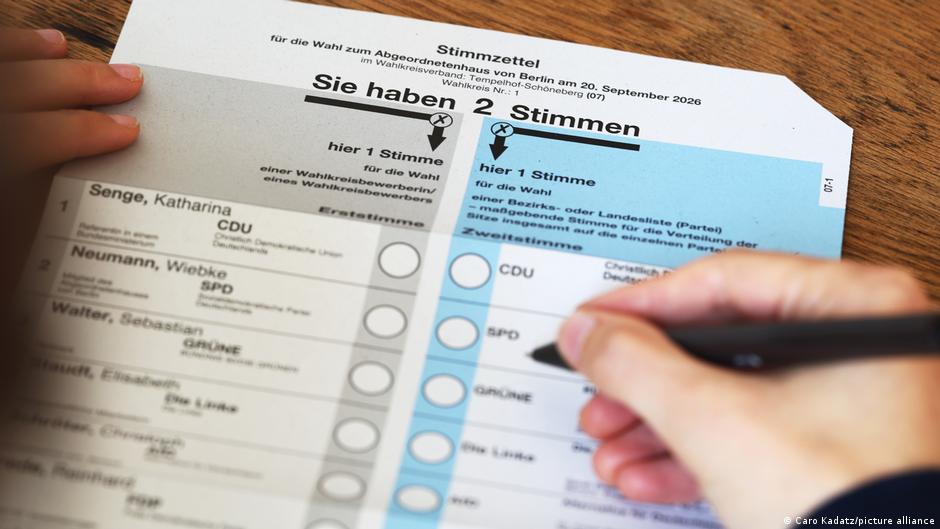
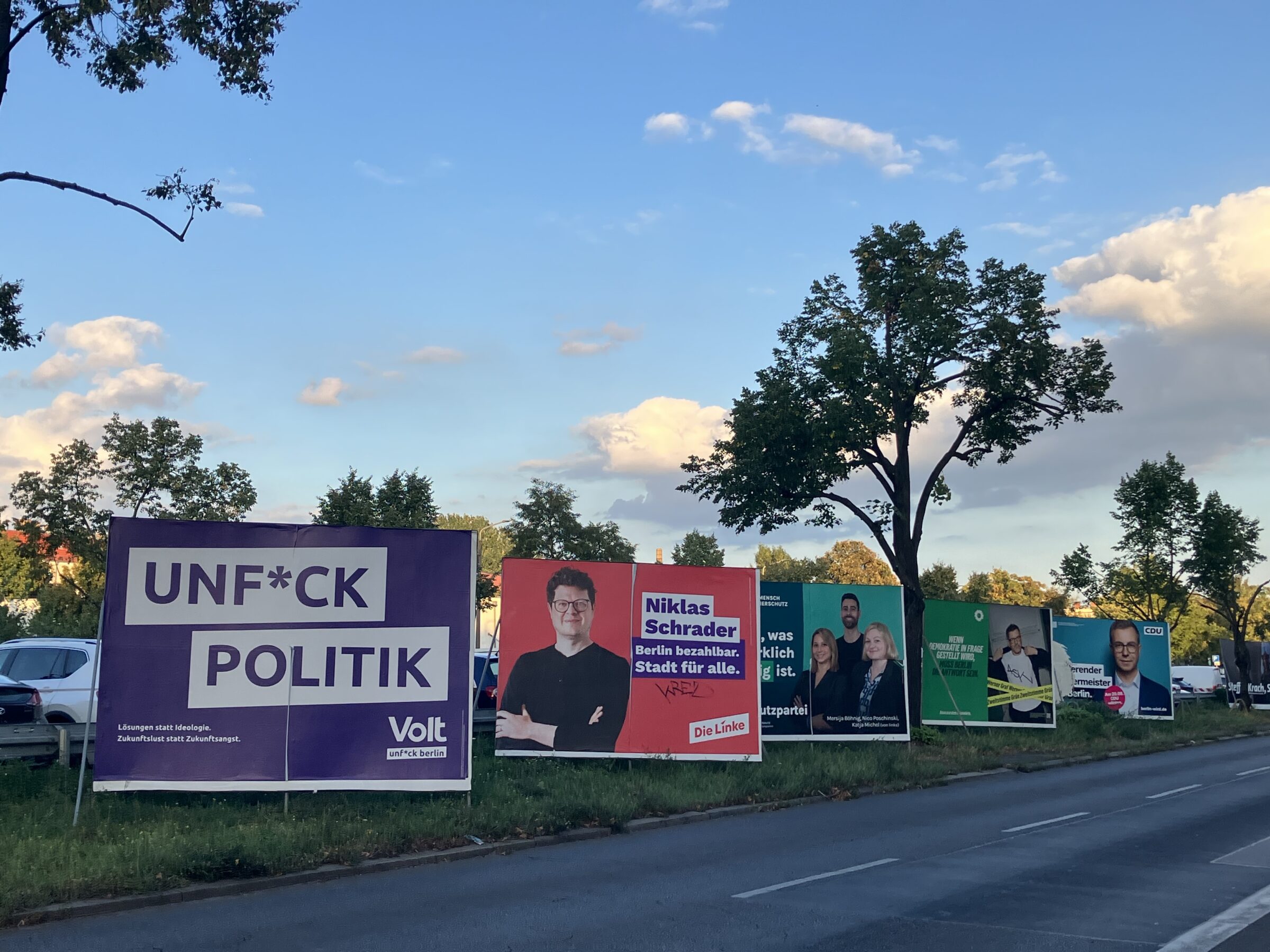
The Left and the CDU are vying for first place, with the AfD and the Greens trailing and the SPD suffering heavy losses. An overview of parties, leading candidates, key issues and possible coalitions.
One of the leading candidates in the tight race, Elif Eralp, met with an adviser to New York Mayor Zohran Mamdani.

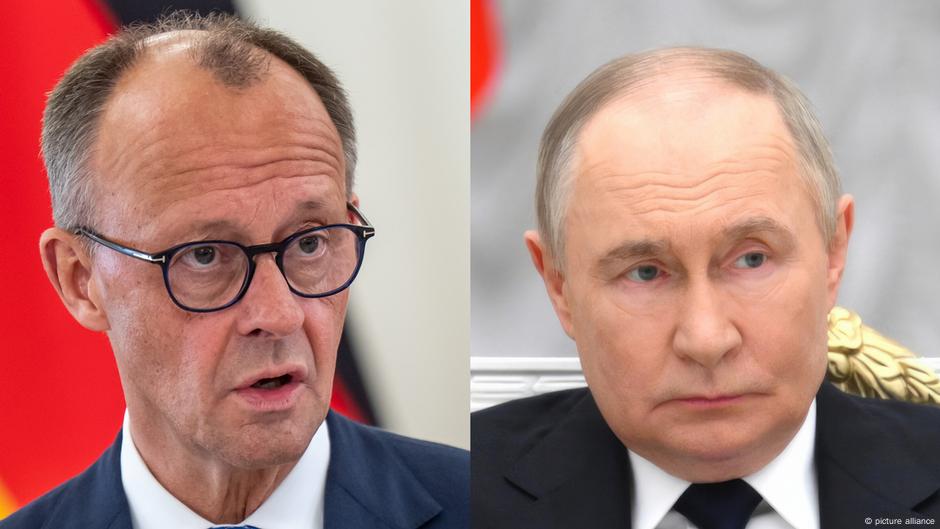
Russia's full-scale invasion of Ukraine destroyed the once-close relationship between Moscow and Berlin. Yet the far-right AfD is calling for a normalization of relations.

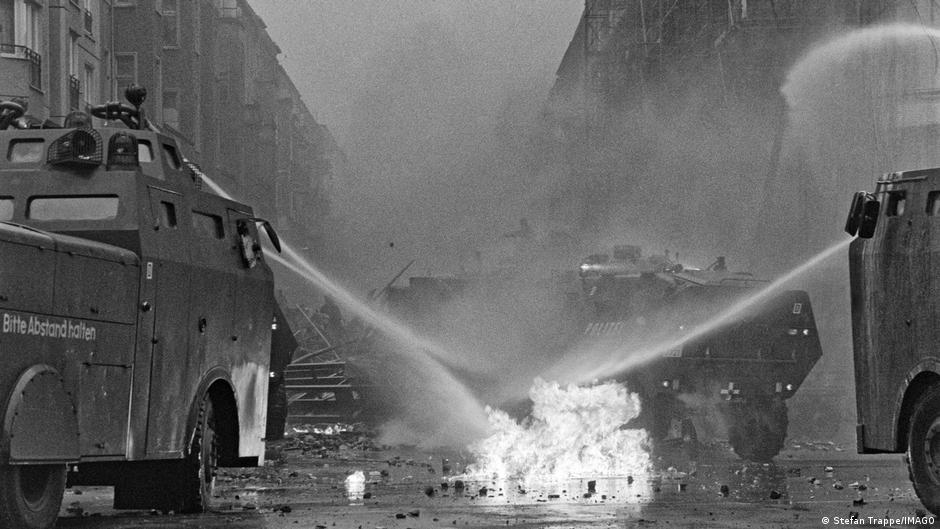
Bloody May, student sit-ins and the squatter movement: Berlin has a long history as a hotbed for working-class organizing and radical left-wing politics.
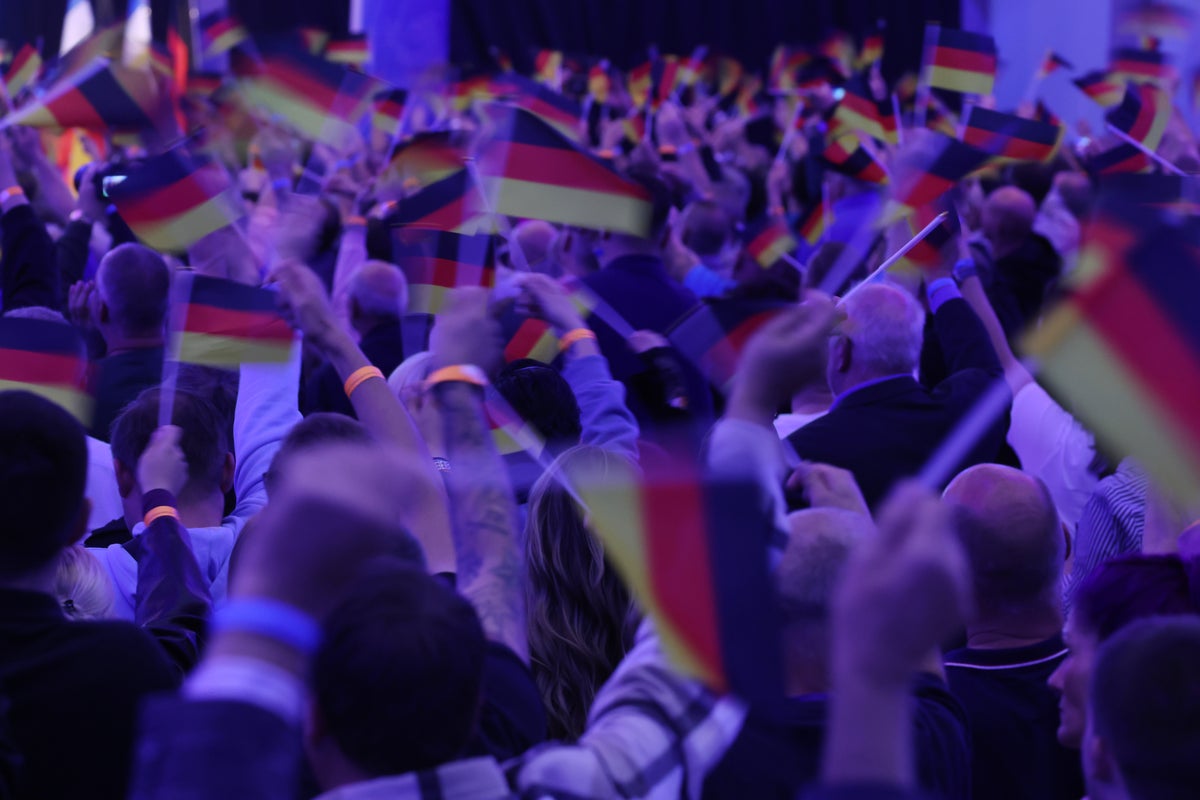
After success in Saxony-Anhalt, the far-right AfD has trained its sights on state elections in the German capital of Berlin. In one of the world’s most liberal cities, the party is just four points off the lead in the polls. Alex Croft reports

easyJet will restore flights between Berlin and Ljubljana during the 2027 summer season following a seven year hiatus. Services will commence on April 7 and operate twice per week, on Wednesdays and Sundays, with the Airbus A320 aircraft. The low cost carrier will face no direct competition on the route. Tickets are now available for purchase through the airline’s website. Further flight details can be found here . easyJet previously maintained flights between the two capitals from August 2018. The airline initially operated three weekly services between Berlin Tegel and Ljubljana. Operations were disrupted by the coronavirus pandemic in 2020, after which the carrier discontinued the route. The new service forms part of easyJet’s renewed expansion in the Slovenian capital. The airline launched flights from Manchester in November 2025, followed by the introduction of services from Edinburgh in April this year. A new three weekly operation from London Luton will commence on October 26, complementing its longstanding flights from London Gatwick. With the addition of Berlin, easyJet will serve five destinations from Ljubljana during the 2027 summer season: Berlin, Edinburgh, London Gatwick, London Luton and Manchester. easyJet is also in the process of acquiring Ljubljana-based aircraft maintenance provider Adria Tehnika from Czech investment fund Hartenberg Holding. The agreement was announced in December 2025, with the airline planning to bring more of its heavy maintenance operations in-house. easyJet has worked with Adria Tehnika for almost a decade, during which the Slovenian company has performed more than 200 heavy maintenance checks on its Airbus aircraft. Slovenia’s Competition Protection Agency approved the acquisition in February. However, its completion was delayed after the Kranj District Court temporarily prevented Hartenberg from disposing of its stake amid a dispute with a former minority shareholder over how the investment fund obtained full ownership of the maintenance provider The Berlin announcement comes as the Slovenian government evaluates applications submitted under its latest tender aimed at improving the country’s air connectivity. Four bids were received by the August 31 deadline during the second round of the tenth public call. The identities of the applicants and their proposed routes have not been disclosed, while no official results have been announced. EX-YU Aviation News

Parties are campaigning for a last day ahead of polls in Mecklenburg-Vorpomerania and Berlin. And an association responsible for German sea ports says they are at high risk from cyberattacks and sabotage. DW has more.

From Alpine Rams and Rhein Fire to Giandujot and SuperCrema, test your knowledge with the Saturday quiz 1 10,935 metres is the answer to which question, posed by an Irving Berlin song? 2 Which empire had its capital at Cusco? 3 Who released her bestselling Workout fitness video in 1982? 4 In which sport does Rhein Fire play the Alpine Rams? 5 Greater mouse-eared is the UK’s largest and rarest species of which mammal? 6 The David Bowie Centre is part of which museum? 7 Giandujot and SuperCrema are the predecessors of which spread? 8 Richard Moth was appointed to which religious post last year? What links: 9 Cricket; crow; cuckoo; dik-dik; gecko; owl? 10 Richmond and Charleston (Tudor); Raleigh and Columbia (Stuart); Atlanta (Hanover)? 11 Chan; kun; sama; san; senpai; sensei; shi? 12 Ninoy Aquino assassination; Brink’s-Mat robbery; Entebbe raid; Rudolf Nureyev defection? 13 Tu Youyou, 2015; Alphonse Laveran, 1907; Ronald Ross, 1902? 14 Benjamin Franklin Z Grill; Inverted Jenny; Treskilling Yellow; Tyrian Plum? 15 Australian and US TV; Jackson 5; Martin Fry; Poirot case? Continue reading...
Published at 2100PDT 18SEP26 / 0400GMT 19SEP26 Air Algerie in the last few days filed additional changes to its service to Berlin during Northern winter 2026/27 season. From 25OCT26, the airline will continue to operate Algiers – Berlin nonstop terminator on weekly basis, with 737-600 aircraft. AH2072 ALG1015 – 1255BER 736 7 AH2073 BER1355 – 1635ALG 736 7

Following Sunday’s regional vote, a coalition of left-wing parties could move to expropriate apartment buildings as part of a plan to lower rents.

HHarry Kane makes history by becoming the fastest player to reach 100 Bundesliga goals in his 98th game, while Michael Olise nets a hat-trick as Bayern Munich thrash Union Berlin 7-0.

Luftwaffe has ordered 35 fifth-generation stealth fighters to replace the Tornado, with the first aircraft due to arrive in the country in 2027

A video claiming to show AfD postal ballots being destroyed has gone viral ahead of Berlin's September 20 election. DW Fact Check examines the footage, the accounts sharing it and how widely it is really being viewed.

Deliveries are starting for Germany's new F-35 fighter jets, but the debate continues in Berlin about future capabilities.

European law gives EU citizens the right to vote in municipal elections, but this does not extend to state or national elections, for which Germany reserves voting rights to German citizens. This results in an odd discrepancy even within a single member state.
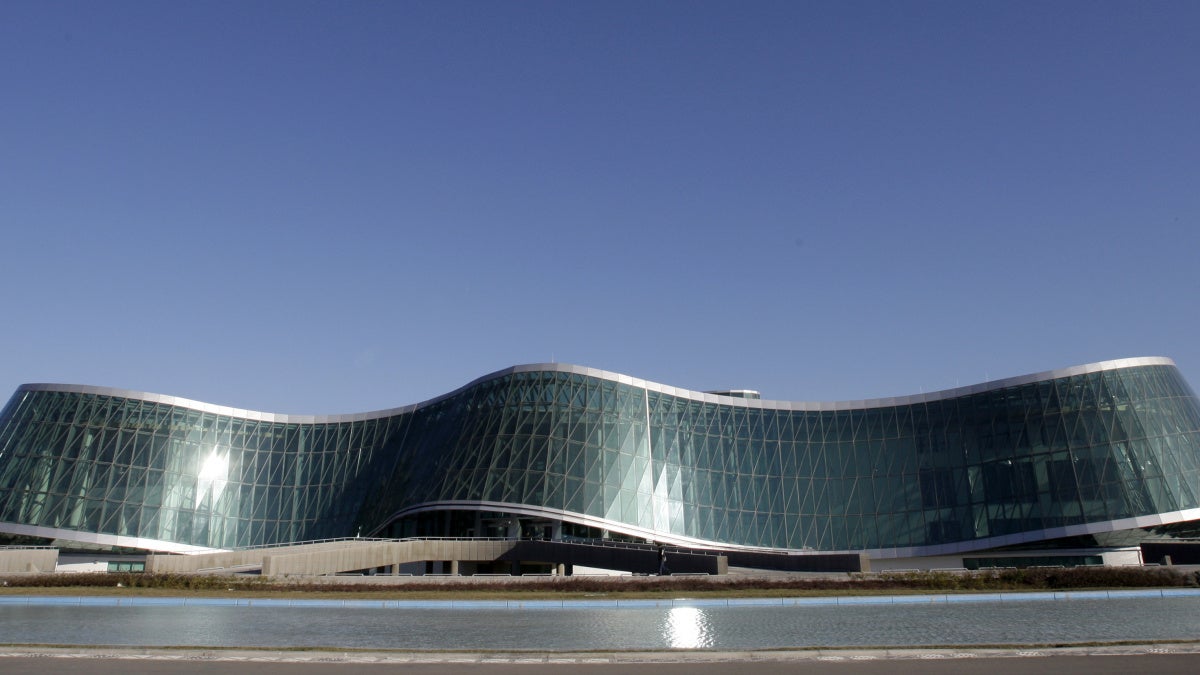
Click to expand Image The Georgian Interior Ministry headquarters in Tbilisi, February 2, 2010. © 2010 David Mdzinarishvili/Reuters (Berlin, September 18, 2026) – Georgian authorities are using vague administrative offenses to jail or heavily fine people for online speech, deepening the government’s crackdown on freedom of expression, Human Rights Watch said today. Since June 2026, a new Ministry of Internal Affairs unit has monitored social media and referred hundreds of posts to courts to be tried for speech-related charges, such as insult or profanity. In July, courts sentenced a journalist and an activist to 14 and 25 days of detention, respectively, for online statements deemed insulting, and in September, authorities opened proceedings against a blogger over a Facebook comment deemed profane. “Statements can be crude or disrespectful, but that does not justify jailing people for what they say about public officials,” said Hugh Williamson, Europe and Central Asia director at Human Rights Watch. “Detention or substantial fines for nonviolent expression under vague rules, combined with monitoring social media, pose a serious threat to free expression in Georgia.” On July 22, the Tbilisi City Court sentenced Vakho Sanaia, a journalist and anchor at Formula TV, a broadcaster critical of the government, to 14 days in detention over a Facebook post referring to Shalva Papuashvili, the parliament speaker, and Vladimir Bozhadze, a lawmaker, in terms deemed disparaging. Sanaia had been fined 6,000 Georgian lari (approximately US$2,200) 12 days earlier in a separate case involving Facebook posts about the same officials. Following that decision, Sanaia posted: “I wrote a post saying, ‘Don’t call Papuashvili and Bozhadze d—ks,’ and I was fined 6,000 lari for that. Well, I don’t know then—I guess call them that.” A Ministry of Internal Affairs representative said the authorities sought detention because Sanaia had disregarded the previous court decision and demonstrated his intention to continue his conduct. The court granted the ministry’s request. Two days later, Tbilisi City Court sentenced Giorgi Akhobadze, a physician and activist, to 25 days of detention for statements about public officials and a police officer, including on social media. Akhobadze’s lawyer, Mikheil Zakareishvili, said that the police presented the defense with a large volume of case materials, including photographic and video evidence, only 27 minutes before the hearing, yet the court rejected a request for more time to review them. Zakareishvili also disputed that the police evidence established an offense and said that the statements at issue were legitimate criticism or commentary on factual events. On September 10, Tornike Razmadze, an activist and blogger critical of the government, received notice that police had initiated profanity proceedings against him over a Facebook comment under a video in which he compared remarks by Prime Minister Irakli Kobakhidze with statements by the Russian propagandists Margarita Simonyan and Vladimir Solovyov. The Ministry of Internal Affairs stated that Razmadze was accused of insulting Kobakhidze. But Razmadze said that the administrative offense notice he received cited article 166(1) of the Code of Administrative Offenses, which concerns swearing and other insulting conduct in a public space, rather than the provision specifically concerning insults against public officials. Razmadze said his comment referred to Simonyan and Solovyov, not Kobakhidze. The case illustrates the expanded use of administrative offenses to police online speech, Human Rights Watch said. Article 166, traditionally concerning petty hooliganism in public places, is now also being applied to social media. In February 2025, parliament added article 17316 to Georgia’s Code of Administrative Offenses, making “verbal abuse, swearing, persistent insult and/or other offensive actions” directed at a broad range of state and public officials in connection with their duties punishable by a fine of 1,500 to 4,000 lari (about $550 to $1,500) or up to 45 days of detention. A repeat offense carries a fine of 2,500 to 6,000 lari (about $920 to $2,200) or between 5 and 60 days of detention. The provision forms part of a series of legislative changes since late 2024 that Human Rights Watch has found sharply restrict peaceful expression and assembly and enable increasingly punitive sanctions to be imposed on government critics. Imposing detention or substantial fines for nonviolent, insulting, or profane speech is an especially severe interference with freedom of expression and risks deterring others from speaking openly about those in power, Human Rights Watch said. The Organization for Security and Co-operation in Europe’s Office for Democratic Institutions and Human Rights has criticized the provision’s broad and subjective wording. It found that terms including “verbal abuse, swearing, persistent insult and/or other offensive actions,” without definitions or clearly specified elements of the offense, could be interpreted and applied arbitrarily. It concluded that the provision does not meet the requirements of legality and foreseeability for restrictions on freedom of expression and warned of its potential chilling effect. Enforcement of the new provision intensified after June 1, when the Ministry of Internal Affairs established a Division for Combating Hate Speech. The unit monitors public statements, including on social media and in the press, for speech that it considers degrading, insulting, or hateful, in particular toward officials, identifies alleged offenders, and refers cases to court. By August 1, the Ministry of Internal Affairs said the unit had identified and submitted to courts about 300 alleged administrative offenses involving expression in public spaces. Courts have already completed about 130 cases and imposed fines or administrative detention. Using a unit ostensibly created to combat “hate speech” to pursue alleged offensive or profane expression is particularly troubling, Human Rights Watch said. International human rights standards distinguish incitement to discrimination, hostility, or violence from speech that merely shocks, offends, or insults. Crude or offensive language does not, by itself, remove expression from human rights protection. The European Court of Human Rights has repeatedly recognized that freedom of expression protects not only ideas that are favorably received but also those that offend, shock, or disturb. Politicians and other public officials are subject to greater public scrutiny than private individuals and are expected to tolerate a wider degree of criticism. As a party to several international human rights treaties, including the European Convention on Human Rights, Georgia is obligated to protect freedom of expression. Any restriction must have a sufficiently clear legal basis, pursue a legitimate aim, and be necessary and proportionate in a democratic society. Georgia is also required to provide appropriate due process protections when an offense is criminal in substance, even if domestic law classifies it as “administrative.” The severity of available sanctions, including detention for as long as 60 days, makes adequate procedural safeguards particularly important. The Georgian authorities should end the use of detention for peaceful expression and repeal or amend vague provisions used to punish speech so that they comply fully with Georgia’s international human rights obligations. They should ensure that provisions concerning insults, swearing, and public disorder are not used to suppress legitimate expression, including harsh criticism of public officials, whether they are politicians, police officers, or other state representatives. “The government does not have to like crude or offensive speech, but it cannot use that as a shortcut to jail its critics,” Williamson said. “Georgia should end detention for peaceful expression, repeal its repressive restrictions on speech, and restore space for people to criticize those in power without fear of punishment.”

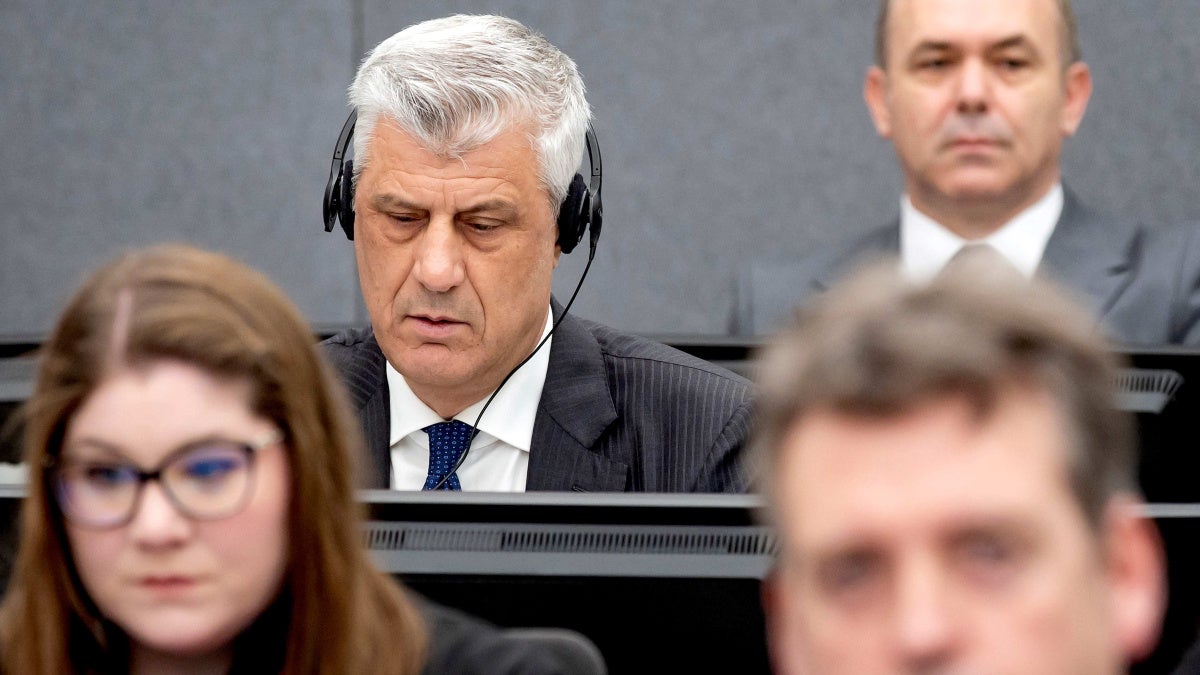
Click to expand Image Former Kosovo President Hashim Thaci, top left, appears before the Kosovo Tribunal as he defends himself against charges including murder, torture and persecution allegedly committed during Kosovo’s war with Serbia, The Hague, April 3, 2023. © 2023 Koen van Weel/Pool via REUTERS (Berlin, September 17, 2026) – The convictions of Kosovo’s former President Hashim Thaçi and three senior former Kosovo Liberation Army (KLA) leaders for war crimes on September 16, 2026, are an important step toward accountability for victims of the 1998-1999 Kosovo conflict, Human Rights Watch said today. The Kosovo Specialist Chambers, based in The Hague, found Thaçi, Kadri Veseli, Jakup Krasniqi, and Rexhep Selimi guilty of war crimes including murder, torture, cruel treatment, and arbitrary detention. The court acquitted the four men on charges of crimes against humanity. The convictions were for crimes committed during the war in Kosovo and northern Albania, against Kosovo Albanians, Serbs, Roma, and others. The court sentenced Thaçi and Krasniqi to 25 years, Veseli to 18 years, and Selimi to 13 years in prison. “This verdict sends an important message to victims and their families that even powerful leaders are not beyond the reach of justice,” said Hugh Williamson, Europe and Central Asia director at Human Rights Watch. “The court’s findings underscore that accountability for serious wartime crimes should apply to everyone, regardless of their position or affiliation.” The judgment documents the scale and severity of the abuses. The judges found that between April 1998 and June 20, 1999, the defendants were criminally responsible for the arbitrary arrest and detention of 385 people at KLA detention sites, the torture of 303 people, the cruel treatment of 49 people, and the murder of 96 people. The victims included Kosovo Albanians perceived as political opponents or collaborators, as well as Serbs and Roma. The judges found that the accused shared a common criminal purpose to target, detain, and if necessary, kill perceived opponents of the KLA, which sought independence from Serbia. They found that the four men worked together to implement the criminal plan, including through detention facilities, military police, intelligence structures, and special units. The court acquitted all four defendants of the six crimes against humanity charges, finding that the prosecution had not proved beyond reasonable doubt that the specific acts were “directed against a civilian population:” one of the required elements to establish crimes against humanity, in addition to the acts being part of a widespread or systematic attack. The court also found the four men not guilty in relation to a number of other alleged war crimes incidents, which it found were either not proven beyond reasonable doubt, absorbed by another more specific charge, or outside the court’s jurisdiction. The latter included alleged incidents after June 20, 1999, when the court found that the armed conflict had ended and the conduct could therefore not qualify as war crimes. The judges stressed that the KLA itself was not on trial and that the case was not about the legitimacy of the KLA’s struggle, the crimes Serbian and Yugoslav forces committed against Kosovo Albanians, or an effort to balance crimes committed by one side against those committed by another. The judgment concerned the individual criminal responsibility of the four defendants for specific crimes against Serbs, Roma, and Kosovo Albanians. The judges said that the trial had taken place in a “climate of witness intimidation.” The court said some witnesses had lied before the judges or changed previous accounts, and that fear for their safety may have affected some testimony. Separately, Thaçi faces a second case, along with four others, before the Kosovo Specialist Chambers for alleged obstruction of justice. The judgment comes against a wider backdrop of incomplete accountability for crimes committed during the Kosovo conflict, including crimes committed by Serbian and Yugoslav forces, Human Rights Watch said. As Human Rights Watch has documented, Serbian and Yugoslav forces were responsible for systematic and widespread crimes, during the conflict including torture, killings, rape, and forced expulsions. At the senior level, former Serbian President Slobodan Milošević and, in separate trials, seven other high-ranking Serbian and Yugoslav officials were tried at the International Criminal Tribunal for the former Yugoslavia. One man was acquitted and six were convicted; Milošević died during his trial. Some Serbian and Yugoslav officials convicted by the United Nations tribunal have subsequently been publicly celebrated in Serbia, underscoring the continuing need for political leaders in Serbia and the region to acknowledge established facts about wartime crimes and support accountability for them. At the domestic level, Serbian courts have convicted 17 individuals by final judgment for war crimes related to Kosovo, including 15 Serbs. Domestic prosecutions in Serbia have largely focused on lower-level perpetrators rather than senior military or police officials. For the vast majority of war crimes, however, no one has been held to account. The September 16 ruling should spur renewed efforts to deliver justice for all the victims of the Kosovo war, Human Rights Watch said. The Kosovo Specialist Chambers has jurisdiction over crimes against humanity, war crimes, and other crimes under Kosovo law related to allegations made in a 2010 Council of Europe report. Dick Marty, the Swiss senator who wrote it, said in the report that some senior former members of the KLA were responsible for abductions, beatings, and summary executions during and after the war. Human Rights Watch documented post-war attacks on Serbs and Roma. Based on the Council of Europe report, the European Union, with strong support from the United States, created the Special Investigative Task Force (SITF), based in Brussels with an international staff, to investigate the allegations. The task force’s lead prosecutor presented his findings in 2014, including on witness intimidation, and concluded there were credible grounds to issue indictments. After Kosovo amended its constitution and introduced a new law in 2015, the Kosovo Specialist Chambers was created, based in The Hague with funding from the EU, as well as from Canada, Norway, Switzerland, Türkiye, and the United States. All three of the chief prosecutors have come from the United States. “For the Kosovo Albanians, Serbs, Roma, and others who suffered these dreadful crimes, this judgment provides a measure of long-delayed justice,” Williamson said. “It is a reminder that all victims of serious crimes committed during and after the Kosovo war deserve justice, regardless of the ethnicity or affiliation of the victim or perpetrator.”

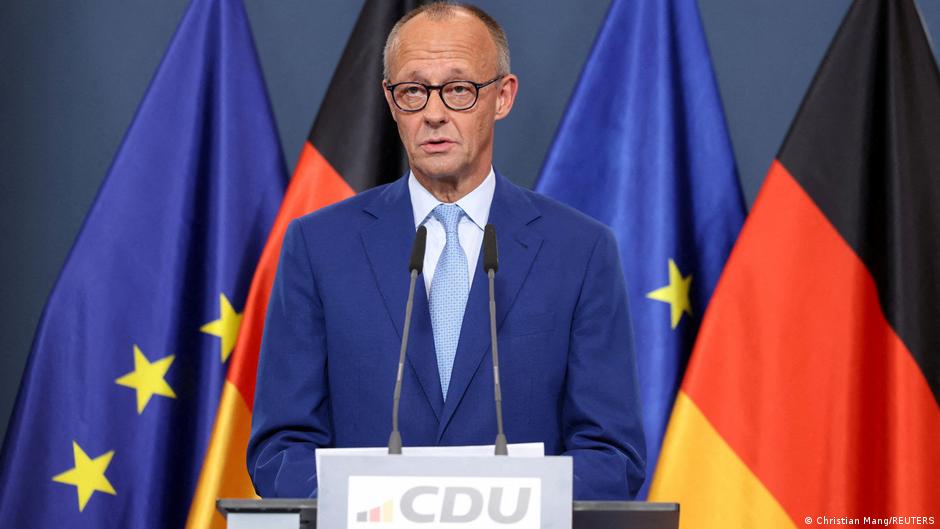
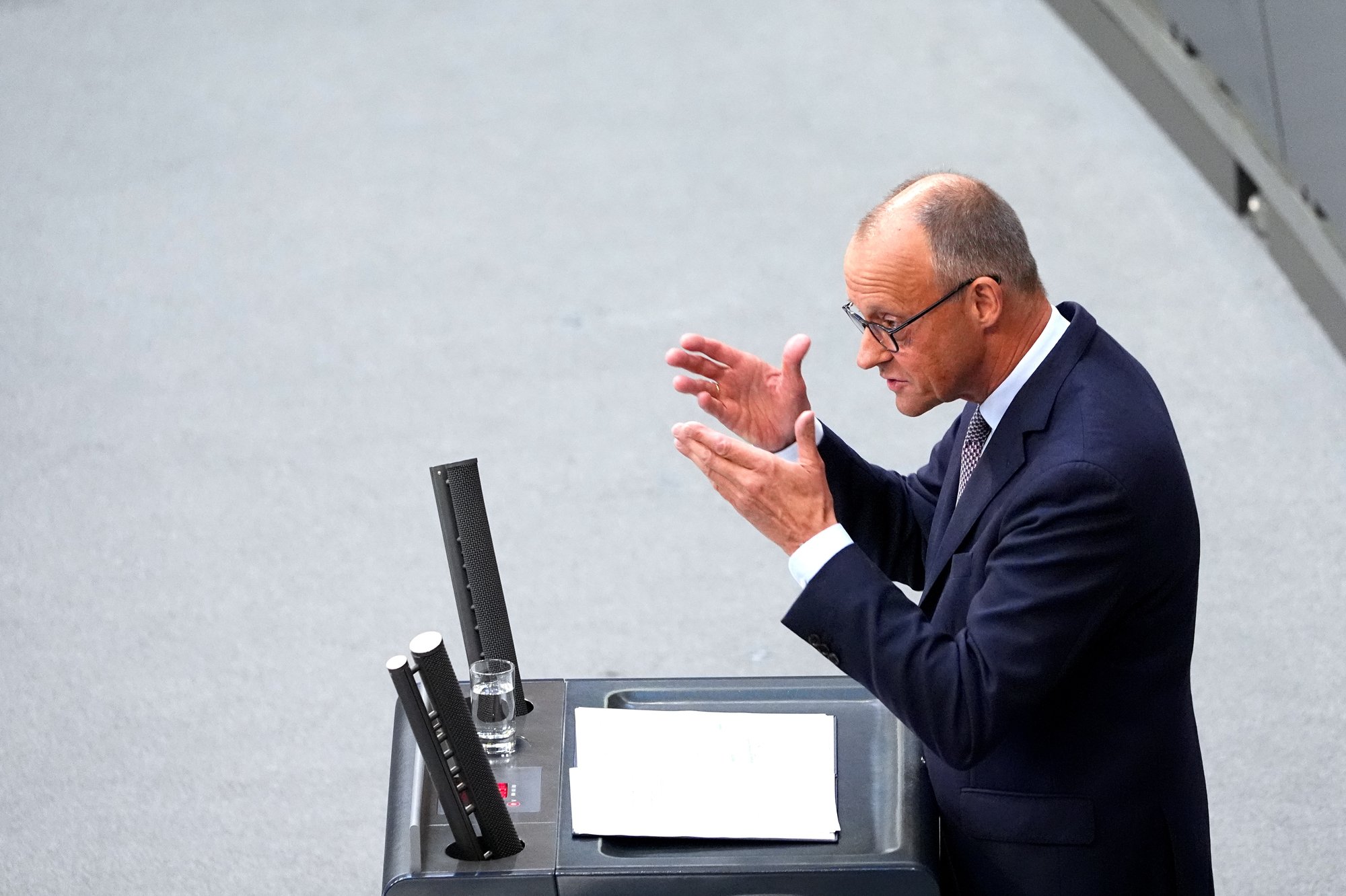
With far-right and far-left forces poised to take votes from the Christian Democrats, pressure is building on German chancellor Friedrich Merz. Sunday's state elections in Berlin and Mecklenburg-Western Pomerania could make or break the leader's prospects of political survival.