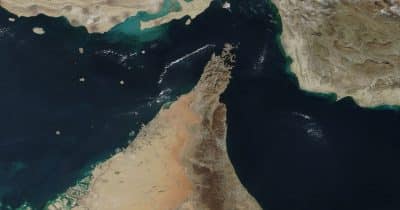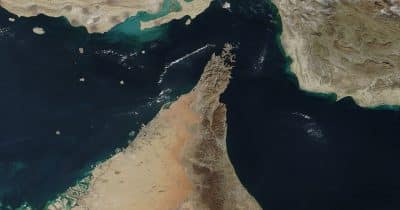
Brent crude falls below $70 despite Strait of Hormuz closure, supply crisis looms
The unexpected drop in Brent crude prices may lead to a future inventory crisis, potentially causing significant price hikes if tensions persist.

The unexpected drop in Brent crude prices may lead to a future inventory crisis, potentially causing significant price hikes if tensions persist.
Donald Trump delivered three major policy shocks between July 6 and July 11. He declared the Iran ceasefire over, sending Brent crude oil up 5.2%. The POTUS also ordered a halt to trade with Spain, pushing Spain’s stock market index IBEX 35 down 2.6%. Lastly, he backed tougher Russia sanctions and allowed Ukraine to manufacture

Rising oil prices could exacerbate inflation, complicating central bank policies and impacting risk assets like cryptocurrencies negatively.

Geopolitical tensions and policy shifts may lead to sustained oil market volatility, impacting global economic stability and energy security.

Rising US-Iran tensions could lead to prolonged oil market volatility, impacting global economic stability and energy security strategies.

Rising oil prices amid Hormuz tensions could destabilize global markets, impacting economies reliant on oil imports and exports.

The US Treasury's Office of Foreign Assets Control revoked General License X on July 7, cutting off the authorization that had allowed Iranian crude oil, petrochemical, and petroleum-product transactions through Aug. 21. Its replacement, General License X1, permits only wind-down transactions through 12:01 a.m. ET on July 17. Brent crude settled at $74.16 and WTI […]

Rising geopolitical tensions may disrupt global oil supply, potentially driving prices higher and impacting economic stability worldwide.

Geopolitical tensions and truce uncertainties could drive oil prices higher, impacting global markets and economic stability.

The decline in Brent crude prices highlights concerns over global oil demand and inventory levels, impacting future market expectations.

Lower Brent forecasts suggest easing inflation pressures, potentially benefiting risk assets and crypto markets while reducing mining costs.

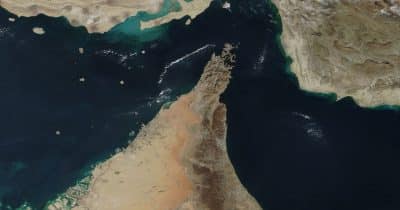
The US-Iran peace deal's impact on oil flows through Hormuz may stabilize global oil markets, easing geopolitical tensions and economic pressures.

The reopening of Hormuz may stabilize oil prices, influencing inflation expectations and potentially altering central bank policies and risk assets.

Falling oil prices ease inflation, potentially leading to lower interest rates, benefiting risk assets like cryptocurrencies and tokenized energy.
Brent fell 1% as supertankers resume Hormuz transit. Mines and diplomatic fragility keep a full oil flow recovery uncertain.

The surge in short bets on Brent crude oil highlights market vulnerability to unexpected bullish shifts, potentially triggering rapid position reversals.

Lower Brent forecasts signal potential economic shifts, impacting oil-dependent economies and creating uncertainty for energy investors.
The oil market is treating Trump’s Iran deal as the end of the war scare. One veteran trader’s oil price prediction says that the read is wrong. Brent crude looks calm, but the calm may be the setup. The futures curve and the physical market seem to back him. Trump’s Deal Reset the Oil Mood
Brent crude just logged its steepest weekly drop in months, yet the Bitcoin (BTC) price barely budged. For the record, Brent is down 9% week-on-week against BTC’s 1%. That split is testing the oil and Bitcoin link many traders and market experts treat as a rule. Several market participants read falling oil as a green
Brent crude sits near $79 despite the Strait of Hormuz reopening. Here's why markets aren't pricing in a supply rebound.