Fast food becomes an unlikely bridge between the US and China
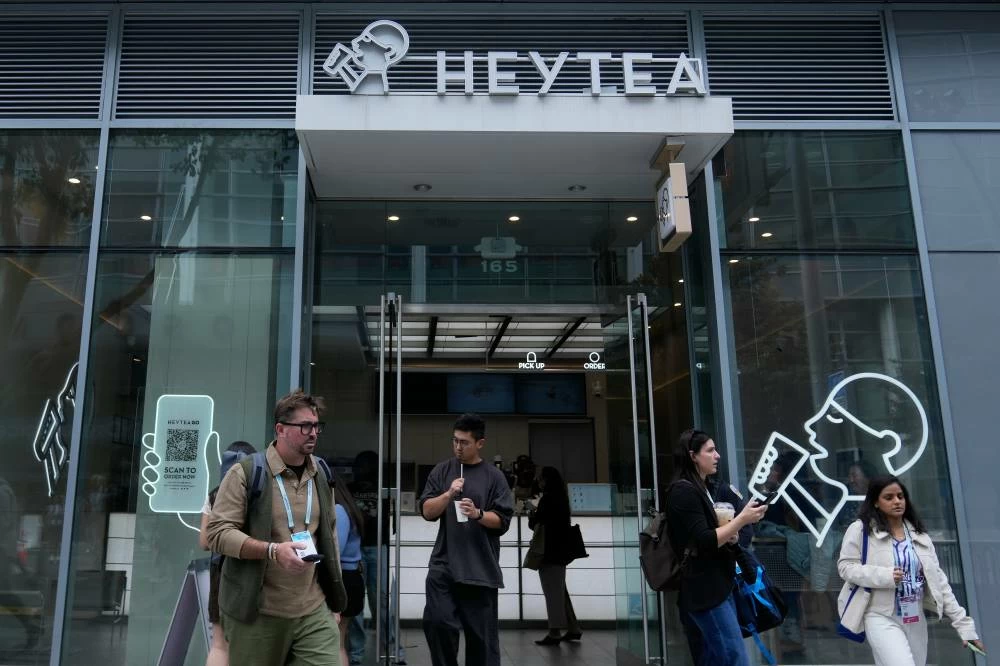
China/US: While China and the United States remain at odds on issues ranging from trade and technology, fast food is emerging as a rare area of growing connection between the two countries. American restaurant and beverage chains are continuing to expand in China, attracted by a consumer market far larger than that of the United States. At the same time, Chinese food and beverage brands are increasingly entering the US market as slowing growth and intense competition at home push them to seek opportunities overseas. Industry observers describe the trend as a form of consumer-led "gastrodiplomacy", with food serving as an informal cultural bridge between the two countries. Recent American arrivals in China, such as Popeyes and Five Guys, have attracted strong consumer interest, while Chinese brands are finding a growing audience among American consumers with increasingly international tastes. American fast-food companies continue to see significant growth potential in China. Church's Texas Chicken recently opened its first outlet in Shanghai and plans to launch hundreds more locations across the country. Wendy's has announced plans to open 1,000 restaurants in China over the next decade. Established brands are also expanding aggressively. McDonald's plans to open 1,000 new restaurants in China this year and aims to reach 10,000 outlets by 2028. Burger King expects to triple its China store count to 4,000 by 2035. A Mixue sign in Sunnyvale, California. AP China has become KFC's largest market globally, with approximately 13,000 restaurants compared with around 3,750 in the United States. To appeal to local tastes, many American chains adapt their menus for Chinese consumers. KFC, for example, serves products such as egg tarts and congee alongside its traditional fried chicken offerings. Meanwhile, Chinese brands are increasingly targeting US consumers. Mixue, one of the world's largest fast-food chains with more than 53,000 locations globally, opened its first US stores in late 2025 and plans further expansion. Other Chinese brands expanding into the American market include Heytea, Luckin Coffee and Wallace. Luckin Coffee, which overtook Starbucks as China's largest coffee chain, now operates multiple stores in New York, while Wallace has adapted some of its menu offerings to cater to American tastes. Industry experts say Chinese brands are often competing on price, offering products at lower cost than some established US competitors. However, analysts note that Chinese restaurant chains still face challenges in the US market, including establishing long-term customer loyalty, navigating potential tariff pressures and addressing concerns over business operations and consumer data. Despite the challenges facing both sides, restaurant chains from China and the United States continue to pursue growth opportunities across the Pacific, reflecting the enduring appeal of food as a business opportunity and cultural connection.
MBMobile Business•Associated Press20 Sept

 The New York Times•Alan Rappeport, Lauren Hirsch and Ana Swanson21 Sept