Why This Mega-Hub Overtook Dubai As The World's Busiest International Airport
It is because Dubai International Airport has seen a sharp fall in passenger traffic.
It is because Dubai International Airport has seen a sharp fall in passenger traffic.
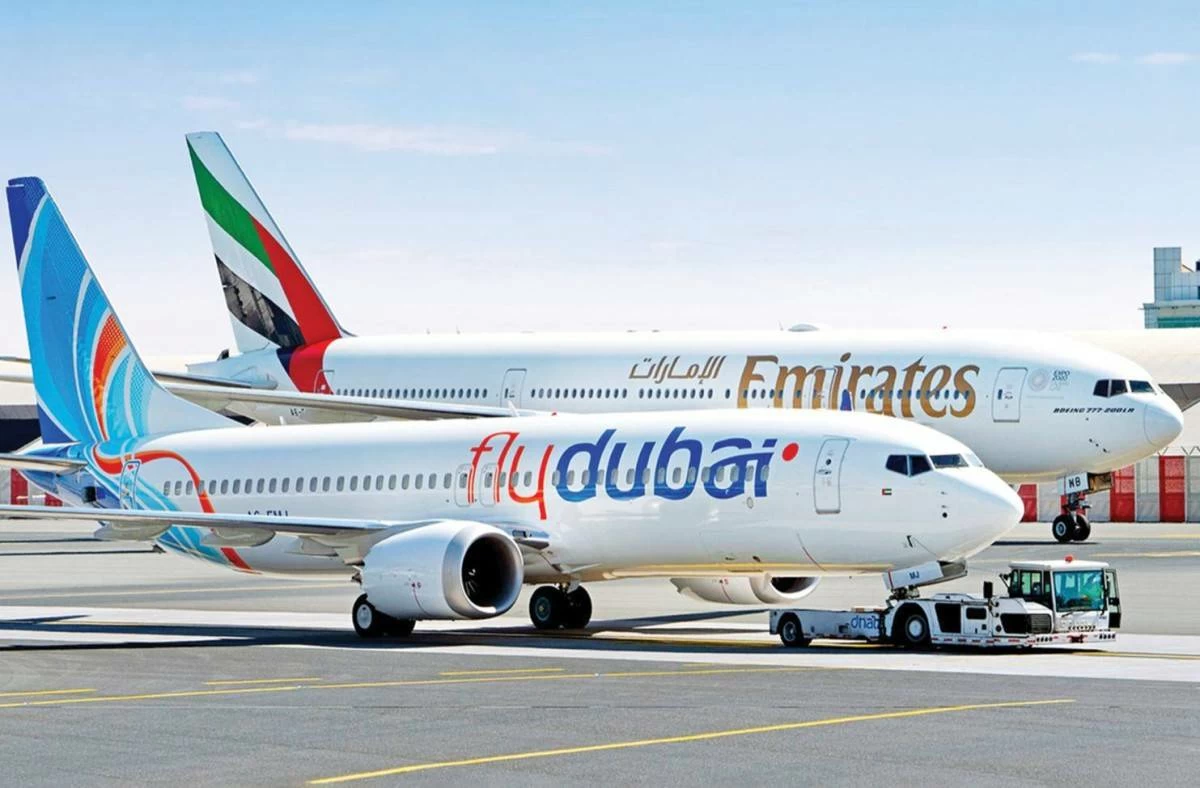
Dubai: Dubai's aviation sector is entering a new phase marked by the restoration of traffic and operational capacity and the resumption of ambitious growth and expansion plans, following a period of regional disruption that affected air travel during much of this year. Indicators announced during the Arabian Travel Market (ATM) suggest that both Emirates and flydubai are now treating the current period as the start of a new growth cycle, driven by stronger demand, the recovery of air traffic, fleet expansion and the revival of key markets and destinations. Emirates is currently operating at around 93% of its pre-disruption capacity, having carried more than 8.6 million passengers during July and August. The airline has also reported strong booking indicators for the upcoming winter season across several major markets. Flydubai has likewise signalled a move from recovery to expansion, saying it expects to return to full operational capacity by the end of the year and potentially exceed pre-disruption levels, supported by the arrival of new aircraft. The carrier is currently operating at about 85% of its network capacity. The airline is preparing for a broader expansion phase, with plans to grow its fleet to more than 100 aircraft. The strategy is supported by the delivery of 11 new Boeing aircraft, which will strengthen its ability to increase capacity, expand its destination network and enhance products and services. At the same time, Dubai Airports is maintaining a long-term growth outlook. The operator expects passenger traffic through Dubai International Airport to reach around 70 million passengers in 2026, with targeted growth levels expected to be restored in the following year. The latest developments indicate a shift in priorities within Dubai's aviation sector. After months focused on maintaining operations and rebuilding network capabilities, attention is now turning to leveraging renewed demand to expand fleets, open new routes and enter additional markets. The upcoming winter season is expected to serve as an important test of that strategy. Emirates has reported strong demand from markets including South Africa, Brazil, India and Egypt, alongside notable growth from the United Kingdom and Indonesia. The growth plans come as Dubai's aviation sector prepares for a major long-term transformation through the gradual expansion of Al Maktoum International Airport, which is expected to enhance the emirate's capacity to accommodate future increases in both passenger and cargo traffic. Industry indicators suggest that competition in the coming period will focus not only on recovering travellers lost during the period of disruption, but also on generating new demand, expanding connectivity, opening additional markets and reinforcing Dubai's position as a global aviation hub.

DUBAI: Mattar Al Tayer, Director General, Chairman of the Board of Executive Directors of Dubai’s Roads and Transport Authority (RTA), and Paul Griffiths, Chief Executive Officer of Dubai Airports, discussed ways to strengthen cooperation and coordination between RTA and Dubai Airports. They reviewed traffic projects and solutions aimed at improving traffic flow along road corridors leading to and from Dubai International (DXB), as well as future transport plans for Dubai World Central - Al Maktoum International (DWC). The discussions focused on strengthening integration between the road and transport network and the aviation sector, facilitating passenger movement, and providing seamless, integrated mobility for Dubai residents and visitors. Al Tayer affirmed that integration between the transport and aviation systems is a key pillar in supporting Dubai’s competitiveness and strengthening its position as a global hub for economic activity, tourism and aviation. He noted that RTA, in coordination with its strategic partners, is developing an integrated and flexible network of roads and public transport modes to keep pace with the rapid growth in population and visitor numbers and support the emirate’s ongoing urban and economic expansion. Al Tayer said, "Guided by the vision and directives of its leadership, Dubai continues to invest in developing world-class infrastructure aligned with its future aspirations and supporting sustained growth.” He stressed that DWC and Dubai South are of strategic importance in RTA’s future plans, given the rapid urban and economic growth in the area and its central role in Dubai’s comprehensive development. Paul Griffiths said, "Close collaboration with RTA is essential to shaping a seamless, integrated travel experience for our guests, from the moment they set out for the airport and throughout every stage of their journey. As Dubai enters a new phase of growth, the seamless integration of airports with road networks and all modes of public transport is a key element of our vision to reimagine the future of travel in the emirate.” He added, "We will continue working with RTA to develop a flexible, future-ready mobility ecosystem that raises standards for ease of access, efficiency and passenger service, while supporting the central role of DXB and DWC in strengthening Dubai’s position as a leading global gateway for travel and aviation.” During the meeting, the two sides reviewed RTA’s future plans and projects for roads and public transport systems, aimed at keeping pace with the anticipated growth at DWC and in Dubai South and improving access to both from across the emirate. They also discussed ways to align transport infrastructure development plans with the aviation sector’s future plans. The meeting also addressed continued coordination between teams on both sides and integrated planning for future projects, thereby strengthening links between airports, road networks and public transport modes, improving traffic flow, meeting the requirements arising from population and urban growth, enhancing quality of life, and serving passengers, employees and customers. Attendees included Majed Al Joker, Chief Operating Officer of Dubai Airports. RTA was represented by Abdul Muhsen Kalbat, CEO of the Rail Agency; Moaza Saeed Al Marri, CEO of the Executive Affairs Sector; Hussain Al Banna, CEO of Traffic and Roads Agency; and Muna Al Osaimi, CEO of Strategy and Corporate Governance Sector.
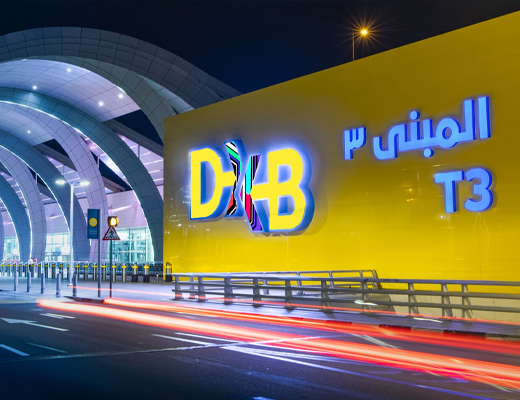
Dubai International Airport (DXB) handled 31.5 million passengers during the first half of 2026, down 31.3 percent from the same period in 2025, after regional airspace restrictions linked to the conflict in the Middle East reduced scheduled capacity earlier in the year. Air traffic picked up through the second quarter as airline capacity returned and […]
 Travel Radar•Nibras Malik1 Sept
Aviation service provider dnata has evolved its existing cargo control centre into a new Cargo Integrated Command Centre (CICC) in Dubai. Located at dnata’s Dubai International Airport (DXB) hub, the […]
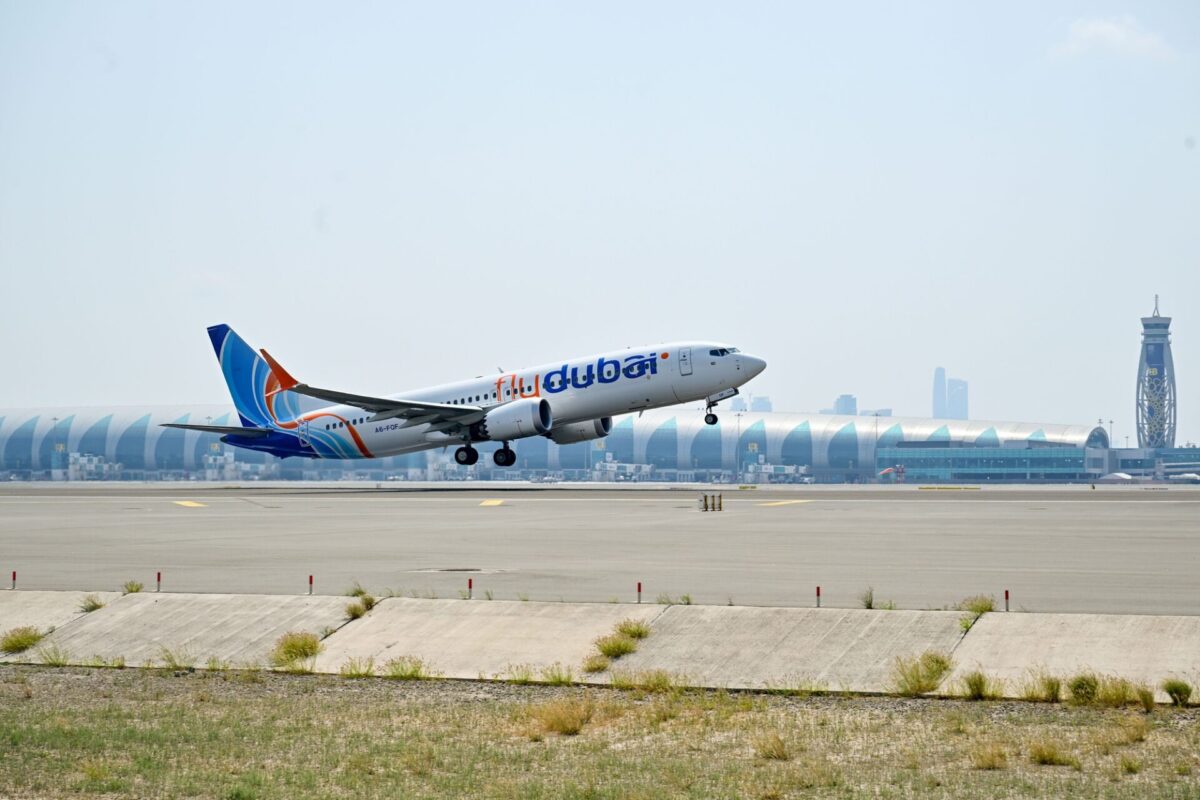
Dubai International Airport (DXB) lost a third of its passengers in the first six months of the year…
 AeroTime•Ian Molyneaux26 Aug
While Emirates only has one primary hub in Dubai (DXB), the airline does operate some fifth freedom flights around the globe. It looks like the airline may be significantly growing its number of fifth freedom flights to the Americas, though only time will tell how this plays out.
 One Mile at a Time•Ben Schlappig13 Aug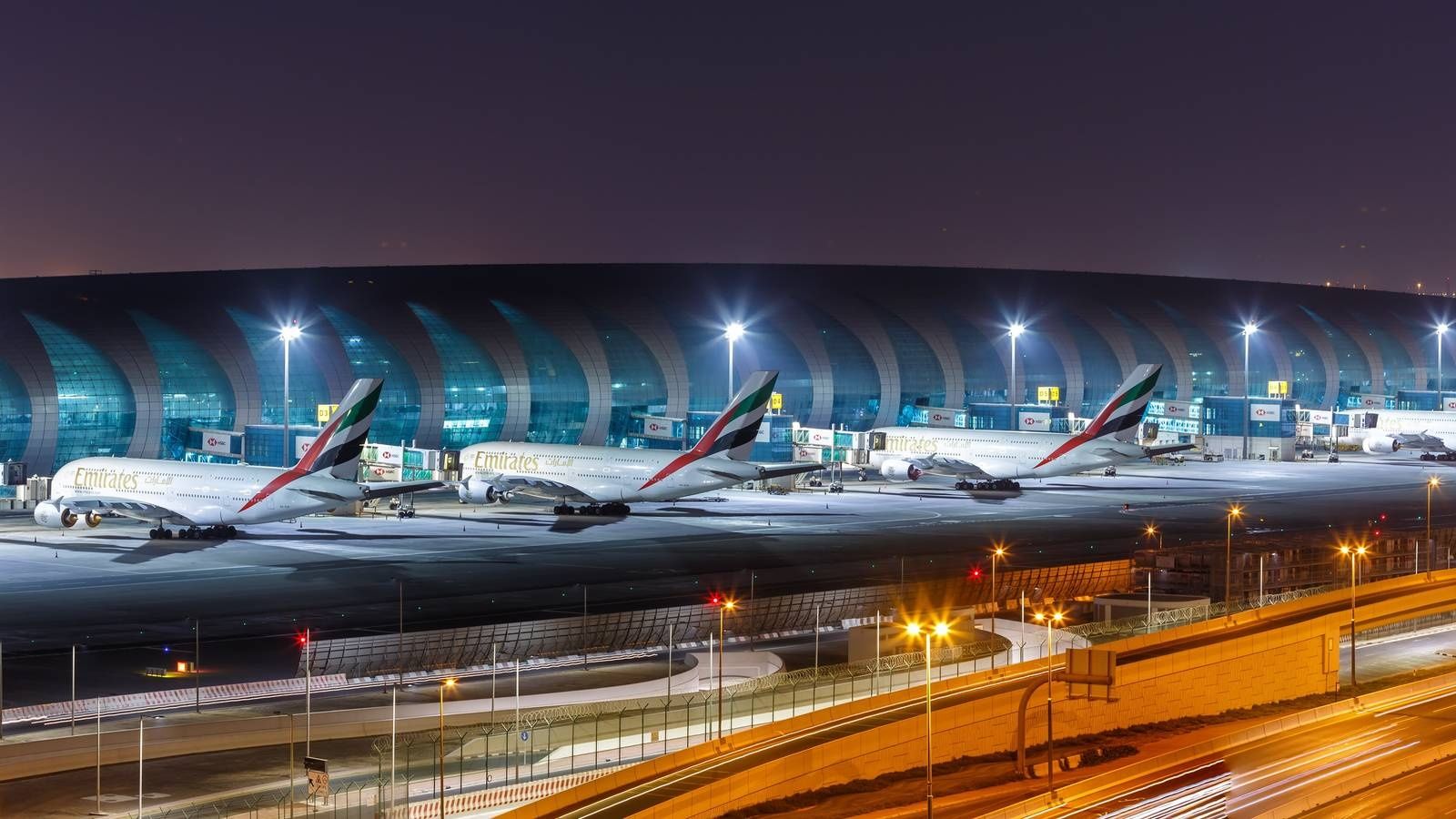
Both airports see million of passengers every year.
Dubai Airports have said that Dubai International Airport (DXB), one of the worlds busiest airports, will close in 2035 after all operations have been transferred to Dubai World Central (DWC). Work is already underway to upgrade DWC, also known as Al Maktoum International, which will see the airport become five [read more]
 UK Aviation News•UK Aviation News4 Aug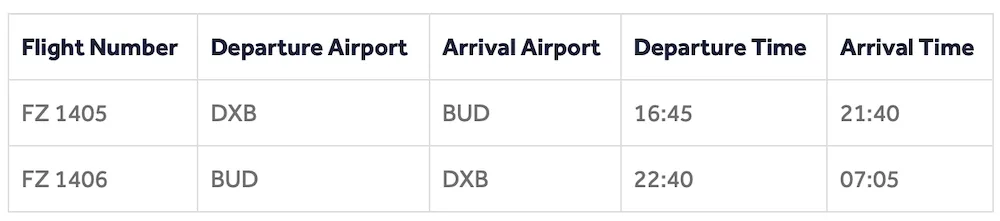
From 31st July, flydubai will operate 3 weekly flights (Wednesdays, Fridays and Sundays) from Terminal 3 at Dubai International (DXB). The frequency will increase to daily operations on 25th October...
The United Arab Emirates’ (UAE) carrier Flydubai announced the resumption of daily flights to Syria’s Aleppo International Airport (ALP) following a 14-year stoppage. The route’s first flight will depart from Dubai International Airport (DXB) on July 20 and will be the carrier’s second route to Syria, following its service to Damascus International Airport (DAM). Return […]
Travel Radar•Takey Elbarky14 Jul
Emirates has a massive global route network through its Dubai (DXB) hub, and in some cases, passengers might find themselves with an extended layover. In these situations, Emirates offers passengers a free transit hotel, in the form of the Emirates Dubai Connect program.
One Mile at a Time•Ben Schlappig13 Jul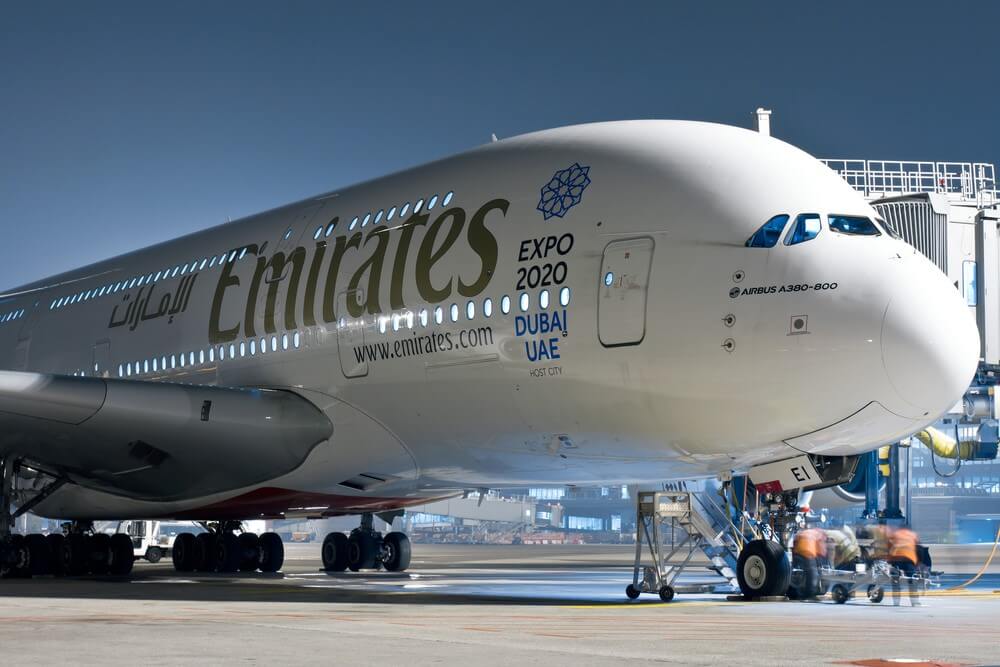
Emirates is introducing its flagship Airbus A380 for the first time on flights between Dubai International Airport (DXB)…
AeroTime•Ian Molyneaux9 Jul
The Dubai Department of Economy and Tourism (DET) welcomes the decision by the United Kingdom to lift the travel advisory. Dubai is open, with hotels, attractions, restaurants, retail destinations and other destination experiences ready to welcome back UK visitors to the city. Dubai International (DXB) has remained operational. Emirates is currently operating 97% of its global network, serving 138 destinations across 73 countries. Dubai Airports and airline partners continue to work to restore capacity and connectivity.
Emirates has announced four new weekly services between Dubai International Airport, UAE (DXB) and Accra International Airport (ACC), Ghana. These will be in addition to the daily flights Emirates currently operates between the two airports and will be introduced on July 12. It is hoped that the new flights will provide Ghanaian travellers and goods […]
Travel Radar•Billy Stack21 Jun
Riyadh Air, the Saudi Arabia’s new national carrier, today celebrated the inauguration of its 3rd official destination, starting daily service connecting Riyadh and Dubai, operated on one of its brand-new Boeing 787-9 Dreamliners. The daily service, flight RX243, scheduled for departure from Riyadh’s King Khalid International Airport (RUH) at 14:05 with arrival at Dubai Airport (DXB) at 17:00, marking a major milestone in the airline’s evolution and continuing to build a new era of travel and connectivity for the Kingdom of Saudi Arabia.

Pokhara International Airport (PHH) will be flydubai’s second destination in Nepal, after Kathmandu. The direct flights will commence on 23rd September 2026, operating from Terminal 3 at Dubai International (DXB)....