El Niñopage 3

Event · 110 articles
Share

Coverage, page 3

page 3 of 6

‘Jaw-dropping’: Super El Niño bursts through temperature record months ahead of peak

The ‘Godzilla-level’ phenomenon is supercharging the climate crisis and will heavily impact communities across the world The “jaw-dropping” El Niño currently heating up the planet has burst through the highest temperature ever recorded for the phenomenon, several months ahead of its expected peak. The latest data shows the temperature rise at the heart of El Niño in the Pacific ocean has now reached 3.05C. That is higher than the 3.02C set in late November 2015, the previous high set in the 150 years of modern records. This temperature is measured against the average of 1991-2020. Continue reading...

The GuardianThe GuardianDamian Carrington Environment editor21 Sept

Ethiopia: IGAD High-Level Call to Action on El Niño Preparedness, Anticipatory Action and Resilience

Countries: Ethiopia, Kenya, Somalia Source: Intergovernmental Authority on Development Please refer to the attached file. Adopted at the IGAD Regional High-Level Forum on El Niño Preparedness for the Horn of Africa Addis Ababa, Ethiopia, 17 September 2026 --------------------------------------------------------------------------------------------------------------------------------- We, the Ministers, Commissioners and Heads of Delegation of the Member States of the Intergovernmental Authority on Development (IGAD), meeting in Addis Ababa, Ethiopia, on 17 September 2026 at the IGAD Regional High-Level Forum on El Niño Preparedness for the Horn of Africa, Noting with concern that El Niño conditions have developed and are expected to strengthen through the remainder of 2026, and that the regional climate outlook issued by the IGAD Climate Prediction and Applications Centre (ICPAC) and the National Meteorological and Hydrological Services (NMHSs) of the region indicates an increased likelihood of wetter-than normal conditions over much of the equatorial and southern parts of the region during the October to December (OND) 2026 season, with the highest probabilities over southern Ethiopia, central and southern Somalia and north-eastern Kenya; Recalling the severe impacts of past El Niño episodes, including the floods of 1997–98 and of 2023, the latter of which claimed lives and displaced people across Ethiopia, Kenya and Somalia, and noting that damage to critical infrastructure in these episodes impeded access and rescue, disrupted essential services and prolonged recovery; Concerned that many communities face a rapid transition from prolonged dry conditions to heavy rains which, while replenishing water and pasture, heighten the risk of flash and riverine floods, landslides, displacement, outbreaks of human and transboundary animal diseases (TADs), concentration of livestock around water and grazing resources, rangeland degradation and the disruption of established pastoral mobility routes; Noting the evidence that every US$1 invested in anticipatory action can save up to US$7 in avoided losses, Mindful that climate hazards compound existing conflict, displacement and economic pressures in the region, including disruptions to maritime trade and supply routes through the Red Sea and the Gulf of Aden, that they can intensify competition over shared natural resources, and that they arrive at a time of severe constraints on humanitarian financing; Acknowledging rangelands and shared river basins as transboundary assets that sustain pastoralism, food security, biodiversity and borderland economies, and whose shared management is essential to peaceful coexistence; Guided by the Sendai Framework for Disaster Risk Reduction 2015–2030, in particular its Priority 4 on enhancing disaster preparedness for effective response and its global target (g) on multi-hazard early warning systems and disaster risk information; Articles 7 and 8 of the Paris Agreement, which identify early warning systems, emergency preparedness and risk insurance among the areas for cooperation; the United Arab Emirates Framework for Global Climate Resilience, which sets the target that “by 2027 all Parties have established multi-hazard early warning systems”; the Early Warnings for All initiative of the United Nations SecretaryGeneral; and targets 1.5 and 13.1 of the Sustainable Development Goals; Recalling Agenda 2063: The Africa We Want and its goal of environmentally sustainable and climate resilient economies and communities; the Programme of Action for the Implementation of the Sendai Framework for Disaster Risk Reduction in Africa; the African Union Climate Change and Resilient Development Strategy and Action Plan (2022–2032); the Africa MultiHazard Early Warning and Early Action System (AMHEWAS) Programme; the Kampala Ministerial Declaration on Migration, Environment and Climate Change and its continental expansion in 2023; and the African Union Convention for the Protection and Assistance of Internally Displaced Persons in Africa (Kampala Convention), under Article 4(2) of which States Parties “shall devise early warning systems” in areas of potential displacement; Welcoming the Addis Ababa Call to Action on Early Warnings in Africa, adopted at the Africa Early Warnings Forum held in Addis Ababa from 2 to 4 September 2026; Affirming that each State bears the primary responsibility to prevent and reduce disaster risk, as recognised in the Sendai Framework, and that international cooperation, as envisaged in its global target (f), serves “to complement their national actions”; Taking note of the findings of the technical segment of this Forum, held on 15 and 16 September 2026, and of the Regional Preparedness and Early Action Technical Annex, which accompanies this Call to Action and sets out country and regional priority actions, responsibilities and timelines; Recognising that the window for action before the onset of the OND rains is now a matter of weeks, and that effective preparedness requires timely climate information, pre-agreed anticipatory action, adequate and predictable financing, resilient systems and strong cross border cooperation; Hereby issue the following Call to Action: A. OUR COMMITMENTS AS IGAD MEMBER STATES We commit to: Activate plans before the rains. Review, update and activate national and subnational contingency plans and emergency coordination structures before the onset of the OND season, and implement the country priority actions, responsibilities and timelines set out in the Technical Annex, giving priority to the highest-risk areas, with clear arrangements for evacuation, shelter, humanitarian access and the protection of vulnerable and displaced people, consistent with our respective national, regional and international obligations. Pre-position and protect. Pre-position food, health, water, sanitation and hygiene (WASH), veterinary and agricultural supplies in at-risk areas, and protect critical infrastructure and essential services, including roads, bridges, flood defenses, schools, health facilities and water systems. Prepare health systems for flood-related outbreaks. Strengthen surveillance, early detection and response capacity for water-borne and vector-borne diseases, including cholera, malaria and Rift Valley fever, in line with the International Health Regulations (2005) and through a One Health approach that links human and animal health services. Protect agriculture, livestock and food systems. Translate forecasts into timely advisories on planting and harvesting, protect seed and food stocks and productive land, vaccinate livestock ahead of the rains, manage grazing pressure and support early and orderly livestock movement where necessary. Make financing move on triggers. Define or update anticipatory action triggers and pre-agreed actions, and use contingency budget lines, shock-responsive social protection, disaster risk insurance at national and local levels, and other disaster risk financing instruments to release resources as soon as agreed thresholds are reached. Invest before disasters occur. Progressively increase, within national budgetary processes, domestic allocations for disaster preparedness, early warning, anticipatory action and resilience, recognising, as the annexed scenarios illustrate, that each dollar invested before a disaster can avert several dollars in recovery costs. Share information across borders. Share forecasts, river flow and flood warnings, and human and animal disease alerts in a timely manner with neighbouring Member States, particularly for shared river basins, pastoral corridors and other transboundary risk areas, and draw on the disaster-related provisions of the Protocol on Free Movement of Persons in the IGAD Region and on the IGAD Protocol on Transhumance to keep cross-border movement safe, orderly and dignified. Reach the last mile. Ensure that warnings reach at-risk communities in time, in local languages and accessible formats, with clear guidance on what to do, and that communities, pastoralists, farmers, fisherfolk, women, youth, persons with disabilities, local authorities and traditional institutions are engaged in risk assessment, preparedness planning and early action. Build longer-term resilience. Integrate climate and disaster risk into national development plans, public investment programmes and sectoral policies, including investment in resilient infrastructure, climate-smart agriculture, sustainable land and rangeland management, infrastructure to capture and store wet-season water for water, energy and food security, and durable solutions for displacement-affected populations. Close the early warning gap by 2027. Accelerate national implementation of the Addis Ababa Call to Action on Early Warnings in Africa, in pursuit of the Early Warnings for All goal of universal coverage by the end of 2027 and the corresponding target of the UAE Framework for Global Climate Resilience. B. CALL TO ACTION FOR THE IGAD SECRETARIAT AND ITS SPECIALISED INSTITUTIONS We call upon the IGAD Secretariat, ICPAC and other IGAD specialised institutions to: Keep the region informed throughout the season. Provide regular, reliable and actionable updates, including monthly, weekly and flood forecasts, and translate them into impact-based information and early warning to early action protocols that Member States, partners and communities can act upon, including through the IGAD Disaster Operations Centre at ICPAC and its link with the continental AMHEWAS situation room. Coordinate the regional response to transboundary risks. Convene regular coordination among Member States and partners throughout the OND season, building on existing IGAD platforms and national early warning systems and improving their interoperability, and support joint monitoring, surveillance and information sharing on floods, pests and diseases across shared river basins, pastoral corridors and displacement routes. Anticipate transboundary animal disease risks. Through the IGAD Centre for Pastoral Areas and Livestock Development (ICPALD), strengthen integrated early warning to identify areas at heightened risk of TAD outbreaks linked to rainfall, flooding, livestock concentration, wildlife and livestock interaction and cross-border movement, and support harmonised surveillance, vaccination and veterinary certification. Safeguard cross-border mobility and shared rangelands. Support Member States to operationalise the IGAD Protocol on Transhumance, including agreed livestock corridors, joint management of shared pasture and water, protection of strategic grazing reserves and conflict-sensitive approaches that reduce competition over resources. Scale up anticipatory action and risk financing. Develop common regional approaches and tools, document and share good practice, and build bankable crossborder resilience project pipelines to mobilise resources for preparedness, early action and resilience. Track, measure and report. Monitor implementation of this Call to Action and its Technical Annex; with Member States and partners, refine the annexed scenarios into a regional assessment of the costs incurred and the losses averted; report on both to the IGAD Council of Ministers; and convene a regional post-season review in the first quarter of 2027 to capture lessons from the OND 2026 season. C. CALL TO ACTION FOR DEVELOPMENT AND HUMANITARIAN PARTNERS We invite development and humanitarian partners to join us in: Aligning behind national and regional priorities. Anchoring technical and operational support in Member State plans and the IGAD regional preparedness and resilience agenda, reducing fragmentation and duplication, and working with accredited multilateral delivery partners to design and implement large-scale, multi-country adaptation programmes. Acting before the peak. Scaling up early warning to early action in the weeks ahead, including anticipatory cash transfers, protection of crops, water sources and productive assets, strategic livestock vaccination and health campaigns, fodder preparedness and early management of grazing pressure. Programming across borders. Supporting cross-border and regional programming where risks, populations, ecosystems and markets transcend national boundaries, including humanitarian logistics, regional pre-positioning and access arrangements that account for disrupted supply routes. D. PARTNERSHIP WITH DONORS, FINANCIAL INSTITUTIONS AND RESOURCE PARTNERS Having set out our own commitments, and in a spirit of shared responsibility, we invite bilateral and multilateral donors, international financial institutions, climate funds, development banks and the private sector to join us in: Investing early, where it counts most. Providing predictable, timely and flexible financing for preparedness and anticipatory action ahead of the OND peak, where, as the annexed scenarios show, each contribution made before the rains averts several times its value in recovery costs, consistent with the case for scaling up investment in disaster risk reduction and pre-arranged financing affirmed in the Compromiso de Sevilla, adopted at the Fourth International Conference on Financing for Development in 2025. Pre-arranging finance. Expanding pre-arranged risk financing mechanisms, including risk insurance at national and local levels, that release resources rapidly when agreed early warning triggers are reached, and favouring coherent, nationally owned and regionally coordinated resilience pipelines over fragmented emergency appeals. Keeping existing funding agile. Including crisis modifiers and reallocation flexibility so that governments and partners can move rapidly from forecast to preparedness, from preparedness to anticipatory action, and from response to resilient recovery. E. CALL TO ACTION FOR COMMUNITIES, LOCAL ACTORS AND THE MEDIA We call upon communities, local actors and the media across the IGAD region to: Heed and share official warnings. Follow the forecasts and advisories of NMHSs, ICPAC and local authorities; take early protective action to safeguard lives, livestock, crops, water and property; support and protect the most vulnerable; contribute local knowledge to risk-informed decisions; and, in the case of the media, amplify verified early warning information and counter misinformation. OUR SHARED RESOLVE We recognise that climate and disaster risks do not respect national borders, and that no single country or institution can manage them alone. We commit to a whole-of-government and whole-of-society approach that brings together governments, IGAD, the United Nations system, development and humanitarian partners, donors, civil society, the private sector, the media and communities. We reaffirm that early warning without early action is insufficient; that early action without predictable financing cannot be sustained; and that emergency response alone cannot build resilience. We resolve to turn this Call into concrete, financed and measurable action, with clear responsibilities and timelines, building on existing national and local preparedness efforts, to account openly for what we deliver, and to review our progress together at the close of the season. Adopted in Addis Ababa, Ethiopia, on 17th September 2026.

ReliefWebReliefWebIntergovernmental Authority on Development21 Sept
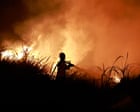
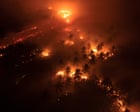
‘The physical toll is visceral’: How Indonesia’s fire haze affects millions - visual guide

Intensified by this year’s super El Niño, fires in Borneo and Sumatra are emitting toxic air for swathes of the population in Indonesia and its neighbours For months, parts of Indonesia’s Borneo and Sumatra islands have been ablaze. The fires are sometimes lit illegally as a cheap way to clear land for plantations of oil palm, of which Indonesia is the world’s largest producer. So prevalent is the technique that it even has a special term: slash and burn. Continue reading...

The GuardianThe GuardianKate Lamb21 Sept

World: Locust Watch: Seasonal precipitation predictions in the Desert Locust summer and winter breeding areas (October 2026–March 2027) (20 September 2026)

Countries: World, Algeria, Chad, Djibouti, Egypt, Eritrea, Ethiopia, India, Iran (Islamic Republic of), Libya, Mali, Mauritania, Morocco, Niger, Oman, Pakistan, Saudi Arabia, Somalia, Sudan, Tunisia, Yemen Source: Food and Agriculture Organization of the United Nations Please refer to the attached file. The dynamical models indicate above-normal rainfall across most of northern and eastern Africa and the Middle East from October through December, consistent with previous strong El Niño episodes. Within this region, drier-than-normal conditions are expected to emerge across North Africa by December, but elsewhere the wet pattern is likely to persist through winter. The only notable change in the forecasts this month is that the predicted wet anomaly is somewhat less pronounced in East Africa, and the forecast has also turned drier for Yemen and Oman, because the positive phase of the Indian Ocean Dipole is struggling to become established, and a less positive IOD favors relatively drier conditions around the northwestern Indian Ocean during El Niño. Nevertheless, the pronounced El Niño forcing will remain the dominant (wet) influence. These rainfall patterns can support breeding in the northern Sahel through late summer breeding season. Small-scale breeding may begin in October along the Red Sea and Gulf of Aden coasts. Precipitation

ReliefWebReliefWebFood and Agriculture Organization of the United Nations21 Sept

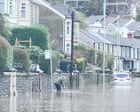
How to flood-proof your home: from water-thirsty plants to deflated footballs

After summer’s heatwaves, prepare for winter of storms and heavy rain, with millions of UK homes at risk of flooding The accelerating climate crisis and this year’s record-breaking El Niño mean that, although the summer’s heatwaves are still fresh in the memory, households in the UK are already being told to prepare for a potentially destructive winter of storms and heavy rain – leaving millions of homes at risk of flooding. Government action is needed to improve flood defences and build reliance on a national and regional level. But with the UK’s flood season just weeks away, the Guardian spoke to experts to find out what action communities and individuals can take to make their neighbourhoods and homes more resilient, from self-closing airbricks to deflated children’s footballs. Continue reading...

The GuardianThe GuardianMatthew Taylor19 Sept

El Salvador: Latin America & The Caribbean Weekly Situation Update as of 18 September 2026

Countries: El Salvador, Colombia, Dominica, Guatemala, Haiti, Honduras, Saint Lucia Source: UN Office for the Coordination of Humanitarian Affairs Please refer to the attached Infographic. KEY FIGURES 500K increase in people in Honduras expected to be food-insecure compared to 2025 137K people assisted across 53 municipalities following 10 August earthquake in Colombia 253K children (6-59 months) in Haiti expected to suffer acute malnutrition through May 2027 CENTRAL AMERICA: DROUGHT Across the Central American Dry Corridor, El Niño-linked drought is damaging crops, straining water supplies and forcing families to buy grain they normally grow. In El Salvador’s La Unión department, rain has stopped for up to 45 days; rural households receive water once or twice weekly. In Honduras, El Triunfo’s municipal government declared an emergency, prepared food rations and sought new water sources. On 16 September, Guatemala announced US$65.5 million in food assistance for 1.2 million families through December, with most deliveries in November and December. Packages would cover 73 per cent of a five-person household’s monthly calorie needs. The World Food Programme expects drought to push at least 500,000 more Hondurans into food insecurity than last year. CARIBBEAN: DROUGHT The Caribbean Institute for Meteorology and Hydrology forecast emergency-level drought in Dominica and Saint Lucia by the end of November, projecting a shift from warning level in both countries. The outlook points to short-term drought in Dominica and long-term drought in Saint Lucia as El Niño threatens to deepen rainfall deficits across the Lesser Antilles. In Dominica, lower soil moisture and river flows could strain farms and water supplies. Saint Lucia depends heavily on surface water for drinking. Rains replenished supplies in May, but shortages in its north had already prompted plans for water truck deliveries. The institute considers emergency level a signal of immediate concern; national authorities decide whether to issue formal drought declarations. COLOMBIA: EARTHQUAKE As of 17 September, Colombia’s 10 August earthquake had affected 486,917 people, up from 466,606 on 4 September, with 335 deaths. The number of homes registered as uninhabitable rose from 73,378 to 104,037, though the registry may still contain duplicates. Across four priority departments, 6,903 people are staying in 105 temporary shelters. In Buenaventura, 13 of 18 active shelters lack basic hygiene and environmental safeguards; limited safe water and poor sanitation raise disease risks. Humanitarian organizations report assisting 137,000 people in 53 municipalities, up from 123,000 in 49 municipalities at the beginning of September. International contributions have reached at least US$47 million. The Government has begun temporary cash payments to registered survivors in Chocó and Valle del Cauca. HAITI: FOOD SECURITY/NUTRITION An analysis led by Haiti’s Ministry of Public Health and Population, with support from UNICEF, FAO, WFP, WHO and nutrition partners, projects acute malnutrition among 253,725 children aged 6–59 months between June 2026 and May 2027, including 93,873 severe cases. Another 25,750 pregnant and breastfeeding women will need nutritional support. Armed violence disrupts access to food and care. From December 2026 to May 2027, 29 of Haiti’s 140 municipalities could face Serious conditions on the IPC acute malnutrition scale, while Cité Soleil and Cabaret could reach Critical, the second-highest phase. The analysis warns that rising needs will put further pressure on nutrition services that many families already struggle to reach.

ReliefWebReliefWebUN Office for the Coordination of Humanitarian Affairs18 Sept

‘Forcing a reckoning’: How Asia is preparing for a ‘supersized’ El Niño

From Sri Lanka to South Korea, governments are preparing for droughts, wildfires, typhoons and floods – with climate plans facing their biggest challenge to date Asian governments are rushing preparations for the most severe El Niño weather event on record, with hundreds of millions of people bracing for multiple crises at once as extreme heat, heavy rain and food shortages hit the region. Fuelled by exceptionally warm ocean conditions across the tropical Pacific – and developing alongside the human-driven climate crisis – El Niño is virtually guaranteed to grow to a very strong intensity towards the end of this year and into 2027. Continue reading...

The GuardianThe GuardianOliver Holmes, Hannah Ellis-Petersen in Delhi, Raphael Rashid in Seoul, Justin McCurry in Tokyo, and Danny Vincent in Hong Kong17 Sept

Food security under pressure from conflicts, extreme weather

Extreme weather and violent conflicts are threatening food production and trade across the globe. Experts are forecasting a super El Niño, which could further disrupt planting and harvests – and push millions more people into acute food insecurity. Meanwhile the ongoing wars with Iran and Ukraine are disrupting shipping and supply chains.  Shawn Arita, Associate Research Professor at North Dakota State University, believes that transport problems outweigh supply concerns. "The food does exist, the availability does exist. The main issue currently speaking is that the movement is broken."

France 24France 24Kate MOODY17 Sept

Planet’s atmosphere breaks record for water vapour levels increasing risk of extreme heat and rainfall

Global heating contributes to record, with a warmer atmosphere able to hold more water, scientists say The planet’s atmosphere held more water vapour in August than any other month on record, further increasing the risk of extreme heat and rainfall around the world, according to Europe’s climate change service. Climate scientists said global heating was a contributor to the record because a warmer atmosphere can hold more water, and the historic El Niño in the Pacific Ocean was also likely pushing water vapour levels up. Continue reading...

The GuardianThe GuardianGraham Readfearn Environment and climate correspondent17 Sept

Mozambique: The Cost of Inaction (August 2026)

Country: Mozambique Source: UN Office for the Coordination of Humanitarian Affairs Please refer to the attached file. Mozambique is facing converging humanitarian pressures as conflict, displacement, climate shocks and public health risks compound existing vulnerabilities. In the north, conflict continues to uproot communities, while families affected by severe floods earlier this year are still struggling to recover. At the same time, emerging El Niño conditions could deepen food insecurity and livelihood losses. For communities already affected by repeated shocks, each new crisis leaves fewer resources to cope and recover. In Cabo Delgado, conflict continues to drive displacement and humanitarian needs. Around 1.38 million people are living with the consequences of displacement—662,000 remain displaced while 722,000 have returned . Behind these figures are families repeatedly forced from their homes, children whose education has been disrupted, and communities whose livelihoods and access to basic services have been shattered. For many, returning home is not a return to normal: insecurity, damaged homes, lost livelihoods and disrupted services continue to shape daily life. Violence is showing no sign of abating . In the first six months of 2026, more than 400 conflict incidents were recorded—10 per cent more than during the same period in 2025. These have included killings, abductions, destruction of homes and looting, with abduction increasingly being used systematically for ransom and forced recruitment, including of children. Civilians are the target of this violence, not its collateral. Displacement has become a key protective strategy, with many people forced to flee more than once, while insecurity is expanding into districts with little previous exposure to conflict and limited protection capacity. Prolonged insecurity and repeated displacement are eroding family and community protection mechanisms, increasing the risks of family separation, recruitment and use of children by armed groups, abduction, gender-based violence, child marriage, sexual exploitation and abuse (SEA), and other harmful coping strategies. As families struggle to meet basic needs and access assistance, women, girls, children and other vulnerable groups face heightened risks of exploitation. At the same time, shrinking humanitarian resources are limiting community-based reporting, survivor assistance and accountability mechanisms. As the conflict reaches new areas and protection systems are stretched, the likelihood of further displacement and worsening protection risks is growing. Meanwhile, families affected by the floods earlier this year are still struggling to rebuild. More than 724,000 people were affected countrywide, with over 100,000 displaced at the peak of the emergency. Months later, many households are still struggling to rebuild homes, restore agricultural production and replace lost assets. Emerging El Niño conditions threaten to compound these losses, with below-average rainfall and drought risks expected in parts of the south and centre, while northern areas remain exposed to flooding and cyclones. For families who have not yet recovered, another shock could be devastating. Public health risks add another layer of vulnerability . Since September 2025, Mozambique has recorded more than 9,500 cholera cases and 89 deaths in the ongoing outbreak, underscoring persistent gaps in water, sanitation and health services. Acute malnutrition is also a critical concern: an estimated 114,000 children under five and more than 23,000 pregnant and breastfeeding women are expected to require treatment in 2026. When conflict, disease, hunger, and climate shocks converge, the consequences are measured not only in immediate needs, but in lives and futures permanently altered. Yet the resources available to respond remain far below what is needed . As of August 2026, the HNRP —requiring US$534 million—was 43 per cent funded, with approximately US$227 million received. Logistics, Education and Nutrition were among the least-funded sectors, at 9, 13 and 17 per cent, respectively. In some of the most food-insecure districts, food assistance has been reduced to once every two months, covering only 39 per cent of minimum caloric requirements. For communities already living on the edge with insufficient livelihood support to restore self-reliance, funding gaps are not abstract—they mean fewer meals, fewer services and fewer chances to recover before the next shock arrives.

ReliefWebReliefWebUN Office for the Coordination of Humanitarian Affairs17 Sept

Somalia: GREDO El-niño Preparedness and Response Plan 2026 Deyr season | October–December 2026

Country: Somalia Source: Gargaar Relief & Development Organization Please refer to the attached file. Climate forecasting agencies indicate that El Niño conditions are either developing or strengthening in the Pacific Ocean and are expected to persist through the coming seasons, increasing the likelihood of significant climatic impacts across the Horn of Africa. According to the U.S. National Oceanic and Atmospheric Administration (NOAA), the July 2026 ENSO forecast assigns a 97-100% probability of El Niño conditions persisting through late 2026 and early 2027, with a high likelihood of further intensification. For Somalia, El Niño is historically associated with above-average rainfall, riverine flooding along the Shabelle and Juba Rivers, flash floods in urban and rural settlements, infrastructure damage, disease outbreaks, and new displacement. IDP sites are particularly at risk as many of them are located in flood-prone areas and rely on poor infrastructures conditions. In that context, managing 214 IDPs sites across Banadir, Jubaland, Southwest State and Laas Caanood, this document summarizes Acted and its local partners IHADS, Gredo and SADO key preparedness initiatives and coordinated response capacity.

ReliefWebReliefWebGargaar Relief & Development Organization17 Sept

Somalia: El Niño rains flood Mogadishu, disrupting health clinic operations | The IRC

Country: Somalia Source: International Rescue Committee Mogadishu, Somalia, September 17, 2026 — Heavy rainfall linked to the El Niño weather pattern has resulted in flooding in parts of Mogadishu, Somalia, and the International Rescue Committee (IRC)-supported Ariif Health Centre has already been affected. IRC health teams are on the ground now assessing the damage to the facility, staff resources, and its ability to keep serving patients. A super El Niño is expected to impact Somalia, with forecasters now putting the chance of above-normal rainfall across central and southern Somalia at more than 90%, with a chance that parts of the country could see more than 400 millimetres between October and December. If heavy rains continue and the Shabelle and Juba rivers break their banks, flash flooding could devastate dozens of towns and villages across the river. The last time these conditions came together, in 2023, floods displaced 1.2 million people. Somalia's rainy season typically peaks in October, and the IRC is closely tracking the river through the rest of the month. Any further flooding would strain a health system already stretched thin, where access to care is limited and resources to respond to a new emergency are scarce. "We are deeply alarmed to already be seeing the intensity of the impact of El Niño in Mogadishu," said Richard Crothers, IRC Somalia Country Director. "This week’s heavy rain has disrupted operations at the Ariif Health Centre, a facility local families depend on for essential care, and communities here have little room left to absorb another shock." Ahead of this year's rains, the IRC worked with communities, local partners and Somalia's disaster management agency (SoDMA) to get ahead of the flooding before it hits. Teams have identified families most at risk of being affected in order to support them through cash assistance so they can buy food, access clean water, and protect livestock instead of selling off assets or pulling children from school. The IRC has also trained SoDMA and local partners on how to forecast floods so river levels on the Shabelle and Juba are being watched closely as the season builds.. "In Beledweyne, where the Shabelle river bursts its banks again and again, the IRC and its partners are ready to transfer $190 to 1,100 households in the most exposed areas. These funds will be released the moment the river reaches agreed upon levels. Before the rains started, IRC supported communities through cash assistance, early warnings, and supplies to families and health facilities before the worst hits," Crothers said. "We need donors to fund the emergency response, while there is still time to act, so we can protect health and other critical services and the people who rely on them."

ReliefWebReliefWebInternational Rescue Committee17 Sept
R

Private sector steps up to help communities get ahead of El Niño | World Food Programme

Country: World Source: World Food Programme The Novo Nordisk Foundation has committed USD 7.75 million to protect lives and livelihoods ahead of forecasted weather emergencies and disasters. ROME, Italy – The United Nations World Food Programme (WFP) welcomes a new USD 7.75 million contribution from the Novo Nordisk Foundation to scale up actions ahead of forecasted weather shocks, including the potential impact of El Niño. This is the largest ever private sector investment in WFP anticipatory action and will help vulnerable communities protect lives, preserve livelihoods and better ensure food security before a predicted crisis hits. The support comes as forecasts indicate the current El Niño could be among the strongest ever recorded. WFP’s own analysis projects that its effects could push 49 million people into acute food insecurity by the end of 2027. WFP will be able to direct this new funding flexibly across 22 countries facing the highest risk of weather-related emergencies. Depending on specific forecasts and operational needs, the support may include providing anticipatory cash transfers to communities at risk, as well as lending WFP’s expertise in early warning systems and predictive analytics to countries in need. “Scientific innovations, including advances in data and forecasting, are creating new opportunities to act before crises escalate,” said Rikke Johannessen, Director of Global Development at the Novo Nordisk Foundation. “Where shocks can be anticipated with sufficient confidence, acting in advance can reduce the scale and severity of humanitarian needs, and enable a more effective, cost-efficient and dignified response for people most at risk.” “This is a powerful signal on how the private sector drives a new generation of humanitarian action,” said Rania Dagash-Kamara, WFP Assistant Executive Director for Partnerships and Innovation. “It acts on early warning and equips communities to withstand climate shocks before they become emergencies. Thank you, Novo Nordisk Foundation.” Together, WFP and the Novo Nordisk Foundation will promote the FAO-WFP Joint Anticipatory Action Appeal , which seeks to protect 8.8 million people across 22 high-risk countries. This contribution builds on a partnership that since 2022 has supported emergency response and home-grown school feeding programmes. For partners interested in supporting anticipatory action, WFP is seeking investments to: Expand anticipatory cash assistance for communities facing forecast climate shocks. Strengthen early warning systems and predictive analytics in high-risk countries. Support coordinated action through the FAO-WFP Joint Anticipatory Action Appeal. Increase the resilience of vulnerable populations facing recurrent climate risks. The announcement comes ahead of the UN General Assembly and New York Climate Week, highlighting the role that philanthropy, governments, the private sector and humanitarian organizations can play in shifting from responding to crises to anticipating and preventing their worst impacts. # # # The United Nations World Food Programme is the world’s largest humanitarian organization saving lives in emergencies and using food assistance to build a pathway to peace, stability and prosperity for people recovering from conflict, disasters and the impact of climate change. Follow us on X, formerly Twitter, via @wfp Italy Disaster risk reduction & anticipatory actions Funding Climate For more information please contact (email address: firstname.lastname@wfp.org): Julian Miglierini, WFP/ Rome, Mob. +39 348 2316793 Katharina Weltecke, WFP/Rome, Mob. +39 3479295220 Nina McCarthy Hartman, WFP/Copenhagen, +45 51 89 19 62 Nicola Kelly, WFP/ London, Mob. +44 (0)796 8008 474Martin Rentsch, WFP/Berlin, Mob +49 160 99 26 17 30 Rene McGuffin, WFP/ Washington Mob. +1 771 245 4268

ReliefWebReliefWebWorld Food Programme17 Sept