Ghana

Place · 59 articles
Share

All coverage

page 1 of 3

Cameroon: UNHCR RBWCA - Forcibly Displaced and Stateless Persons Presence - August 2026

Countries: Cameroon, Benin, Burkina Faso, Cabo Verde, Central African Republic, Chad, Congo, Côte d'Ivoire, Democratic Republic of the Congo, Equatorial Guinea, Gabon, Gambia, Ghana, Guinea, Guinea-Bissau, Liberia, Mali, Nigeria, Sao Tome and Principe, Senegal, Sierra Leone, Togo Source: UN High Commissioner for Refugees Please refer to the attached Map.

ReliefWebReliefWebUN High Commissioner for Refugees9h ago
  • neutral toward UNHCR · 99%

Congo: UNICEF West and Central Africa Region Humanitarian Situation Report No. 1, 30 June 2026

Countries: Congo, Benin, Burkina Faso, Cameroon, Central African Republic, Chad, Côte d'Ivoire, Democratic Republic of the Congo, Equatorial Guinea, Gabon, Gambia, Ghana, Guinea, Guinea-Bissau, Liberia, Mali, Mauritania, Niger, Sao Tome and Principe, Senegal, Sierra Leone, Togo Source: UN Children's Fund Please refer to the attached file. Highlights The first half of 2026 was marked by multiple public health emergencies across West and Central Africa (WCA), including mpox, cholera, measles, polio, yellow fever and Lassa fever. Cholera resurged in the Republic of Congo, mpox spread across several countries, and the Ebola outbreak in the Democratic Republic of the Congo triggered heightened preparedness, surveillance and cross-border coordination. Persistent insecurity in Burkina Faso, Mali and Niger continued to drive large-scale displacement, with nearly 575,000 refugees, asylum seekers and internally displaced persons hosted in neighboring and coastal countries by mid-2026. UNICEF humanitarian interventions admitted 15,000 children aged 6–59 months with severe wasting, provided supplemental measles vaccination to 187,192 children, safe water to 115,800 people, and enabled 131,100 children to access education. UNICEF's 2026 Humanitarian Action for Children (HAC) appeal for WCA remains only 31 per cent funded, with US$28.2 million available against requirements of US$92.6 million, limiting life-saving assistance across the region.

ReliefWebReliefWebUN Children's Fund17 Sept

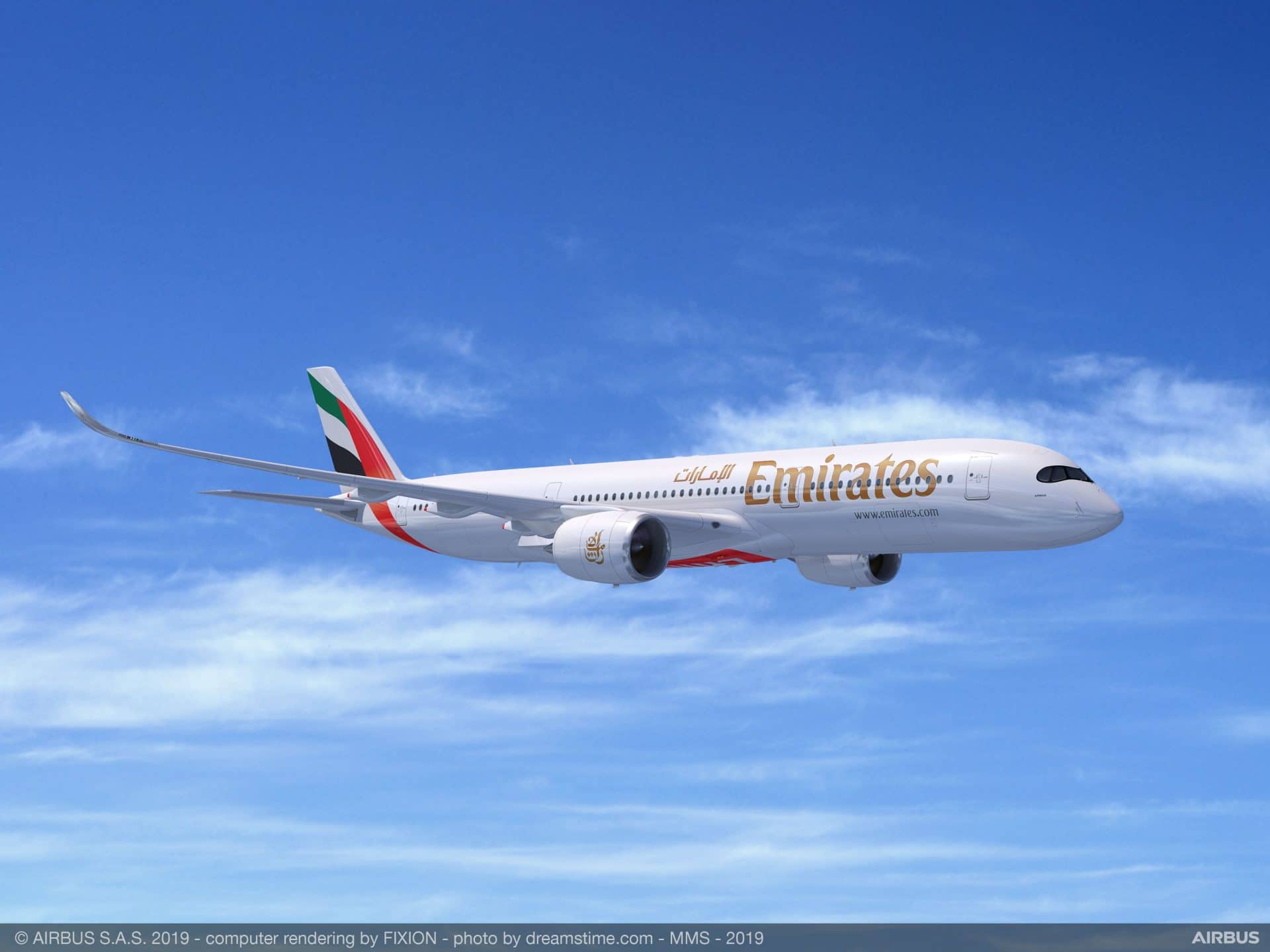
Emirates enters winter with strong demand as fleet and network expansion accelerates

Emirates carried more than 8.6 million passengers during July and August 2026, performing above expectations and maintaining load factors above 75% across several regions. The airline is operating at approximately 93% of its pre-disruption capacity and reports encouraging winter bookings, particularly from South Africa, Brazil, India, Portugal, Egypt, Ghana, Colombia, Saudi Arabia and Pakistan. Inbound […]

Aviation24.beAviation24.beAndré Orban14 Sept

‘She changed the beauty industry’: how Charlotte Mensah brought black hair into the spotlight

A new exhibition in London celebrates the influential hairstylist whose clients include Janelle Monáe and Zadie Smith. She explains her story – and why she’s on a mission to ensure stylists are trained to work with all hair types When Charlotte Mensah was a young child growing up in Accra, Ghana in the 1970s, she would spend hours watching her aunties having their hair intricately threaded, an ancient African technique where hair is wrapped tightly using yarn or thread. She didn’t know then that she would go on to become one of the most influential hairdressers in the UK. Renowned for championing natural black hair textures in mainstream culture, she has worked as hairstylist to singers Janelle Monáe and Erykah Badu, and the writer Zadie Smith. According to Smith, in an essay she penned about Mensah’s magic earlier this year: “Charlotte can make a great mane of braids appear where previously there were only split ends and hair loss.” Continue reading...

The GuardianThe GuardianSinéad Campbell11 Sept

Moringa lattes and tigernut kebabs: the Ghanaians ‘taking back the power’ of their food

In Ghana, a grassroots movement is championing nutritious, homegrown, climate-resilient produce, rather than western imports After three years at catering school in Accra, Abiro Wisdom was certain of one thing – he did not want to go into catering. At least not the route that he might be expected to take. His course had prepared students for working in international hotels, focusing on French, Italian and Mexican cuisine. The nutritious, homegrown food that Wisdom had eaten while growing up in Bolgatanga, northern Ghana, did not feature at all. “I didn’t see myself there,” he says of the big chain hotels. “I felt I wouldn’t be myself working there – I wouldn’t be able to talk about the food from where I come from.” Continue reading...

The GuardianThe GuardianKaamil Ahmed26 Aug