US Senate bans prediction market trading by Senators, staff
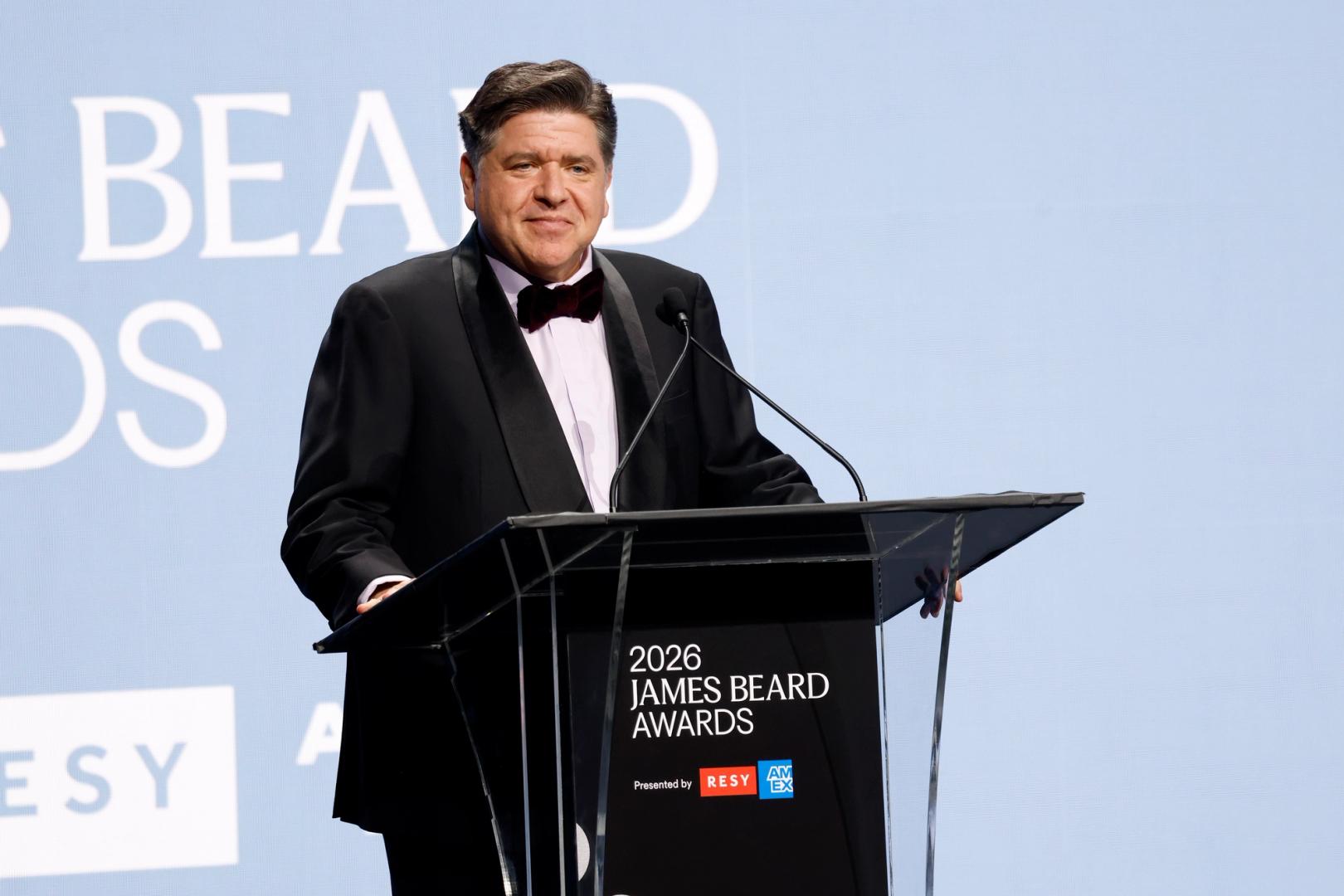
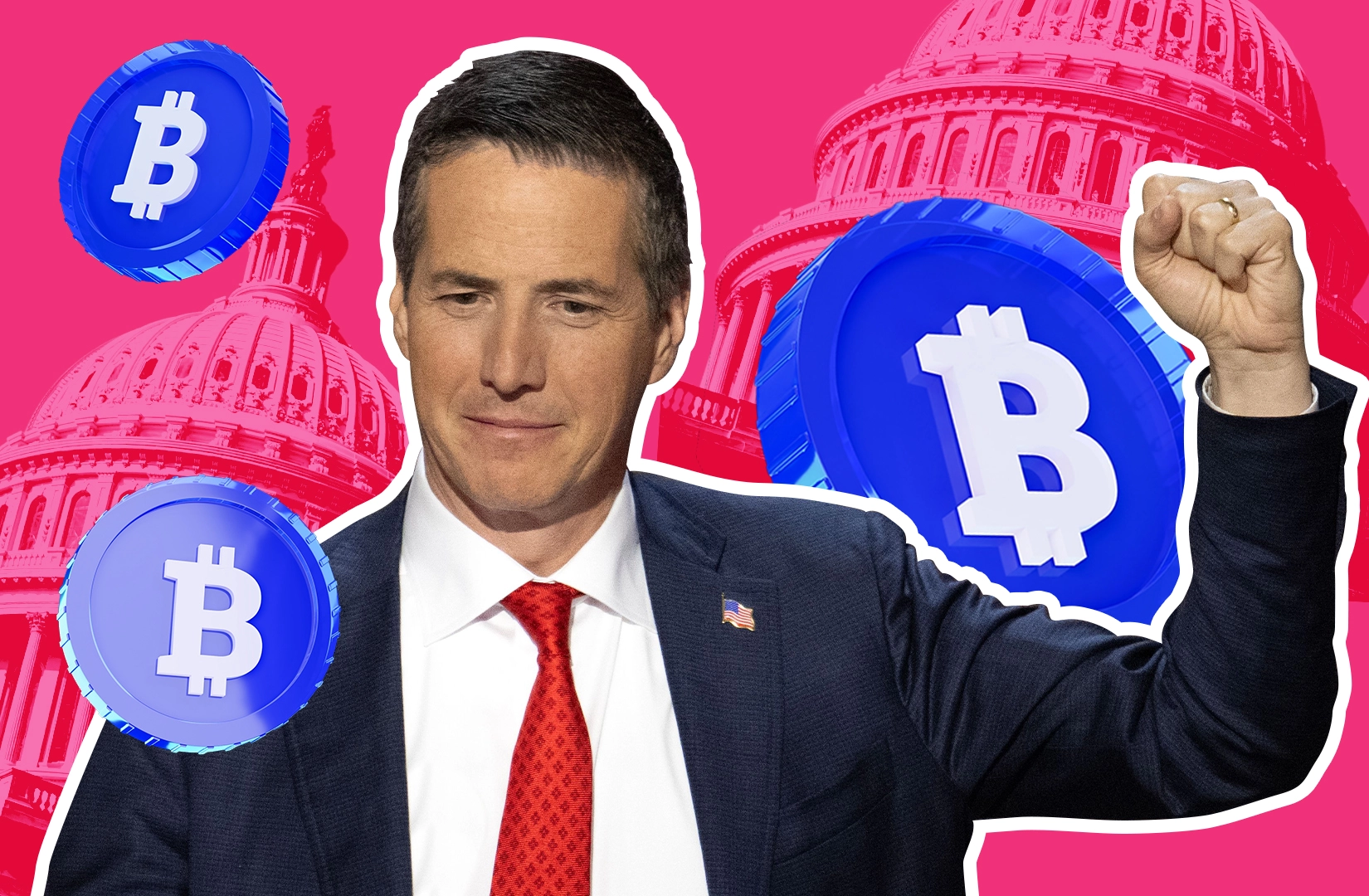
The US Senate voted unanimously to ban prediction market trading among Senators and their staffers on Thursday. The Senate joined several other organisations that have banned employees from trading on the platforms to avoid conflicts of interest. Last week, Illinois Governor JB Pritzker banned state employees from using insider information to bet on prediction markets. A day earlier, National Public Radio issued a similar directive to its editorial employees. "Serving in Congress is an honor, not a side hustle," Senator Bernie Moreno, a Republican from Ohio and the bill's sponsor, said in a statement on X. "Americans deserve to know that their leaders are here for the right reason!" The resolution approved by senators on Thursday changes the chamber's rules, and violations are policed by its members. It does not have the force of law, and it does not need to be approved by the House of Representatives or signed by the president. The resolution comes as bills to regulate prediction markets flood Congress. Ritchie Torres, a New York Representative, presented the Public Integrity in Financial Prediction Markets Act of 2026 in January to block federal officials from trading on prediction markets. In March, Democratic senators Jeff Merkley and Amy Klobuchar filed a bill to formally prohibit senior members of the executive branch from trading on prediction markets. A bipartisan bill from Representatives Blake Moore of Utah and Salud Carbajal of California aims to rein in insider trading involving sensitive military secrets and democratic processes. Other bills seek to ban prediction markets' ability to offer sports betting or bets that reference terrorism, assassination, war or the death of an individual. Lawmakers began to scrutinise prediction markets after anonymous bettors began making successful, lucrative trades just moments before major announcements, raising suspicion that insiders were profiting off nonpublic information. Last week, the US Department of Justice charged someone with doing just that. Prosecutors alleged US Army Special Forces Master Sergeant Gannon Ken Van Dyke used knowledge of the ouster of Venezuelan President Nicolás Maduro to profit from several markets on Polymarket. Van Dyke, 38, was involved in planning and executing Maduro’s removal, known as Operation Absolute Resolve. He allegedly made more than $404,000 in illicit profits, according to a separate, civil complaint from the Commodity Futures Trading Commission. Earlier this month, US Senator Richard Blumenthal accused Polymarket of letting users profit off of national security secrets and slammed it for opening a market that let users bet on the rescue of a US soldier stranded in Iran. “Polymarket operates in full compliance with applicable law, and our insider trading rules are the exact lines that the CFTC and courts draw for derivatives markets,” Olivia Chalos, Polymarket’s deputy chief legal officer, wrote in response on X. She added that the platform shares Blumenthal’s “commitment to national security and market integrity.” Aleks Gilbert is DL News ’ New York-based DeFi Correspondent. Reach out to him with tips at aleks@dlnews.com .
 DLNews•Aleks Gilbert30 Apr
 The Block•Daniel Kuhn17 Jun