
IMF warns of ongoing energy market strains amid Middle East tensions
Geopolitical tensions may hinder global economic growth by exacerbating energy market volatility and inflationary pressures.
 CryptoBriefing•Estefano Gomez8 Jul
Geopolitical tensions may hinder global economic growth by exacerbating energy market volatility and inflationary pressures.
CryptoBriefing•Estefano Gomez8 Jul
The IMF's warning may prompt central banks to adjust monetary policies, potentially impacting global financial stability and market dynamics.
CryptoBriefing•Estefano Gomez8 Jul
The IMF's revised outlook suggests increased confidence in geopolitical stability, potentially influencing future monetary policy and market dynamics.
CryptoBriefing•Estefano Gomez8 Jul
Economic uncertainty in Europe due to geopolitical tensions may dampen growth, affecting financial markets and cryptocurrency valuations.
CryptoBriefing•Estefano Gomez8 Jul
AI's economic contributions may stabilize global growth, influencing monetary policy and reducing the likelihood of significant rate cuts.
CryptoBriefing•Estefano Gomez8 Jul
Rising inflation risks could lead central banks to tighten policies, potentially slowing global economic growth and impacting markets.
CryptoBriefing•Estefano Gomez8 Jul
Rising inflation and geopolitical tensions could destabilize global economies, impacting emerging markets and driving shifts in investment strategies.
CryptoBriefing•Editorial Team8 Jul
Tenreyro's appointment may influence global economic policies, particularly in shaping crypto regulations and addressing monetary sovereignty challenges.
CryptoBriefing•Editorial Team7 Jul
The IMF's advice to New Zealand may signal a global shift towards tighter monetary policies, influencing central banks worldwide.
CryptoBriefing•Estefano Gomez30 Jun
Expanding IMF capacity could stabilize global markets but may also exacerbate wealth disparities, impacting economic equity and geopolitical dynamics.
CryptoBriefing•Editorial Team30 Jun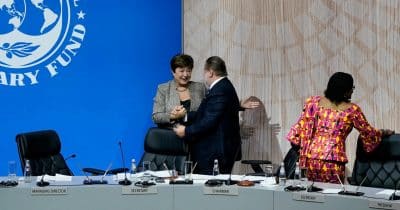
Egypt's IMF deal eases immediate financial strain, but sustained reforms are crucial for long-term economic stability and investor confidence.
CryptoBriefing•Editorial Team29 Jun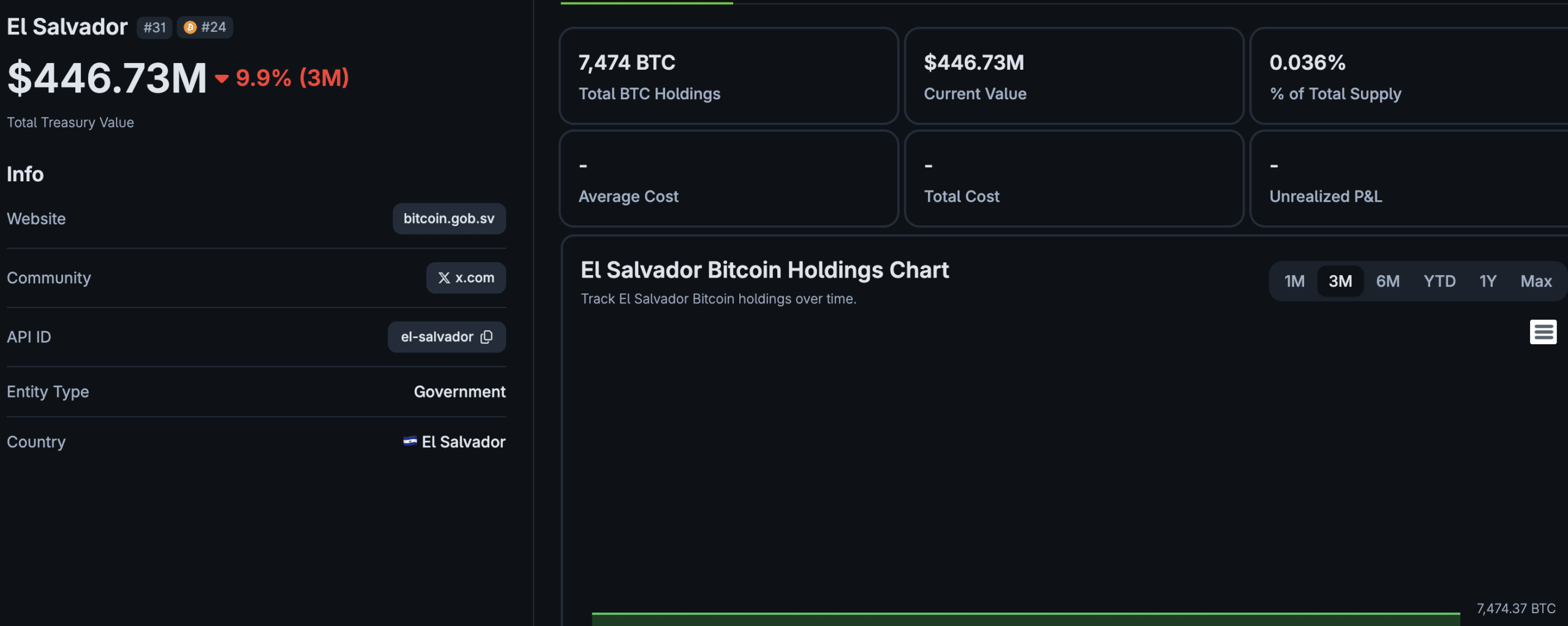
El Salvador holds 7,696 BTC worth $460M, but its IMF zero-ceiling rule puts sovereign Bitcoin accumulation under serious scrutiny at the next review.
 99Bitcoins•Alex Ioannou29 Jun
El Salvador holds 7,696 BTC worth ~$460M, but IMF loan conditions ban new public-sector purchases — putting Bukele's accumulation strategy under pressure.

Tokenization's efficiency gains may lead to increased centralization and regulatory challenges, potentially heightening systemic financial risks.
CryptoBriefing•Editorial Team29 Jun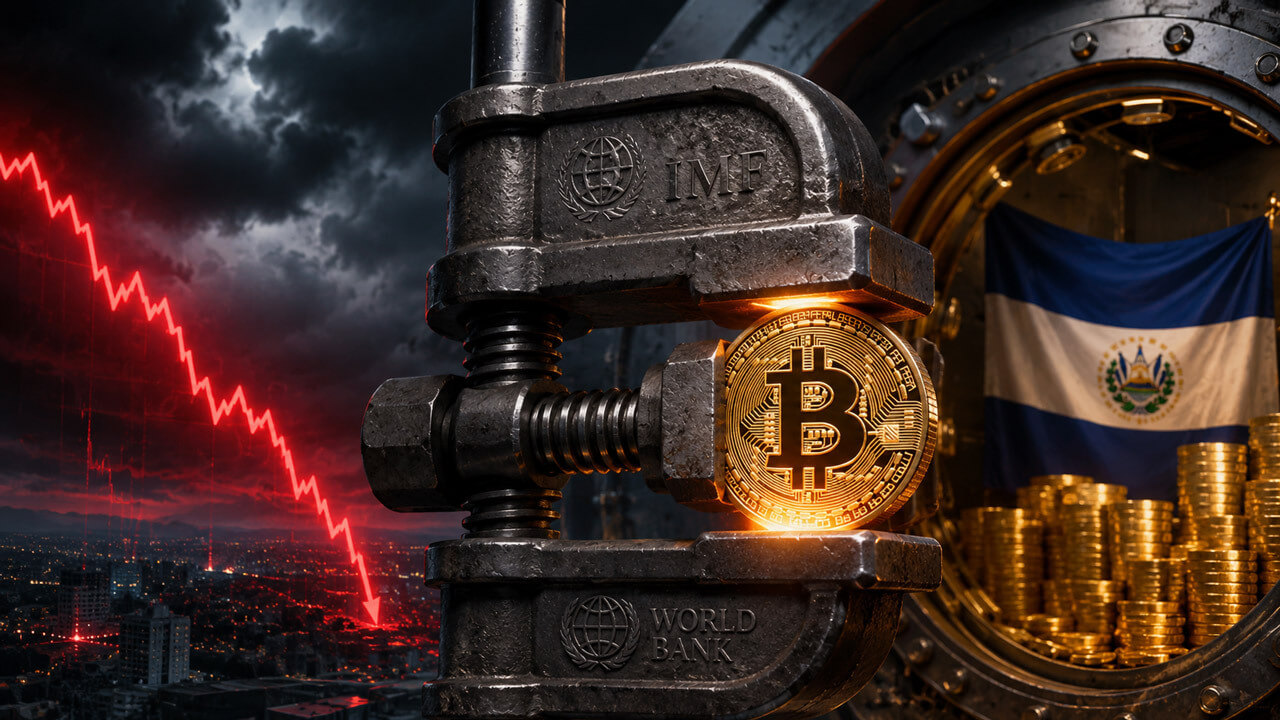
Its 7,696 BTC reserve now has to remain legible through a drawdown, wallet scrutiny, and program conditions.
 CryptoSlate•Liam 'Akiba' Wright29 Jun
Bolivia's shift to a flexible exchange rate may stabilize the economy but could also lead to tighter fiscal policies under IMF guidance.
CryptoBriefing•Editorial Team27 Jun
Escalating trade tensions risk destabilizing global markets, potentially stifling growth and increasing economic uncertainty worldwide.
CryptoBriefing•Editorial Team26 Jun
The Fed's shift to less explicit guidance may enhance policy flexibility but requires careful signaling to maintain market stability.
CryptoBriefing•Editorial Team26 JunFormer International Monetary Fund (IMF) economist and prominent macro trader Mark Dow has resurfaced to weigh in on the latest crypto market downturn.
 U.Today•Alex Dovbnya25 Jun
Switzerland's capital plan for UBS, praised by the IMF, highlights the need for robust financial safeguards to mitigate systemic risks.
CryptoBriefing•Editorial Team25 Jun