El Nino threatens Asia with drought, higher global food prices
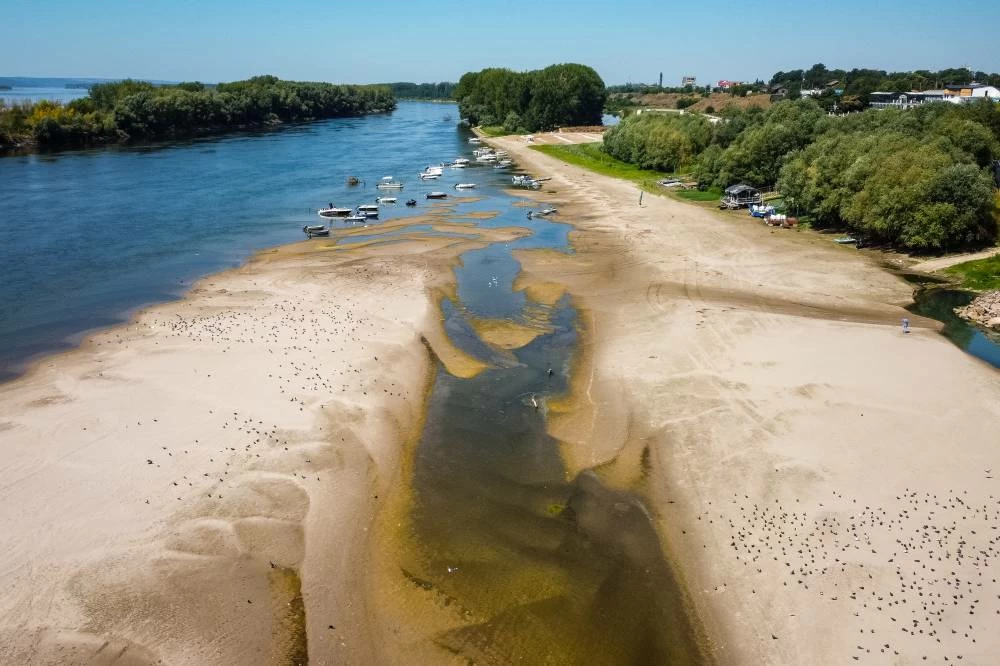
BANTEN, Indonesia : All signs are pointing toward a record-breaking El Nino this year, which experts say may cause severe drought in Asia and other extreme weather across the world, threatening food security for millions of people. El Nino is part of a natural climate cycle of warming ocean temperatures, but this year’s is expected to reach new extremes of drought, heat waves, flooding and other climate-related disruptions in South America, Africa and Asia. Southeast Asia is one of the world's most climate vulnerable regions. It's already beset by an energy crisis triggered by the war in Iran. El Nino is already fueling wildfires across farmland, depleting water supplies for major cities and hurting fish catches in the region. Asian governments that have been drawing on their financial reserves to mitigate the war's ripple effects of higher energy costs and scarce fertilizer supplies have less capacity to cope with this year's intensifying El Nino, which is forecast to peak in December. The phenomenon may amplify other crises in Southeast Asia, according to Paul Teng, with Singapore’s ISEAS-Yusof Ishak Institute, who said, "El Nino is only compounding all the other problems that we see.” During El Nino years, sea surface temperatures in the Pacific Ocean are warmer than usual. This happens every few years and often alters global weather patterns. This year, the seas already are hotter than average, with global oceans hitting new temperature records in August as the climate warms, said Kareff Rafisura, chief of the Disaster Risk Reduction Division at the U.N. Economic and Social Commission for Asia and the Pacific. This intensifying El Nino may be the "strongest in living memory,” according to the United Kingdom’s national weather and climate service. Similarly, the U.S.' National Oceanic and Atmospheric Administration said there is a 69% chance that this will be the strongest recorded El Nino since record-keeping began in 1950. El Nino's impact will be felt differently across regions, but it is expected to jeopardize food security worldwide. It could push at least 49 million more people into acute food insecurity by the end of 2027, according to the United Nations’ World Food Program. The problem will be worst in parts of Central America and southern Africa, with significant effects also anticipated in eastern Africa and South and Southeast Asia, warned the food agency. In Southeast Asia, wildfires are torching forests and peatlands in Indonesia, sending up plumes of toxic haze. The water level of a major reservoir supplying the bustling capital city of Jakarta - the world's biggest metropolis - is dropping inch by inch. As the lake dries, the ruins of one of 11 villages that had been inundated by the reservoir have emerged, as alarm grows over the need for alternative water supplies for the city of 42 million. "I would have rather not moved. There were plenty of livelihood opportunities here,” said Hussen, who only uses one name, as he ferried people across the receding reservoir. This is just the beginning, said Erma Yulihastin with Indonesia's Research Center for Climate and Atmosphere, who warned El Nino has only just begun its "super phase.” Less rainfall and hotter temperatures are putting pressure on Southeast Asia's fisheries, an essential source of protein. It's a pressing problem along the Mekong, a river basin that flows through six nations and is being disrupted by mining and construction of hydropower dams. "It’s one punch after another,” said Zeb Hogan, with the University of Nevada, Reno, who runs the research and conservation project, Wonders of the Mekong. "If the river doesn’t catch a break, we will reach a point where it’s no longer going to sustain people in the way that it always has.” Lower flows are especially hard on communities along the Mekong that depend on predictable water levels for fishing and farming, said Kongmeng Ly, with the Mekong River Commission, an intergovernmental group for Cambodia, Laos, Thailand and Vietnam. Southeast Asia's wet season generally runs from June to October, when rains usually replenish reservoirs, cool overheated cities and supply water for irrigation ahead of the next planting season. Drought may force farmers to delay planting, reduce acreage or switch crops entirely, said Rafisura, with the U.N. "Agriculture is definitely on the front line,” she said. Cutbacks in staple crops like rice and palm oil can have global impacts. The world's top three exporters of rice - India, Vietnam and Thailand - are among the nations most likely to be hit hard by El Nino this year. North of the Thai capital Bangkok, rice farmers like 55-year-old Boonmark Marksuuk are already facing tough choices. Apart from pricier fuel and fertilizer because of the war, he's spending most of his days pumping water into his rice fields because he no longer trusts the rain. El Nino is also bearing down on Indonesia and Malaysia, suppliers of about 85% of the world’s palm oil, which is used in everything from cookies and lipstick to toothpaste and laundry detergent. Malaysia’s prime minister has ordered its Ministry of Agriculture and Food Security to find ways to mitigate El Nino’s impact, which is forecast to hit Malaysia hardest in November. In Indonesia, farmers rely on rain to dissolve fertilizers into the soil to avoid burning the plants, explained Eddy Martono, chairman of the Indonesian Palm Oil Association. "If it doesn’t rain, everyone will definitely stop fertilizing,” which will hurt national production, he said. While the total economic fallout of an extreme El Nino is hard to calculate, losses from past events have reached trillions of dollars, according to HSBC’s Global Investment Research, which warns the numbers could be even bigger this time. Analysts at the investment bank Goldman Sachs estimate this El Nino could push global food commodity prices up more than 15%. "Whatever happens to agriculture really determines whether people stay below or just slightly above the poverty line,” Rafisura said. "Coming back to Southeast Asia, whatever happens here, the extent to which countries can protect production levels, will have global impacts.”
MBMobile Business•Associated Press22 Sept