
Satellite image shows critical Saudi pipeline damaged in drone attack
Saudi Arabia has shut its East-West oil pipeline after a drone attack. Riyadh says the attack originated in Iraq.
 Al Jazeera12 Sept
Saudi Arabia has shut its East-West oil pipeline after a drone attack. Riyadh says the attack originated in Iraq.
Al Jazeera12 Sept
Ambassador Zalmay Khalilzad describes misgivings about the US handling of the Afghanistan and Iraq wars.
Al Jazeera12 Sept
Iraq condemns the attack, says Prime Minister Ali al-Zaidi orders an investigation into those responsible.
Al Jazeera11 Sept
US defense secretary Pete Hegseth delivered remarks at a ceremony at the Pentagon on Friday on the 25th anniversary of the September 11 attacks. Hegseth used his speech to turn to the ongoing conflict in Iran and sought to connect it to the 2001 attacks on America. ““Our warriors have fought an Islamic theocracy that has wished us death for nearly half a century, that cheered on 9/11, a regime that has sponsored terrorist attacks against Americans for decades, killing thousands, including our comrades in Iraq, in Afghanistan," he said.

Iraq's reliance on the Strait of Hormuz highlights the geopolitical risks impacting global oil markets and the need for strategic diversification.
 CryptoBriefing•Editorial Team10 Sept
Countries: Lebanon, Afghanistan, Armenia, Azerbaijan, Iran (Islamic Republic of), Iraq, Pakistan, Syrian Arab Republic, Türkiye, Turkmenistan Source: International Organization for Migration Please refer to the attached file. On 17 June 2026, the United States of America and the Islamic Republic of Iran reached an agreement on a Memorandum of Understanding (MOU) concerning the cessation of hostilities. The escalation in the Middle East and beyond had triggered a humanitarian crisis affecting multiple regions in an already fragile context. A resurgence of hostilities in recent weeks are placing pressure on humanitarian access and threatens civilian and essential services. Mobility dynamics across the region and beyond due to renewed escalation remains uncertain. The situation continues to be highly fragile, requiring sustained monitoring and operational preparedness. In the Islamic Republic of Iran, some families have begun returning to their homes amid signs of de-escalation. However, thousands continue to shelter in hotels due to damage to housing and civilian infrastructure. As of 01 June, approximately 9,000 individuals remain displaced, unable to return to their homes due to the extent of the damage. Overall, population movements remain localized, temporary, and economically driven, with no signs of mass displacement. In Lebanon, displacement nationwide remains significant despite continuing returns. As of 01 September 2026, 329,240 people remain internally displaced across 628 cadasters, a 5.6 per cent decrease compared to the previous reporting period (as of 19 August 2026). Of the total IDPs in Lebanon, 21,758 individuals remained displaced in 218 collective shelters. Returns have continued, with 856,316 returned IDPs reported as of 19 August 2026, marking a 4.7 per cent increase from the previous round (as of 12 August 2026). Humanitarian and protection needs remain acute, driven by the destruction of homes and services, prolonged displacement, explosive ordnance risks, protection concerns, and declining coping capacities. Meanwhile, cross-border flows into the Syrian Arab Republic are continuing, with a total of 761,319 movements recorded as of 07 September 2026. IOM’s Displacement Tracking Matrix (DTM) is on the ground, actively tracking displacement and cross border mobility while scaling operations in coordination with local authorities and partners to better understand how the crisis is impacting human mobility in the region.
 ReliefWeb•International Organization for Migration10 Sept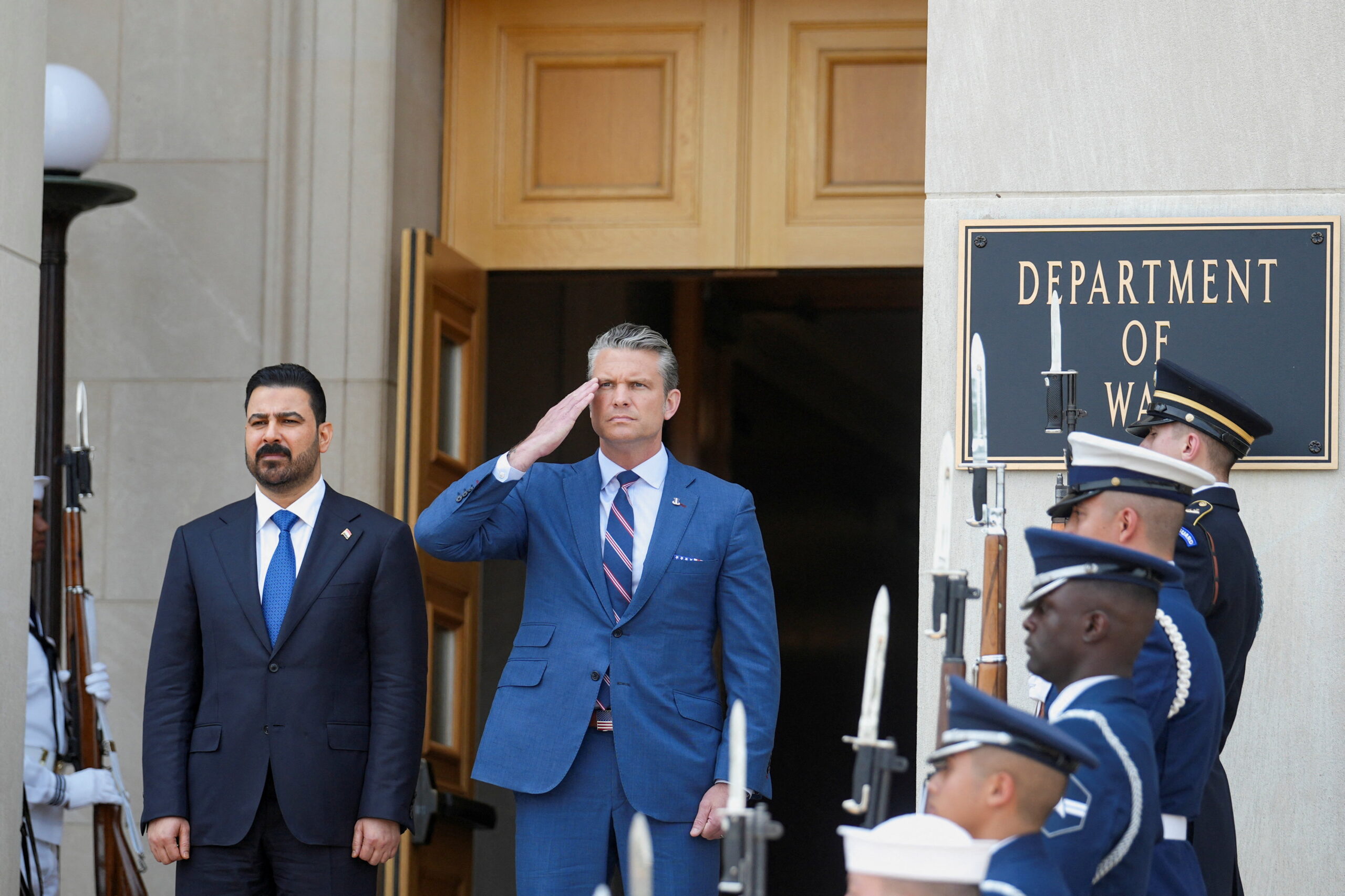
Atlantic Council experts unpack what the US withdrawal from Iraq means for the Middle East and beyond.
 Atlantic Council•Atlantic Council experts9 Sept
Iraq's push for higher oil quotas could reshape OPEC+ dynamics, impacting global oil markets and investment returns for major oil firms.
CryptoBriefing•Editorial Team9 Sept
Iran has maintained its campaign against Kurdish Iranian opposition groups in the Kurdistan Region of northern Iraq, carrying out another drone strike on September 2 amid a US military withdrawal. The latest attack underscores the growing security challenges facing the Kurdistan Region as Iran intensifies pressure on Kurdish dissidents, and Iraq has yet to disarm Iran-backed militias.

The U.S. Department of State has made a determination approving a possible Foreign Military Sale to the Government of Iraq to buy to buy Bell 412EPX helicopters, Bell 407M helicopters and related equipment. The estimated total cost is $800 million. The Government of Iraq has requested to buy Bell 412EPX helicopters; Bell 407M helicopters; GAU-19 three-barrel machine gun launchers; M260 2.75-inch, 7-tube rockets; L-3 Wescam MX-15HDI
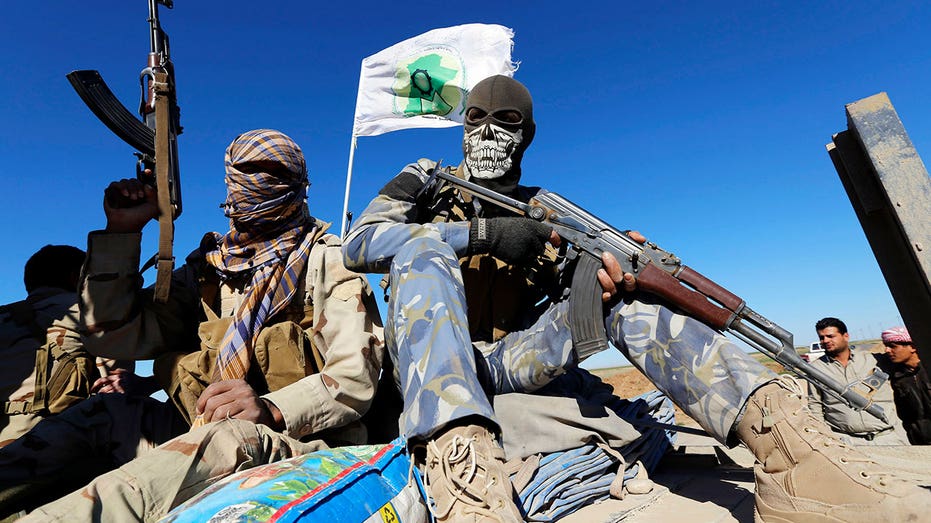
Iraqi Prime Minister Ali al-Zaidi vowed to restrict weapons to state control, but militias like Asaib Ahl al-Haq show no credible disarmament evidence.

The US troop withdrawal from Iraq may shift regional power dynamics, impacting security and economic opportunities in the Middle East.
CryptoBriefing•Editorial Team6 Sept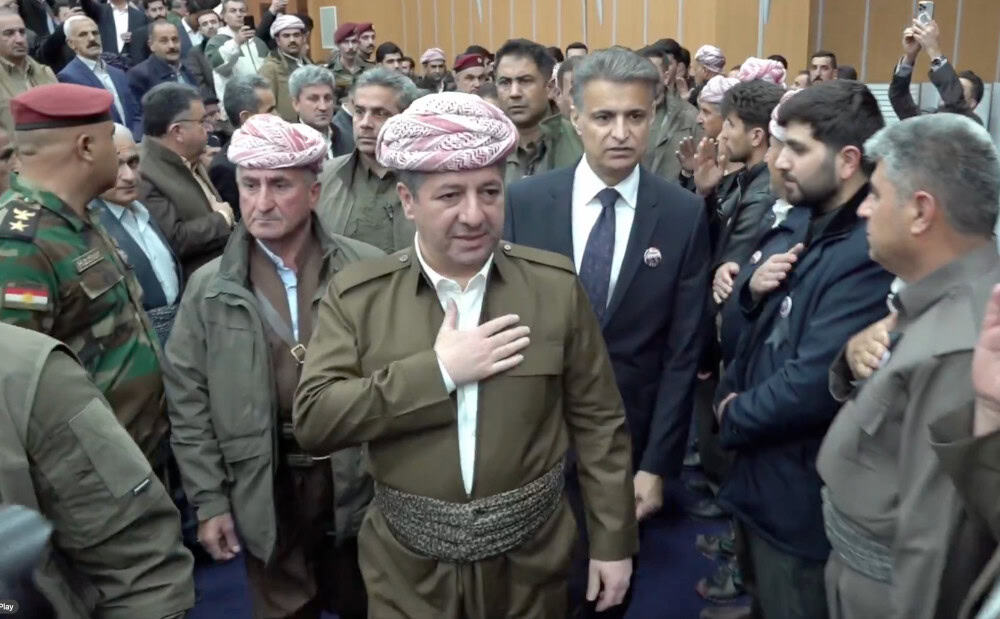
The latest report that the US is cutting funding for the Kurdistan Regional Government (KRG) of Iraq’s Peshmerga military force comes as Washington prepares to withdraw forces from Iraq and Iran continues its campaign of drone and missile attacks against the KRG.
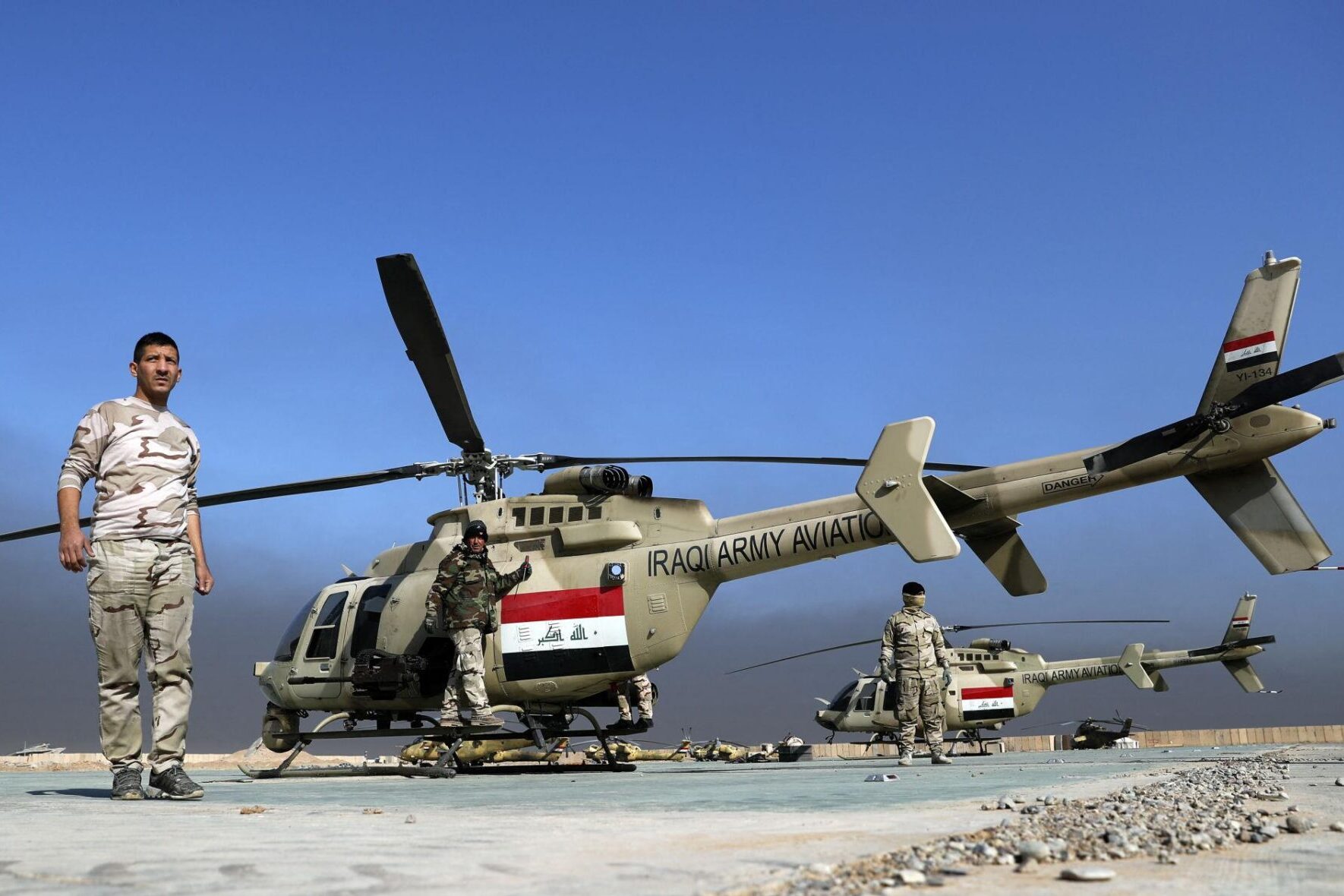
The US State Department has approved a possible $800 million sale of Bell 412EPX and Bell 407M helicopters…
 AeroTime•Stephen Pope1 Sept
Iraq’s efforts to bring the weapons of Iranian-backed militias under state control are facing a new challenge as one of the country's groups, Kataib Sayyid al Shuhada, has laid out conditions for disarmament. The debate comes amid continued US pressure on Baghdad to disarm the groups, a looming coalition withdrawal deadline, and renewed efforts by the Iraqi government to assert its authority over armed factions.
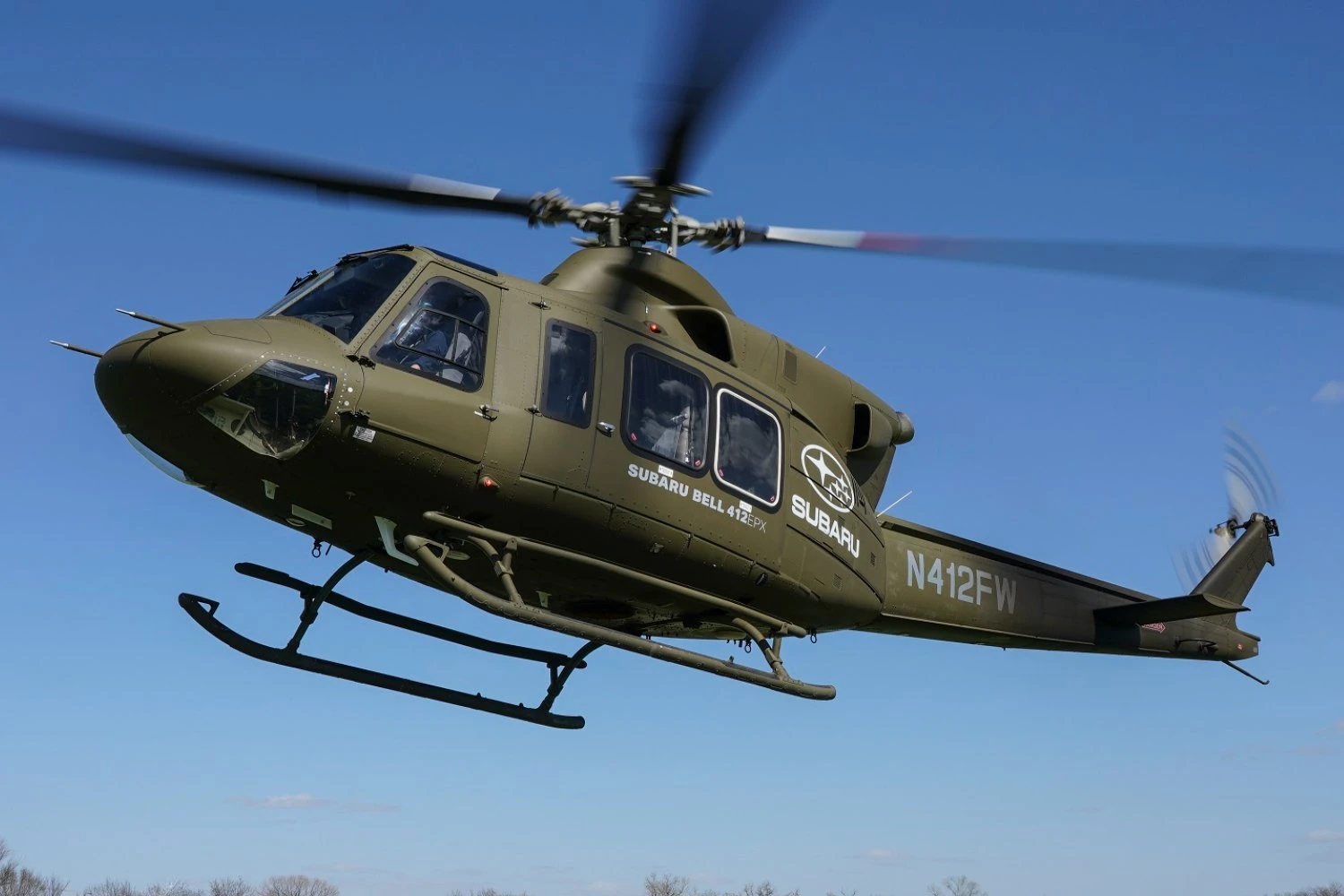
Iraq plans to replace its Russian-built military helicopter fleet with US-made aircraft
 Air Data News•Ricardo Meier1 Sept
Aviation News – The U.S. Department of State has approved a possible $800 million Foreign Military Sale to Iraq covering Bell 412EPX and Bell 407M...
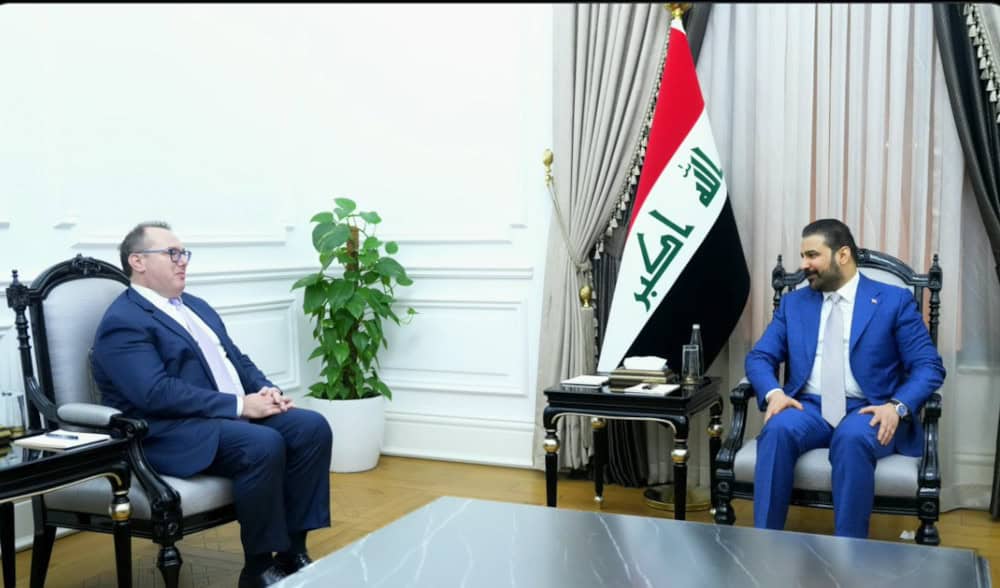
Iraq's efforts to disarm the country’s Iranian-backed militias appear to be facing growing political resistance as some factions seek to delay or avoid a September deadline. The debate comes as Washington continues pressing Baghdad to bring all weapons under state control.

Iraq's new oil export route could stabilize global oil markets by reducing reliance on the volatile Strait of Hormuz, impacting prices.
CryptoBriefing•Editorial Team27 Aug
US sanctions on Iran could destabilize Iraq's economy, affecting regional energy dynamics and potentially influencing global oil prices.
CryptoBriefing•Estefano Gomez25 Aug