
National Transportation Safety Board

Regulator · 137 articles
Share

All coverage

page 1 of 4
AN

NTSB Prelim: Cirrus Design Corp SR22

Pilot Stated That During Landing At Ashland County Airport (3G4), Ashland, Ohio, The Airplane’s Right Brake Did Not Operate On September 7, 2026, about 1255 eastern daylight time, a Cirrus Design Corp SR22, N521LM, was substantially damaged when it was involved in an accident near Ashland, Ohio. The pilot was not injured. The airplane was operated as a Title 14 Code of Federal Regulations Part 91 personal flight. The pilot stated that during landing at Ashland County Airport (3G4), Ashland, Ohio, the airplane’s right brake did not operate. The left brake operated normally, and the airplane began to veer to the left. He kept the airplane on the centerline of the runway utilizing rudder controls; however, when the airplane slowed down it departed the left side of the runway and contacted two runway lights, which resulted in substantial damage to the wing and firewall.

Aero-News NetworkAero-News Network22 Sept
  • neutral toward National Transportation Safety Board · 98%
AN

NTSB Final Report: Jeremy Price Smith Super Cub

After Landing, During A “Fast-Taxi Maneuver” (The Pilot) Struck Ground Equipment That Was Obscured Because Of The Tailwheel Airplane’s Nose-High Pitch Attitude Analysis: The pilot reported that he performed four practice landings at the departure airport, to confirm landing performance, then continued to a private gravel airstrip. He overflew the airstrip and observed calm wind conditions, then performed another flyover to verify the runway was clear of obstructions. While on final approach, a gust of wind resulted in a temporary increase in airspeed then a touchdown farther than planned. After landing, during a “fast-taxi maneuver” he struck ground equipment that was obscured because of the tailwheel airplane’s nose-high pitch attitude. The landing gear collapsed, then the airplane then struck another piece of equipment, which resulted in substantial damage to the left wing.

Aero-News NetworkAero-News Network20 Sept
  • neutral toward National Transportation Safety Board · 98%
AN

NTSB Final Report: Uvify IFO

Accident Occurred During The Initial Phase Of A 500 Small Unmanned Aircraft (SUA) Drone Light Show When Multiple SUAs Failed To Achieve Proper Spatial Separation Analysis: The accident occurred during the initial phase of a 500 small unmanned aircraft (sUA) drone light show when multiple sUA failed to achieve proper spatial separation, resulting in midair collisions and subsequent loss of control. Several sUA entered the audience which resulted in a serious injury to a spectator. Drone show software (DSS) revealed that the uploaded show center position was incorrect resulting in an approximate 5-meter (16.4-ft) displacement from the intended location. This error caused the system to assign incorrect aircraft to flight paths. In addition, the show heading had not been entered correctly and was rotated by about 7°. These cumulative errors resulted in crossing paths and collisions during takeoff with flight paths closer to spectators than intended. Furthermore, when the show center location was updated only 498 drones were selected rather than 500, which resulted in 2 drones with different show center positions than the others.

Aero-News NetworkAero-News Network20 Sept
  • neutral toward National Transportation Safety Board · 99%
AN

NTSB Prelim: Cameron Balloons A-315

When He (The Pilot) Looked Up, He Noticed That One Passenger Had Jumped Out And Was No Longer In The Basket On August 2, 2026, about 0710 Pacific daylight time, a Cameron Balloons A-315, N315U, was not damaged when it was involved in an accident near Menifee, California. The pilot and one passenger were not injured, and one passenger was fatally injured. The balloon was operated as a Title 14 Code of Federal Regulations Part 91 skydiving balloon flight. In a phone conversation, the pilot stated that after all the skydivers had exited the balloon and were safely on the ground, the balloon was descending. The pilot stated that it is their standard practice to open a bottle of champagne for the passengers who remained in the basket.

Aero-News NetworkAero-News Network19 Sept
  • neutral toward National Transportation Safety Board · 99%
FB

AvTalk Episode 387: The CVR makes it worse

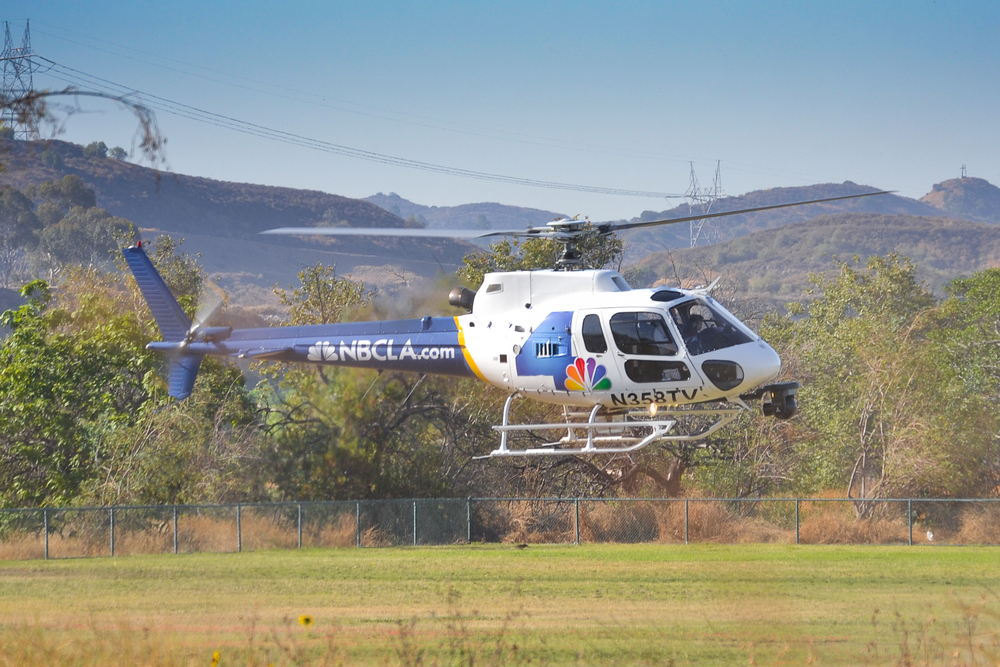
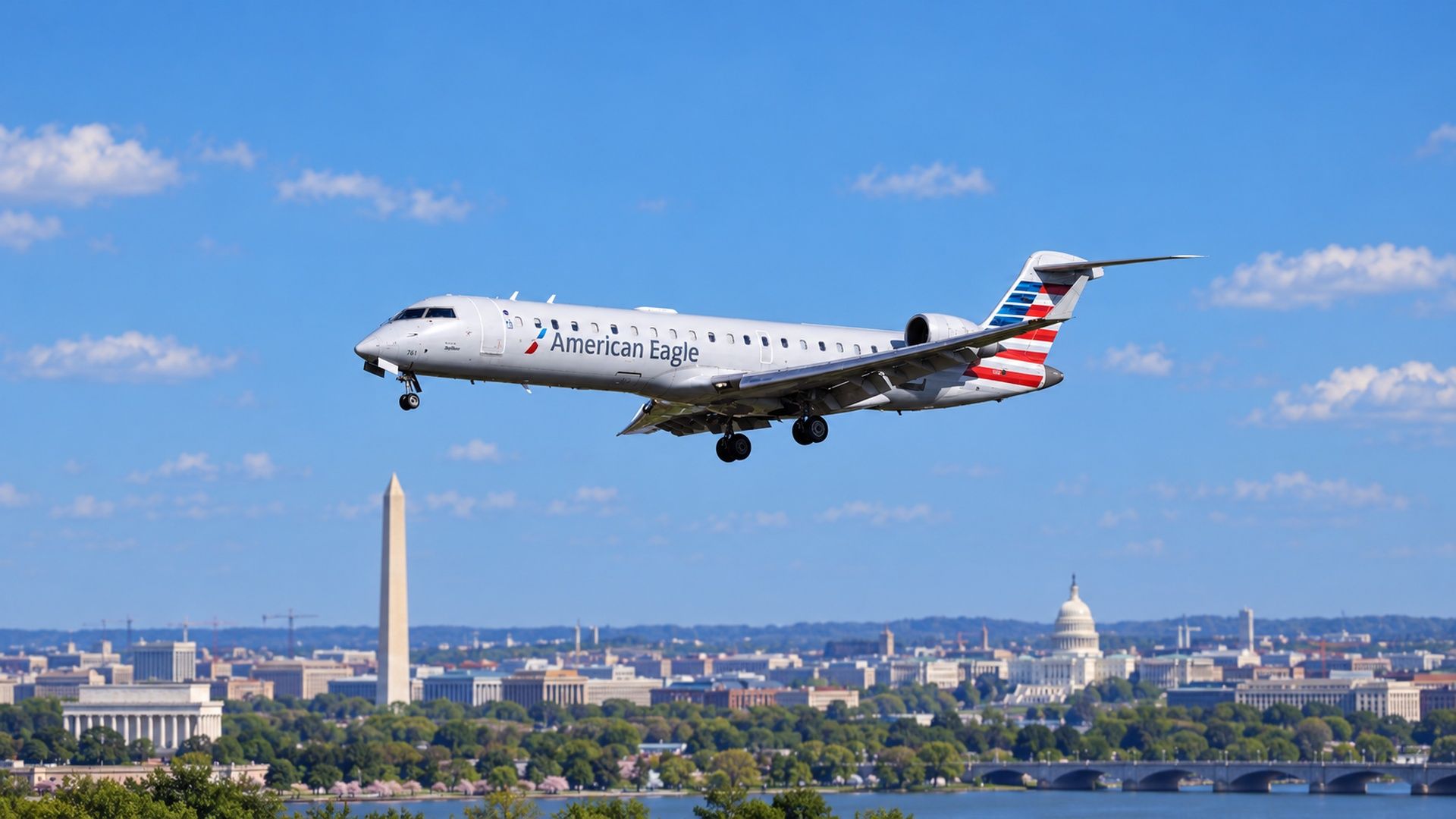
On this week’s episode of AvTalk, Ian and Jason prepare to head to Los Angeles for the annual CrankyFlier Dorkfest and NYC Aviation’s SpotLAX events . If you’re in town, stop by and say hello. But before we take off, the NTSB released a partial summary of the cockpit voice recorder from the 21 Air 767 that overran the runway in Miami. Far from providing clarity, the summary only adds to the questions raised about the pilots’ actions in the final minutes of the flight. A news helicopter covering a fatal car collision crashed in Los Angeles, killing the pilot and reporter onboard the aircraft, as well as one person on the ground. Virginia Senators Time Kaine and Mark Warner have introduced a bill to limit flights at DCA in Washington DC. We discuss why the DCA Air Safety Act has a long, uphill battle for passage. A GAO report on the FAA’s recent push to modernize the nation’s air traffic control systems calls for greater cost and schedule planning, noting that there are 11,389 individual project schedules. And you’re going to be hearing a lot about “capacity” over the next few months. What that means for airlines—and airfares. Check back soon for a transcript of this episode.

Flightradar24 BlogFlightradar24 BlogFlightradar2418 Sept
  • neutral toward AvTalk · 86%
AN

NTSB Final Report: Avid Avid Flyer

Pilot Applied Right Rudder In An Attempt To Regain Alignment; However, Directional Control Was Not Maintained, And The Airplane Departed The Runway Analysis: The pilot reported that, while maneuvering onto the runway for takeoff in a tailwheel-equipped airplane, the application of engine power during the turn resulted in the airplane overshooting the runway centerline. The pilot applied right rudder in an attempt to regain alignment; however, directional control was not maintained, and the airplane departed the runway surface.

Aero-News NetworkAero-News Network18 Sept
  • neutral toward National Transportation Safety Board · 99%
AN

NTSB Final Report: Piper PA-34-220T

During The Landing Process, The Airplane Struck Multiple Trees And Impacted A Road Before It Came To Rest Upright Against A Tree In The Front Yard Of A Residence Analysis: The flight instructor and pilot receiving instruction reported that during a local instructional flight, they extended the landing gear; however, the right main landing gear indicator did not show that the landing gear was down and locked. After briefly troubleshooting, they performed a low approach so the airport traffic control tower controller could observe the landing gear condition. After maneuvering near the runway, they extended the upwind leg of the traffic pattern by 2 miles before turning left crosswind. During the crosswind turn, the pilot receiving instruction advanced the power to the left engine, while the flight instructor simultaneously shut down the right engine to avoid damage to the propeller and right engine if the right main landing gear were to collapse upon landing.

Aero-News NetworkAero-News Network17 Sept
  • neutral toward National Transportation Safety Board · 99%
AN

NTSB Prelim: Staudacher Jon ZZ 102

The Airplane Was Likely A Unique Build With Only The Accident Airplane Currently Registered On August 12, 2026, about 1906 eastern daylight time, a Staudacher ZZ 102 experimental airplane, N134ZZ, was substantially damaged when it was involved in an accident near Vicksburg, Michigan. The airline transport pilot and one passenger were seriously injured. The flight operated under the provisions of Title 14 Code of Federal Regulations Part 91 as a personal flight. Preliminary information provided by law enforcement indicated the airplane departed from Thrall Lake Airport (7MI3), Vicksburg, Michigan, and climbed to about 1,500 ft when it descended and impacted terrain. Both occupants were airlifted to hospitals, and the airplane sustained substantial damage to the fuselage and both wings.

Aero-News NetworkAero-News Network16 Sept
  • neutral toward National Transportation Safety Board · 99%

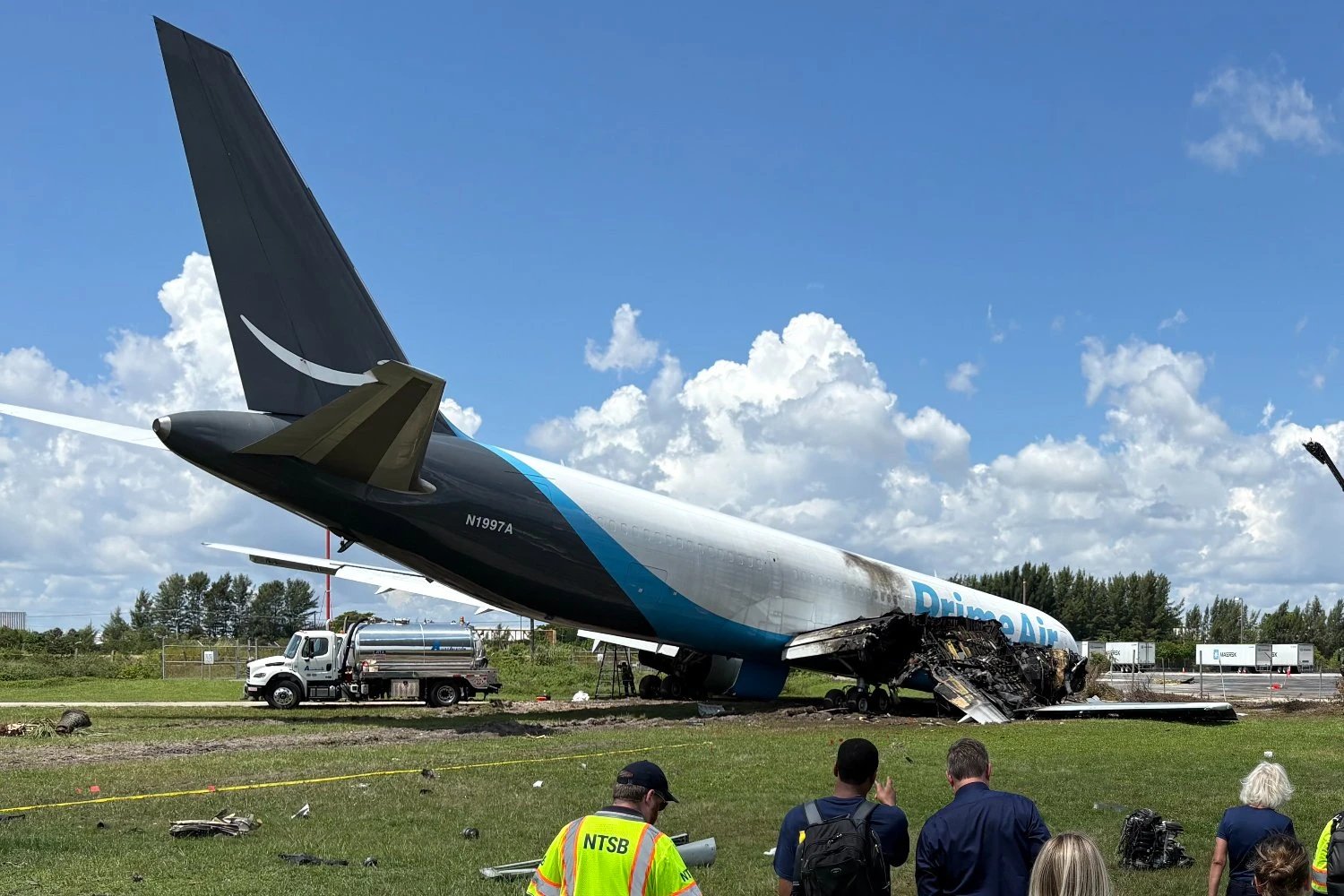
NTSB: Amazon 767 Pilots Added Thrust Then Aborted Go-Around, No Reversers Or Speed Brakes

The NTSB has released the final 30 seconds of flight data from the Amazon Prime Air Boeing 767 accident at Miami International Airport that took place on September 6th.It reveals that the pilots applied thrust for a go-around before aborting the maneuver, then apparently failed to deploy thrust reversers or speed brakes.

Simple FlyingSimple FlyingChris Loh15 Sept
  • neutral toward National Transportation Safety Board · 98%
AN

NTSB Prelim: Cessna 208B

(Pilot) Extended The Wing Flaps In Preparation For Landing And Subsequently Heard A Loud “Pop” On August 9, 2026, at 1420 mountain daylight time, a Cessna 208B airplane, N247JP, was substantially damaged when it was involved in an accident near Salmon, Idaho. The pilot and eight passengers were not injured. The airplane was operated as a Title 14 Code of Federal Regulations (CFR) Part 135 ondemand air taxi flight. The pilot reported that, after an uneventful flight from the departure airport, he joined the downwind leg of the traffic pattern for runway 17. While turning onto the base leg, he extended the wing flaps in preparation for landing and subsequently heard a loud “pop.” Immediately thereafter, the airplane made an aggressive, uncommanded roll to the left and banked to about 45°.

Aero-News NetworkAero-News Network15 Sept
  • neutral toward National Transportation Safety Board · 99%
AN

NTSB Prelim: Stearman A75

Passenger Reported That Oil Spray Was Coming In The Cockpit And He Could Smell Burning Oil On September 8, 2026, about 1100 central daylight time, a Boeing-Stearman A75L300 airplane, N680HW, was substantially damaged when it was involved in an accident near Bogue Chitto, Mississippi. The pilot sustained minor injuries and the passenger was uninjured. The airplane operated as a Title 14 Code of Federal Regulations Part 91 personal flight. The pilot reported that in cruise flight, the passenger reported that oil spray was coming in the cockpit and he could smell burning oil from the engine. The pilot saw that oil pressure had decreased and began to divert to the nearest airfield.

Aero-News NetworkAero-News Network14 Sept
  • neutral toward National Transportation Safety Board · 99%