
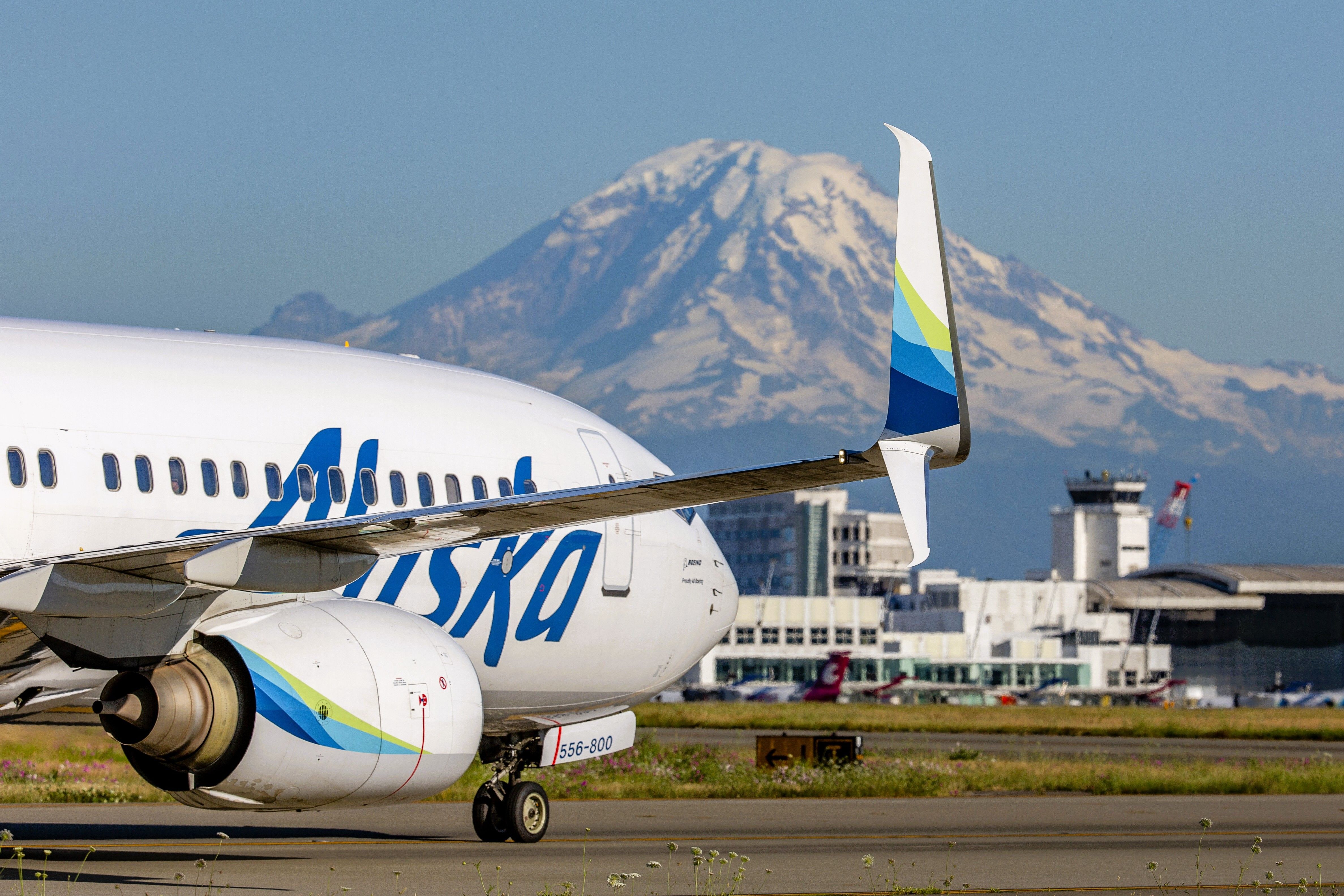
First Look: Inside Seattle Airport's Upcoming 16,000-Square-Foot Chase Sapphire Lounge
The plans come among a period of reshuffling for Seattle airport lounges.
The plans come among a period of reshuffling for Seattle airport lounges.

Trip Report Written by A.G. Sarajevo - Malta via Vienna and Frankfurt (August 26 - 30) Hello readers. This summer, I decided to do the same thing I did last year: visit Malta at the end of August and officially close my summer season. I had a lovely time in Malta last year, so I thought, why not do it again? Clearly, I had not learned my lesson about August heat. Malta is also easily accessible and still slightly cheaper than some closer destinations, including Croatia which I visit all the time because, the Adriatic Sea is still far better than any Maltese beach, if you ask me. However, I really enjoy the vibe in Malta, wonderful Valletta, the food, the streets, and that special kind of heat that you love and hate at exactly the same time. Boarding to Vienna bound flight The road to Malta takes me via... big surprise: Vienna. It was by far the easiest and cheapest option for a return ticket, at only around €200 (which included checked luggage - but there was a catch, on the way back that was not the case – obviously, I didn't pay enough attention to what I was actually buying) for Economy. I was surprised to find such a good price, considering that the end of August is still very much the commercial high season and Malta is a popular destination + we have all these sh..s happening with wars and instabilities. Bye Sarajevo. Early takeoff from Sarajevo Of course, I take my early-morning flight from Sarajevo at 6:10 which we call „pekarski let“. This is really convenient, but also extremely annoying because it means waking up right in the middle of what should be my proper, deep sleep. I arrived at pretty much packed airport around 4:50, grabbed a coffee and spent the next while staring into nothing because my brain was still somewhere between yesterday and tomorrow at this early hour. Today we fly with A320-200. We took off while the sun was rising somewhere behind Sarajevo’s many mountains. Lately, take-offs and landings in Sarajevo have been a little different. We now make a sharp turn to the right and fly over the Bosna River valley, following the route towards Ilijaš, Kakanj, Zenica and then further toward northern Bosnia. I fell asleep and, after about 45-50 minutes, we reached the very familiar Vienna Airport. Some passengers, however, clearly have a different understanding of the concept of “staying seated until the aircraft stops.” They started leaving their seats as soon as we touched the runway, forcing the stewards to intervene. We Balkanitos are not patient people, right? Waiting area for transfer to C gates Sunny day at Vienna airport Since I had a few hours before my next flight, I decided to see if I could use the lounge in the Schengen area. Last time at Vienna Airport, when I was travelling to London for example, I used the lounge in the non-Schengen area, and I was not impressed. It was packed, small and dirty. This time, it was quite the opposite. Since I landed at one terminal and had to take my next flight from another, there were buses provided to take passengers there. At the terminal, I found this nice lounge, walked in and paid 48 EUR. I would say it is worth it if you have at least three or so hours to kill. You will probably spend 40-50 EUR anyway on food and drinks at the airport, so you might as well eat and drink in a more comfortable environment. Or I could just bring a good Bosnian burek from home next time and save some money?! Morning beer, because why not. It was also a beautiful day, so I got the chance to sit on the balcony and observe the metal birds taking off and landing. After almost five hours, my flight to Malta was ready. This time, I was flying with KM Malta A320neo. It is always a rarity and a pleasure to hear Maltese, a language that somehow sounds like an Italian person speaking Arabic, or an Arab person mixing Italian and English. Whatever the exact formula is, it sounds super cool. The flight was uneventful, with basic service, basically a glass of water, and after 2 hours and 20 minutes, we reached our destination. The view was not particuraly exciting due to extreme heat and Sahara sand flying around for days above the Mediterrean. Malta has only one airport, which makes sense considering that the entire country is basically one bigger and a few smaller islands with a lot of people and even more cars. The airport was extremely busy and packed, but still functional. At the same time, it was already uncomfortable because people seemed to be everywhere. The terminal building is small, and considering Malta handles millions of passengers every year, I really think it is time for some extension. And then we walked outside. The heat was extreme; even worse than last year. I spent the next few days doing what a traveller is supposed to do in Malta: chilling in the heat, eating wonderful food and enjoying the streets of Valletta. I visited some beaches (not impressed, but ok), drove on the left (to push my brain to work a bit more) and spent hours walking around. Malta is extremely international: almost all staff in bars, restaurants and boyond are foreigners. There are many Serbs (in particular) and Macedonians working here, so hearing our local Balkan languages is not really surprising. Muża: a musem and restaurant at the same time After five days, I was ready: well, almost ready, to go home. Getting from Valletta to the airport is easy, with buses as well as Uber and Bolt. Just keep in mind that traffic in Malta can be absolutely horrendous, so take that into consideration. Malta is tiny, but moving around is really difficult if you don't drive, which means everybody is driving and creating a lot of mess on such a tiny piece of land. I arrived at the airport about two hours before my flight. The airport was extremely and uncomfortably busy, with travellers everywhere and limited food and drink options considering the number of people passing through. Lines were long, messy and not properly organized. However, it somehow works so it is ok I guess. Main entrance to Malta Airport Over the last few trips, I have realised that I have less and less patience for rude people when I fly, so this trip was no different. I had my quick morning argument with two Italian passengers who decided to skip the entire queue and stand directly in front of me. I immediately activated (or it rather got activated automatically) my Balkan spirit AGAIN (Hello Warsaw Airport) and sent them back to the end of the line. Visibly unhappy with this interaction, the two passengers started doing some “bla bla bla” gestures toward me and left. Ciao belli. I wonder which nationality will be next to cross my line? Let's see. Packed Maltese airport My trip back home took me via Frankfurt this time with A321. The flight was fully packed, with nervous passengers and, of course, the heat being part of the experience. Malta's airport has no bridges for boarding, so we all had to take buses to the aircraft. Although I enjoyed the 40°+C weather, a big part of me was already dreaming about the 20-something degrees in Sarajevo. And considering that this summer in Sarajevo was hotter than usual, that says something. A glass of water and a small chocolate bar were all we got on the 2.5-hour ish flight to Frankfurt. I spent the next few hours at the airport. Unfortunately, I couldn't access the lounge because my flight was booked through Austrian Airlines, so I did nothing particularly exciting except wait for my next flight. Finally, we were ready to board for Sarajevo, again, with A321. It was almost full. After some more sleep we landed in Sarajevo, went quickly through passport control, and that was it. Overall, this was an easy and enjoyable trip. I highly recommend Malta, especially if you want a destination that is easy to reach, has great food, beautiful streets, a lively atmosphere and enough sunshine. I believe May or September might be much better times to visit for majority of people who cannot stand extreme heat. The temperatures should be more comfortable and there should be fewer visitors. Make sure you rent a car if you want to see beyond Valletta. And get ready to drive on the left. But if you, like me, enjoy testing the limits of your body by walking around this little country in 40 C heat, then August is also perfectly fine. Also: pay attention to pigeons - they poop everywhere. Share your travel experience by submitting a trip report to exyu@exyuaviation.com EX-YU Aviation News

© ICON Aircraft Croatia has established a clearer regulatory framework for seaplane operations on maritime and inland waters. The new rules are the result of cooperation between the Croatian Civil Aviation Agency (CCAA), the Ministry of the Sea, Transport and Infrastructure, and the competent authorities responsible for maritime and inland navigation, and are also expected...
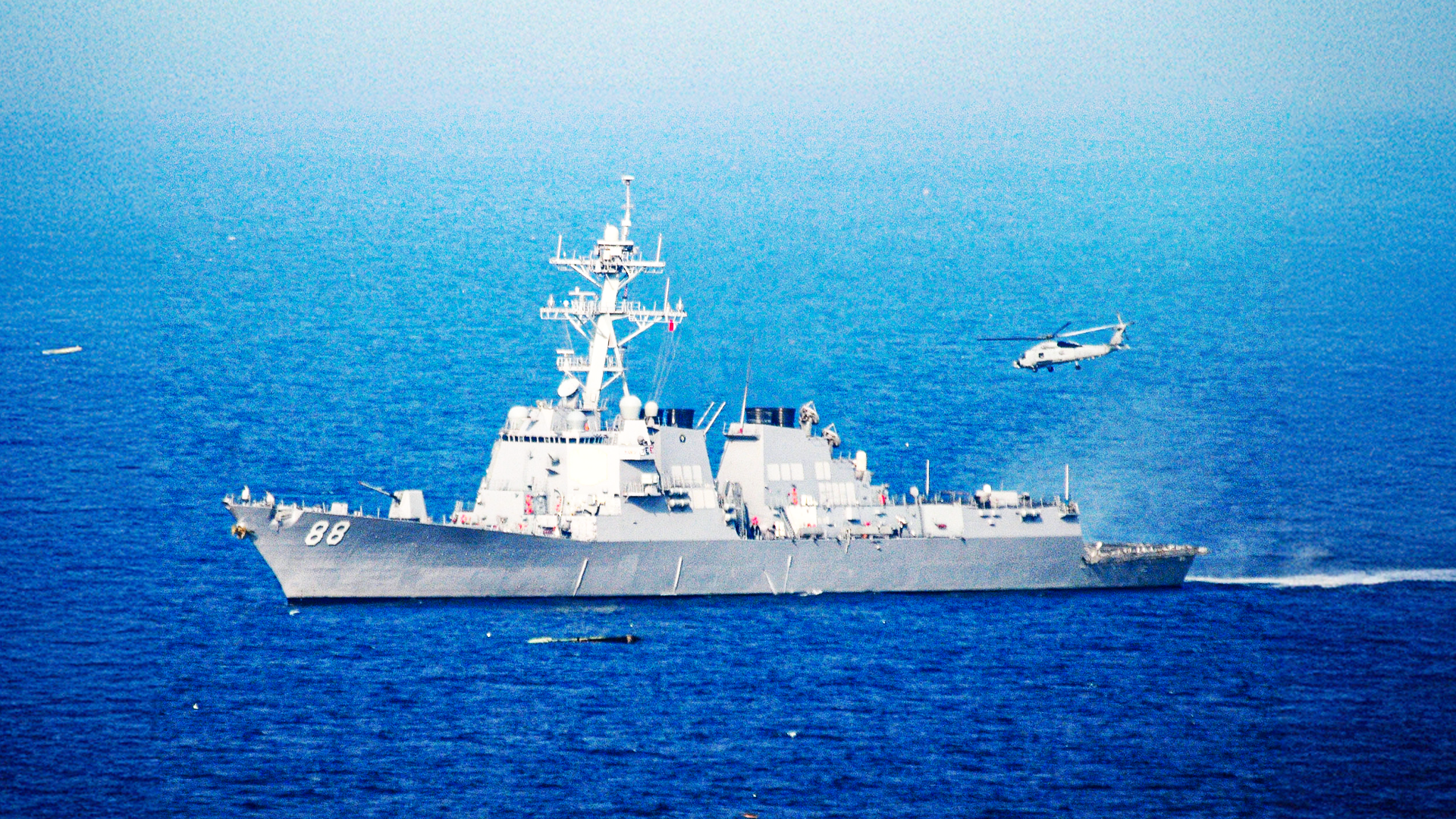
America's Navy struggles to make its dreams of lasers at sea a reality.
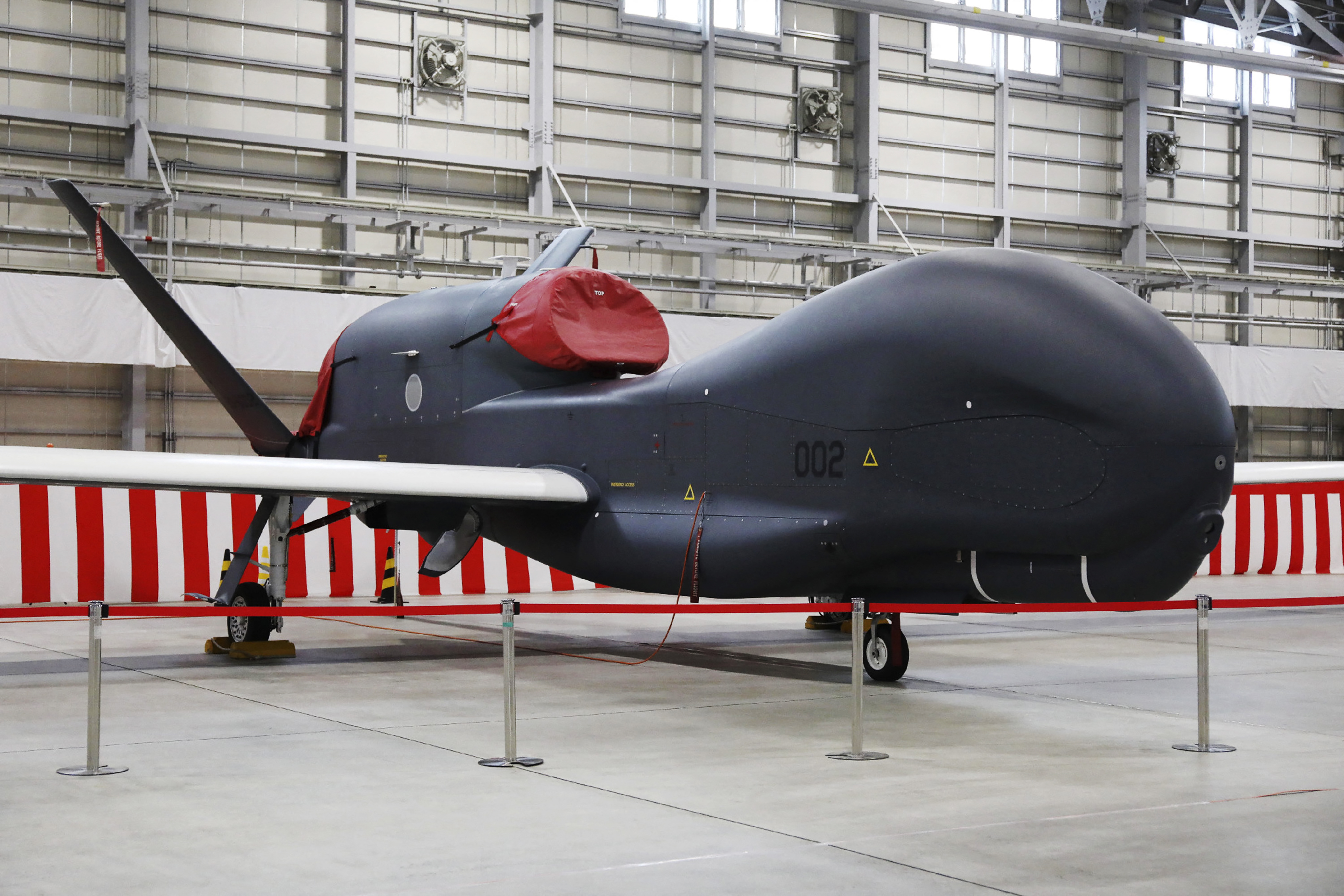
A Japanese Global Hawk drone nosedived into the Sea of Japan this week, instantly slashing the country’s fleet of these drones by a third.
Decision Altitude/Decision Height [ICAO Annex 6] A specified altitude or height (A/H) in the precision approach at which a missed approach must be initiated if the required visual reference to continue the approach has not been established. 1) Decision altitude (DA) is referenced to mean sea level and decision height (DH) is referenced to the threshold elevation. 2) Category II and III minima are expressed as a DH and not a DA. Minima is assessed by reference to a radio altimeter and not a barometric altimeter, which makes the minima a DH. 3) The required visual reference means that section of the visual aids or of the approach area which should have been in view for sufficient time for the pilot to have made an assessment of the aircraft position and rate of change of position, in relation to the desired flight path.
 Aero-News Network17 Sept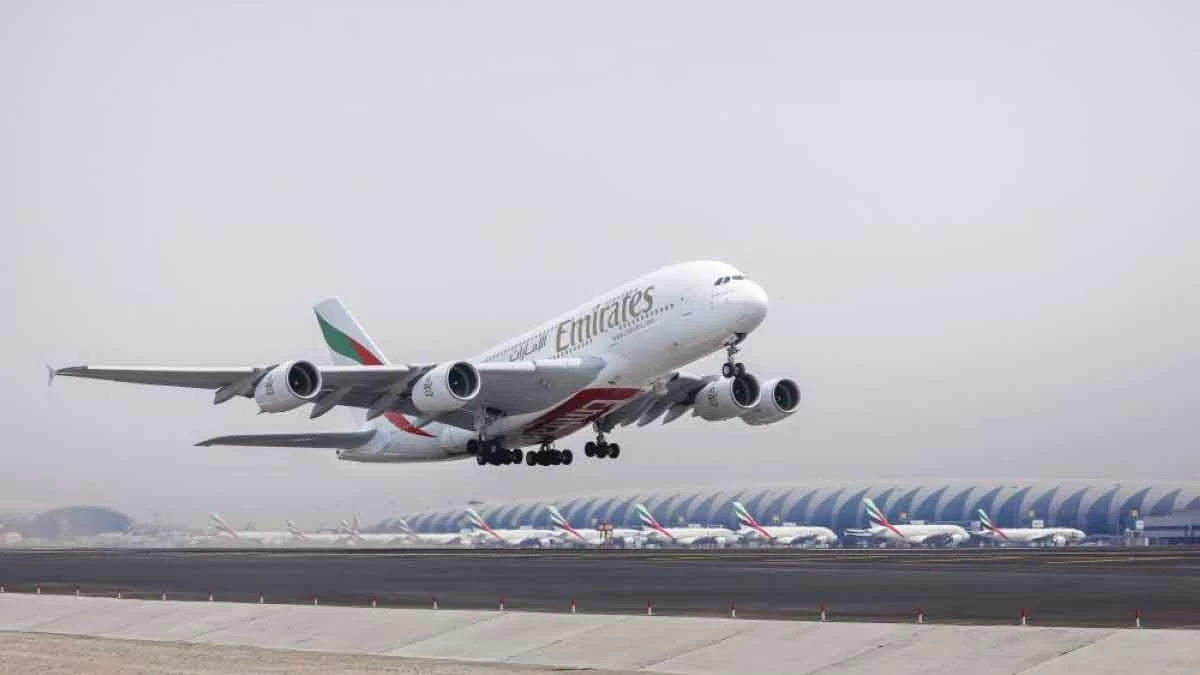
Emirates has signed three new destination partnerships and expanded collaborations with travel technology platforms, cruise operators, business councils and banking partners. The agreements aim to broaden the airline's customer reach and develop targeted offerings for different traveller segments. Emirates and the Mozambique National Agency for Tourism Development and Investment, Public Fund (ANDITUR) have partnered to support the growth of international tourism to Mozambique. The agreement will see the partners explore opportunities to promote Mozambique to travellers in key markets and strengthen connectivity through airline partnerships across Africa. With more than 2,500 kilometres of coastline, Mozambique is known for its beach destinations, ocean activities, cultural experiences, cuisine and vibrant cities, offering a diverse range of attractions for international visitors. Emirates and the Kenya Tourism Board (KTB) have signed a partnership agreement to support the growth of inbound tourism to Kenya. Already one of the most popular destinations on the airline's Africa network, Kenya is expected to benefit from joint efforts to attract visitors from both emerging and established markets. Tourism remains a key pillar of Kenya's economy, supporting jobs and attracting millions of visitors each year. The Kenya Tourism Board aims to position the country as Africa's leading tourism destination through a year-round calendar of diverse, sustainable and authentic experiences. Emirates and Alibaba Fliggy, one of China's largest online travel agencies, have signed an MoU to strengthen their strategic partnership in China. The collaboration will combine Emirates' global network with Alibaba Fliggy's digital travel platform. Areas of cooperation include co-branded marketing campaigns, customer engagement initiatives and potential integration opportunities between Emirates Skywards and Alibaba Fliggy's membership ecosystem. The partnership aims to increase brand visibility, stimulate travel demand and deliver more personalised travel experiences for Chinese consumers. Emirates and MSC Cruises have signed an MoU that expands their long-standing partnership across fly-cruise distribution, air-sea product integration, crew travel and customer loyalty initiatives. The agreement builds on more than a decade of collaboration. Under the latest MoU, Emirates and MSC Cruises will expand fly-cruise distribution across the Emirates network in line with MSC Cruises' seasonal homeport strategy. The partners will develop through-fares and open-jaw itineraries, and review gateway markets for additional opportunities. They will also create tailored products for MSC Grand Voyages and repositioning cruises, using the Emirates network to provide seamless one-way travel options. In addition, Emirates and MSC Cruises will explore extending Dubai's Port Rashid model to other cruise ports. Areas of cooperation include terminal check-in, through-baggage solutions, coordinated transfers, and joint protocols for disruption management and passenger repatriation. The partnership will also expand cooperation on crew mobility. Emirates and MSC Cruises will work together on seafarer rotations, with Emirates serving as a preferred carrier. The arrangement includes dedicated crew fares, enhanced baggage allowances and specialised services tailored to seafarers. Emirates has signed an agreement with the Finnish Business Council (FBC), a non-profit organisation supporting Finnish businesses and professionals in the UAE. The partnership aims to strengthen Emirates' engagement with the Finnish business community, particularly ahead of the launch of the direct Dubai-Helsinki service on 1 October. Emirates will provide FBC members with exclusive benefits, while the council will facilitate engagement between the airline and its members. Emirates has also partnered with the Vietnamese Business Council (VNBC), a non-profit organisation supporting Vietnamese businesses and professionals in the UAE. The agreement aims to strengthen ties with the Vietnamese business community and follows the announcement of additional services to Hanoi and Ho Chi Minh City this winter. Under the partnership, VNBC members will receive exclusive Emirates benefits, while the council will support engagement opportunities between the airline and its network. Emirates has partnered with Cutting Edge, a travel management company specialising in international sports tourism, to develop tailored travel packages for fans attending major sporting events around the world. Combining Emirates' network of nearly 140 destinations with Cutting Edge's access to cricket, football, motorsports, golf and tennis events, the partnership will offer end-to-end travel experiences linked to Emirates sponsorships and other key sporting fixtures. Emirates Holidays, the tour operating arm of Emirates Airline, and the Spain Tourism Office have signed an MoU to support inbound tourism to Spain. The partnership aims to encourage more travellers from Emirates' Middle East network to visit Spain through Emirates Holidays packages. The partnership will see Emirates Holidays and the Spain Tourism Office explore initiatives to increase destination awareness in key Middle East markets and drive package holiday bookings. These include integrated marketing campaigns, seasonal promotions and holiday packages combining Emirates flights with accommodation, local experiences and additional traveller benefits. Emirates Skywards and Emirates Islamic have strengthened their long-standing partnership by renewing their strategic agreement at ATM. The renewed agreement focuses on product innovation and enhancing benefits for Emirates Islamic Skywards co-branded cardholders. The partnership, which spans 18 years, now includes three Emirates Skywards co-branded cards, including the Emirates Islamic Skywards Black Card, as well as a co-branded savings account, salary transfer proposition and miles exchange product. The partnership began with the launch of the Emirates Islamic Skywards Card in 2008, the region's first Islamic co-branded airline credit card. It combined Emirates Islamic's Shariah-compliant banking services with the Emirates Skywards loyalty programme. Under the 2026 agreement, the partners will continue to focus on product innovation and enhanced benefits for co-branded cardholders, further strengthening the offering for Emirates Islamic customers.
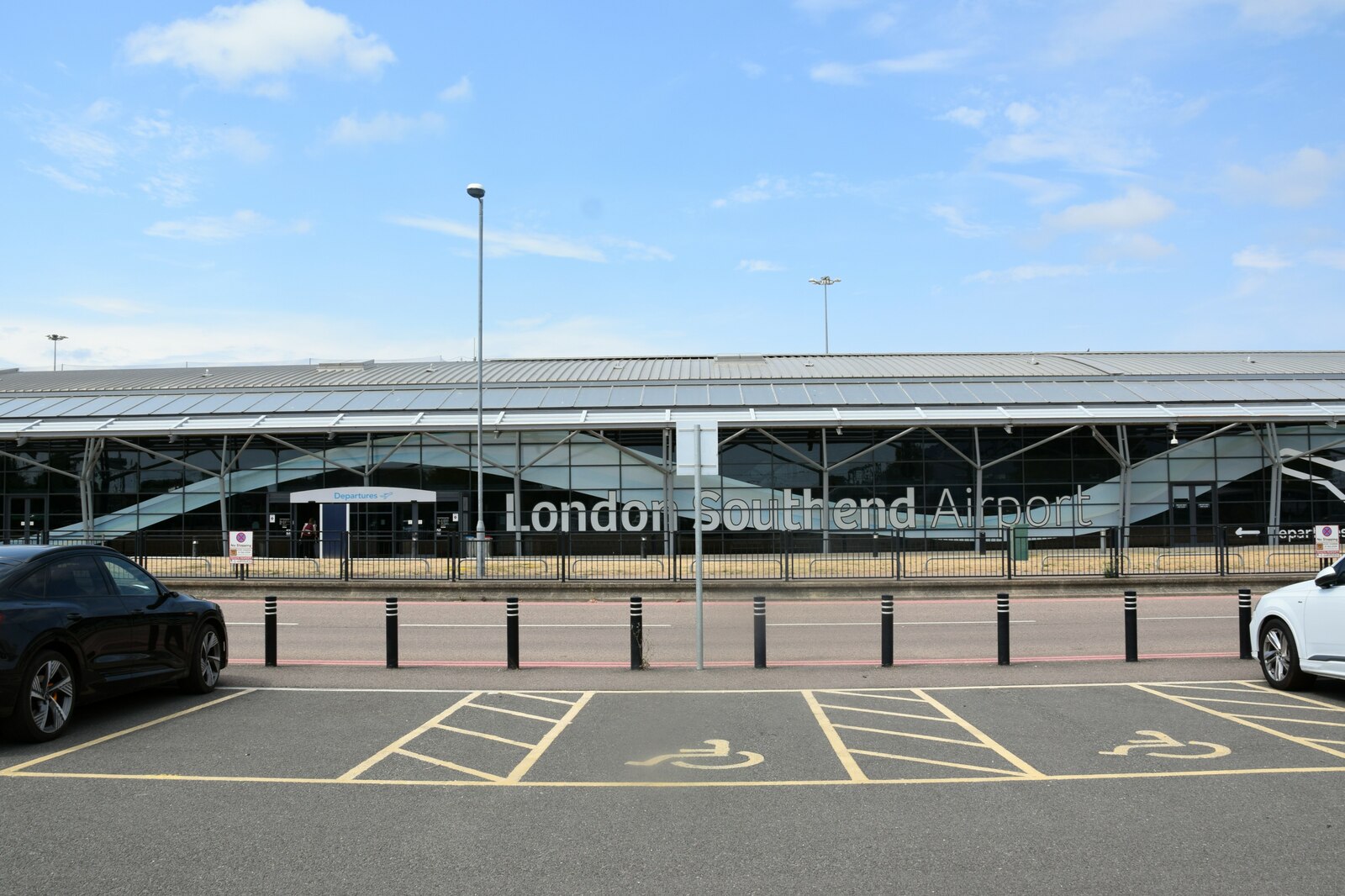
The latest UK Civil Aviation Authority (CAA) Aviation Trends Report, which covers the second quarter of 2026, reveals that London Southend Airport (SEN) is the UK’s most punctual airport. SEN achieved 84% of its flights departing or arriving on time (within 15 minutes of schedule). Accolades The airport is based on the outskirts of Southend-on-Sea […]
 Travel Radar•Kate Angel15 Sept
EHang Holdings Limited announced a strategic cooperation framework agreement of intent with China Construction Sixth Engineering Bureau Corp., Ltd., a top-tier state-owned infrastructure giant in China. The partnership intends to focus on low-altitude infrastructure development and operational scenario planning. The Cross-Sea Low-Altitude Corridor Project in Lingao, Hainan (the “Project”) marks the first project to break
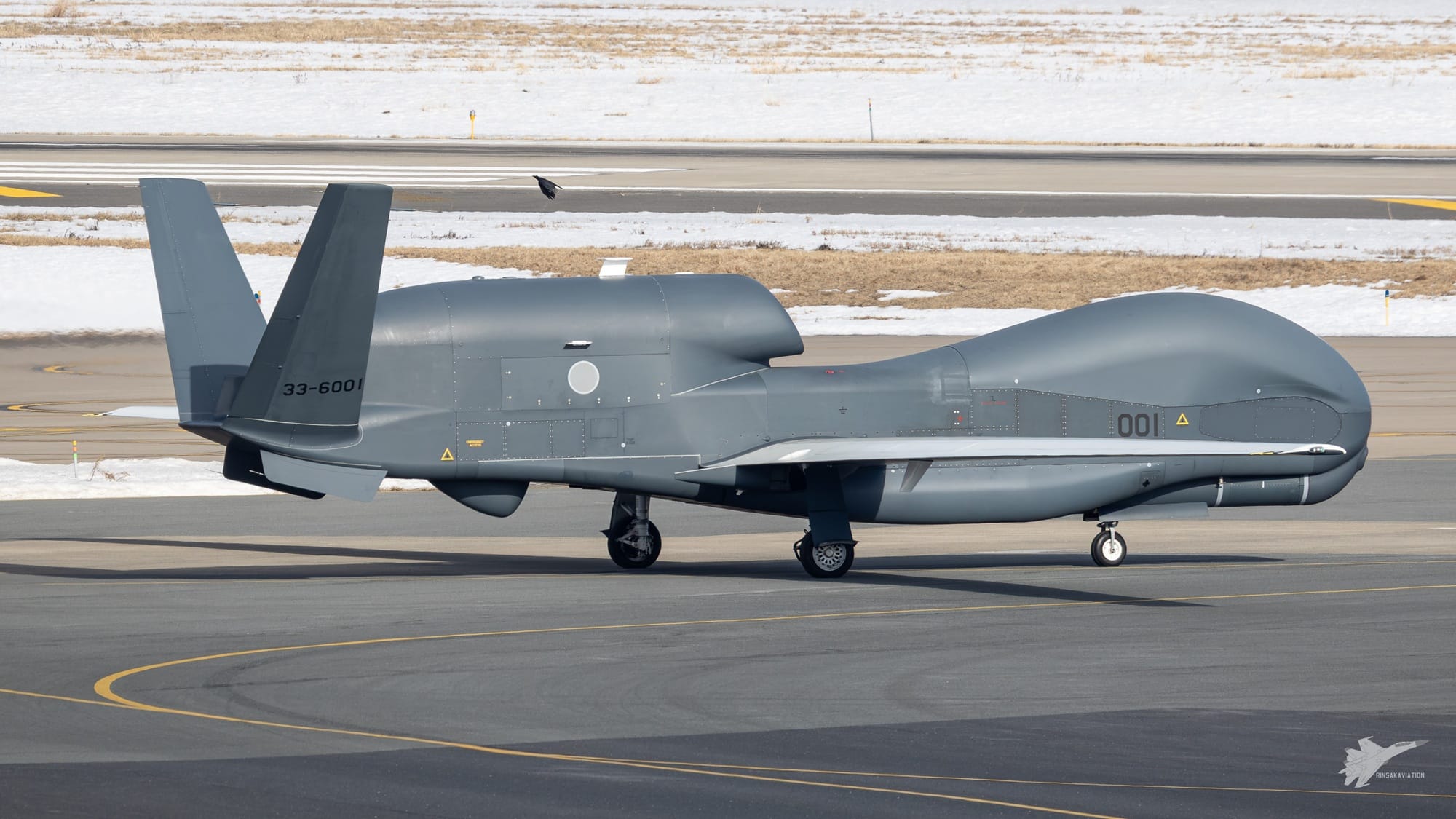
One of Japan’s three RQ-4B Global Hawks crashed in the Sea of Japan off the coast of Tottori Prefecture. One of the Japan Air Self Defense Force’s (JASDF) three RQ-4B Global Hawks has crashed in the Sea of Japan on Sep. 15, 2026. The airframe in question, 23-6003, took off from Misawa Air Base at […]
 The Aviationist•Rin Sakurai15 Sept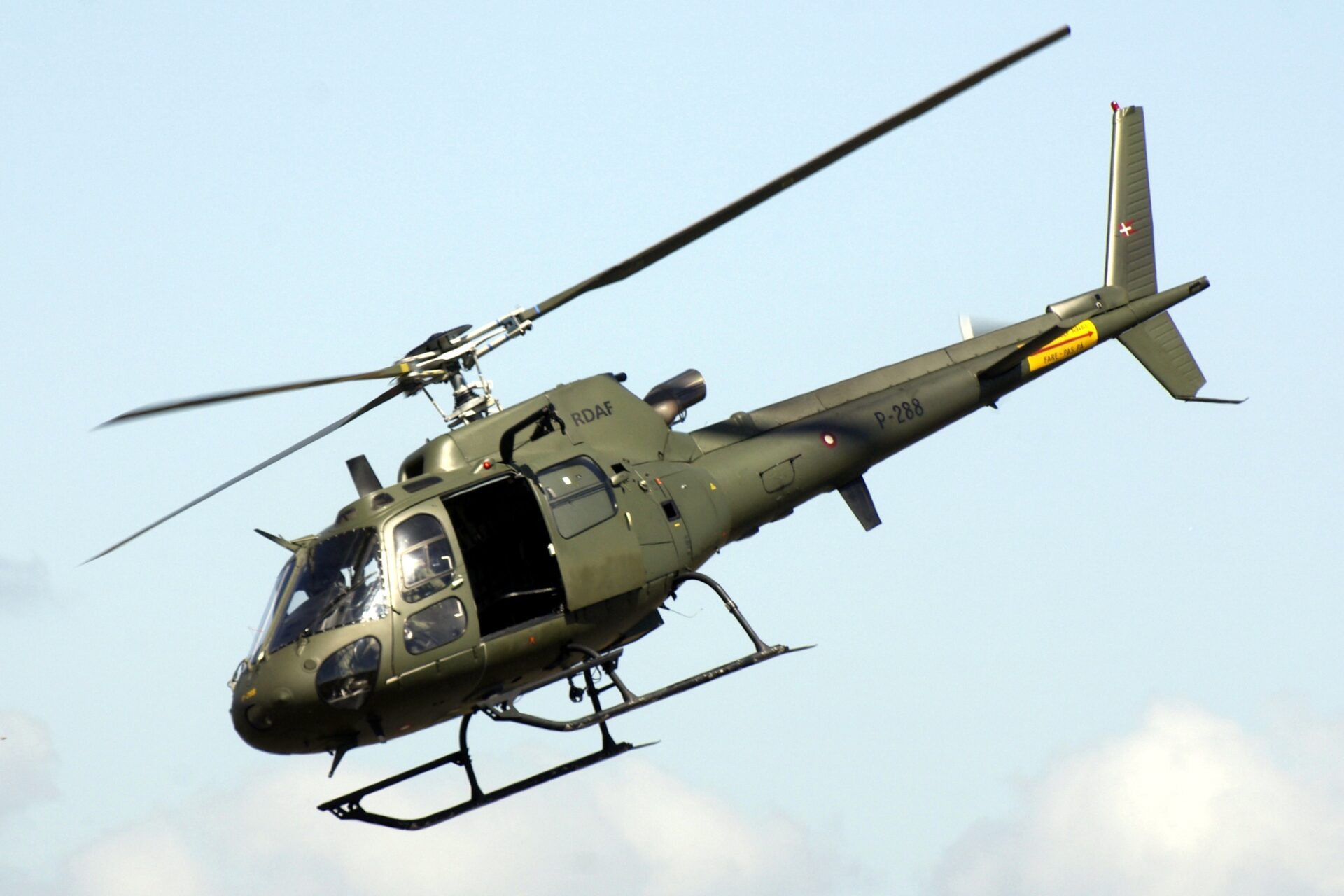
A Russian frigate fired two flares at a Royal Danish Air Force Fennec helicopter in international waters off…
 AeroTime•Clement Charpentreau15 Sept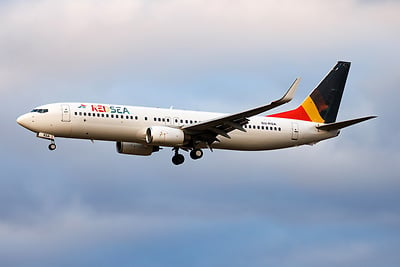
Egypt’s Red Sea Airlines has signed an agreement with SMBC Aviation Capital (SMBC) to lease two new Boeing 737 MAX 8 aircraft, with deliveries scheduled for July and August 2027, the airline said. The agreement was signed by Chief Executive Ahmed Shanan in the presence of Chairman and founder Hatem Kenawy and board members. The […]
 AviTrader•Heike Tamm14 Sept
Trip Report Written by jsg It has been a while! I recently made another Eurotrip, which I sometimes also call “durnolot”. The idea started as an innocent flight from Warsaw to Narvik via Oslo and gradually evolved into the current adventure through Northern, Central, and Southern Europe. As usual, I planned the adventure well in advance, knowing that some flights might be cancelled or that things could take unexpected turns, forcing me to change my original itinerary. In the end, though, these unexpected twists are what make the adventure even more exciting. LO483 War saw – Oslo . The 317 bus arrives on time. Although Warsaw Chopin Airport is not far from me, there is no direct service, so I have to change at the junction of Żwirki i Wigury Avenue and Komitetu Obrony Robotników Street and catch another bus to the airport. The second bus arrives shortly afterwards, and after just one intermediate stop, I finally arrive in front of the departure hall. Inside the departure hall, I make my way to the LOT check-in area. At the check-in desk, I place my bag on the scales and put my ID card on the counter. “Where are you travelling to, sir?” asks a young lady behind the desk. “To Oslo and onwards to Narvik,” I reply. A few seconds later, my bag is tagged “EVE via OSL”, and I receive two boarding passes and my ID card back. I then proceed to the main security checkpoint, which, as expected, is very busy today, with a long, zigzagging queue. I do not even attempt to join the main screening queue and instead walk further down to the secondary security area. The queue here is much shorter, and after just 7–8 minutes, I am already airside in the departure hall. The gate for the flight is due to be announced at 15:20. With some time to spare, I browse through the duty-free shop, but in the end, I buy nothing. I then check the departure board again to see whether the gate has been assigned. Yes. It is gate 31, located roughly in the middle of the terminal pier. It is worth mentioning that this is a codeshare flight (SK8118) allowing onward connections within Norway. Boarding is scheduled for 16:20 and starts on time. Passengers gradually gather around the gate, with those travelling with children and Business Class passengers called to board first. Shortly afterwards, all remaining passengers are invited to board. After a while, I scan my boarding pass and make my way down the stairs to the waiting bus. I must admit that I am not a fan of bus transfers, as I much prefer using an airbridge or simply walking to the aircraft when it is parked nearby. The bus fills up quickly. At some point, however, two gate agents start looking for a passenger. The passenger eventually makes himself known to the gate agents and is asked to step off the bus. It seems that they need to inform him about a seat change affecting him, his wife and their two children. Once the new boarding passes have been handed to him, the bus doors are closed and we finally set off for the aircraft, which is parked at a remote stand. The bus drops me off next to the 2.7-year-old Boeing 737 MAX 8, registered as SP-LVN. I quickly climb the stairs, greet the cabin crew and make my way to Row 5, where I take my assigned seat, 5C. Settled comfortably in my seat, I watch a steady stream of passengers making their way down the aisle in search of their assigned seats. Once everyone is seated, the second bus arrives and the steady flow of passengers begins all over again. It is a truly international flight, with passengers of many different nationalities boarding the flight to Oslo. The aircraft is almost full, including Business Class, which occupies the first three rows. There are only a handful of empty seats, including the one next to me. Boarding is completed at 17:13, and we are already running behind schedule. In the meantime, the cabin crew (two female and two male crew members) stand by for the safety demonstration, which is delivered first in Polish and then in English, followed by a pre-recorded summary in Norwegian. At 17:21, we finally start moving and head towards the runway, located on the opposite side of the airport. On the way, we taxi past the entire terminal building. The taxi takes 18 minutes, and at 17:39 we finally take off for Oslo. After reaching cruising altitude, the cabin crew hand out a sanitary wipe, followed by the onboard service, which includes a snack and refreshments. Today, I choose a savoury tomato bun, a can of beer and a glass of sparkling water. The cabin interior is clean and pleasant, with a neutral grey colour scheme. The seats are upholstered in dark blue faux leather, matching the airline’s colours. The legroom is decent by my standards, with enough space left in front of me to avoid feeling cramped. Later, the cabin crew come through the cabin with the paid-for service and duty-free selection. As the flight is travelling outside the EU, I take advantage of the opportunity and purchase a one-litre bottle of Wyborowa vodka for PLN 49. The same bottle would normally cost around PLN 70–75. The flight is quiet and uneventful. After take-off, we head north-west, passing the Polish city of Starogard Gdański, followed by the Swedish cities of Karlskrona and Växjö, before continuing north-west across Sweden. At 18:53, the captain announces our descent to the destination airport, and the cabin crew prepare the cabin for landing. After crossing the Norwegian border, the aircraft makes a slight right turn near the Norwegian town of Halden and continues north towards Oslo Gardermoen Airport. After a final U-turn near the Norwegian village of Minnesund, we begin our final approach to the destination airport. We land at 19:21, 26 minutes behind schedule. After a short taxi, we park in front of Pier D at Oslo Gardermoen Airport. The airbridge is attached to the aircraft, and I disembark via the airbridge. Flight statistics : LF: 99 % Distance: 1081 kms (584 nm) Departure time (scheduled/actual): 16:50/17:39 Arrival time (scheduled/actual): 18:55/19:21 Flight duration (scheduled/actual): 2h 05 min/1 h 42 min SK4098 Oslo - Harstad/ Narvik . Inside the terminal building, I check the departure board to confirm the gate for my flight to Harstad/Narvik. It is gate A19. I follow the signs for the A gates, located in the domestic departure area. Before I can enter the area, I scan my boarding pass and then pass through a simplified customs checkpoint, choosing the red or green channel. I scan my boarding pass once again before entering the domestic departure hall. Like the rest of Oslo Airport, the interior is designed in a simple Scandinavian style, combining wood, stone and glass elements. The result is a simple yet elegant atmosphere. At the nearby Narvesen convenience shop, I stop for a latte and a sweet bun with chocolate chips (NOK 49) and take a seat. The domestic part of the airport is noticeably busier than the international section, which is hardly surprising when you look at the map. For many destinations across this vast country, flying is clearly the easiest and fastest way to travel, so it is no wonder that domestic routes are so popular among passengers. As expected, boarding starts at 20:10 and is carried out in groups. As I am in Group 4, I still have some time to wait before my group is called. Eventually, Group 4 passengers are invited to board, and I make my way to gate A19. After scanning my boarding pass, I walk down the airbridge towards the aircraft, where I am greeted by two members of the cabin crew. Once on board, I make my way down the aisle towards the rear of the aircraft. Today’s flight is operated by a 2.2-year-old Airbus A320-251N, registered as SE-RUR. I take my assigned seat, 28C, and settle in as I watch the other passengers board. Once again, the crowd is truly international, and I even spot some familiar faces from my previous flight, including the Polish family of four. I take my assigned seat, 28C, and watch as the remaining passengers make their way on board. The legroom is perfectly adequate by my standards, making the seat reasonably comfortable for the flight. At 20:29, boarding is completed, and the cabin crew (three female and one male) stand by for the safety demonstration, delivered in both Norwegian and English. At 20:37, the pushback procedure begins, and shortly afterwards we start taxiing towards the runway. We finally take off at 20:48. After take-off, we make a U-turn and head north, flying entirely over Norwegian territory. On the way, we pass south of the city of Trondheim and then south of the town of Bodø. I personally like flying with SAS, probably because of its modern Scandinavian-style interior, with its neutral colours, clean design and deep grey fabric-covered seats, or perhaps simply because of its calm and easy-going atmosphere. Once on board a SAS flight, I sometimes feel like I’m back in the 1970s, when air travel was an experience in its own right, and I can still sense a little bit of that old-fashioned charm. Meanwhile, in the cabin, the fasten-seat-belt signs are switched off and the cabin crew commence the onboard service. This includes complimentary tea, coffee and water, as well as a selection of items available for purchase. For this flight, I choose a cup of tea and a glass of still water. Some other passengers decide to purchase items from the SAS onboard menu. Prices on SAS flights range from 15 NOK for a bottle of water to 249 NOK for a bottle of Champagne. Most snacks cost around 30–45 NOK, while light meals are typically 55–95 NOK and alcoholic drinks range from 67–99 up to 249 NOK. The flight is again quiet and uneventful. Later, the cabin crew offer another round of tea and coffee, and I am more than happy to take another cup of tea. At 21:47, the captain announces our descent to the destination airport, while the cabin crew are busy preparing the cabin for landing. We touch down ahead of schedule at 22:13. While taxiing towards the terminal building, the cabin crew make an announcement that, due to the airport’s co-location with a military base, taking photographs of the airport is not permitted. Once we finally come to a stop, two sets of steps are positioned alongside the aircraft, and I disembark through the rear door. I then walk across the tarmac to the nearby terminal and make my way to the baggage reclaim area. It takes approximately 15 minutes for my luggage to arrive, which is a great relief as my bus is scheduled to depart at 22:55. I was worried that any delay in baggage delivery could make me miss it. Fortunately, everything goes smoothly, and once reunited with my suitcase, I quickly head towards the bus stop located in front of the terminal. The airport in Evenes is named after the two main municipalities it serves, Harstad and Narvik, which are in different parts of Nordland County and served by separate bus routes. After quickly checking the destinations displayed on the two buses, I boarded the one heading towards Narvik, showed my pre-booked ticket (339 NOK) to the driver, and took a seat. A few minutes after the scheduled departure time, the engine started and we set off towards Narvik on the FB82 service, which is timed to link with two flights arriving in Oslo, SAS SK4098 and Norwegian DY360, both landing on time today at 22:35. Following several intermediate stops along the way, the bus dropped me off just a few minutes before midnight at a stop directly in front of my hotel, which was extremely convenient. After a quick check-in, I finally reached my room just a few minutes after midnight, officially making it to my first stop. Flight statistics : LF: 97 % Distance: 932 kms (503 nm) D eparture time (scheduled/actual): 20:40/20:48 Arrival time (scheduled/actual): 22:20/22:13 Flight duration (scheduled/actual): 1h 40 min/1 h 25 min Narvik . My stay in Narvik takes me to one of the most spectacular corners of northern Norway. The city itself is relatively small, but its setting is anything but ordinary. Surrounded by steep mountains and deep fjords, Narvik feels almost squeezed between the sea and the Arctic landscape. Even within the city, the mountains are constantly present, creating a dramatic backdrop wherever you look. Narvik is not only about scenery. The city has a fascinating history, particularly connected with the railway, the port and the events of the Second World War. Its ice-free harbour made Narvik strategically important, as it was here that Swedish iron ore was shipped onwards to Germany. This importance turned the city into the centre of one of the most significant battles fought in Norway in 1940. During the Battle of Narvik, Norwegian and Allied forces managed to defeat the German troops and recapture the city in May 1940. It was one of the first major Allied victories of the war. The success, however, was short-lived. Following the German invasion of France, the Allied forces were forced to withdraw from Norway, allowing Germany to regain control of Narvik. Walking through Narvik today, it is hard to imagine the dramatic events that took place here more than eighty years ago. Today, the peaceful city is surrounded by spectacular mountains and fjords, while its unique combination of Arctic scenery and wartime history makes it a fascinating stop in northern Norway. For me, Narvik is also the beginning of a journey further north. And the next stop is 178 kilometers away. Narvik - K iruna. Kiruna was not initially part of my itinerary. After Narvik, I had planned to take a train to the Swedish town of Luleå, located on the northern shore of the Gulf of Bothnia. Although the train was scheduled to stop in Kiruna, I had no plans to get off there. However, things took an unexpected turn when I tried to book a train ticket from Narvik to Luleå. Due to track improvement works, all trains were suspended during the summer. One of the alternatives was to take a bus to Kiruna and change there for a train. Since I had to stop in Kiruna anyway, I thought, why not take advantage of the situation and stay there for a couple of days? So I did. The Narvik train station is about a 10-minute walk from my hotel. With around 20 minutes still to go before the scheduled bus departure, I go inside and wait in the waiting room. Through the window, I watch a cargo train slowly passing by, pulled by two electric locomotives. A few minutes before the scheduled departure at 18:30, I leave the waiting room and head towards the bus stop in front of the terminal building. There is already a bus with Swedish registration plates, but there is no driver inside. There are also no signs or information indicating whether this is the bus I am waiting for. A little confused, I ask a young girl standing nearby if she is also waiting for the bus to Kiruna. She says no. Well, the best I can do is simply wait. Then, suddenly, out of the corner of my eye, I notice another bus coming down the hill towards the station. It stops in front of the terminal to let passengers disembark. I approach the driver and ask whether the bus is going to Kiruna. He confirms that it is, then instructs me to put my bag in the luggage compartment and take a seat inside. I choose a seat in the front row, hoping to enjoy the panoramic view along the way. It turns out to be an excellent choice. I truly enjoy watching the landscape unfold outside the window, and the route ahead promises to be one of the most scenic parts of my journey. After a short stretch through Norway, we cross the Norwegian-Swedish border on the E10 European route, between Bjørnfjell in Norway and Riksgränsen in Sweden. There is no stop at the border, as both countries are part of the Schengen Area, where routine border checks have been abolished. From there, the bus continues through the mountainous landscape of Swedish Lapland, in the far north of the country. The road passes through Björkliden and Abisko, with the impressive Lapporten valley visible along the way, before continuing towards Kiruna. The landscape along Sweden’s E10 is spectacular and surprisingly varied. The road winds through vast, open wilderness, with endless forests, rocky hills and distant mountains stretching towards the horizon. In some places, the landscape feels almost completely untouched, with only the road, occasional railway tracks and a few scattered settlements breaking the sense of isolation. As someone who genuinely enjoys watching the passing landscape, I find this part of the journey particularly rewarding. The scenery outside the window becomes almost as important as the destination itself. At around 21:00, we finally arrive in Kiruna. The bus drops me off at a stop next to the town hall in the new part of the town, relatively close to my accommodation. After the spectacular journey from Narvik, I have finally arrived in Kiruna - a place that was never actually supposed to be on my itinerary. Kiruna . The next stop in the north is Kiruna. Located above the Arctic Circle in Swedish Lapland, Kiruna is Sweden’s northernmost city, surrounded by vast forests, mountains and seemingly endless wilderness. The city is best known for its iron ore mine and the extraordinary relocation of its town centre, which is gradually being moved several kilometres east to make way for the expanding mine. The new Kiruna is a fascinating mix of modern architecture and Arctic surroundings. Its new town centre is built around a distinctive contemporary city hall, with modern wooden and brick buildings replacing parts of the old centre as they are gradually relocated. Despite its modern appearance, Kiruna still feels like a remote northern town. Walking through the city, I discover quiet neighbourhoods with colourful wooden houses, some painted in the characteristic Falu red (in Swedish faluröd), a traditional Swedish colour made from pigment originally produced as a by-product of copper mining in Falun. The deep red colour became closely associated with Swedish wooden houses and remains a distinctive feature of the country’s traditional architecture. The peaceful atmosphere and simple wooden architecture make these neighbourhoods particularly charming. Kiruna – Lulea . One thing I was wondering about was how I would get from Kiruna’s new city centre, Kiruna Nya Centrum, to the train station. Google Maps suggested either a connection involving a relatively long walk from the bus stop to the station, or an alternative requiring a change of buses followed by another long walk. Neither option sounded particularly appealing, especially with luggage. One day, I decided to check the local bus station to see if I could find any information. And bingo! There, I spotted an A4-sized poster advertising a service to Kiruna train station, complete with a QR code. I scanned it, and the code took me to the website of the local public transport company. There, I found exactly what I was looking for: a free-of-charge transfer to the train station, with departures coordinated with train schedules. Problem solved. A few minutes before the scheduled departure, I arrive at the bus stop. A light rain, which had started earlier in the morning, is still falling. There are already quite a few passengers waiting for the bus, most of them apparently heading towards the railway station. At 17:30, the bus arrives and everyone boards. Soon we are on our way, making a few intermediate stops before finally reaching our destination - the Kiruna railway station. What initially seemed like a rather complicated journey turns out to be surprisingly easy, thanks to a little bit of local information and, of course, a QR code in exactly the right place. The 18.01 train is already parked at platform 11. A steady stream of passengers from the nearby waiting room and from the bus makes its way towards the train, looking for their assigned carriages. My carriage, No. 17, is at the very end of the train. I board and look for my reserved seat – 3, a single seat at the front of the carriage. The train is already packed, mostly with international tourists, many of them carrying backpacks. Besides Swedish, I hear conversations in Dutch, German, Spanish and, I guess, Norwegian. We depart on time. Soon, the conductor checks the tickets in carriage 17 and then moves towards the front of the train to check the remaining passengers. I take the opportunity to head to the bistro carriage, hoping to get a Swedish shrimp sandwich and a tea. Although the sandwich is advertised on the online menu, it is not available on this particular service. The lady behind the counter asks me if I am travelling all the way to Stockholm, explaining that the sandwich is available on the Stockholm service. I tell her that I am not - today, I am only travelling as far as Luleå. So, I settle for an Earl Grey tea instead (28 SEK). The train SJ 99 passes through the rainy landscape of northern Sweden. Outside the window, I see lakes, forests, vast empty areas and occasional hills. Our first stop is Gällivare, where we stay for a few minutes. We then call at Nattavaara and Murjek. As we approach Boden, the train crew announces that Boden is our next stop and informs passengers that the connecting train to Stockholm will depart from Track 3, located on the opposite side of the platform. Many passengers pick up their luggage and queue by the doors in the corridor, ready to get off as soon as we arrive. The train is already running behind schedule, and some passengers are wondering whether they will make their connection to Stockholm on the night train SJ 99, which is scheduled to depart Boden at 21:49. Fortunately, they do. After a few minutes at the station, we continue towards Luleå, calling at Sunderby sjukhus along the way. The train is now almost empty, with only a small fraction of the original passengers continuing beyond Boden. Finally, we arrive in rainy Luleå at 22:22, 20 minutes behind schedule. Lulea . The next stop is Luleå, a charming coastal city in northern Sweden, beautifully situated between the waters of the Gulf of Bothnia. Walking along the main street, I find a pleasant mix of shops, cafés and traditional buildings. The waterfront gives the city much of its character. The area that once served as a working port has gradually been transformed into an attractive public space, with promenades and places to sit along the water. What was once dominated by harbour activity is now a peaceful area for walking, relaxing and enjoying views across the surrounding waters, creating a striking contrast between Luleå’s industrial past and its present-day character as a pleasant northern city. The city’s coastal location is impossible to miss, with water appearing between the buildings and opening towards the horizon. The waterfront paths invite people to walk, relax and enjoy the open landscape, while the former port area shows how industrial spaces have been transformed into attractive public areas. After the more dramatic scenery of Narvik and the Arctic character of Kiruna, Luleå feels like a calmer and more relaxed stage of my journey through the north. SK00 0 5 Luleå – Stockholm. I woke up a few minutes after 7 am. The rainy clouds had disappeared, and the day was looking as though it was going to be sunny. I packed my bag, went to the guest kitchen to make a cup of tea, and left my accommodation shortly after 8 am. The bus stop was just a few blocks away, on Smedjegatan Street. It is the main bus stop in the city, and many, if not all, bus routes call there. So, it is hardly surprising that quite a few passengers are waiting for their buses. I still have about 10 minutes before the departure of bus line 4, which goes to the airport. A man in his mid-50s approaches me and asks if it is possible to pay for a bus ticket in cash. I tell him that you can only pay by card, but there is a ticket office nearby. “It’s open from 10 am,” I add. He then asks if I could buy a ticket for him and he would give me the cash. I agree. The bus arrives on time. There are quite a few passengers intending to take it to the airport. Some use a local LLA card, while others scan their e-tickets. When it is my turn, I ask the driver for two tickets (33 SEK each) and pay by card. My fellow passenger gives me 35 SEK in return. I admit that I have no change, and he simply confirms that it is fine. Soon, the bus departs, and after a 15-minute journey, it drops us off right in front of the terminal building. Due to the co-location of a military base, taking pictures of the airport and the surrounding area is not allowed, just as at the airport serving the Norwegian town of Narvik. Inside the small terminal building, there are no usual check-in desks. Instead, there are several self-service check-in kiosks and an automated bag-drop area. At one of the self-check-in kiosks, I enter my reservation code and am asked to confirm the itinerary displayed on the screen. After confirming it, I select the option to check in my luggage and print my boarding pass. A moment later, my boarding pass is printed, one pass covering both segments of my journey, together with a luggage tag. It always takes me a while to figure out how to attach both ends of the tag, even though I have gone through the process many times before. Finally, I manage to get it right, and both ends are securely attached. I also take the passenger baggage tag from the printer and put it on the back of my boarding pass, while three small stickers go randomly onto my wheeled suitcase. I then proceed upstairs to the security screening area. There is already a queue on the staircase, but it moves steadily. Before joining it, I take a quick look at the departure board for the rest of today. Most of the flights are bound for Stockholm, departing from Luleå at 09:25 and 10:10 (both operated by SAS), 10:25 (Norwegian), 13:40 and 15:45 (both SAS), 16:00 (Norwegian), 17:30 (SAS), 19:35 (Norwegian) and 19:50 (SAS). There is also a regular domestic service to Pajala, operated by the local airline FlexFlight, as well as a charter flight to Rhodes at 10:30, operated by Aegean Airlines. Initially, I was supposed to fly at 12:10 on SAS flight SK0007. However, a couple of months ago, SAS informed me that flight had been cancelled and offered me an earlier flight, SK0005, departing at 10:10. This means I will have a longer layover at Stockholm Arlanda Airport - 3 hours and 10 minutes instead of 1 hour and 10 minutes. With some time still to spare, I get a latte (57 SEK) at one of the airport cafés and watch the boarding of flight SK2005 to Stockholm ARN, departing from gate 3 at 09:25. Soon, boarding is completed, and the information screens at gate 3 are updated with the details of the next flight operating from the gate - my SK0005. Boarding for my flight starts at 09:40 and is completed in group sequence. My group is 4, so I have to wait a little while before my group is called. When the announcement finally comes, I scan my boarding pass and proceed down the airbridge to the aircraft. Today's flight is operated by a 7.8-year-old Airbus A320-251, registered as EI-SII. Once on board, I take my assigned seat, 17C. At 10:01, boarding is completed, and I decide to move from my aisle seat 17C to the window seat 17A, as the aircraft is far from full and there are plenty of empty seats. No wonder SAS decided to cancel the other flight - otherwise, both flights would have been practically empty. Once boarding is completed, the multicultural, mixed-gender cabin crew (three women and one man) take their positions for the safety demonstration, conducted in English and followed by a summary in Swedish. Pushback begins at 10:10, and we slowly taxi towards the end of the runway. We take off at 10:19. After reaching our cruising altitude, the cabin crew begins the onboard service. Apart from complimentary tea, coffee and water, passengers can purchase items from the SAS Bar at the same prices in SEK as in NOK, which I mentioned in my report from Oslo to Harstad/Narvik flight SK4098. With my tea, I have a Wasa sandwich, which I bought in a supermarket in Luleå (4 for 25 SEK). Later, the crew offers a second round of coffee or tea, and I happily take another cup of tea. As on many SAS flights, today's service also offers onboard Wi-Fi, which is free of charge for SAS EuroBonus members. There is also an option to join the programme and enjoy free Wi-Fi on board. I pass on this offer, as I don't find it necessary for such a short flight. The flight is smooth. Today's route takes us almost entirely over the waters of the Gulf of Bothnia, heading southwest towards Stockholm Arlanda. Along the way, we pass east of Piteå and Umeå and later fly over Östhammar. At 10:57, we begin our descent. A few minutes later, the captain informs the cabin crew that we are preparing for landing. Twenty minutes later, we touch down at Stockholm Arlanda Airport. After a long taxi, we park in front of the terminal, where an airbridge is attached to the aircraft. I disembark and make my way into the terminal. Flight statistics : LF: 30 % Distance: 690 kms (373 nm) Departure time (scheduled/actual): 10:10/10:19 Arrival time (scheduled/actual): 11:30/11:17 Flight duration (scheduled/actual): 1h 20 min/0 h 58 min LG 5782 Stockholm-Arlanda – Luxembourg. Inside the terminal building, I check the departure gate for my flight to Luxembourg. It is gate C35 located in a far corner of Terminal 5. I follow the signs for the C gates, which involve a relatively long walk before I take an escalator down to Level 0. I walk some more before taking another escalator up to Level +1. Finally, I reach the C gates. I still have almost three hours before my flight, so I go to the nearby Pressbyrån and buy a combo - a large latte and a kanelbulle for 56 SEK. I find a seat and spend some time working on my travel reports. Around 14:00, I move to the gate area and take a window seat with a view of the apron. I am waiting to see the 12.5-year-old De Havilland Canada Dash 8-400, registered as LX-LQA, which arrives as flight LG5781 from Luxembourg at 13:39, 21 minutes ahead of schedule. At 14:15, the ground staff announce the start of boarding at gate C35. Boarding will be carried out in groups. I check my boarding pass, but I cannot see which group I have been assigned to, so I ask a ground staff member standing behind the gate counter. He cannot find the information either and tells me to wait until the final boarding group is called. So I wait. Finally, the last boarding group is called, and I can move forward. After scanning my boarding pass, my ID is checked, and I proceed down the airbridge and then down the staircase to the aircraft waiting on the apron. Inside, I am greeted by a cabin crew member and proceed down the aisle to take my assigned seat, 4A. Boarding is completed at 14:33. The flight is almost full, although there are a few unoccupied seats, including the one next to me. It seems that Business Class, occupying rows 1-3, is also completely full, and I doubt there is a spare seat there either. Soon, the first officer makes a welcome announcement to the passengers and provides basic details about the flight. Soon, the cabin crew closes the aircraft door and prepares for the safety demonstration, which is conducted in Luxembourgish, English and French. The first language sounds rather similar to German, but after listening for a while, I realise that it is not German but a local language. Later, I find out that it is Luxembourgish, or Lëtzebuergesch, a West Germanic language spoken mainly in Luxembourg. At 14:40, the engines are started, and two minutes later, we begin the pushback. The runway is not far away, so it takes us just over ten minutes to reach the holding point. Ahead of us is a Finnair flight, AY822, bound for Helsinki. Shortly after it departs, we take off at 14:55. The cabin interior is clean and pleasant. The seats contrast nicely with the light-grey design of the cabin, creating a calm and pleasant overall impression. The legroom is a little tight, but it is still perfectly adequate by my standards as a short person. Leaving Stockholm behind, the flight heads northeast, passing over the city of Norrköping in Sweden, the city of Copenhagen in Denmark, and the German cities of Lübeck and Hannover. The cabin crew, one male and one female member, are initially busy serving passengers in Business Class. Once they finish their duties there, they begin the service in Economy Class. Today, each passenger is offered a cold meal consisting of a small bread roll, a tiny piece of butter (10 g), a small portion of Brie cheese (30 g), a cold dish of meatballs with potatoes and mixed vegetable salad, a small portion of cream cheese, and a small bar of Belgian dark chocolate (8 g). The set also includes a refreshing wipe. I must admit that this comes as a pleasant surprise, as I was not expecting such a substantial meal on this relatively short flight. In addition, the cabin crew offers a selection of soft and alcoholic drinks. I ask for a glass of water and a glass of Luxembourgish Crémant from the Moselle Valley. Later, I use the cabin crew call button to order a cup of tea. The purser tells me, however, that they do not have any tea on board, as the ground staff forgot to load it onto the aircraft. Instead, she offers me a cup of coffee, which I gladly accept. Today’s journey is a little bumpy. We fly through several areas of turbulence, and the captain switches on the fasten seat belt sign on several occasions. At 17:10, the captain updates passengers on the flight’s progress and announces that landing is expected in about 15 minutes. Shortly afterwards, the cabin crew offer each passenger a small candy and then complete their pre-landing duties. As the flight continues, we cross over the city of Trier in Germany before turning back towards Luxembourg for the final descent into Luxembourg–Findel Airport. After taxiing, we park in front of the terminal and disembark from the aircraft via stairs. After a short walk across the tarmac, I enter the terminal building and follow the signs to baggage reclaim. In the baggage reclaim area, I check the display to see which belt my luggage will be delivered to and wait. According to the information on the display board, baggage delivery is scheduled for 17:55. Indeed, at exactly that time, the luggage from flight LG 5782 begins to appear on the belt, piece by piece. Finally, the information on the display screen changes to “Delivery completed”, but my bag is not there. It takes me a few seconds to calm down before heading to the baggage enquiry office to report the irregularity and file a Property Irregularity Report (PIR). It takes a few minutes to complete the form and finalize the report. I then ask the agent behind the counter when my bag should be delivered. She explains that, in most cases, it should arrive on the next flight. I ask her when the next flight from Stockholm is. “On Friday,” she replies. “On Friday?” I ask, surprised. She explains that this is normal, as baggage is usually delivered within 24 hours, although in some cases it may take longer. “OK, but I am leaving Luxembourg for Belgrade on Friday. What should I do if the bag is still not here by Friday afternoon?” She replies, “I suggest that you collect it at the airport. If the bag is not here by Friday afternoon, please contact us for further instructions”. I take the printed report and leave the arrivals area, which is located on level -1. On the ground floor, I reach the bus stop in front of the terminal and take a bus to the main train station, where I buy some necessities to last me for the next two days. I also keep the receipts so that I can attach them to my reimbursement claim. Flight statistics : LF: 95 % Distance: 1345 kms (726 nm) Departure time (scheduled/actual): 14:40/14:55 Arrival time (scheduled/actual): 17:30/17:32 Flight duration (scheduled/actual): 2h 50 min/2 h 37 min To be continued tomorrow. Share your travel experience by submitting a trip report to exyu@exyuaviation.com EX-YU Aviation News

Abu Dhabi–Red Sea begins with one flight a week, rising to two a week from 25 October 2026. The route is operated by the Airbus A320 with 8 seats in...

A Belgian-Luxembourgish crew escaped injury after their Aerospool WT9 Dynamic light aircraft, registered F-JIGU, suffered a complete engine failure over the Black Sea on Wednesday. The aircraft was flying under visual flight rules from Batumi, Georgia, to Ordu-Giresun, Turkey, as part of the Private Pilot Expedition to Georgia 2026. The failure occurred at an altitude […]
 Aviation24.be•André Orban10 Sept
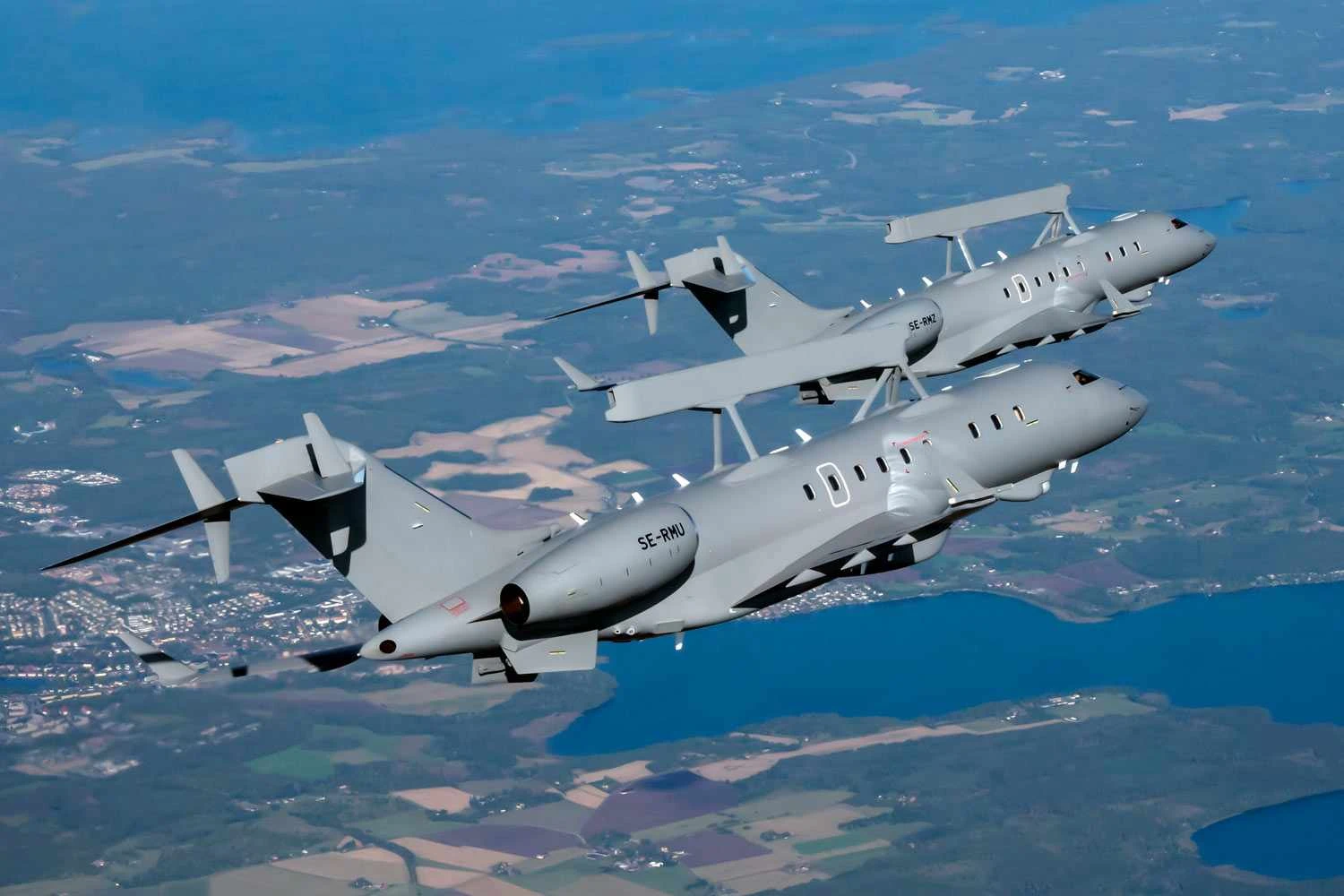
Aviation News – The Netherlands has signed a letter of intent with Sweden to acquire a Saab GlobalEye surveillance aircraft, giving the country an independent...
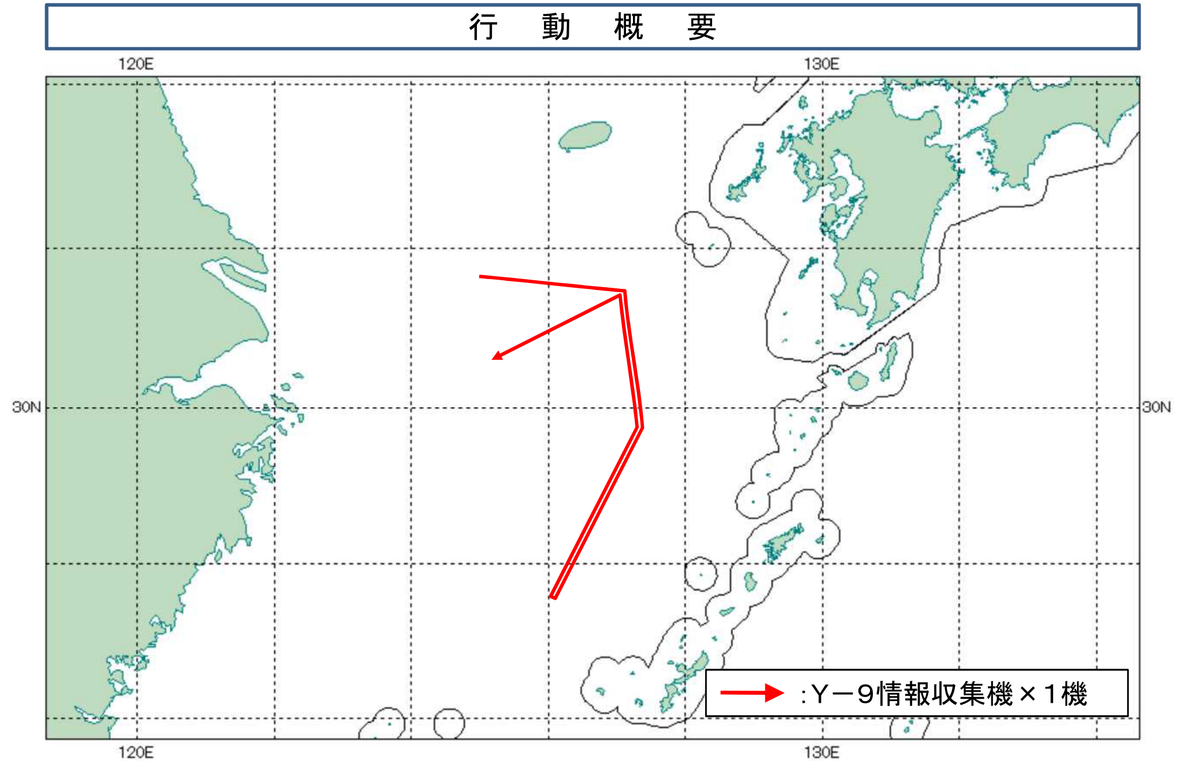
Japan’s Joint Staff recorded a Chinese Y-9 intelligence-gathering aircraft over the East China Sea each day from September 3…
AeroTime•Clement Charpentreau8 Sept
Etihad Airways, the national airline of the United Arab Emirates, will fly to Saudi Arabia’s Red Sea coast from 4 October 2026. The year-round service to Red Sea International Airport puts a new holiday destination on our map just over three hours from Abu Dhabi.

A firsthand look at Villa Dubrovnik's cliffside setting, sea-view rooms, spa, dining, and service, plus the points-booking angle worth knowing before you go.
 One Mile at a Time•Ben Schlappig6 Sept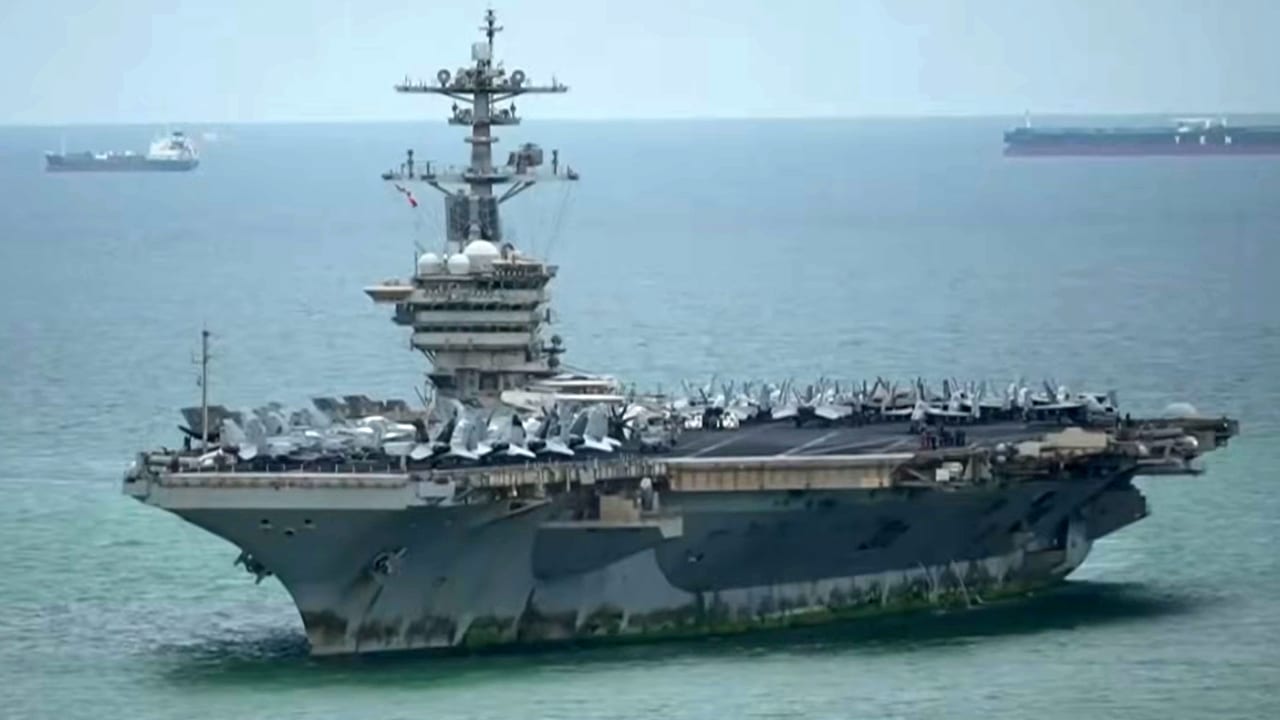
The carrier’s first full port stop of the deployment comes after 286 days at sea and nearly seven months of combat operations, with the ship visibly showing the effects of its prolonged time in the harsh marine environment. USS Abraham Lincoln arrived at Laem Chabang, Thailand, early on Sept. 2, 2026, for what the U.S. […]
The Aviationist•David Cenciotti2 Sept