Starlink

Platform · 104 articles
Share

All coverage

page 1 of 6

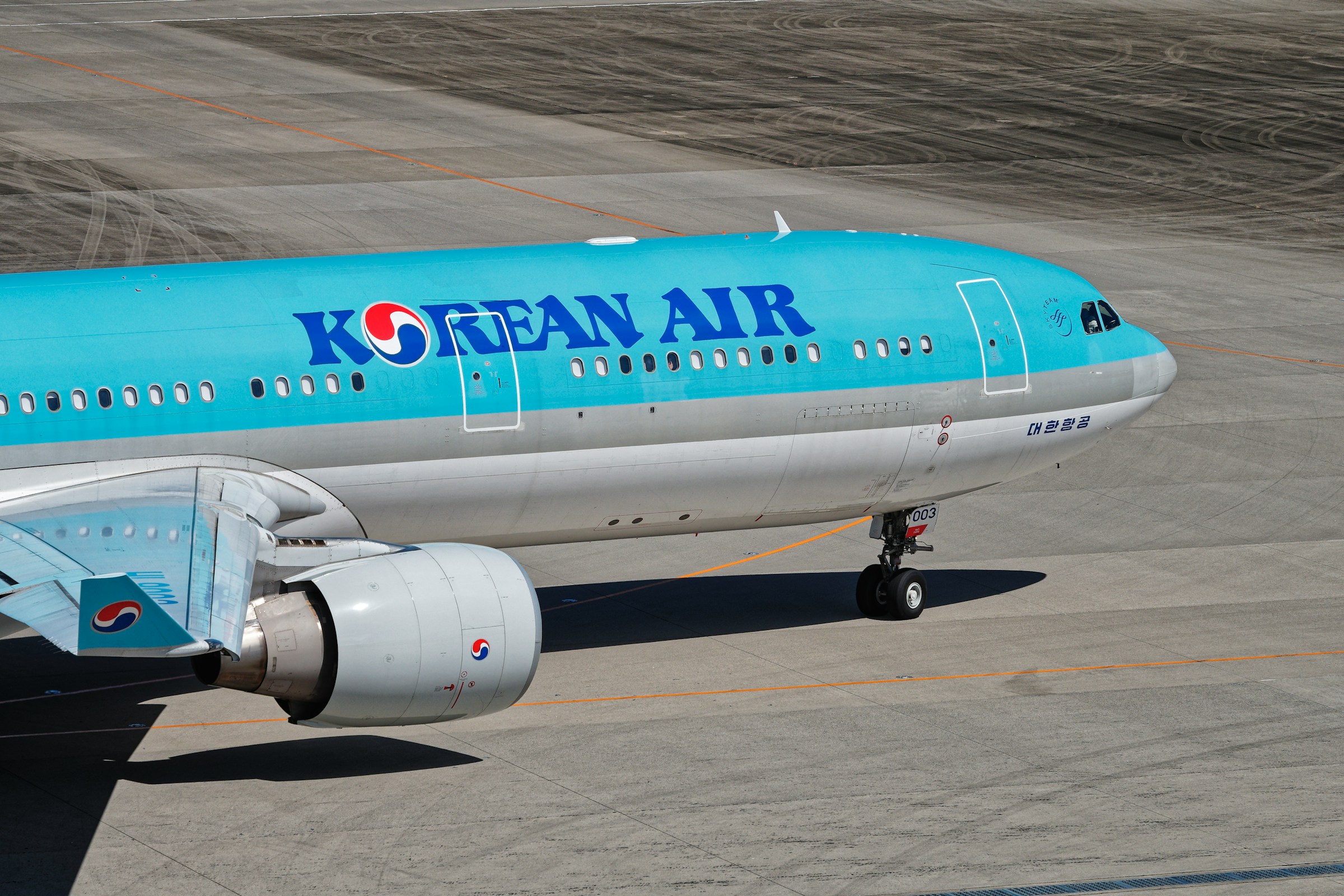
China coverage gap of note as Korean Air and Asiana offer Starlink

The ability to provide onboard Wi-Fi from gate to gate has long been a key selling point for airlines. However, as Low Earth Orbit (LEO) satellites are increasingly pressed into service to power low-latency inflight connectivity, compromises and tradeoffs must be made when landing rights for non-geostationary satellite (NGSO) services have not been secured in...

Runway Girl NetworkRunway Girl NetworkMary Kirby22 Sept
  • neutral toward Korean Air · 98%

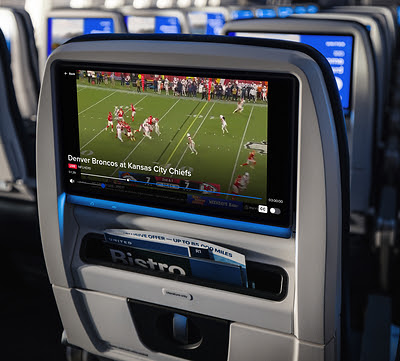
United pipes football games via DISH to Starlink-enabled screens

United Airlines continues to drive innovation in the passenger experience, and with good reason. The U.S. major’s premium hard product push, its fleet-wide rollout of SpaceX Starlink and adoption of seatback IFE across mainline aircraft are driving higher Net Promoter Scores (NPS) and helping management ensure United doesn’t “devolve into commodity-like returns,” to quote CFO...

Runway Girl NetworkRunway Girl NetworkBecca Alkema20 Sept
  • favorable toward Starlink · 84%

United Teams Up with DISH to Broadcast Professional and College Football Games Live on Starlink-Enabled Seatback Screens

United Airlines customers won’t miss a play this football season, thanks to a new agreement between the airline and DISH. Starting this week, travelers can catch live professional and college football games right on their Starlink-enabled seatback screen. Starlink is the fastest, most reliable Wi-Fi in the sky and United is installing Starlink at a […]

World Airline NewsWorld Airline NewsBruce Drum18 Sept
  • favorable toward Starlink · 98%

Can Starlink's Profits Outrun a $75 Billion Cash Burn?

SpaceX trades near $143.49 per share after its public debut, valuing the company at roughly $1.94 trillion. The macro backdrop works against that multiple. The ten-year Treasury yield has approached 5.0%, lifting discount rates across growth equities, while crude above $100 per barrel raises aerospace supply chain costs. Near-term flows cut the other way: the September 18 Nasdaq-100 rebalance lifts SpaceX's weighting from 1.28% to 2.82%, forcing up to $22 billion of passive buying. That demand meets heavy supply. Lockup releases have already added over 1.2 billion shares, and another 2.3 billion will become tradable before year-end. Second-quarter revenue reached $7.81 billion, up 91.9% year-over-year, against $18.7 billion for all of 2025. Management guides toward $100 billion in annual recurring revenue by December. Connectivity carries the business, with Starlink producing $4.3 billion in quarterly revenue and $2.6 billion in adjusted EBIT from 12 million subscribers at $66 ARPU. AI compute leasing added $2.6 billion in revenue and $1.1 billion in operating profit, helped by one undisclosed client paying $1.11 billion monthly. The launch segment still loses money, posting a $200 million adjusted EBIT loss as Starship development absorbs connectivity profits. Quarterly capital expenditures hit $18.4 billion, an annualized pace near $75 billion. David Einhorn has publicly questioned how investment-grade ratings square with persistent negative free cash flow. Government demand supplies the strategic ballast. A White House directive on commercial space transportation accelerates launch approvals, and Italy is negotiating a $1.6 billion Starlink security contract despite domestic opposition and Brussels' preference for the €10 billion IRIS² constellation, which will not fly before 2030. Starshield extends the franchise into defense, with satcom terminals planned across the F-35 fleet by 2031. The Pentagon's IL5 accreditation for Grok for Government opened a recurring software revenue line reaching 1.7 million defense personnel. Data center capacity of 1.4 gigawatts is scaling toward 2.0 gigawatts this year, at roughly $50 billion per gigawatt to build. Starship Flight 14 launches September 22 as the program's first orbital and first revenue-generating mission, deploying 26 Starlink V3 satellites. That single flight adds 26 terabits per second of bandwidth against 2.6 from a Falcon 9, with production missions targeting 60. The patent data reveals where management believes the moat sits: 73.5% of published families cover RF and user terminals, while rockets and propulsion account for just 3%. Engines and metallurgy stay locked as trade secrets rather than public blueprints. The investment question reduces to timing. If Starship reaches full reusability, SpaceX controls orbital bandwidth economics outright. Until operating cash flow covers the capital budget, the shares stay volatile.

TITradingView Ideas16 Sept
  • critical toward Starlink · 76%

Can SpaceX Monopolize Space and AI Computing?

Macroeconomics and Economic Realities SpaceX targets an astonishing $100 billion annualized revenue run rate by December 2026. Chief Financial Officer Bret Johnsen frames that as a forward-looking exit run-rate, not recognized full-year revenue. He also ties it to fully integrating the recently acquired AI startup Cursor. Second-quarter revenue reached $7.8 billion, up 92 percent year over year. That pace annualizes to roughly $31 billion today. Massive new AI compute leasing deals drive this rapid financial expansion. The company recently signed a $1.11 billion monthly compute contract beginning in December. That agreement adds over $13 billion in annualized revenue. However, Johnsen describes almost all hosting deals as 90-day commitments with 90-day exit provisions. These amount to roughly six-month commitments rather than guaranteed multi-year backlog. The company still lost $541 million last quarter, narrowing from $1 billion a year earlier. Investors closely monitor whether subscription compute revenues can sustain current valuation growth. Geopolitics and Geostrategy Satellite constellations now serve as vital assets in modern international defense. Starlink provides sovereign nations with resilient communication infrastructure during military conflicts. Consequently, Western governments view SpaceX as an indispensable national security partner. The U.S. Department of Defense relies on specialized Starshield satellite arrays. Meanwhile, launch reliance on foreign nations has vanished across North America. Sovereign access to low Earth orbit strengthens Western geopolitical posture. However, concentrated reliance on a single private contractor creates strategic geopolitical tensions. High-Tech Industry Trends The high-tech landscape is witnessing a convergence of space launch and artificial intelligence. AI developers urgently require massive computational capacity and reliable power sources. SpaceX actively leases access to high-density GPU clusters at dedicated facilities. Anthropic pays $1.25 billion monthly for the majority of capacity at Colossus 1 in Memphis. That facility houses roughly 220,000 Nvidia processors across 300 megawatts, under contract through May 2029. Google pays $920 million monthly from October 2026 through June 2029. Those two deals alone generate about $2.17 billion monthly, a $26 billion annualized run rate. All three contracts together lift monthly external compute revenue toward $3.28 billion. Concurrently, direct-to-device Starlink capabilities threaten legacy telecom operators worldwide. Next-generation direct-to-cell satellites deploy next year, targeting commercial 5G-grade service by early 2028. This dual disruption across telecom and cloud compute reshapes global tech trends. Technology, Science, and Pharmaceuticals Reusable orbital rockets drastically reduce the cost of conducting scientific research in microgravity. Microgravity enables perfect protein crystal growth impossible under Earth’s gravitational pull. Pharmaceutical firms leverage Dragon missions to formulate advanced therapeutic drugs and biopharmaceuticals. Furthermore, the massive Starship launch vehicle carries next-generation Starlink V3 satellites into orbit. That mission marks Starship’s first deployment flight generating direct revenue. The upcoming Starship Flight 14 test flight targets late September 2026. This launch system promises unprecedented payload capacity for deep-space science and commercial payloads. Business Models and Leadership Chief Executive Officer Elon Musk built a vertically integrated commercial enterprise. SpaceX operates as a launch provider, satellite internet operator, and compute landlord. Chief Financial Officer Bret Johnsen successfully monetized excess computing infrastructure through flexible enterprise contracts. Vertical integration allows SpaceX to build rockets, engines, and satellites in-house. This strategy drastically lowers operating costs while maintaining high gross margins. Capturing market share across telecom and cloud services accelerates total revenue diversification. Company Culture and Cybersecurity SpaceX maintains a culture centered on rapid hardware iteration and engineering speed. Fail-fast testing methodologies accelerate technological breakthroughs across all engineering departments. Furthermore, space-based communication networks demand impenetrable hardware and software cybersecurity protocols. Engine-level encryption and secure laser inter-satellite links protect user data against state-sponsored cyberattacks. Orbital communications must resist electronic jamming during geopolitical crises. Enterprise clients prioritize this high level of cyber resilience when selecting satellite networks. Patent Analysis and Future Outlook Patent filings reveal extensive intellectual property covering reusable thermal shielding and propulsion systems. Proprietary Raptor engine architecture and staging mechanisms create massive technical barriers for competitors. Advanced phased-array antenna patents protect Starlink hardware from low-cost knockoffs. Will SpaceX successfully execute its dual expansion into orbital launch and global AI compute? The company possesses unmatched technical velocity and strong market momentum. SpaceX stands poised to dominate high-tech infrastructure on Earth and in orbit.

TITradingView Ideas15 Sept
  • critical toward SpaceX · 68%

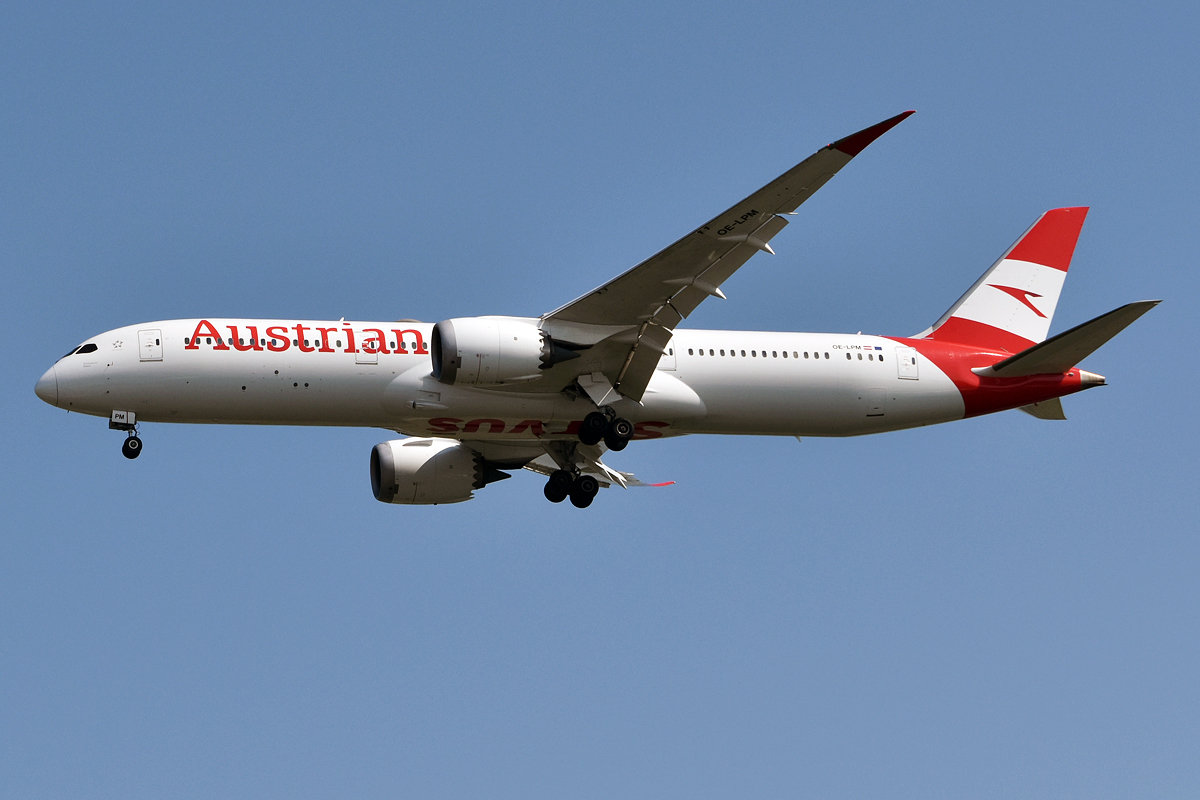
Austrian Airlines Launches Starlink Wi-Fi on First Airbus A320neo

Austrian Airlines has launched high-speed Starlink internet on board its first aircraft, with a brand-new Airbus A320neo completing its first scheduled flight to Porto (OPO) on Sept. 7, 2026. The aircraft, registered as OE-LXF, is the first in the Austrian Airlines fleet to feature Lufthansa Group Wi-Fi powered by Starlink. The service is designed to […]

Travel RadarTravel RadarAndreea Georgescu9 Sept
  • favorable toward Starlink · 84%

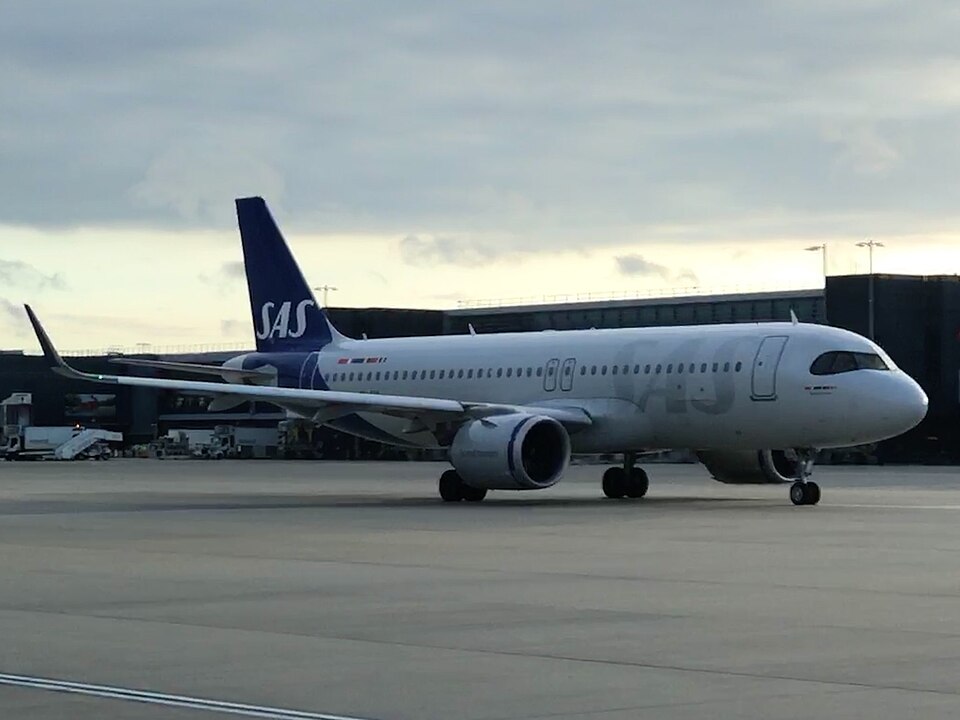
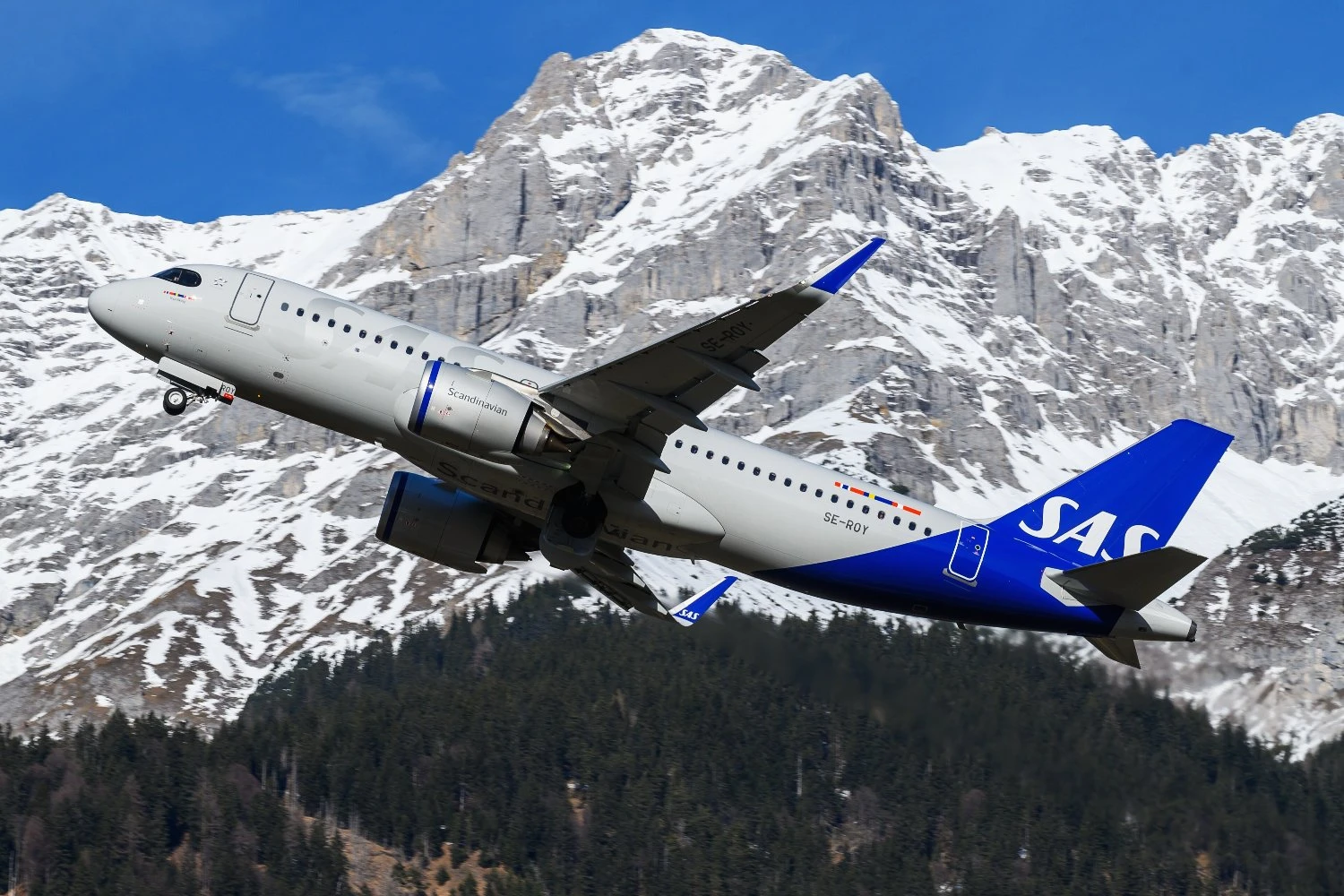
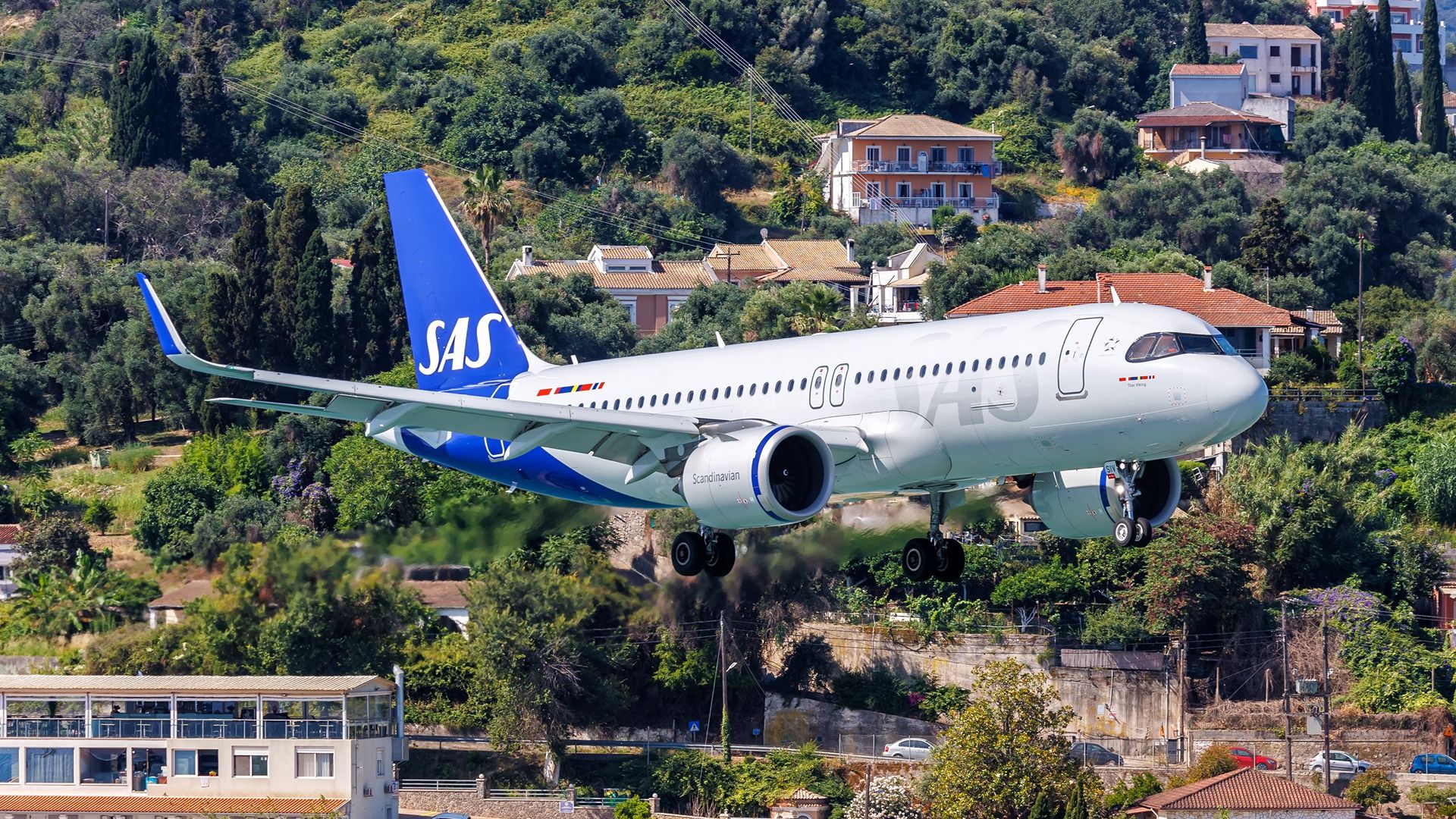
SAS Completes Starlink Installation Across Airbus A320neo Fleet

Scandinavian Airlines (SAS) has made high-speed onboard connectivity available on the airline’s European flights with the installation of Starlink satellite internet across its entire Airbus A320neo fleet. The airline first introduced Starlink connectivity in March and has now finished installing the service across the aircraft type, allowing SAS  passengers to work, stream content, browse the […]

Travel RadarTravel RadarManahil Chaudhary4 Sept
  • favorable toward Starlink · 90%