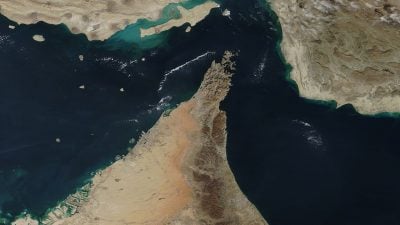
Iran warns Strait of Hormuz closure unless US meets demands
The closure threat heightens geopolitical tensions, risking global economic impacts and complicating diplomatic resolutions in the region.
 CryptoBriefing•Estefano Gomez26m ago
The closure threat heightens geopolitical tensions, risking global economic impacts and complicating diplomatic resolutions in the region.
CryptoBriefing•Estefano Gomez26m ago
In this first video episode of the podcast, Alia is joined by Ibrahim Jalal, an expert on Yemen and the Gulf. Ibrahim describes the major military escalation unfolding along the Red Sea coast and the tactics used by the Houthis.
 Atlantic Council•Alia Brahimi17h ago
Heightened U.S.-Iran tensions over the Strait of Hormuz could destabilize global oil markets and escalate military confrontations in the region.
CryptoBriefing•Estefano Gomez18h ago
Qatari Emir Sheikh Tamim bin Hamad Al Thani called for the reopening of the Strait of Hormuz while speaking at the UN.
 Al Jazeera19h ago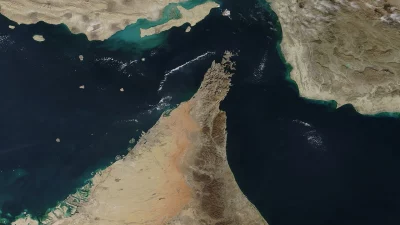
The U.S. initiative could reshape regional energy dynamics, reduce Iran's strategic leverage, and foster collaborative infrastructure investment.
CryptoBriefing•Estefano Gomez20h ago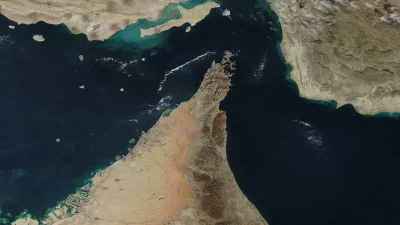
Iran's actions in the Strait of Hormuz could escalate regional tensions, impacting global oil markets and international maritime policies.
CryptoBriefing•Estefano Gomez21h ago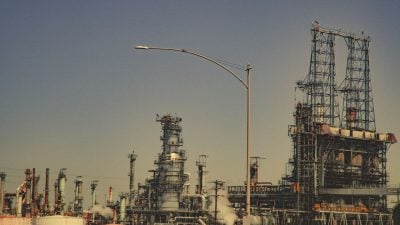
The potential reopening of the Strait of Hormuz could stabilize global oil markets, but hinges on complex US-Iran diplomatic negotiations.
CryptoBriefing•Editorial Team23h ago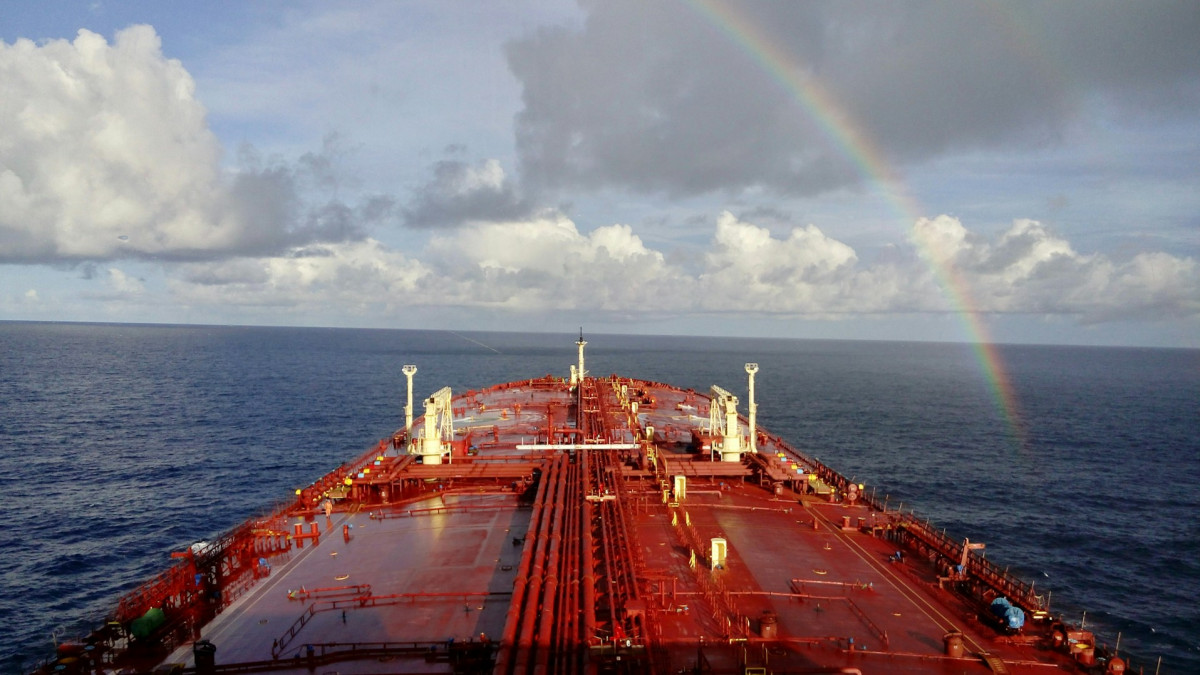
Iran has offered to open the Strait of Hormuz within seven days if the United States eases its pressure including taking steps toward ending the U.S. military blockade of Iranian ports and halting military operations in the Strait, a senior Iranian government official told Japan’s news agency Kyodo News on Tuesday. Hopes of a diplomatic breakthrough and Iran’s reported preparedness to reopen the Strait of Hormuz if the U.S. takes steps to ease the pressure sent oil prices tumbling by 3% early on Tuesday. The international benchmark,…
Iran's offer could stabilize oil prices, impacting global markets and geopolitical dynamics, while reducing the likelihood of price surges.
CryptoBriefing•Estefano Gomez22 Sept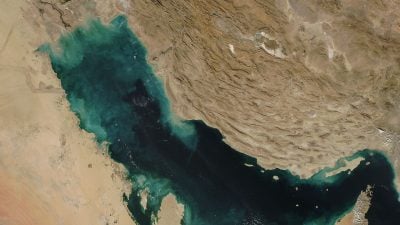
The U.S. fund could shift Gulf energy dynamics, reducing Strait of Hormuz reliance and potentially stabilizing regional tensions with Iran.
CryptoBriefing•Estefano Gomez22 Sept
Diesel supply is down 8% worldwide — and that’s the number trucking needs to watch. Andy Lipow of Lipow Oil Associates breaks down how Russian refinery attacks, Strait of Hormuz risk and Middle East disruptions are squeezing diesel markets while crude stays relatively softer. If you move freight, buy fuel or manage transportation costs, this […]
 FreightWaves•FreightWaves Staff21 Sept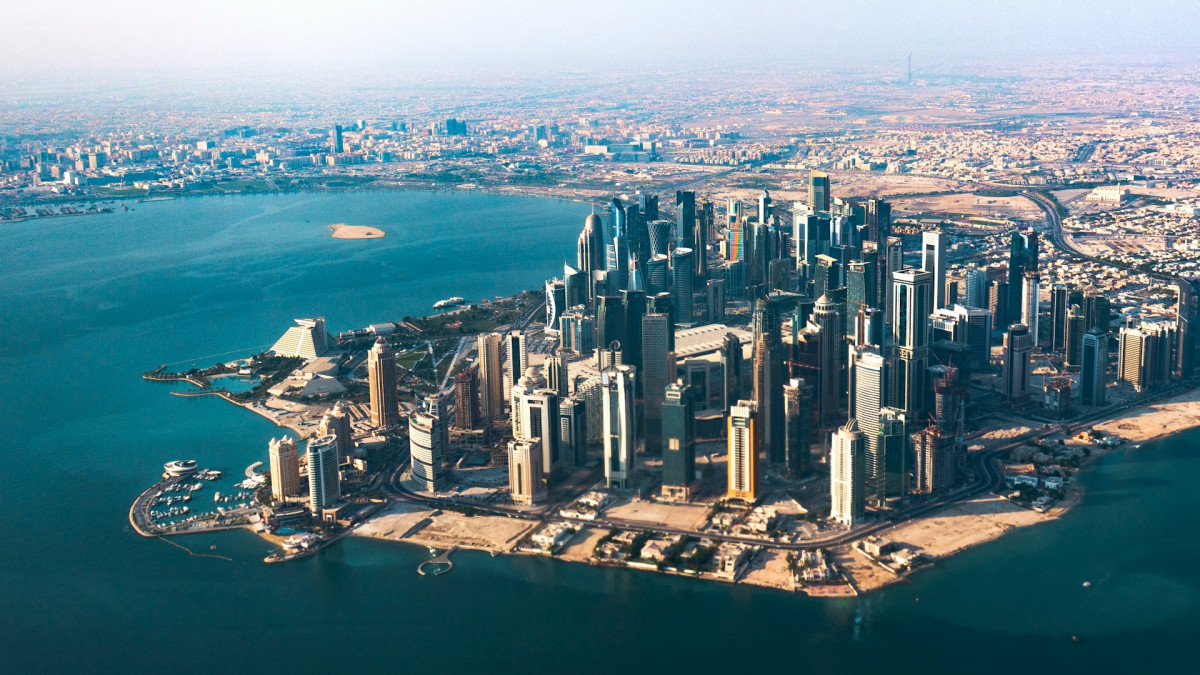
QatarEnergy CEO and Qatar Energy Minister Saad al-Kaabi says the Strait of Hormuz crisis could delay the company's LNG expansion because critical equipment cannot reach Qatar, Reuters reported on Monday. North Field East's first production train remains on schedule for the first half of 2027, Al-Kaabi said, but additional trains are contingent on Hormuz traffic resuming and North Field South beginning production on schedule in 2028. Iran's March 18 missile strike on Ras Laffan Industrial City knocked out two of Qatar's 14 LNG trains, removing 17%…
Rising tensions in the Strait of Hormuz could lead to increased shipping costs and global market instability, impacting energy supply chains.
CryptoBriefing•Editorial Team21 SeptGeopolitical tensions in Iran highlight the urgent need for diversified LNG supply chains, potentially driving long-term shifts in global energy markets.
CryptoBriefing•Estefano Gomez21 SeptThe ongoing drone losses highlight escalating tensions and potential disruptions in global oil supply, impacting economic stability and security.
CryptoBriefing•Editorial Team21 Sept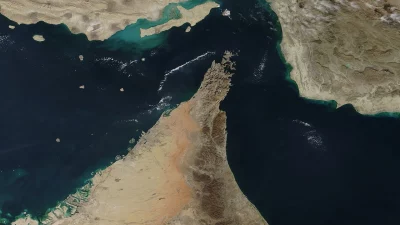
Qatar's mediation could stabilize regional tensions, potentially enhancing diplomatic relations and economic stability in the Gulf region.
CryptoBriefing•Estefano Gomez21 SeptImproved energy flows may stabilize oil markets short-term, but geopolitical tensions and OPEC actions will dictate longer-term price trends.
CryptoBriefing•Estefano Gomez21 Sept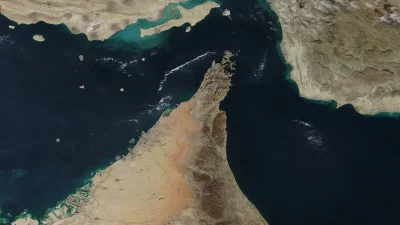
Escalating tensions in the Strait of Hormuz could disrupt global energy supplies, impacting international markets and diplomatic relations.
CryptoBriefing•Estefano Gomez20 SeptSaudi Aramco shifts crude exports to the Persian Gulf, easing supply fears and pushing Brent below $105. Friday, September 18, 2026 Last week’s market panic about the 7 million b/d East-West pipeline remaining offline for weeks gave way to a slightly more nuanced outlook this week, with Saudi Aramco re-orienting all its loadings to the Persian Gulf. Whilst flows from Ras Tanura still carry the risk of potential Iranian drone strikes in the Strait, the fact that Saudi Aramco keeps on offering crude to Asian buyers (in contrast to its Europeans…
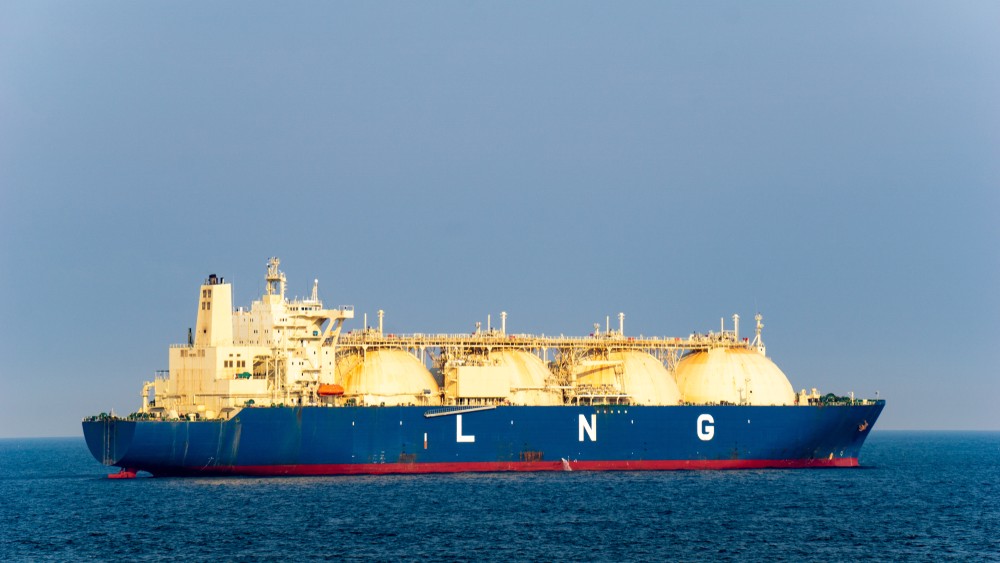
At least two LNG carriers have transited the Strait of Hormuz so far this week, while two others were detected to have engaged in ship-to-ship transfers outside the Strait offshore Oman, tanker-tracking and satellite data compiled by Bloomberg showed on Friday. The uptick in LNG cargoes managing to exit the Strait of Hormuz signals that the LNG exporters in the Persian Gulf, mostly Qatar and the United Arab Emirates (UAE), are intensifying efforts to have LNG supply push through the chokepoint after months of near-total halt of shipments. While…