
New York Times lawsuit triggers surge in options activity
The surge in options activity highlights market sensitivity to legal risks, potentially impacting investor confidence and NYT's financial stability.
 CryptoBriefing•Editorial Team21 Sept
The surge in options activity highlights market sensitivity to legal risks, potentially impacting investor confidence and NYT's financial stability.
CryptoBriefing•Editorial Team21 Sept
From an abstract portrait of an actor who might be Natalie Portman to a groundbreaking work of autofiction, we rate the best from the coolly controversial author In Cusk’s headline-grabbing latest, a writer invents the biography of a film star who sounds very like Natalie Portman. Set in the now standard late-Cusk sans serif typeface (no frivolous flourishes!), Life of M serves up observations on fame in a light fictional coating. “To always be playing a part is to have no home.” Having made her name as a devilishly good creator of brainy social comedies, Cusk’s pivot to wintry autofiction since the Outline trilogy appears to have reached its logical conclusion in this flat, abstracted portrait of empty celebrity. The New York Times called it “rarefied, cosmopolitan, self-serious”. Sample line: “Everything I did or said in her company was false. It was as if I was acting, while M came across as authentic and real.” Continue reading...
 The Guardian•John Self21 Sept
Trump's reversal on Yemen strikes may ease U.S. military involvement, potentially boosting U.S.-Iran diplomatic prospects and market optimism.
CryptoBriefing•Estefano Gomez21 Sept
The New York Times' latest game, Pips, brings domino fun to your desktop. How to play Pips as well as hints in case you get stuck.

Connections is a New York Times word game that's all about finding the "common threads between words." How to solve the puzzle.

Connections: Sports Edition is a New York Times word game about finding common sports threads between words. How to solve the day's puzzle.

Why is NYT Connections trending today? Explaining the meanings behind the clues for NYT Connections #1198.

Director Aaron Sorkin told The New York Times in the latest edition of The Interview that his “Social Reckoning” star Jeremy Strong, a known method actor, was treating his co-stars “the way he imagines” Mark Zuckerberg would treat them during filming. Strong, of course, plays the Meta CEO in “The Social Network” follow-up. “Jeremy does […]
 Variety•Jack Dunn20 Sept
For most of its life, The New York Times has tried to correct its errors. These efforts have not always been perfect.
 The New York Times•Adam Nagourney20 Sept
Connections: Sports Edition is a New York Times word game about finding common sports threads between words. How to solve the day's puzzle.

Why is NYT Connections trending today? Explaining the meanings behind the clues for NYT Connections #1197.

Connections is a New York Times word game that's all about finding the "common threads between words." How to solve the puzzle.

The New York Times' latest game, Pips, brings domino fun to your desktop. How to play Pips as well as hints in case you get stuck.

Connections is a New York Times word game that's all about finding the "common threads between words." How to solve the puzzle.

Why is NYT Connections trending today? Explaining the meanings behind the clues for NYT Connections #1196.
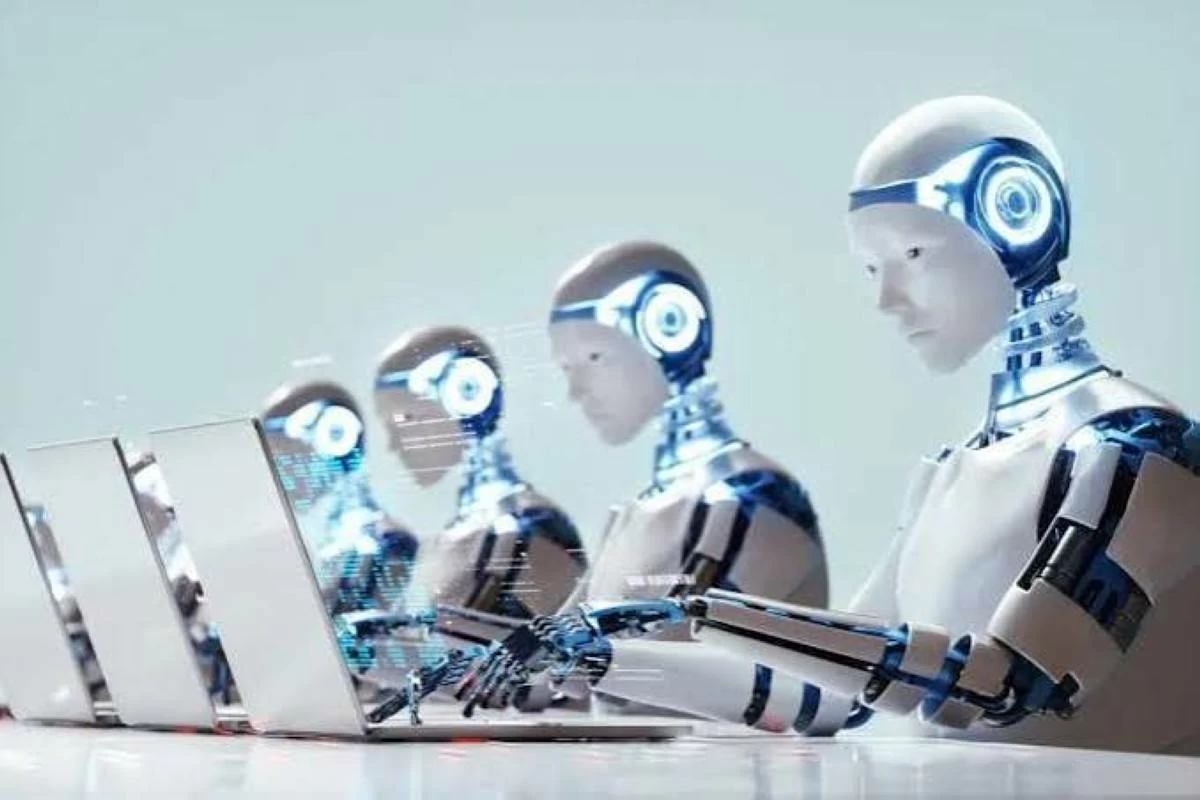
The New York Times, citing US officials and security researchers, revealed that an Iranian state-backed campaign used what are known as ‘artificial intelligence proxies’, programmes capable of running software and accomplishing a series of tasks autonomously, in an operation targeting an audience within the United States. According to security officials, the danger of this new development lies in the fact that artificial intelligence (AI) is no longer used only to produce a fake image or write a misleading post, but has become capable of carrying out multiple parts of the same influence campaign, starting from creating accounts, through producing content, to publishing it and interacting with other users. According to the newspaper, the perpetrators used open-source Chinese artificial intelligence models to create hundreds of ‘agents’ before deploying them to manage accounts on platforms including Facebook, Instagram, X, and TikTok. Officials said that safeguards intended to prevent the AI systems from creating fake accounts or manipulating online discussions were disabled in several cases. The Iranian aspect of these operations was the most worrying for officials and researchers who spoke to the newspaper, along with Chinese and Israeli models. The AI-generated accounts presented themselves as ordinary Americans living in major cities and used those identities to participate in political discussions and comment on posts by journalists and politicians. The accounts posted satirical images and content addressing American political issues, including positions opposing the Republican Party, while the number of followers of the AI-created accounts reached about 80,000 people during the first half of the year, according to the New York Times. Security researchers said that these campaigns are still relatively primitive, but their importance lies in the direction they reveal, as more sophisticated systems in the future could make automated accounts more capable of impersonating the real user and engaging in conversations that are difficult to distinguish from human activity. Kyle Crichton, a researcher at Georgetown University’s Center for Security and Emerging Technologies, said that agents could become so sophisticated that, in addition to running large numbers of accounts, they could “bluntly blend in and appear more like a human user.” Why open models? Part of the concern relates to the use of open artificial intelligence models that can be downloaded and run on private devices and have their protection mechanisms modified. Kyle Chan, a researcher at the Brookings Institution, explained that the difference from the closed models offered by companies like OpenAI and Anthropic is that open systems can be operated independently, reducing the ability of the developing companies to intervene and stop their use when they are exploited in illegal activities. The experiments are not limited to Iran. US officials said China has tested the same techniques, while two other campaigns have been linked to private companies in Israel. In one Israeli case, a company admitted to using the Chinese ‘deepsick’ model to control thousands of accounts, but said the activity was a defensive test to study the risks of misuse of such systems.
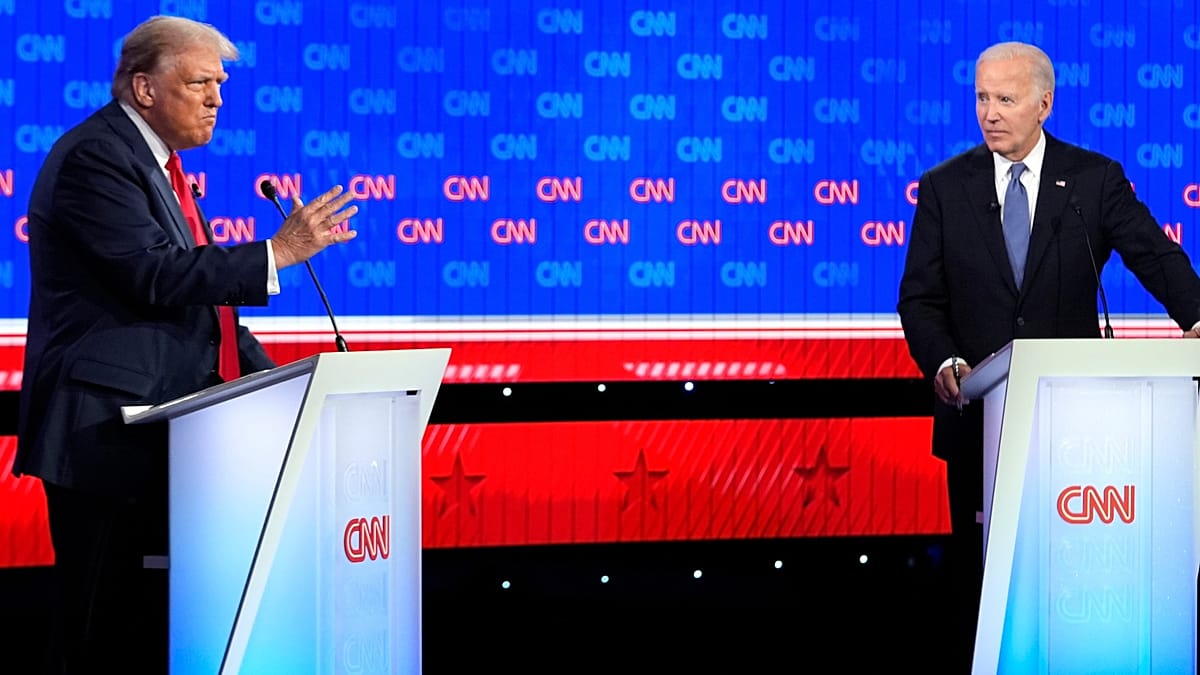
The president has already pursued legal action against other major news organisations, including The New York Times, The Wall Street Journal and the BBC.
 Euronews18 Sept
Anthropic's rapid revenue growth and IPO plans could significantly impact AI market dynamics and investor confidence in tech valuations.
CryptoBriefing•Estefano Gomez18 Sept
Duncan Sheik, the singer-songwriter whose song “Barely Breathing” was a era-defining hit in the 1990s and who composed the Tony-winning Broadway hit Spring Awakening, died Thursday, September 17, at a hospital in Manhattan of cardiac arrest. He was 56. His death was announced to The New York Times today by his mother, Suzanne Sheik. The […]
 Deadline•Greg Evans18 Sept
Duncan Sheik, who had a pop smash with “Barely Breathing” in the mid-1990s but then found his biggest success — and Tony wins — with the long-running stage musical “Spring Awakening,” has died at 56. The New York Times reported that his death was confirmed by his mother, and that he died of organ failure. […]
Variety•Chris Willman18 Sept