Study reveals how red blood cells adapt to low oxygen
They account for nearly 83% of all cells in the human body, yet red blood cells are often portrayed as little more than bags of hemoglobin ferrying oxygen from the lungs to the heart and beyond.

They account for nearly 83% of all cells in the human body, yet red blood cells are often portrayed as little more than bags of hemoglobin ferrying oxygen from the lungs to the heart and beyond.

Across the country, kids are settling into new school year routines. Parents buy backpacks, teachers arrange desks and lesson plans, and friends reconnect.

When public health researchers want to know whether diseases such as COVID-19 or polio are circulating in a community, they can look for genetic evidence in wastewater.

About 1.2 million people in the United States are living with HIV, or human immunodeficiency virus. Because of major advances in medical treatment and technology, people with HIV are living long, healthy lives.

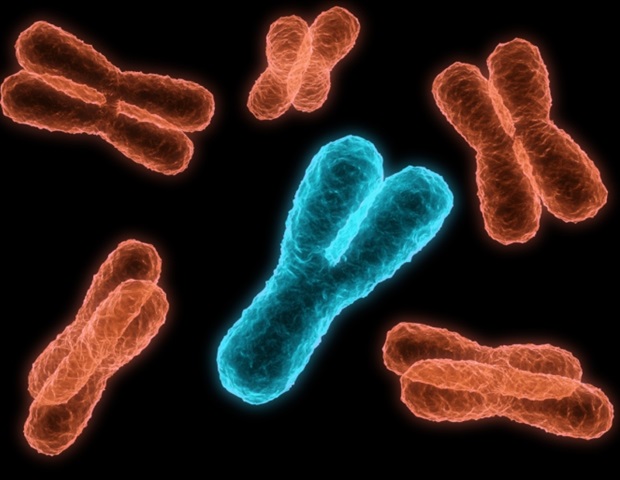
A study initiated by a University of Arizona Cancer Center physician-scientist Dr. Dan Theodorescu revealed that the loss of the Y chromosome in men's body tissue could pave the way for cancer to develop in that tissue.

In the sickest COVID-19 patients, the SARS-CoV-2 virus doesn't just cause severe damage by directly infecting airway cells.

Researchers have uncovered a previously unknown gene causing resistance to a leading blood cancer drug and several genes that accelerate lymphoma growth by using a powerful new CRISPR activation library.

A team of researchers trained three machine learning models-Logistic Regression, Random Forest, and Support Vector Machine (SVM)-to classify healthcare workers according to their level of psychosocial resilience, using information collected during the COVID-19 pandemic.

On World Patient Safety Day, 17 September, we often think about preventing medical errors, infections or other risks in healthcare.

Researchers at The University of Texas MD Anderson Cancer Center have identified a previously unknown role for B cells, which are adaptive immune cells, in triggering and sustaining colitis occurring as a side effect of immune checkpoint inhibitors, a widely used form of cancer immunotherapy.

An irregular pattern and consistently higher levels of a stress hormone called cortisol found in the saliva were associated with cognitive decline later in life - Blacks specifically had lower overall cortisol levels and less change in their levels during the day than whites - according to newly published research.

The Global Virus Network (GVN) is closely monitoring detections of highly pathogenic avian influenza A (H5N1), commonly known as bird flu, in several mammal species in Australia as the virus continues to spread among birds and mammals worldwide.

Why do food cravings become so strong during pregnancy? Researchers at LSU's Pennington Biomedical Research Center, in collaboration with colleagues, have identified a brain mechanism that may help explain how pregnancy changes the motivation to seek certain highly palatable foods.

Chile has become the first country in South America to receive the World Health Organization (WHO) validation for eliminating dog-transmitted rabies as a public health problem.

Oral health can no longer be treated separately from general health, according to a new white paper from the European Federation of Periodontology (EFP) and the European Association of Dental Public Health (EADPH) which calls for closer collaboration between dental, medical, public-health and social-care professionals.

But creating a long-lasting electronic connection with the brain is complicated. Conventional microwire and silicon electrodes are much stiffer than soft brain tissue.

A UVA Health doctor and other leading national experts have developed important new guidelines to improve care for patients who develop sepsis, a dangerous full-body infection that kills at least 350,000 Americans every year.

Mitochondria - tiny structures that convert nutrients into energy - are often depicted as discrete kidney bean-shaped objects.

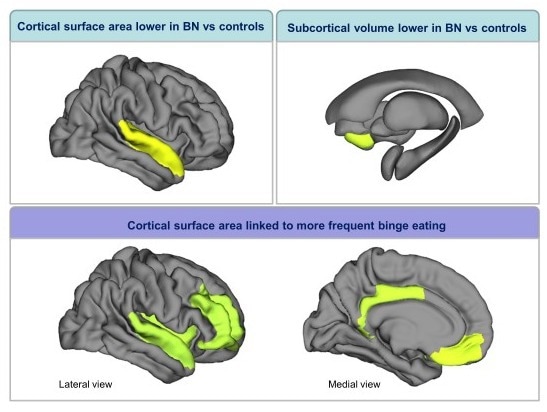
Researchers at the Icahn School of Medicine at Mount Sinai found that individuals with bulimia nervosa have structural differences in brain regions involved in reward and motivation, as well as social and sensory processing, and that more frequent binge eating is associated with more widespread differences in brain structure, according to research published today in JAMA Psychiatry.

Researchers have completed the largest study to date of TCF7L2-related neurodevelopmental disorder (TRND), a rare genetic condition caused by changes in the TCF7L2 gene, which plays an important role in brain development.