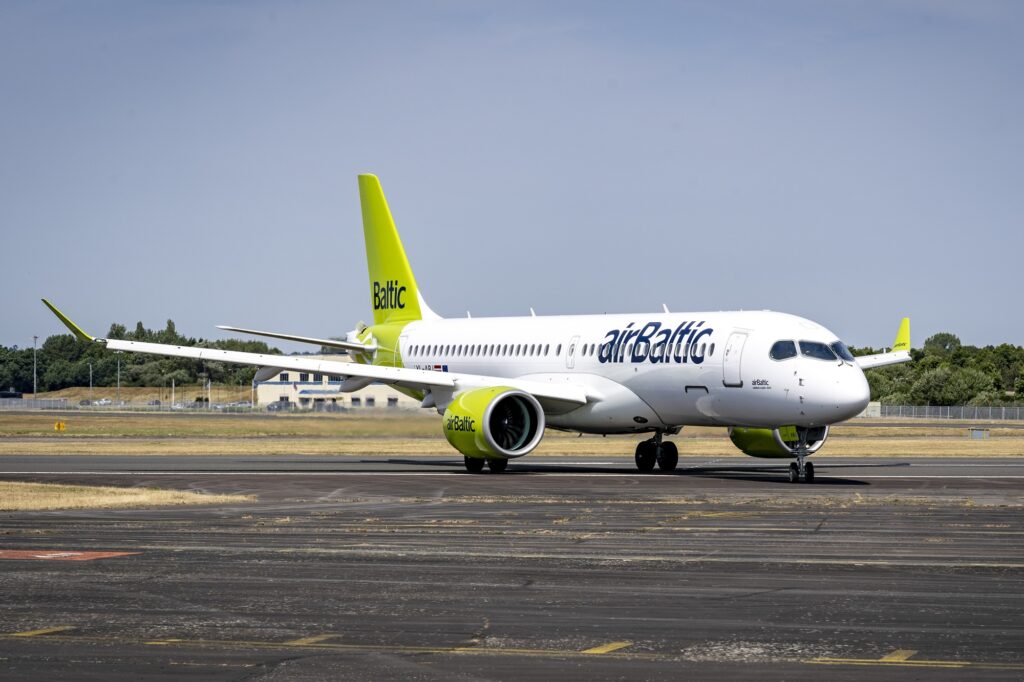
airBaltic crisis forces SWISS to prepare backup plan for wet-leased A220s
Five aircraft from the Latvian carrier currently operate for SWISS, whose parent Lufthansa Group also owns a 10% stake in airBaltic
- critical toward airBaltic · 92%

Five aircraft from the Latvian carrier currently operate for SWISS, whose parent Lufthansa Group also owns a 10% stake in airBaltic

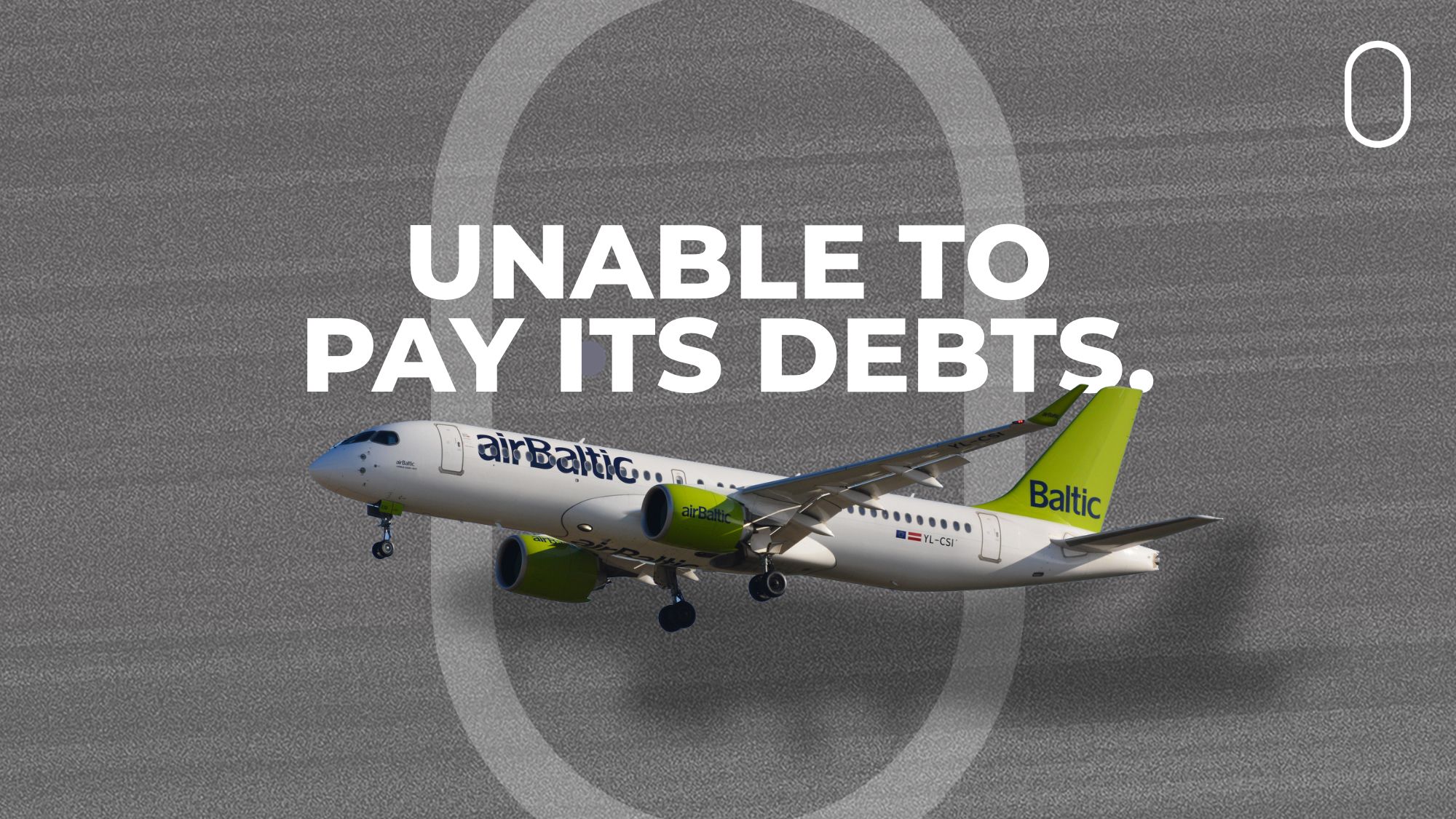
airBaltic filed for Chapter 11 bankruptcy protection on September 14, seeking to restructure roughly $583 million in funded debt and finance lease liabilities under US bankruptcy court supervision — Case No. 26-12188, Southern District of New York. The airline says…

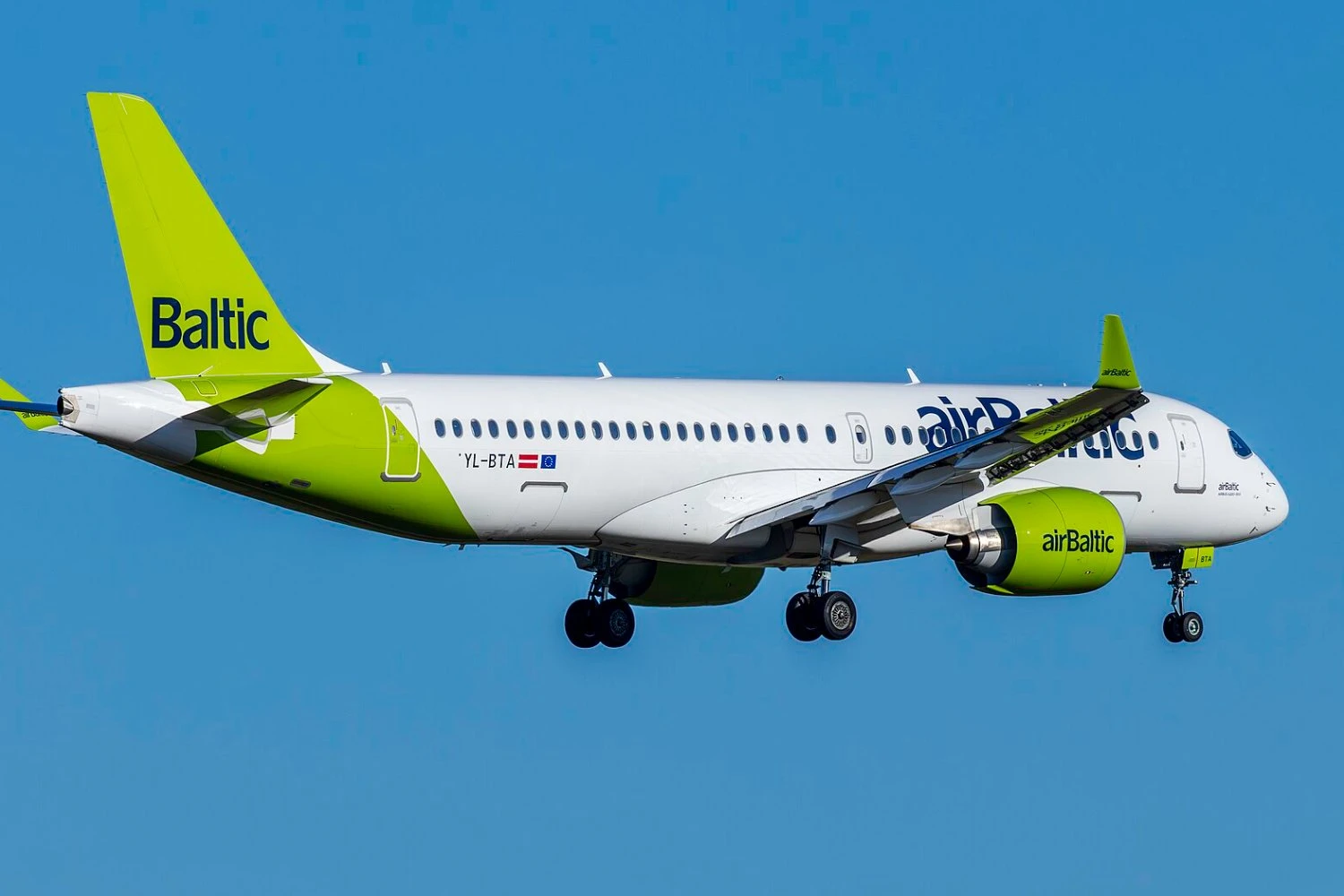
airBaltic has said its ongoing bankruptcy restructuring will have no impact on its cooperation with Air Serbia, including the wet-lease arrangement under which the Latvian carrier operates up to four Airbus A220-300 aircraft on behalf of its Serbian counterpart. Air Serbia has similarly confirmed that all planned operations under the agreement are continuing without changes. “The proceedings will have no impact on airBaltic’s partnership with Air Serbia. As planned, airBaltic will continue to provide Air Serbia with up to four Airbus A220-300 aircraft, together with crew, maintenance and insurance, under a wet-lease arrangement”, airBaltic said. Under a wet-lease, also known as ACMI, the operating airline provides the aircraft, crew, maintenance and insurance, while the contracting carrier retains commercial control of the flights, which operate under its own flight numbers. Air Serbia also confirmed that the developments at airBaltic have not affected the arrangement. “The proceedings in question have no impact on the operational cooperation between Air Serbia and airBaltic, including flights operated by the Latvian carrier under the existing agreement. All planned operations are being carried out in accordance with the schedule and without any changes for Air Serbia passengers”, the Serbian flag carrier said. Air Serbia and airBaltic signed a two-year wet-lease agreement in October 2025, which came into effect on November 1 of that year. The arrangement initially envisaged two A220-300s operating on behalf of Air Serbia during the 2025/26 winter season and up to four during the 2026 summer season. Based on its two-year duration, the current agreement is set to run until the end of October 2027, unless amended by the two airlines. During September alone, the Latvian carrier’s aircraft are deployed on 516 Air Serbia flights, including both outbound and return services. The A220-300s are most frequently being used this month on services to Zurich, Amsterdam and Paris. airBaltic has also begun hiring locally based crew in Belgrade in recent months, who are assigned to flights operated on behalf of Air Serbia. Earlier this year, the carrier advertised thirty fixed-term cabin crew positions at its Belgrade base. The assurances come after airBaltic voluntarily filed for Chapter 11 bankruptcy protection in the United States on September 14 as it seeks to restructure its finances. Chapter 11 enables a company to continue operating while reorganising its debt and other obligations and does not amount to a liquidation. airBaltic has said its flight operations will continue during the process. The Latvian flag carrier has been facing mounting financial pressure, including a sizeable debt burden. The restructuring will involve changes to airBaltic’s fleet and cost base. The airline plans to reduce the size of its Airbus A220-300 fleet from 55 to 36 aircraft by the end of 2026, while discussions have also been launched with unions over potential workforce reductions. airBaltic CEO Erno Hilden has stressed that operations will not be disrupted during the restructuring and has indicated that the carrier’s wet-lease business will form an important part of the process. Air Serbia has previously described the aircraft as an important reference point for future decisions concerning the composition of its own fleet. EX-YU Aviation News

Air Serbia and Croatia Airlines have been named among the leading carriers in their respective regions at the 2026 World Airline Awards, organised by Skytrax. However, changes to Skytrax’s geographic classifications and the number of airlines included make direct comparisons with last year more difficult. Air Montenegro, which featured in the previous two editions, has not appeared within any category. Air Serbia was voted the second-best airline in Eastern Europe, improving from third place last year. It ranked behind airBaltic and ahead of Georgian Airways, Bulgaria Air and TAROM. However, three carriers that were previously included in the category - LOT Polish Airlines, Wizz Air and Croatia Airlines - have been moved to a newly introduced Central European ranking. Croatia Airlines placed third in the Central European category, behind LOT Polish Airlines and Wizz Air. Skytrax listed only those three carriers in the ranking. The Croatian flag carrier was seventh in Eastern Europe last year, while LOT and Wizz placed first and fourth respectively. Skytrax has not provided an explanation for the geographic reshuffle or why only three airlines were included in the new Central European table. The classification is also applied inconsistently across the awards. In the regional cabin crew rankings, Croatia Airlines continues to be grouped under Eastern Europe. It was named the region’s second-best carrier for cabin crew, behind airBaltic, while Air Serbia placed third. Air Montenegro does not feature in any of the published 2026 rankings. The carrier placed tenth in Eastern Europe in both 2024 and 2025. Air Serbia maintained a strong showing in the regional airline categories. It was named the third-best regional carrier in Europe, behind Aegean Airlines and Air Dolomiti, retaining the same position as last year. Globally, it improved from eighteenth to seventeenth place among regional airlines. However, the Serbian carrier dropped out of the world’s top 100 airlines after making its first appearance in the ranking last year, when it placed 99th. Neither Croatia Airlines nor Air Montenegro featured in the top 100. Singapore Airlines was named the world’s best airline for the sixth time in the history of the awards, moving up from second place last year. It was followed by 2025 winner Qatar Airways, while Cathay Pacific retained third place. ANA All Nippon Airways and Turkish Airlines completed the top five. Turkish Airlines was also named Europe’s best carrier, ahead of Air France and Lufthansa, while oneworld was voted the world’s best airline alliance. The 2026 World Airline Awards were presented at a ceremony in London yesterday. The results were based on an online passenger survey conducted between September 2025 and August 2026, covering more than 300 airlines. Travellers from over 100 nationalities participated. Skytrax says the awards are independent, with no entry or registration fees, sponsorship or payments required from airlines. Survey submissions are screened, with duplicate, suspect and ineligible entries removed. Despite their prominence, the Skytrax rankings have faced criticism over their transparency. The organisation does not publish detailed vote totals, airline-specific sample sizes, scores or the weighting applied to individual survey categories. EX-YU Aviation News

Following a recent announcement that it would shrink its fleet size by roughly a third, Latvian flag carrier airBaltic opened the week on yet another minor chord by applying for bankruptcy protection under Chapter 11 in the United States. The airline, where German aviation powerhouse Lufthansa (LH/DLH) holds a minority stake, is seeking to restructure […]

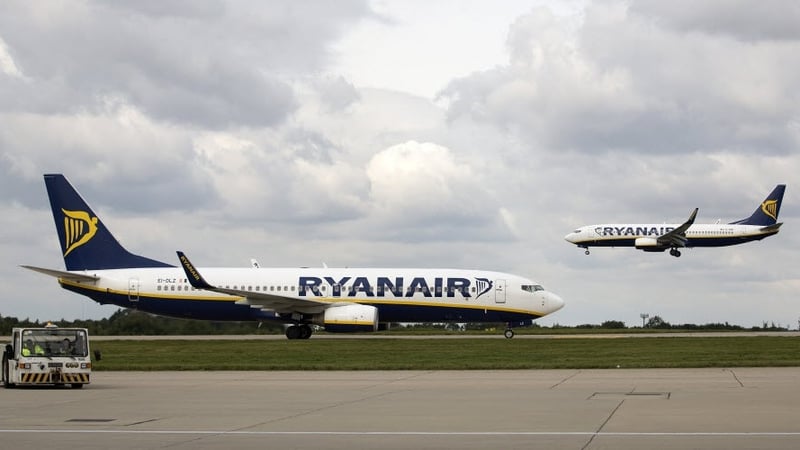
Ryanair said today it plans to double passenger numbers in the Baltic region over the next five years, seeking to capitalise on airBaltic's retrenchment and bankruptcy protection filing.

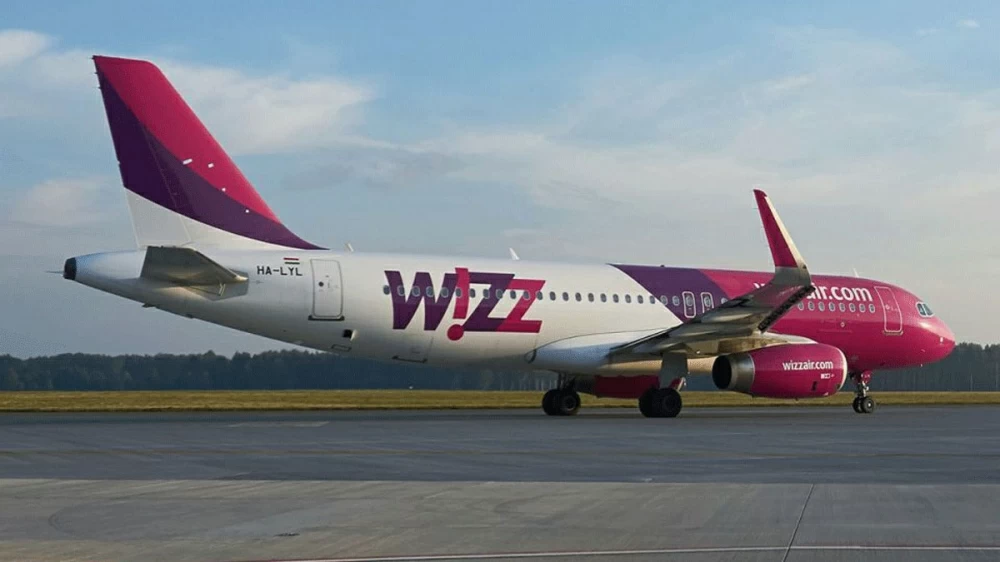
Budget carrier Wizz Air on Thursday said it had cut its planned capacity for the second half of its fiscal year by 5%, joining rivals in scaling back growth plans as the Iran war continues to drive a sharp rise in fuel costs. The worst airline crisis in terms of costs since the COVID-19 pandemic, the U.S.-Iran war has sent the global aviation industry into a severe cost shock, with Latvian airline airBaltic becoming the first European carrier to file for bankruptcy earlier this week due to the conflict. While full-service flag carriers have generally proved more resilient than budget operators, whose business models rely on cheap fares, even larger U.S. carriers have scaled back their planned flight schedules as surging fuel prices threaten earnings. Wizz Air upgraded its revenue per available seat kilometre (RASK) forecast for the second quarter running from July to September to flat year-on-year, from a previous forecast of "down low single digits," after a stronger-than-expected summer revenue performance, sending shares up more than 3% in early trade. The Hungarian airline set out medium-term financial targets of achieving €10 billion ($11.47 billion) in revenue and a 10% EBIT margin by fiscal year 2030 as it seeks to restore sustainable profitability after a turbulent stretch. It also plans to operate an all-new-engine-option fleet of 335 aircraft and carry 127 million passengers by fiscal year 2030, up from the 269 aircraft it currently operates and the 69.7 million passengers it carried in its last financial year. The targets mark a pivotal moment for Wizz Air, which has spent the past two years battling grounded aircraft from Pratt & Whitney engine issues, surging fuel costs from the Iran war and a bruising stretch of losses, as it attempts to convince investors it can translate its ultra-low-cost model into durable returns.

Latvian flag carrier airBaltic, which also operates bases in nearby countries Estonia, Finland, and Lithuania, has filed for Chapter 11 Protection in the United States Bankruptcy Court for the Southern District of New York. These kinds of bankruptcy proceedings are often used by airlines looking to improve their financial situation without having to put a stop to their operations altogether.

The US Bankruptcy Court for the Southern District of New York has approved airBaltic to access $162 million…

A US bankruptcy court has granted airBaltic’s initial requests following the Latvian carrier’s voluntary filing for Chapter 11 protection, allowing the airline to maintain normal operations during its financial restructuring. The court also authorised airBaltic to draw an initial €140 million from a €350 million debtor-in-possession financing facility. The remaining funds will become available in […]


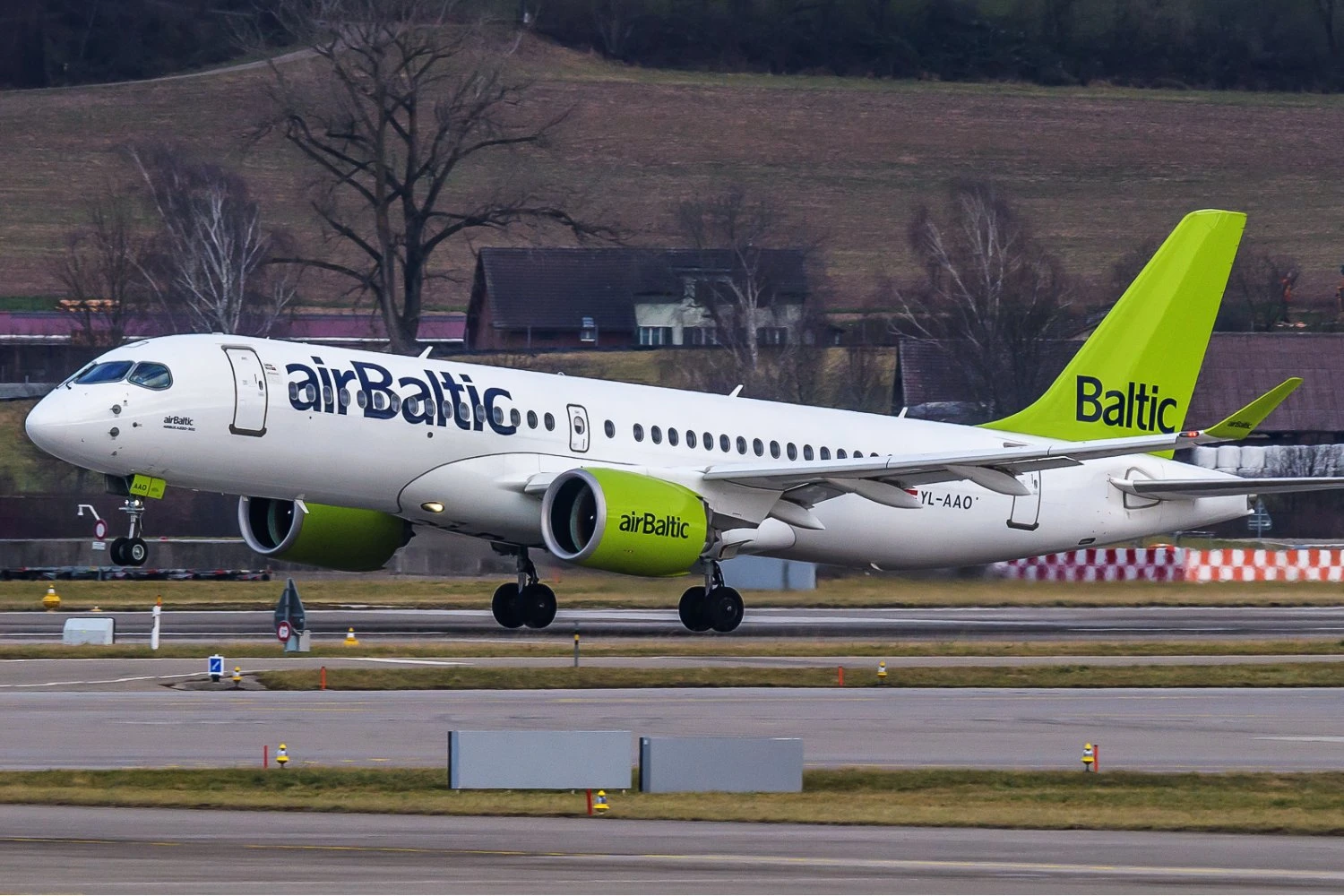
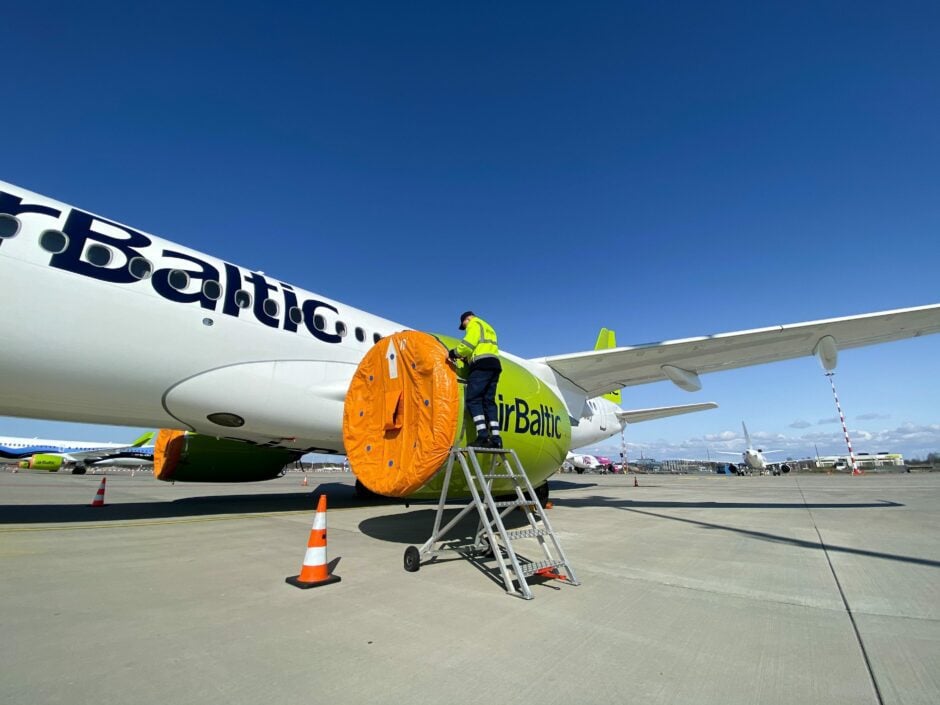
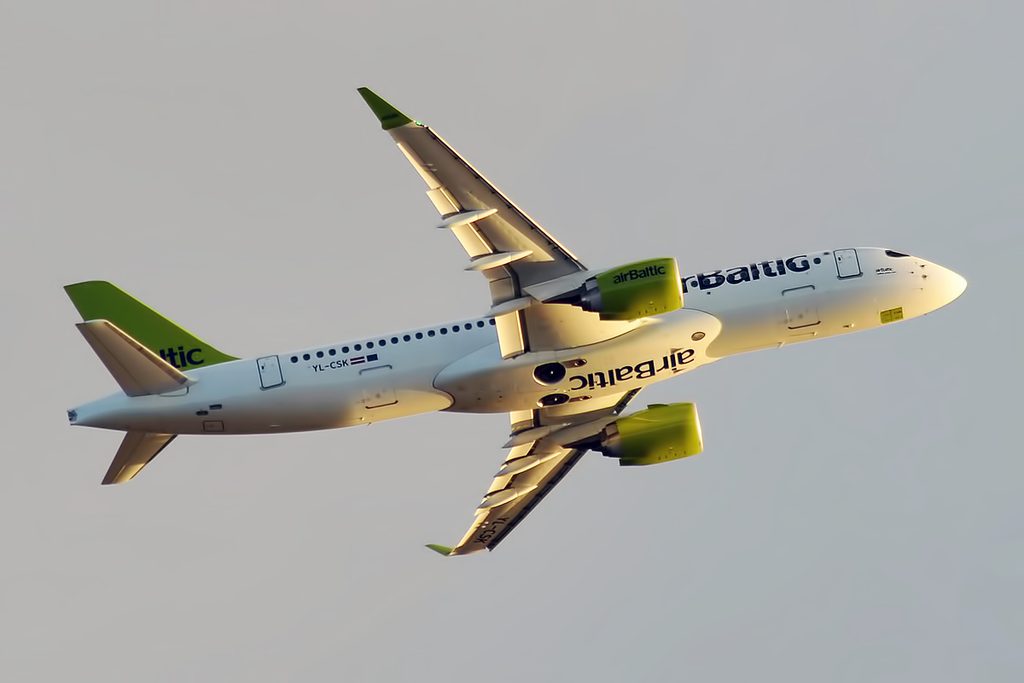
Latvian carrier built one of the world’s largest A220 fleets but now plans to shrink to 36 aircraft and could eliminate its entire remaining Airbus backlog

NEWS FLASH Air Serbia inaugurated flights between Belgrade and Tenerife this afternoon, marking its seventh destination in Spain. The sold-out inaugural service was operated by an Airbus A320 aircraft, although an A220-300, wet-leased from airBaltic, will operate the majority of flights this winter. Tenerife becomes Air Serbia’s sixth-longest route, behind its long-haul services, and its longest within Europe. Operations were initially scheduled to commence on October 27 but were brought forward to mid-September due to strong demand. Flights will run twice per week. Commenting on the launch, Air Serbia’s General Manager for Commercial and Strategy, Boško Rupić, said, “With the launch of nonstop flights to Tenerife, we continue to expand Air Serbia’s network in Spain, which is one of the most important and attractive tourist destinations in Europe. Strong passenger interest in this service has shown that there is clear demand for a direct link between Belgrade and the Canary Islands. Tenerife is a destination that, thanks to its pleasant year-round weather, offers opportunities to travel outside the traditional summer season, particularly during autumn and winter. We believe that the new service will be of interest to passengers from Serbia and the region, as well as to those travelling to Tenerife from other destinations in our network via Belgrade". On September 30, the Serbian carrier will launch services to its eighth destination in Spain, Seville. During the January - July period, Air Serbia handled 145.792 passengers on its flights to Spain. EX-YU Aviation News

© AvioRadar Latvian flag carrier airBaltic has initiated financial restructuring proceedings under Chapter 11 of the U.S. Bankruptcy Code before the U.S. Bankruptcy Court for the Southern District of New York. The airline stresses that its regular operations will continue without interruption and that the process will not affect passengers, flight schedules or existing bookings....

airBaltic filed for Chapter 11 protection on 14 September 2026, placing the Latvian flag carrier under the supervision of the United States Bankruptcy Court for the… The post How The Growth Gamble of airBaltic Led To Chapter 11 first appeared on The Aviation Hub .

Latvian flag carrier airBaltic has voluntarily initiated proceedings under Chapter 11 of the U.S. Bankruptcy Code to restructure its financial obligations, while stressing that flights and customer services will continue as normal. According to a press release issued by the airline, airBaltic and certain subsidiaries filed for Chapter 11 protection with the U.S. Bankruptcy Court […]

airBaltic has filed for Chapter 11 bankruptcy protection in the US to restructure its debt, with flights continuing as usual during the process.

Flight operations will continue as normal, the carrier said.

Latvia’s flag carrier airBaltic has filed for Chapter 11 bankruptcy protection in the United States, launching a court-supervised…

Latvian carrier secured commitments for €350 million in bankruptcy financing as it seeks to restructure debt while maintaining operations