Bank of England forecasts CPI at 3% in Q1 2027, GDP growth slows to near zero
Stagnant GDP and persistent inflation may strain the UK economy, impacting consumer purchasing power and potentially leading to policy shifts.

Stagnant GDP and persistent inflation may strain the UK economy, impacting consumer purchasing power and potentially leading to policy shifts.

The drop in UK inflation expectations may ease BoE's policy pressures, but volatile energy markets could still pose future challenges.

Eased UK inflation expectations may lead to stable interest rates, fostering favorable conditions for global risk assets and economic growth.

The BoE's rate hold reflects cautious optimism amid geopolitical tensions, impacting investor sentiment and future monetary policy expectations.

UK banks' challenge to BoE's capital analysis highlights ongoing tensions in regulatory standards, potentially impacting global financial stability.

UK CBI manufacturing orders hit -45 in July, the weakest since 2020 and below estimates of -40. What it means for the pound, Bank of England

The Bank of England will exclude thermal coal bonds as collateral under its Sterling Monetary Framework starting October 31, 2026, pressuring banks to

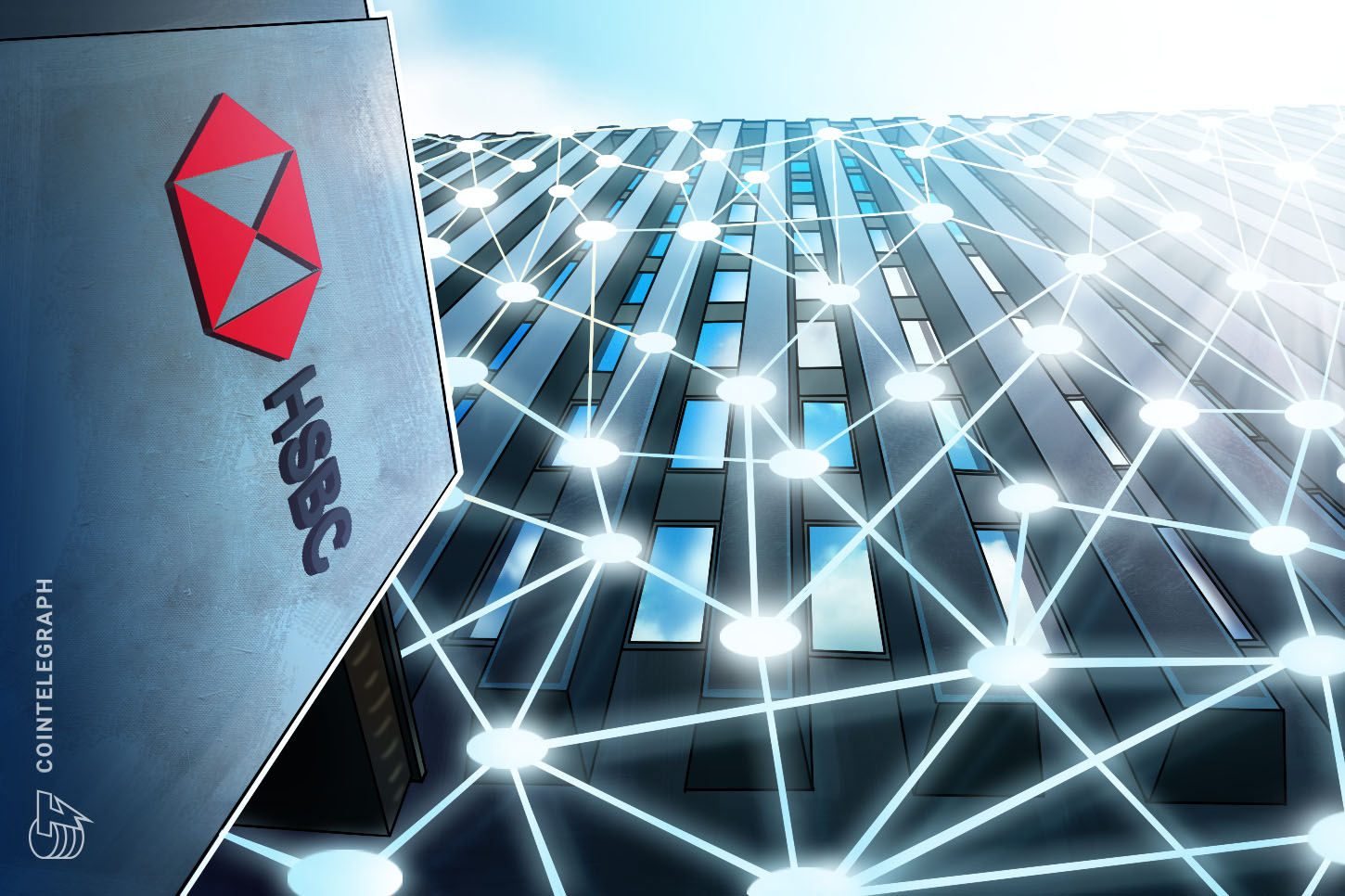
HSBC is the first firm approved by the Bank of England to go live in the UK Digital Securities Sandbox, enabling tokenized bond issuance via its Orion

The Bank of England approved HSBC Orion to go live in its Digital Securities Sandbox, with the first Digital Gilt Instrument transaction expected in the first quarter of 2027.

AI infrastructure debt's unclear repayment path could destabilize financial systems, necessitating urgent regulatory and financial scrutiny.

The BoE's dovish stance amid a weak economy may stabilize inflation, potentially enhancing risk asset appeal and influencing digital asset policies.

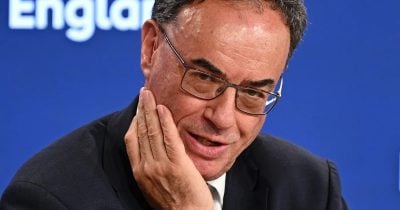
Bailey's stance against deregulation highlights a commitment to financial stability, potentially reshaping global crypto oversight and market dynamics.

Global AI cooperation is crucial to address accelerated quantum threats, demanding urgent cryptographic adaptations across blockchain networks.

The US-Iran conflict heightens global economic uncertainty, potentially destabilizing markets and affecting international financial systems.

The potential AI bubble burst could trigger a recession, highlighting the UK's economic vulnerability to global tech market fluctuations.

Central banks' inaction amid inflation concerns may erode trust, boosting interest in alternative assets like cryptocurrencies and stablecoins.

The Middle East conflict's impact on energy markets and interest rates could delay economic recovery, affecting global financial stability.

Rising oil prices may force central banks to hike rates, risking economic slowdown and impacting speculative investments like cryptocurrencies.

Venezuela's request highlights the complex interplay of international politics and humanitarian needs, emphasizing the urgency of resolving frozen assets.

The denial highlights the ongoing scrutiny of political influence on financial policy, impacting the future of digital currency regulation.