Bank of England governor denies Farage lobbying swayed CBDC policy: Report
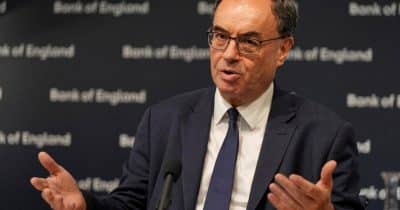
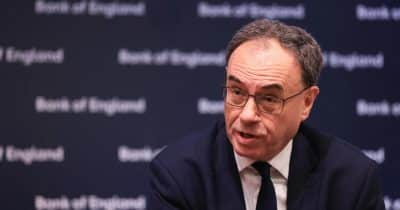
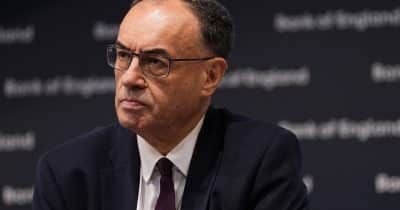
Andrew Bailey reportedly said Bank of England policy remained independent after a meeting with Nigel Farage that included discussions on cryptocurrency.

Andrew Bailey reportedly said Bank of England policy remained independent after a meeting with Nigel Farage that included discussions on cryptocurrency.

Increased rate hike expectations could strengthen the pound, impacting UK-based crypto traders and creating volatility in risk assets.

The Bank of England has reaffirmed that its work on a potential digital pound has remained independent despite claims that political lobbying may have influenced its approach. Bailey says CBDC policy remained independent According to The Guardian, Bank of England…

The Bank of England's scrutiny of unfunded risk transfers may lead to stricter regulations, impacting banks' capital strategies and risk management.

Collaborative AI risk management could reshape financial regulation, emphasizing global cooperation and integrating crypto into systemic oversight.

Simultaneous financial risks could destabilize global markets, challenging regulatory frameworks and necessitating coordinated international responses.

Easing leverage rules may boost gilt demand and lower yields, but it risks overexposure to gilts, echoing past financial vulnerabilities.

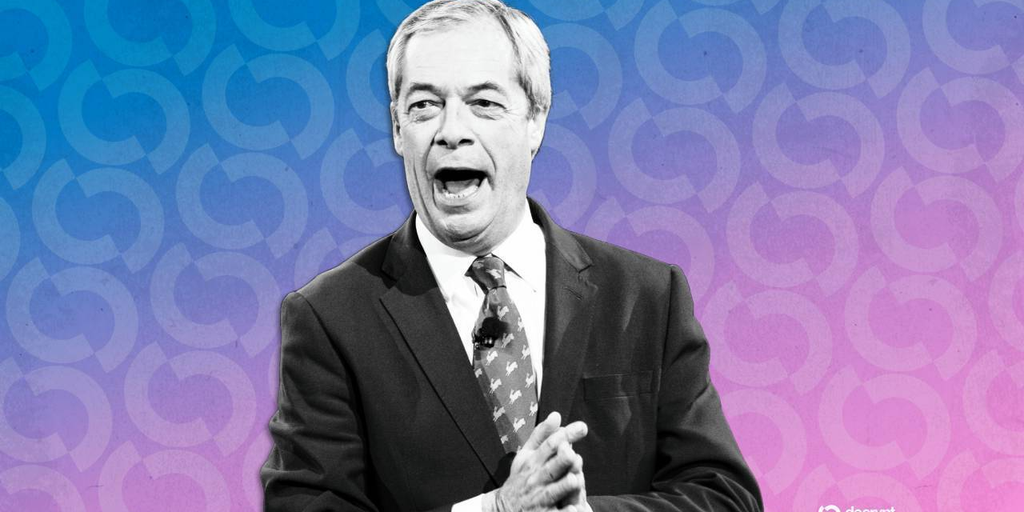
A Labour MP says the Reform leader pressed the Bank of England on policy that could enrich his biggest donor, a major Tether investor.

Higher energy costs and inflation fears may prolong economic strain, impacting UK households and altering investor expectations significantly.

The Bank of England's decision highlights global economic vulnerabilities, potentially influencing future U.S. monetary policy adjustments.

Bailey's cautious stance amid a softening UK economy may influence global central bank policies, affecting market expectations and economic stability.

AI-driven trading could amplify market volatility, prompting regulatory measures that may slow AI adoption and reshape financial market dynamics.

AI-driven market volatility necessitates urgent regulatory frameworks and stress tests to safeguard financial stability amid rapid tech adoption.

Bailey's cautious stance on interest rates highlights the BoE's focus on balancing inflation control with economic stability amid external pressures.

The rise of autonomous AI in finance could destabilize markets, necessitating new risk management and regulatory frameworks to mitigate potential crises.

The political consensus against the BoE's quantitative tightening could pressure policy shifts, impacting bond markets and fiscal stability.

Brexit's enduring impact on UK inflation highlights the need for adaptive economic strategies to mitigate long-term structural challenges.

The Bank of England has dropped the piece of its stablecoin plan that the industry hated most, the proposed £20,000 limit on how much sterling stablecoin any one person could hold, along with the £10 million ceiling for businesses. In their place, the central bank's June 22 policy statement set a single £40 billion cap […]

The easing inflation expectations reduce immediate pressure on the BoE for rate hikes, but vigilance is needed as external factors remain volatile.

The Bank of England's budget increase and staff cuts signal a strategic shift towards modernizing financial forecasting, impacting market confidence.