Boeingpage 7

Manufacturer · 1544 articles
Share

Coverage, page 7

page 7 of 77

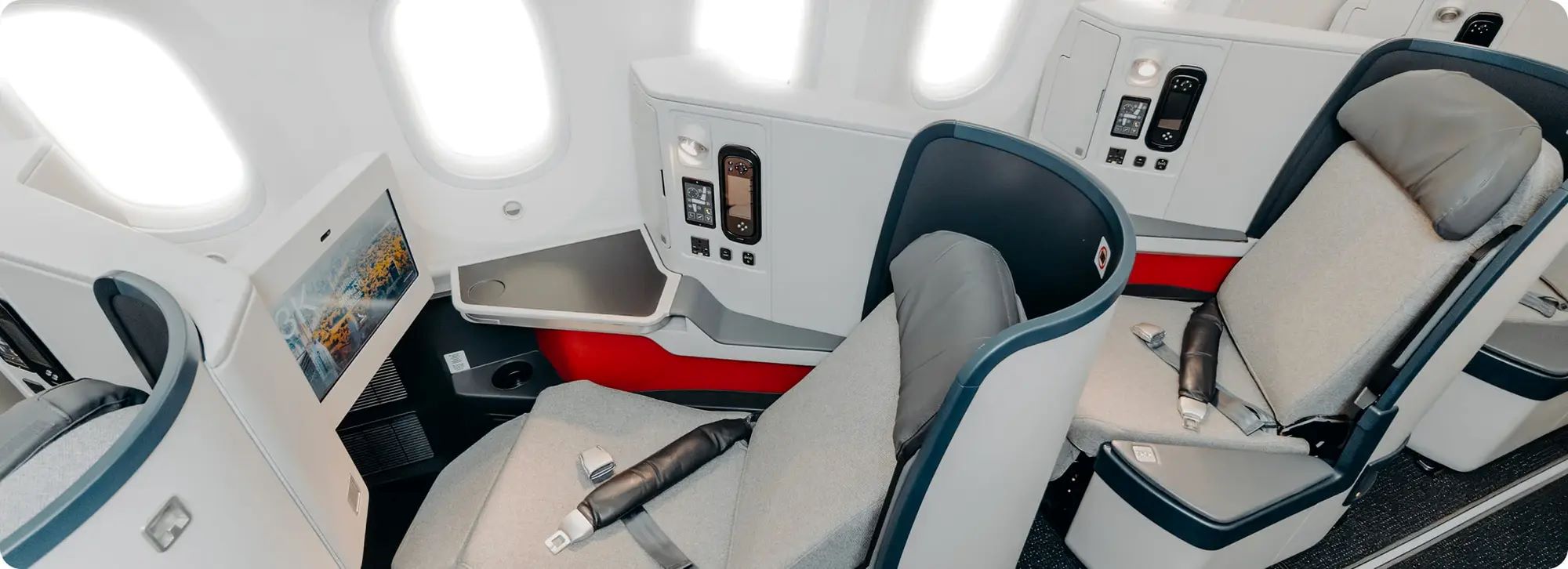
Avianca Airlines reveals new INSIGNIA cabin features

Avianca Airlines has revealed its updated INSIGNIA cabin features, changing business class customers’ experience by enhancing comfort, dining and onboard service. New cabin suites will offer more privacy, arriving in 2027, with advanced entertainment features for Boeing 787 flights that travel to and from Europe and New York. INSIGNIA business class benefits The latest generation […]

Travel RadarTravel RadarMaia Vinton17 Sept
  • favorable toward Avianca · 78%
A

Air Canada Cargo Adds Maastricht Service in NW26

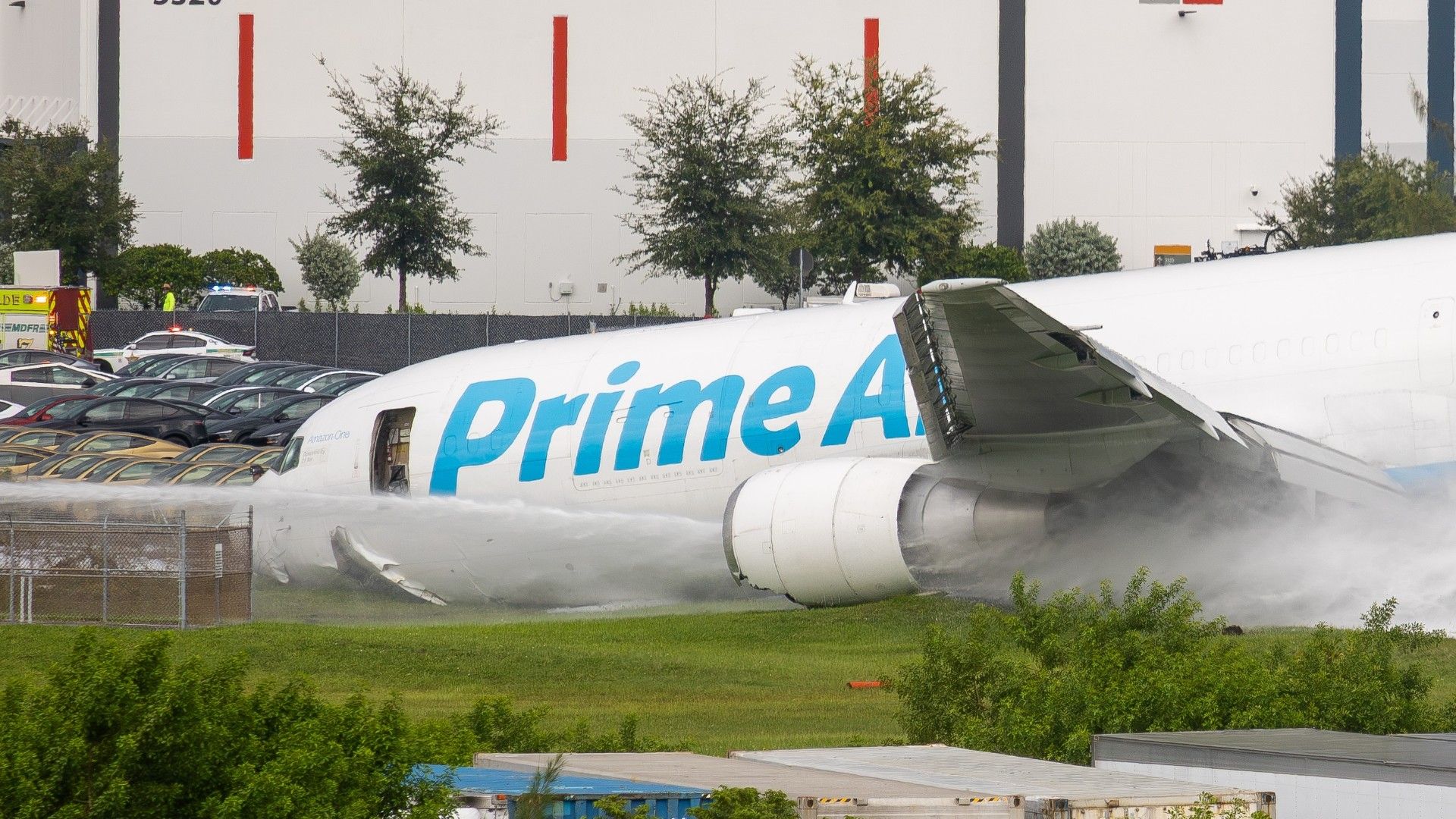
Published at 0000PDT / 0700GMT 17SEP26 Air Canada Cargo at the launch of Northern winter 2026/27 season schedules service to Europe, as the carrier lists 2 weekly Toronto Pearson – Maastricht route. Boeing 767 Freighter to serve this route from 29OCT26. Schedule below focuses on the period of 05NOV26 – 13MAR27. AC7296 YYZ2000 – 0945+1MST 76F 46 AC7297 MST1320 – 1605YYZ 76F 57

AAeroRoutesAeroRoutes - Jim Liu17 Sept
  • neutral toward Air Canada · 99%

China: New Border Decree Curtails Right to Leave

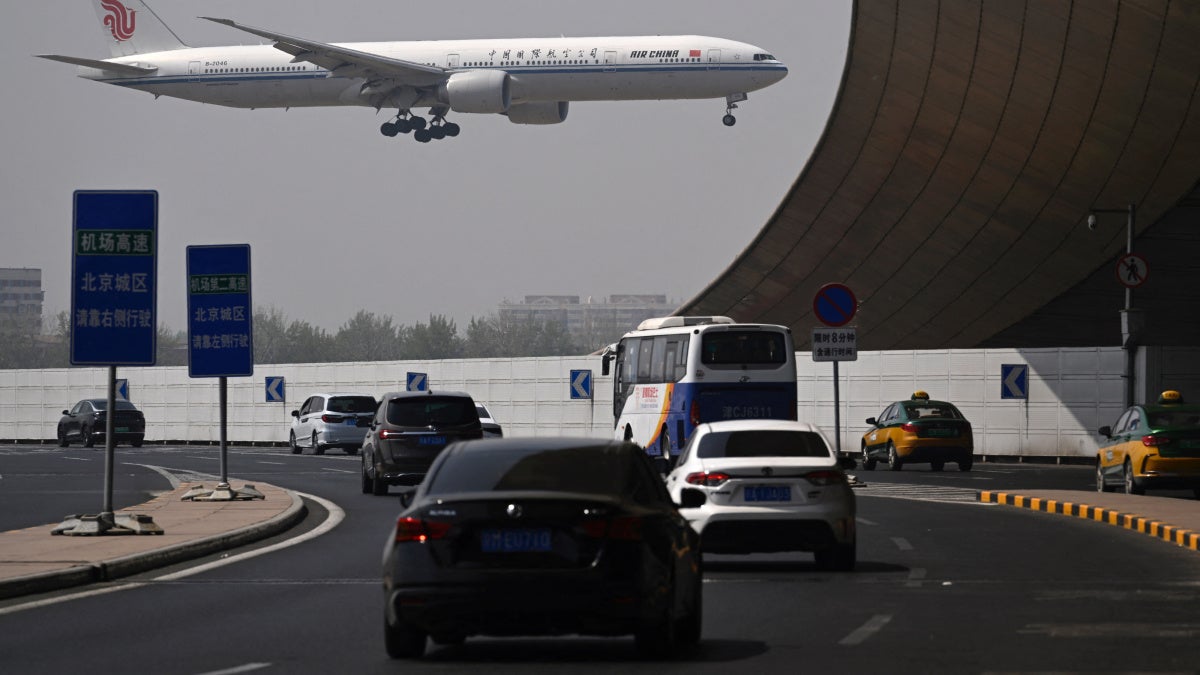
Click to expand Image An Air China Boeing 777-300 at Beijing Capital International Airport, April 10, 2025. © 2025 Wang Zhao/AFP via Getty Images (New York) – A new Chinese government decree expands the discretion of administrative authorities to arbitrarily bar people from leaving China, violating the internationally protected right to leave a country, Human Rights Watch said today. The State Council’s 19-article Regulations on Exit-Entry Administration, known as Decree No. 841, took effect on September 15, 2026. The new decree restricts nationals and non-nationals from leaving China for a range of ill-defined reasons of national security and risk. However, under international human rights law, any legal restrictions on leaving a country must be necessary and proportionate for legitimate aims. “The Chinese government is tightening its rules to decide arbitrarily who can and cannot leave China, violating the internationally protected right to leave one’s country,” said Maya Wang, deputy Asia director at Human Rights Watch. “The authorities have increasingly subjected human rights defenders and ethnic minorities to restrictions and scrutiny of their international travel, but everyone including foreigners should worry about their ability to leave China.” Many provisions of Decree No. 841 consolidate exit restrictions in China’s Exit and Entry Administration Law, the Passport Law, and other regulations. Article 12(5) of the Exit and Entry Administration Law, for instance, broadly allows the authorities to prohibit citizens who “may endanger national security or interests” from leaving the country. However, the new decree appears to further integrate immigration decisions with a tightening national security regulatory framework. Article 2 of the decree authorizes immigration authorities, “when necessary,” to “dissuade” citizens from traveling to “high-risk” countries or regions when processing travel document applications or at border controls. The decree does not define the criteria for “high-risk” or the standard for when dissuasion becomes “necessary,” leaving decisions to relevant departments’ discretion. Article 3 states that anyone applying to leave China must show that their reasons are “truthful and lawful,” without defining “lawful” travel purposes or specifying what evidence is sufficient. The decree also broadens the grounds for exit bans and, in some cases, allows authorities to withhold notice entirely, violating due process rights. Article 4 gives administrative authorities the power to bar citizens from leaving the country for up to three years if they engage in unspecified “illegal or criminal activities abroad endangering national security or interests.” Article 6 states that people barred from leaving China must ordinarily be notified “in writing of the facts, reasons, legal basis, and available remedies for the ban,” but allows authorities to withhold notice “if disclosure may affect national security or criminal investigations.” The decree also prohibits exit-entry intermediary services, such as immigration advisers, from engaging in vaguely defined “acts that endanger national security or interests.” In addition, article 4 allows administrative authorities to bar nationals from leaving the country when they “violate export control, technology import and export administration…in a manner that may endanger national industrial or technological security.” An official explanation of the new rules says that this is to combat “illegal transfer of technology abroad.” In March 2026, Chinese authorities banned the co-founders of Chinese AI startup Manus from leaving the country, then blocked its acquisition by Facebook. Article 5 also permits the authorities to bar foreigners from leaving the country if they are blacklisted on “the countermeasures list, unreliable entity list, [or] malicious entity list” for having “endangered China’s national sovereignty” and other vaguely defined actions. Chinese authorities have also issued exit bans on specific foreign nationals without justification. In July 2025, the government blocked a US federal employee and a Wells Fargo bank executive from leaving China, though neither had been charged with a criminal offense. Chinese citizens—except those from Xinjiang and Tibetan areas—had largely been able to travel abroad more easily since 2002, when the Ministry of Public Security’s Entry and Exit Administration began an “on demand” system to simplify passport applications. However, over the past decade, the Chinese government has tightened exit controls, including new travel restrictions on religious minorities and human rights defenders. In 2016, authorities in Xinjiang confiscated all previously issued passports as part of a crackdown in the region. While some Uyghurs can now travel abroad, they continue to face severe restrictions. Chinese authorities have also increasingly required government employees to surrender passports for “safekeeping,” requiring official approval for returning them. While such practices have long been common among high-level officials, they have been expanded to lower-level employees, including those at schools, universities, and hospitals. The authorities say the measures prevent graft and deter the leaking of state secrets. The authorities in recent years have required citizens from areas they broadly consider high-risk for online fraud or “unlawful” emigration to submit additional paperwork and obtain multiple government approvals during passport applications. The Universal Declaration of Human Rights states: “Everyone has the right to leave any country,” including their own. The United Nations Human Rights Committee states in a General Comment that governments may only limit freedom to leave when restrictions are “provided by law” and necessary “to protect national security, public order, public health or morals, or the rights and freedoms of others.” Such restrictions must be proportionate to the interest to be protected, and the least intrusive option for achieving specific goals. Chinese legislation that allows authorities to broadly restrict the right of nationals and foreigners to leave the country under vague claims does not meet these standards, Human Rights Watch said. “China’s exit restrictions will further chill expression and academic freedom, increasing self-censorship by Chinese nationals and foreigners fearful of being barred from leaving the country,” Wang said. “Concerned governments should press China to repeal these abusive rules and support their citizens affected by these arbitrary restrictions.”

Human Rights WatchHuman Rights WatchHuman Rights Watch16 Sept

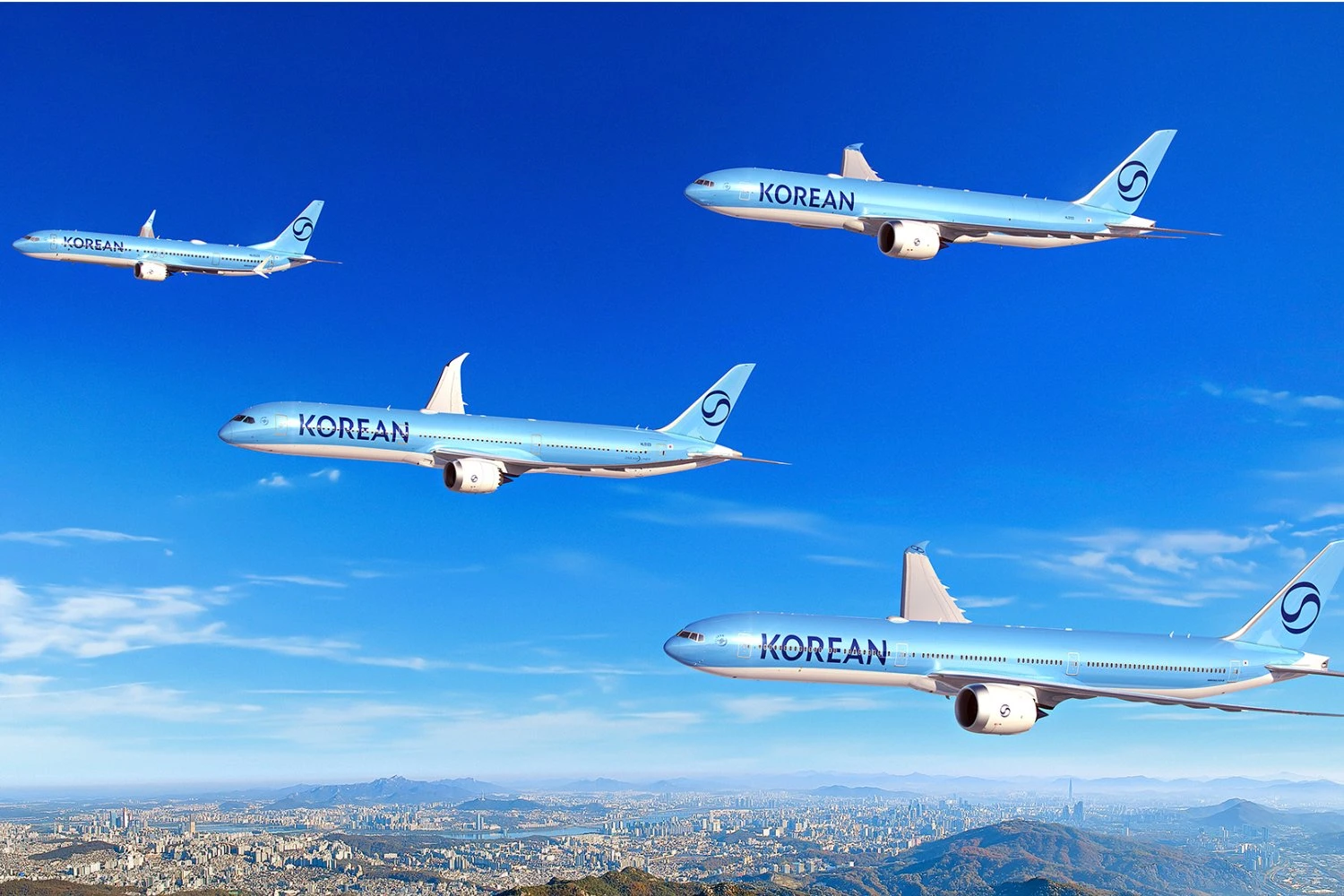
Korean Air finalises record order for 103 Boeing aircraft

Korean Air has finalised a record order for 103 Boeing aircraft, confirming a procurement commitment first announced in August 2025. The order comprises 20 Boeing 777-9 passenger aircraft, 25 787-10 Dreamliners, 50 737-10 narrowbodies and eight 777-8 Freighters. It covers both passenger and cargo operations and will support the airline’s long-term fleet modernisation programme. Previously […]

Aviation24.beAviation24.beAndré Orban16 Sept
  • favorable toward Boeing · 82%
  • favorable toward Korean Air · 82%

U.S. Air Force Expanding C-40 VIP Fleet with Boeing 737 MAX

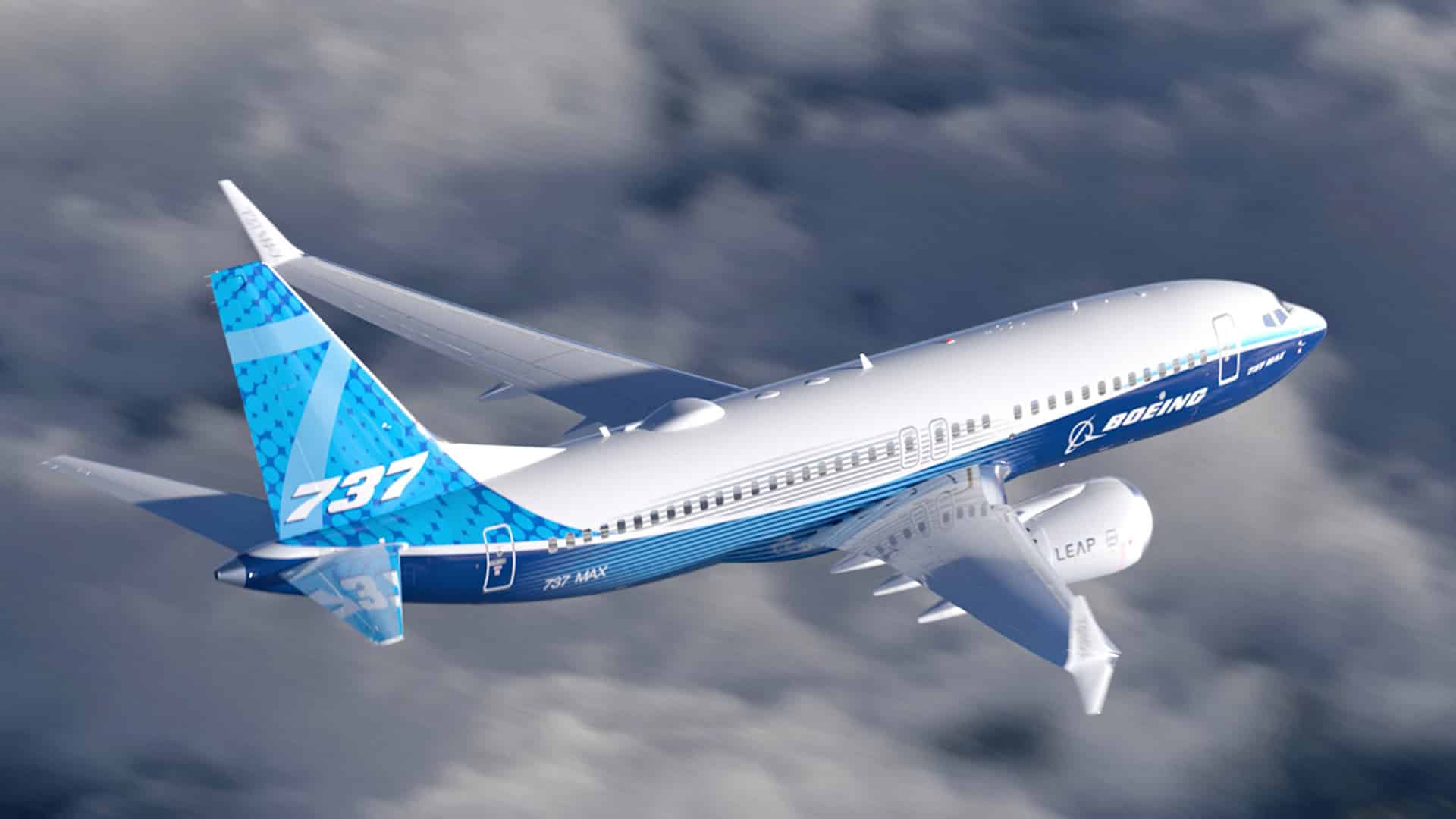
Aviation Week reports on a statement by an Air Mobility Command (AMC) spokesperson confirming the USAF’s intent to procure the Boeing 737’s MAX variant for the first time, becoming the type’s first military operator. In 2026, budgetary approval was granted to the U.S. Air Force for a single-aircraft expansion to the service’s fleet of C-40 (Boeing […]

The AviationistThe AviationistKai Greet16 Sept
  • neutral toward U.S. Air Force · 99%

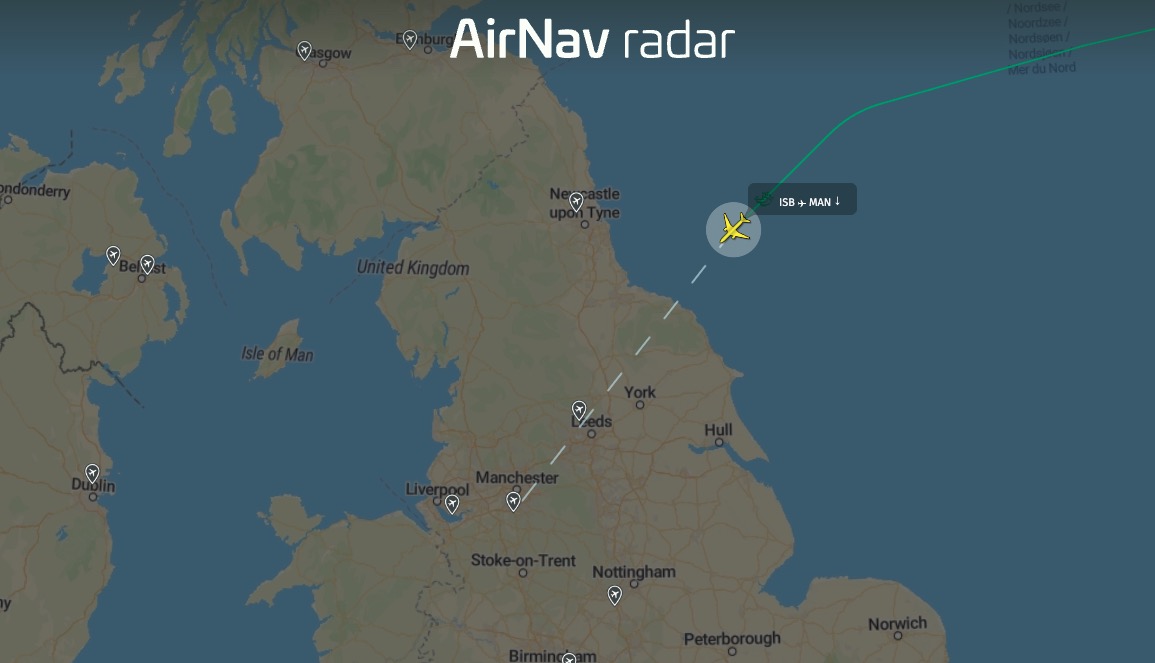
Pakistan Airlines Boeing 777 is declaring an emergency on approach to Manchester

A Pakistan International Airlines (PIA) Boeing 777 bound for Manchester Airport declared a general emergency shortly after crossing into British airspace on Wednesday. Flight PK701, operated by a Boeing 777-240LR (registration AP-BGY), departed Islamabad International Airport (ISB) at 12:15 PKT. After roughly eight hours of routine flight across Central Asia and Europe, the flight crew […]

AAIRLIVEAIRLIVE contibutors16 Sept
  • neutral toward Boeing · 99%

Emirates hiring continues as airline targets further growth

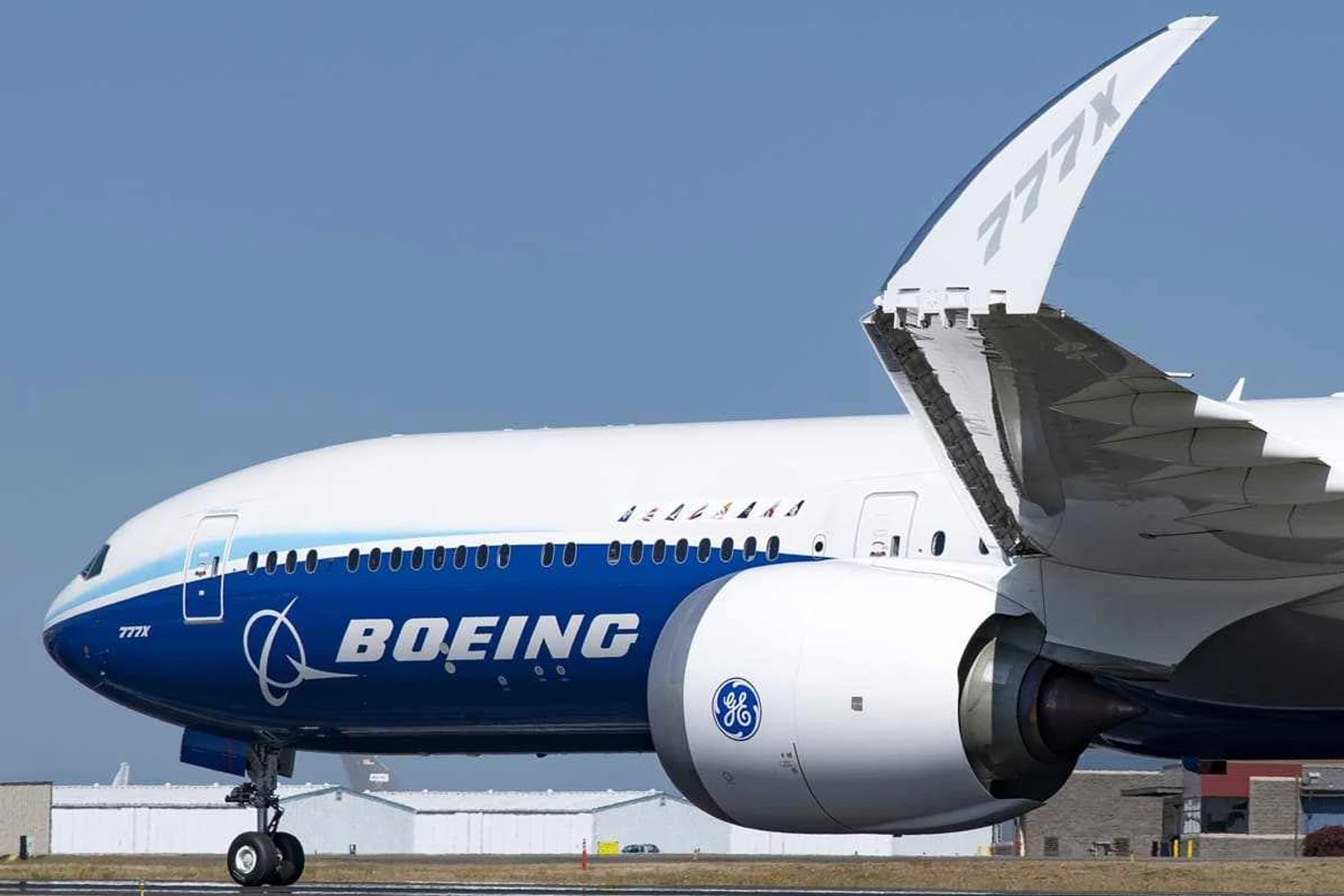
Dubai: Emirates Airline is seeing strong booking momentum heading into the winter season, with demand matching or exceeding last year's levels in several markets, according to Adnan Kazim, Emirates' Deputy President and Chief Commercial Officer. Speaking to reporters on the sidelines of Arabian Travel Market (ATM) 2026 in Dubai, Kazim said booking trends over the past three weeks have been positive, with demand remaining strong for both transit passengers and visitors travelling directly to Dubai. He said Dubai continues to benefit from its busy calendar of events and activities, particularly during the winter season, helping sustain strong tourism demand. Kazim also confirmed that Emirates continues to recruit employees and has not halted hiring. He said the airline's growth plans and the addition of new aircraft require recruitment across specialised fields, with hiring continuing in line with operational requirements. According to Kazim, several markets are recording particularly strong demand, including the UK, China, India, Pakistan and a number of African countries. He also highlighted strong performance in North and South America, particularly Brazil and Argentina, where flights are operating at high load factors. He noted that Emirates achieved seat occupancy rates of between 75% and 77% during the recent summer season, describing the performance as an excellent result despite travel restrictions that affected parts of the region. Kazim said the airline's previously announced figure of 8.6 million passengers carried during July and August reflected the strength of both the Emirates and Dubai brands, adding that booking volumes continue to increase on a weekly basis. He expressed confidence that winter demand could match or exceed summer levels, noting that December is traditionally one of the strongest periods of the year, supported by major events taking place in Dubai. Emirates has already added flights on several routes for the winter season, which Kazim said will help attract additional tourist traffic. Regarding passenger flows, he said around 70% of Emirates passengers currently travel in transit through Dubai, while 30% are travelling to the emirate as their final destination. He said one of the airline's objectives is to convert more transit passengers into visitors by encouraging them to spend time in Dubai. Kazim revealed that Emirates plans to announce new promotional initiatives after Arabian Travel Market aimed at boosting winter tourism to Dubai, targeting both direct visitors and transit passengers. He also highlighted strong booking activity for October, particularly during the final 10 days of the month, which coincide with mid-term school holidays. Kazim said the airline expects strong visitor flows from the UK and other European markets during that period, while outbound travel demand from the UAE is also expected to remain robust, mainly to destinations within four to five hours' flying time. Looking ahead, he said Emirates will continue expanding its network and adding flights, while increasing the number of Airbus A350 aircraft in its fleet from 30 currently to 36 by the end of the year. The additional six A350s will be deployed on routes across the network and support further capacity growth. Kazim added that Emirates is preparing to announce new destinations for the summer 2027 season, noting that the airline is currently receiving approximately one A350 aircraft per month. He also expressed optimism about the expected arrival of Boeing 777X aircraft in summer 2027, saying the new fleet additions will provide fresh momentum for the airline's growth plans.

MBMobile BusinessAzad Aishu16 Sept

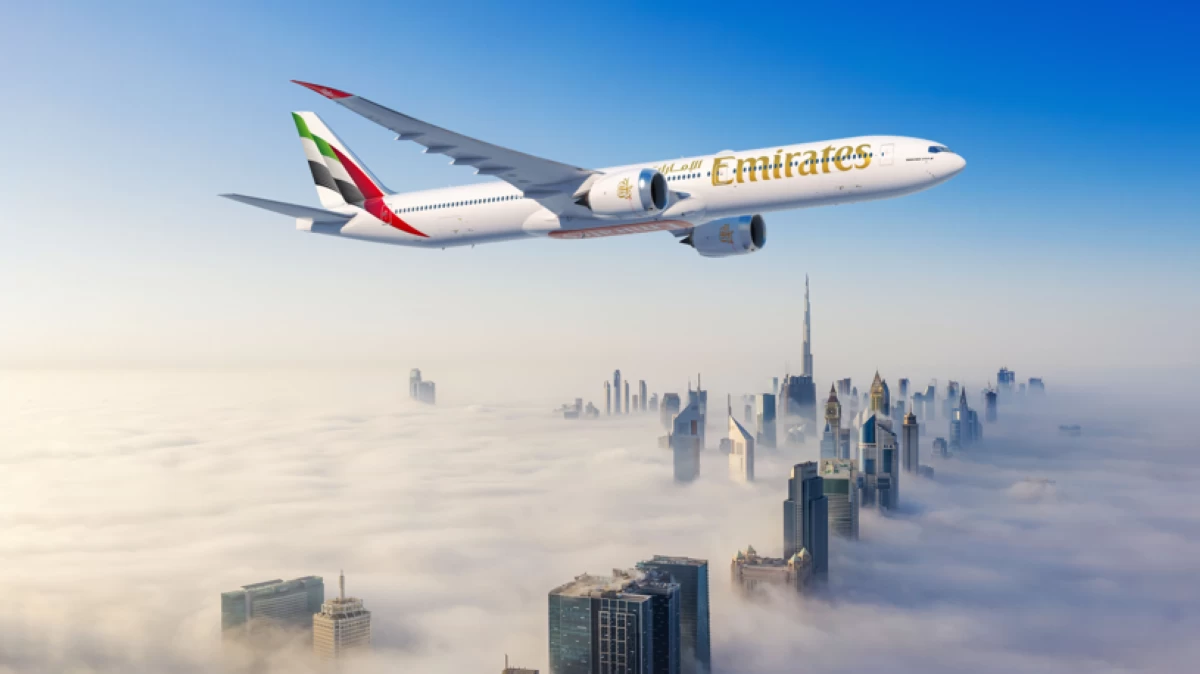
Emirates weighs switching Boeing 787 order to 777X amid delivery delays

Dubai: Emirates Airline is considering converting its order for Boeing 787 Dreamliner aircraft to Boeing 777X jets as it reassesses fleet requirements amid ongoing delays to the 787 programme. Adel Al Redha, Deputy President and Chief Operating Officer of Emirates, said the option of converting the order remains under consideration given the delays affecting the aircraft. Emirates currently has 35 Boeing 787s on order, comprising 20 Boeing 787-8s and 15 Boeing 787-10s. Speaking on the sidelines of Arabian Travel Market 2026, Al Redha said the airline is reviewing its plans in light of delivery schedules and cabin outfitting requirements, particularly as it expects to begin receiving Boeing 777X aircraft from the middle of next year. He noted that the Airbus A350, which is already entering service with Emirates, offers seating capacity and range capabilities similar to those of the Boeing 787. “The option of converting to the 777X remains on the table,” Al Redha said. “Everything is possible and we will discuss everything in this regard with the manufacturer.” He added that Emirates has two options: proceed with deliveries of the Boeing 787 according to a revised schedule agreed with Boeing or convert the order to Boeing 777X aircraft. According to Al Redha, discussions between Emirates and Boeing regarding the 787 order are expected to become clearer within the next two months, after which the airline will decide on its preferred course of action. If Emirates proceeds with the 787 order, he said deliveries are not expected to begin before the end of 2029. The review comes as Emirates continues expanding and modernising its wide-body fleet through the delivery of Airbus A350 aircraft and the anticipated arrival of Boeing 777X jets as part of its long-term growth strategy.

MBMobile BusinessAzad Aishu16 Sept
  • neutral toward Boeing · 98%

Announcing The SCOTUSblog Summit: 2026 Term Preview

SCOTUSblog and Johns Hopkins University are proud to convene The SCOTUSblog Summit: 2026 Term Preview , an afternoon of conversations and analysis on the Supreme Court, to be held at the Johns Hopkins University Bloomberg Center in Washington, D.C. on Sept. 16. The in-person program will feature a live podcast recording of Advisory Opinions with special guests, a keynote address, a panel featuring Brett Gerry (CLO of Boeing), Brian Callanan (GC of TD Bank), and Jeff Taylor (GC of ExxonMobil), and more. A cocktail reception will follow. Registration will open soon.

SCOTUSblogSCOTUSblogSCOTUSblog Staff16 Sept

Study: You're More Likely To Have An Accident On Ryanair's Retractable Airstairs

While retractable airstairs aren’t unique to Ryanair’s Boeing 737 aircraft, the airline group is certainly one of the largest users of this feature. Indeed, aircraft flying around with their own airstairs allows for quicker boarding and offloading, particularly at remote stands - where other aircraft would need to wait for airport services to arrive.But a study by Italy’s agency for flight safety has concluded that passengers who have used them have faced a significantly higher risk of falling than those using stairs provided by airports.

Simple FlyingSimple FlyingChris Loh16 Sept
  • neutral toward Ryanair · 82%