Brent crude oil surges past $102 as US-Iran conflict chokes global supply lines
The surge in oil prices exacerbates global economic instability, impacting inflation and increasing operational risks for energy-dependent nations.

The surge in oil prices exacerbates global economic instability, impacting inflation and increasing operational risks for energy-dependent nations.

Renewed Houthi attacks on Saudi energy sites and U.S.-Iran clashes over the Strait of Hormuz have lifted Brent crude near $100 a barrel, prompting Goldman Sachs to raise year-end forecasts and outline a $120 scenario if disruptions persist.

Rising oil prices and a stronger yen could lead to global economic shifts, affecting trade balances and monetary policies worldwide.

Prolonged Hormuz disruptions could exacerbate global economic instability, influencing energy markets and geopolitical dynamics significantly.

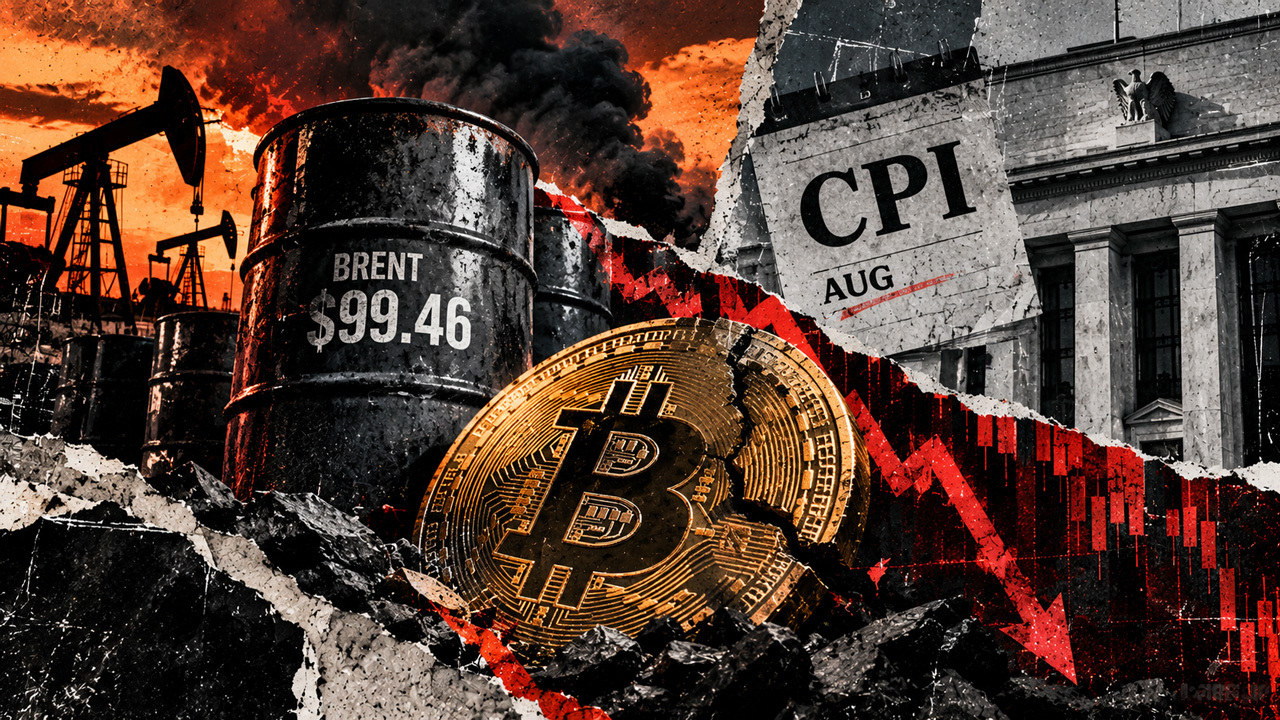
Brent touched $99.46 after reported Saudi energy disruptions, while Friday's CPI measures August prices.

Brent crude, the international benchmark for oil, is spiking again, reviving fears of inflation.
Brent crude held above $100 for the first time since May after Houthi strikes on Saudi oil facilities.

The surge in Chinese oil demand could lead to sustained global price increases, impacting economic stability and energy policies worldwide.

Brent crude, the global benchmark for oil, rose to about $97 a barrel on Monday, while the national average price of gas was $4.15 a gallon.

Heightened U.S.-Iran tensions risk disrupting global oil supply, potentially driving Brent crude prices to new highs amid market volatility.

Rising oil prices due to Middle East tensions could strain global economies, affecting inflation rates and energy policies worldwide.

Escalating Middle East tensions could disrupt global oil supply, influencing market dynamics and potentially driving oil prices to new highs.

Rising oil prices could exacerbate global inflation, prompting potential monetary policy shifts and impacting economic stability worldwide.

Bitcoin held near the $78,000 area as geopolitical tension around the Strait of Hormuz pushed Brent crude above $90, giving traders another macro-risk even...

Rising oil prices due to US-Iran tensions could strain global economies, increase shipping costs, and heighten geopolitical instability.

Geopolitical tensions may lead to further oil price volatility, impacting global energy markets and economic stability.
Trump's Venezuela oil deal promised lower prices, but Brent crude climbed toward $90 as Middle East risk outweighed the new supply.

Hyperliquid Policy Center and trade[XYZ] have asked the CFTC to permit regulated perpetual contracts tied to WTI crude, Brent crude, and Henry Hub natural gas after their markets recorded more than $500 billion in cumulative volume. Hyperliquid Policy Center and…

The potential easing of Strait of Hormuz tensions could stabilize global oil markets, reducing energy costs and geopolitical risks.
Brent crude fell 1.87% to $92.63 on Monday, giving back part of last week’s rally as traders assessed Washington’s escalating pressure campaign on Iran. West Texas Intermediate slid 1.97% to $85.35. The selling ran across the energy complex, with natural gas, gasoline, and heating oil each losing between 1.68% and 1.88%. Why Oil Prices Fell