Colombiapage 2

Place · 142 articles
Share

Coverage, page 2

page 2 of 8

Colombia: Flash Update 013 - Update on the Impact of the Earthquake in Colombia - September 18, 2026

Country: Colombia Sources: El Equipo Humanitario País Colombia, UN Office for the Coordination of Humanitarian Affairs Please refer to the attached file. This Flash Update is produced by OCHA Colombia based on inputs from humanitarian partners and official reports. Information is current as of 17 September (14:00 local time). This document will continue to be issued on a weekly basis until the end of September. Current reports indicate that at least 486,917 people and 303,934 households have been affected by the earthquake, while urgent humanitarian needs persist in the most heavily impacted areas (Chocó, Valle del Cauca, Risaralda, Caldas and Quindío). The impact on housing and infrastructure remains critical, with 36,478 homes destroyed and thousands of sector-specific impacts reported in educational and health facilities, water supply systems and community spaces/shelters. The crisis is being exacerbated by concurrent hazards , including flooding, wildfires, ongoing seismic activity, a volcanic alert and dynamics related to the armed conflict, all of which increase community vulnerability. The response continues through coordination with local and national authorities , with support from the international humanitarian community: more than 137,000 people have received humanitarian assistance, while recovery efforts continue and significant funding and response gaps persist. Funding remains critical to save lives, restore essential services and support the recovery of affected communities.

ReliefWebReliefWebUN Office for the Coordination of Humanitarian Affairs18 Sept

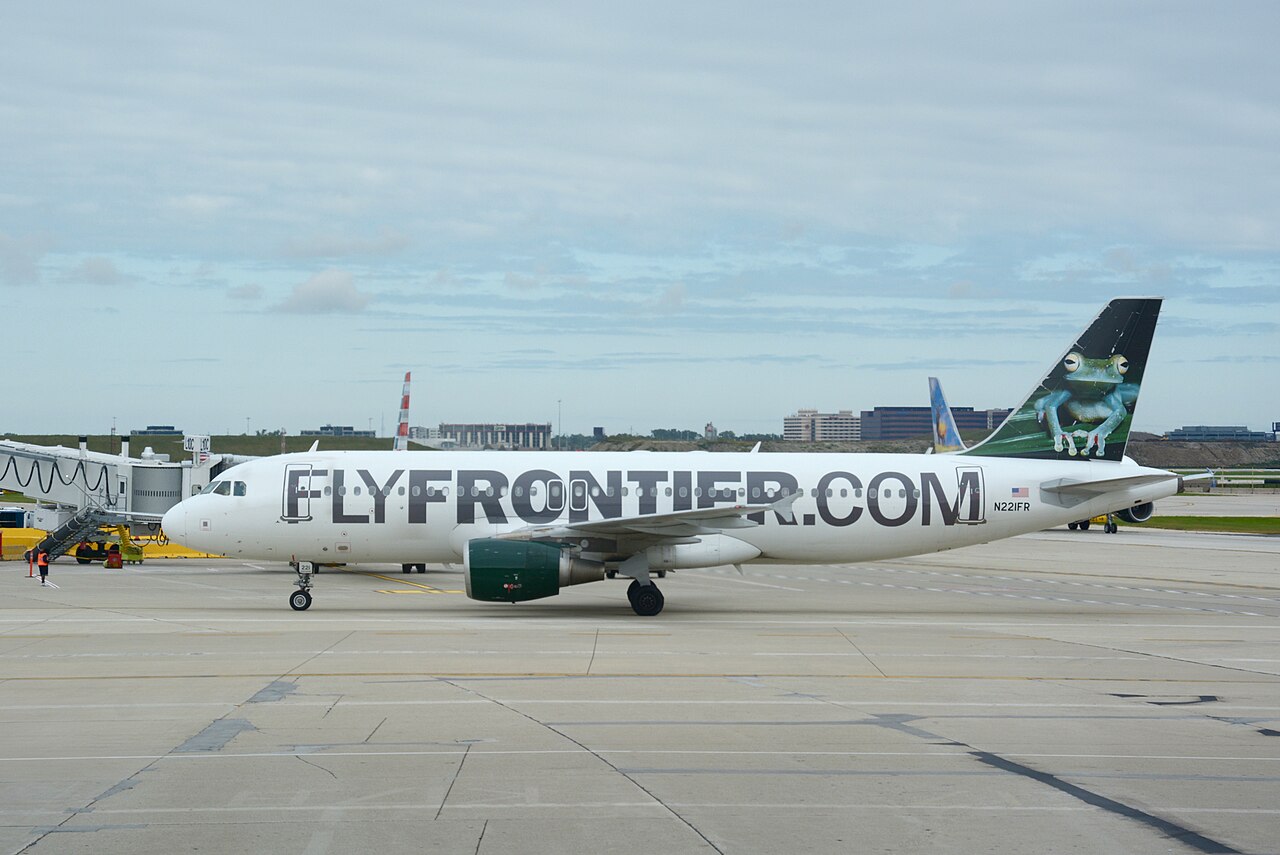
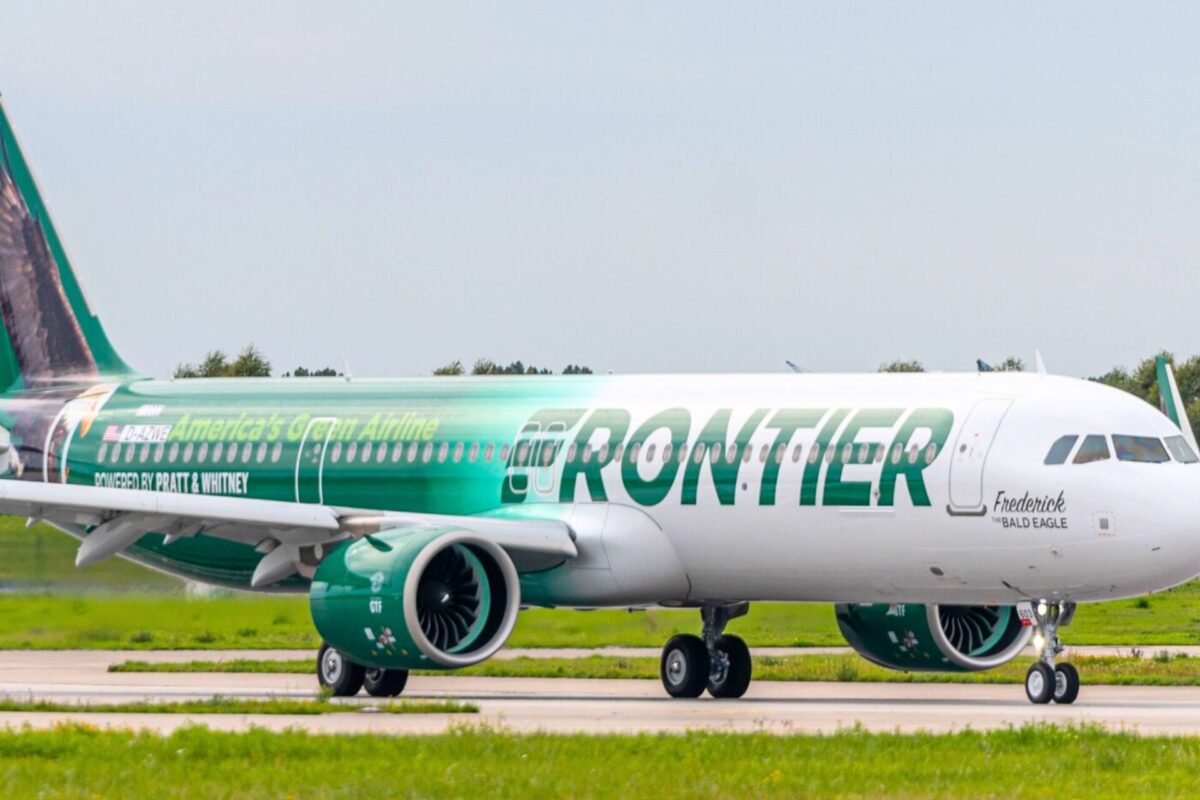
Frontier Airlines Plans First-Ever South America Routes

Frontier Airlines announced that it will launch its first-ever service routes to South America starting in December 2026 and will add three nonstop routes from Orlando to Colombia. Currently, flights to Bogotá, Medellín and Cartagena still require government approval. Three Colombian Destinations It is expected that daily flights from Orlando International Airport (MCO) to José […]

Travel RadarTravel RadarRuby Zhang18 Sept
  • neutral toward Frontier Airlines · 98%
R

Major disasters disrupted education for at least 13 million children in six countries in three months as Venezuela reopens schools

Countries: Venezuela (Bolivarian Republic of), Colombia, Indonesia, Japan, Nepal, Philippines Source: Save the Children CARACAS, Venezuela, 17 September 2026 – Education was disrupted for about 13 million children over the past three months as Nepal, Japan, Colombia, Venezuela, Indonesia, and the Philippines were all hit by major natural or climate disasters such as earthquakes, floods, or wildfires , said Save the Children. In many countries where the disasters stuck, classes were in session at the time such as in Nepal where children were forced to flee flash flooding. In others, schools were approaching the end of year holidays such as in Venezuela where pupils return to class this week and learning disruptions are only now being felt. Analysing various data sources, Save the Children looked at the impact of these disasters over the past three months and estimated that about 13 million children saw their learning suspended, transferred online, reduced or disrupted in other ways, with some continuing to see their education impacted.[1] In Venezuela, students and teachers said that they were feeling anxious as they returned to school for the new academic year following the twin earthquakes that hit the country on 24 June, killing more than 6,500 people. The earthquakes, the most powerful in a century, halted education for more than 21,000 students [2] and disrupted learning for one million**,** or about one in every eight school-aged child, Save the Children said. Teachers from La Guaira, a coastal region badly hit in northern Venezuela, said it was important to continue efforts to ensure that schools can provide supportive environments for children returning after the earthquakes although some schools have suffered structural damage and cannot reopen. Alondra*, 37, a teacher in Venezuela and mother to nine-year-old Emma*, is worried that the disruption will force students into overcrowded schools, affecting both learning quality and recreational opportunities. “My daughter's education is paramount, of course, and I'm not going to take her out of school, especially not because of this [earthquake],” she said. Alondra has been taking Emma to a Save the Children safe space in the months since the earthquake so she can continue learning and playing with other children her own age. Save the Children in Venezuela and its national partners have helped over 93,970 people** since the earthquakes including through psychosocial support, health support, and community engagement activities. The child rights organisation will also start rehabilitating learning spaces and schools and training teachers to support children affected by the earthquakes. Four other powerful earthquakes in Colombia, the Philippines, Indonesia and in Japan disrupted education for about 4 million children out of the 13 million children. A 7.8 magnitude earthquake struck the southern Philippines on 8 June, the first day back to school after the country’s summer break, disrupting education. Since then, Save the Children has reached more than 8,800 people, including 3,900 children, providing support including household items, hygiene kits and temporary learning spaces. Floods brought about by this season's monsoon in the Philippines also affected nearly 7 million students who saw classes suspended including in the capital Manila and several provinces, on and off, for almost two weeks, while almost 900 schools sustained damaged.[3] Tatiana Betancourt, an education officer at Save the Children Colombia, said: “Families temporarily settled in spaces that do not have adequate security and protection conditions affecting educational institutions, limiting children's and adolescents' access to safe learning spaces. Emotional effects on children, caregivers and families include fear, stress and uncertainty generated by the emergency.” In Colombia, the earthquake’s damage to education infrastructure disrupted access to education for over 1 million children and compounded pre-existing poverty. While about 80% of children have returned to learning through partial, hybrid, or alternating attendance, more than 300,000 children are estimated to be facing heightened protection risks, including recruitment by armed groups. [4] Save the Children in Colombia is focusing on supporting the safe return to schools wherever feasible and is supporting temporary learning arrangements through local education partners including temporary learning tents in affected areas such as Chocó. Flash floods in Nepal in August which hit as children were either on their way to school or starting their lessons, killed at least 1,350 people with about 4,800 still missing.[5] While some schools closed by the floods in Nepal have begun to reopen, many displaced children are not currently able to attend classes as they are not registered for schools in areas they moved to. Save the Children has supported more than 6,000 people across Nuwakot, Dhading and Rasuwa districts with essential items and has set up two temporary learning spaces to help children learn. In Japan, Save the Children set up child friendly spaces to provide children with a safe environment to play and recover following the 28 July earthquake in Kumamoto Prefecture, southern Japan, among other support. When disasters or climate emergencies disrupt children’s education, as they have for children in Nepal, Venezuela, Colombia and elsewhere this summer, children must be able to continue their education through crisis. Governments also need stronger, more inclusive, and resilient education systems that can last. Save the Children is calling on world leaders gathering in New York for the UN General Assembly this month to pledge at least US $5 billion to the Global Partnership for Education to help reach about 750 million children across 96 countries by 2030 by strengthening education systems. The child rights organisation is also calling on leaders to pledge US$600 million this November for Education Cannot Wait, so children in crisis can continue learning. *Names changed for anonymity References: **As of 11 September 2026. Methodology: Over 13 million figure is based on looking at major or high-profile disasters between 1 June and early September where there was a publicly reported impact on education. Disasters included earthquakes in Venezuela (1 million children’s education impacted) ; Colombia ( 1 million ) Indonesia ( over 116,000 ), Japan (about 200,000) and the Philippines ( 3 million ), wildfires in Indonesia ( 1.4 million ), monsoon flooding in the Philippines ( 6.8 million ) and flash floods in Nepal ( 19,000 ). For Japan, the number of children with disrupted education is estimated based on data from Ministry of Education, Culture, Sports, Science and Technology (MEXT) on 650 affected schools, using the average number of students per school in Japan. [1, 5] NEPAL: https://www.unocha.org/publications/report/nepal/nepal-rasuwa-flood-situation-report-no-7-8-september-2026 [2] Save the Children Rapid Needs Assessment (RNA) August 2026 + UNICEF assessment indicates that more than 432 schools suffered physical damage to their infrastructure. In the state of La Guaira, out of the 290 public and independent schools surveyed in the coastal area, 62 sustained structural damage or suffered total physical collapse. [3] EDCOM 2 - The Second Congressional Commission on Education: https://www.facebook.com/edcom2ph/posts/pfbid0xPVJkvHr9HAYRbofaMZcX3kDNtVcqeiHiq3yCtUSd2pSiYpwMCBMcxMoGrq1GH5fl [4] IRC, 14 Aug 2026: https://www.rescue.org/press-release/irc-launches-health-child-protection-response-colombia-earthquake-death-toll-rises

ReliefWebReliefWebSave the Children18 Sept

Colombia: Flash Update 013 - Actualización afectaciones por terremoto en Colombia - 17 de septiembre de 2026

Country: Colombia Sources: El Equipo Humanitario País Colombia, UN Office for the Coordination of Humanitarian Affairs Please refer to the attached file. Este Flash Update es producido por OCHA Colombia con insumos de los socios humanitarios y reportes oficiales. Corte a 17 de septiembre (14:00 horas). Este documento continúa con una publicación semanal hasta finales de septiembre. Las actualizaciones dan cuentan de al menos 486.917 personas y 303.934 familias han resultado afectadas por el terremoto, mientras persisten necesidades humanitarias urgentes en los territorios más impactados (Chocó, Valle del Cauca, Risaralda, Caldas y Quindío) El impacto en vivienda e infraestructura sigue siendo crítico, destacándose 36.478 viviendas destruidas y miles de afectaciones sectoriales en centros educativos, de salud, acueductos y espacios comunitarios/alojamientos. La crisis se agrava por amenazas concurrentes , como inundaciones, incendios forestales, actividad sísmica persistente, alerta volcánica y dinámicas del conflicto armado que incrementan la vulnerabilidad de las comunidades. La respuesta avanza desde la coordinación con autoridades locales, nacionales y con apoyo de operación internacional: más de 137.000 personas han recibido asistencia humanitaria, mientras continúan los esfuerzos de recuperación y persisten importantes brechas de financiamiento y atención. El financiamiento sigue siendo clave para salvar vidas, restablecer servicios esenciales y apoyar la recuperación de las comunidades afectadas.

ReliefWebReliefWebUN Office for the Coordination of Humanitarian Affairs17 Sept

UNHCR Malta Fact Sheet, February 2026

Countries: Malta, Libya, Sudan, Syrian Arab Republic, Ukraine Source: UN High Commissioner for Refugees Please refer to the attached file. UNHCR established its presence in Malta in 2005 and monitors access to territory and reception, while promoting fair and efficient asylum procedures in line with international standards. As of December 2025, Malta had issued 2,944 Temporary Protection certificates since the full-scale war in Ukraine began in 2022, with 80 per cent of certificates issued to women and children. As of mid-2025, there were 8,556 international protection holders in Malta. In 2025, 472 lodged asylum application mainly from Syria, Colombia, Bangladesh and Libya. HIGHLIGHTS Improved initial conditions and coordination for sea arrivals: Following a recent shift by the Government towards improved disembarkation arrangements, initial conditions and coordination during recent disembarkations have improved. After the first health checks at the disembarkation site, the identification and vulnerability screening are done in a better equipped facility; allowing UNHCR to provide asylum information and to support identification of vulnerable individuals. New Labour Migration Policy opens room for dialogue on refugee inclusion: UNHCR welcomed Malta’s new Labour Migration Policy as a positive step in addressing precarious work and the exploitation of foreign workers. UNHCR supported the Government with proposed measures to strengthen refugee selfreliance and economic inclusion, such as free work permits for refugees and the prioritisation of refugees in the “I Belong” programme for the early inclusion of refugees in society. Communities improved their access to services: UNHCR Malta works closely with refugee-led organizations (RLOs) to strengthen their capacity and expertise in delivering protectionoriented services to refugee communities. In November 2025, the RLO “Foundation for the Ukrainian Community of Malta” implemented a UNHCR grant aimed at supporting displaced Ukrainians in accessing services and delivering information sessions on rights and social protection.

ReliefWebReliefWebUN High Commissioner for Refugees17 Sept

World: Global Update | September 2026: An Inter-Agency Report of the Global ENSO Analysis Cell - El Niño Status & Humanitarian Outlook

Countries: World, Afghanistan, Angola, Bangladesh, Burkina Faso, Cameroon, Central African Republic, Chad, Colombia, Cuba, Djibouti, Ecuador, El Salvador, Ethiopia, Fiji, Guatemala, Haiti, Honduras, Indonesia, Kenya, Kiribati, Madagascar, Malawi, Mali, Mozambique, Myanmar, Nepal, Nicaragua, Niger, Nigeria, Papua New Guinea, Peru, Solomon Islands, Somalia, South Sudan, Sudan, Timor-Leste, Tuvalu, Uganda, Vanuatu, Venezuela (Bolivarian Republic of), Zambia, Zimbabwe Sources: International Federation of Red Cross and Red Crescent Societies, Save the Children, UN Office for the Coordination of Humanitarian Affairs, World Food Programme Please refer to the attached file. OVERVIEW El Niño is firmly established and is forecast to reach very strong intensity. WMO forecasts indicate a nearly 100 per cent likelihood that it will persist through February 2027, with the event expected to strengthen further and peak towards the end of 2026. Its effects may lag and persist beyond the peak. A very strong El Niño is likely to bring major shifts in rainfall and temperature patterns, increasing the risk of drought, flooding, extreme heat and other weather and climate hazards. These effects will not be felt everywhere at the same time or in the same way. Their severity will depend on where the climate signal coincides with agricultural and livelihood calendars, existing humanitarian needs and people's ability to cope. WMO cautions that the strength of the global event does not translate directly into the scale of impacts in any individual country or region. El Niño is also occurring against the backdrop of long-term climate warming. The emerging risks must be understood alongside conflict, displacement, high food insecurity and high food prices, malnutrition, disease outbreaks, economic pressures and overstretched essential services. These conditions have not improved since the June update. In many places, repeated shocks have depleted household assets, increased debt and weakened the coping mechanisms that people would ordinarily rely on when drought, floods or high prices affect their livelihoods. WFP estimates suggest that up to 50 million people globally could be affected over the next six to nine months, indicating the potential scale of the humanitarian consequences.

ReliefWebReliefWebWorld Food Programme17 Sept

Colombia: Análisis de Situación y Respuesta al terremoto - 10 de septiembre 2026

Country: Colombia Source: Action Against Hunger Please refer to the attached file. A la fecha, la emergencia registra 466.606 personas afectadas en 399 municipios de 14 departamentos. Se reportan 159.924 familias afectadas, con impactos significativos en vivienda e infraestructura a nivel nacional. También se registran afectaciones en 400 centros de salud y 4.290 centros educativos. Asimismo, 5.698 centros comunitarios presentan algún nivel de afectación. Chocó se mantiene entre los departamentos más afectados por la magnitud de los impactos. Las zonas rurales y de difícil acceso continúan enfrentando mayores desafíos para la respuesta y recuperación. RESPUESTA DE ACCIÓN CONTRA EL HAMBRE Acción contra el Hambre, a través de su presencia directa en el territorio, con un equipo de 25 personas, ha venido adelantando acciones de respuesta inmediata y estabilización desde el inicio de la emergencia, orientadas a atender necesidades prioritarias de la población afectada.

ReliefWebReliefWebAction Against Hunger16 Sept

UNHCR Portugal Fact Sheet, February 2026

Countries: Portugal, Afghanistan, Colombia, Gambia, Nigeria, Syrian Arab Republic, Ukraine, World Source: UN High Commissioner for Refugees Please refer to the attached file. Portugal has recently undergone migration and asylum reform, leading to changes in the institutional set up and procedures as well as the restructuring of the border control and reception schemes. Throughout 2024 - 2025, the border procedure, asylum and reception systems were consolidated. Other changes regarding border control, returns and decentralized reception are still being implemented. UNHCR advocates for upholding protection standards in reception and asylum procedures, while strengthening early identification and referral of asylum-seekers with specific needs.

ReliefWebReliefWebUN High Commissioner for Refugees15 Sept

UNHCR Spain Fact Sheet, February 2026

Countries: Spain, Canary Islands (Spain), Colombia, Cuba, Nicaragua, Peru, Syrian Arab Republic, Ukraine, Venezuela (Bolivarian Republic of), World Source: UN High Commissioner for Refugees Please refer to the attached file. In 2025, 36,775 people arrived in Spain by land and sea, 43% less than in 2024. Around 52% arrived through the West Mediterranean route and 48% through the West Africa Atlantic route. Most common nationalities included Mali, Senegal and Guinea among arrivals in the Canary Islands, and Algeria, Morocco and Somalia in the rest of the country. Sea arrivals to the Balearic Islands increased by 24% in comparison to 2024, with more nationals from Somalia and Mali traveling from Algeria. In the Canary Islands, there was a significant rise in the proportion of women arriving by boat, while children continue to represent a substantial share. Also noteworthy is the increase of Sudanese nationals arriving in Ceuta. During the same period, around 144,400 people applied for asylum in Spain, mostly from Venezuela, Mali and Colombia. There was a notable increase in asylum applications from Venezuelans compared to 2024. Meanwhile, around 30,300 people received temporary protection in Spain, mainly Ukrainian refugees.

ReliefWebReliefWebUN High Commissioner for Refugees15 Sept

Emirates enters winter with strong demand as fleet and network expansion accelerates

Emirates carried more than 8.6 million passengers during July and August 2026, performing above expectations and maintaining load factors above 75% across several regions. The airline is operating at approximately 93% of its pre-disruption capacity and reports encouraging winter bookings, particularly from South Africa, Brazil, India, Portugal, Egypt, Ghana, Colombia, Saudi Arabia and Pakistan. Inbound […]

Aviation24.beAviation24.beAndré Orban14 Sept