
What Rubio’s Latin America tour means for Colombia, Ecuador, and Peru
Experts look at what Rubio's tour signals about the US push for closer cooperation with Latin America's new crop of conservatives.
 Atlantic Council•Atlantic Council experts11 Sept
Experts look at what Rubio's tour signals about the US push for closer cooperation with Latin America's new crop of conservatives.
Atlantic Council•Atlantic Council experts11 Sept
Countries: Cuba, Colombia, Ecuador, Haiti Source: UN Office for the Coordination of Humanitarian Affairs Please refer to the attached Infographic. CIFRAS CLAVE 3,2M personas en Cuba carecen de acceso seguro al agua, creando riesgos de salud pública 1,9M personas en Haití en inseguridad alimentaria aguda (CIF Fase 4) entre marzo-junio 2026 1,3K personas afectadas por enfrentamientos o confinamiento en el norte de Colombia CUBA: SALUD/AGUA Los socios de salud reportan importantes brotes de rotavirus y norovirus, que presionan a un sistema de salud ya sobrecargado y reducen su capacidad de respuesta. Unos 3,2 millones de personas carecen de acceso a agua segura, y más hogares recurren ahora a fuentes sin tratar. La crisis energética, la escasez de combustible y las fallas crónicas de infraestructura deterioran los servicios de agua, saneamiento e higiene (WASH). UNICEF advierte que estos servicios deficientes aumentan el riesgo de enfermedades transmitidas por el agua, en particular diarreicas entre los niños. La Embajada de Estados Unidos también alertó sobre el aumento de enfermedades diarreicas por el deterioro de los sistemas de agua y electricidad, y el último informe de OPS/OMS identificó las enfermedades transmitidas por agua y alimentos como riesgos prioritarios de salud pública. ECUADOR: DESPLAZAMIENTO El Consejo Noruego para Refugiados (NRC) informó el 8 de septiembre que los ataques contra la educación en las provincias donde opera llegaron a 27 en el primer semestre de 2026, casi la mitad en Guayas y El Oro. Los ataques incluyeron amenazas, disparos, extorsión y asesinatos, afectando a escuelas con casi 19.000 alumnos. El NRC ubica a Ecuador tercero en la región en desplazamiento interno por violencia, detrás de Haití y Colombia. ACNUR y la Defensoría del Pueblo reportan que la violencia del crimen organizado, incluidas amenazas de muerte, extorsión, reclutamiento y asesinatos, ha desplazado a más de 300.000 personas en los últimos tres años, cifra que organizaciones de derechos humanos consideran mayor. El Ministerio del Interior registró 4.882 homicidios entre enero y julio, frente a 5.295 un año antes. HAITÍ: SEGURIDAD ALIMENTARIA Según el Clúster de Seguridad Alimentaria, 5,83 millones de personas, el 52% de la población analizada, enfrentaron inseguridad alimentaria aguda en el segundo trimestre de 2026, incluidas 1,9 millones en Fase 4. La canasta alimentaria nacional subió un 4% entre abril y mayo, y el frijol rojo siguió escaseando en varios departamentos. La violencia armada se ha extendido de Puerto Príncipe hacia Artibonite y Centro, y afecta los mercados, los medios de vida y los servicios esenciales. El desplazamiento interno alcanzó 1,47 millones en mayo, y la zona metropolitana de Puerto Príncipe superó por primera vez las 300.000 personas desplazadas tras los enfrentamientos en Cité Soleil. Los socios de seguridad alimentaria atendieron a 1,9 millones de los 3,5 millones de personas previstas entre enero y junio, dejando a 1,8 millones sin asistencia adecuada. COLOMBIA: DESPLAZAMIENTO Los enfrentamientos entre grupos armados no estatales por el control territorial han desplazado o confinado a más de 1.300 personas en el norte de Colombia. En Montecristo, Bolívar, más de 880 personas de cinco comunidades están confinadas, y los grupos armados han bloqueado el ingreso de alimentos y combustible. En Ituango, Antioquia, los combates desplazaron a 339 personas, que se ubican ahora en Ituango y Valdivia, mientras que 37 familias siguen confinadas en Tarazá desde el 27 de agosto. Otras 301 personas en Medio San Juan, Chocó, están en riesgo de confinamiento, según la Defensoría del Pueblo. En Nariño, una operación militar ampliada en tres municipios cerró una vía pública y dejó a unas 1.500 personas en riesgo de confinamiento, lo que genera preocupación por las restricciones a la movilidad y el acceso humanitario.
 ReliefWeb•UN Office for the Coordination of Humanitarian Affairs11 Sept
Countries: Cuba, Colombia, Ecuador, Haiti Source: UN Office for the Coordination of Humanitarian Affairs Please refer to the attached Infographic. KEY FIGURES 3.2M people in Cuba facing difficulties in accessing safe water, creating public health risks 1.9M people in Haiti faced IPC Phase 4 (Emergency) levels of food insecurity (March-June 2026) 1.3K people affected by clashes or confinement across northern Colombia CUBA: HEALTH/WATER Health partners in Cuba report significant rotavirus and norovirus outbreaks, which are straining an already overstretched health system and eroding its capacity to respond. An estimated 3.2 million people struggle to access safe water, and more households now rely on untreated sources. The country’s energy crisis, fuel shortages and chronic infrastructure failures are degrading water, sanitation and hygiene (WASH) services. UNICEF warns that failing WASH services raise the risk of waterborne disease, particularly diarrhoeal illness among children. A recent United States Embassy health alert also flagged rising diarrhoeal disease tied to deteriorating water and power systems, and PAHO/WHO’s latest report identified water- and food-borne diseases as priority public health risks. ECUADOR: DISPLACEMENT The Norwegian Refugee Council (NRC) reported on 8 September that attacks on education in the provinces where it works reached 27 in the first half of 2026, nearly half in Guayas and El Oro. The attacks, including threats, shootings, extortion and killings, schools serving nearly 19,000 pupils. NRC ranks Ecuador third in the region for violence-driven internal displacement, behind Haiti and Colombia. UNHCR and Ecuador’s Ombudsperson’s Office report that organized crime violence, including death threats, extortion, recruitment and killings, has displaced more than 300,000 people over the past three years, a figure rights groups say may be higher. The Ministry of the Interior recorded 4,882 homicides from January to July, down from 5,295 a year earlier. HAITI: FOOD SECURITY Per the Food Security Cluster, 5.83 million people, 52 per cent of the population analysed, faced acute food insecurity in the second quarter of 2026, including 1.9 million in Phase 4. The national food basket cost 4 per cent more between April and May, and red beans remained scarce in several departments. Armed violence has spread from Port-au-Prince into the Artibonite and Centre, disrupting markets, livelihoods and essential services. Internal displacement reached 1.47 million in May, and the Port-au-Prince metropolitan area passed 300,000 displaced people for the first time after clashes in Cité Soleil. Food security partners reached 1.9 million of the 3.5 million people targeted from January to June, leaving 1.8 million without adequate assistance. COLOMBIA: DISPLACEMENT Fighting between non-state armed groups over territory has displaced or confined more than 1,300 people across northern Colombia. In Montecristo, Bolívar, over 880 people in five communities are confined, and armed groups have blocked food and fuel from entering. In Ituango, Antioquia, clashes displaced 339 people, who have settled in Ituango and Valdivia, while 37 families have remained confined in Tarazá since 27 August. A further 301 people in Medio San Juan, Chocó, are at risk of confinement, according to the Ombudsperson’s Office. In Nariño, an expanded military operation across three municipalities closed a public road and put roughly 1,500 people at risk of confinement, raising concerns over mobility restrictions and humanitarian access.
ReliefWeb•UN Office for the Coordination of Humanitarian Affairs11 Sept
A string of major disasters in 2026 have had devastating consequences. Earthquakes in Venezuela and Colombia and floods and mudslides in Nepal have killed tens of thousands of people and injured many more. Countless people remain missing, and hundreds of thousands of homes are damaged, with some entire neighborhoods destroyed.

Country: Colombia Sources: iMMAP Inc., UN Children's Fund, UN Office for the Coordination of Humanitarian Affairs Please refer to the attached file. A un mes del sismo de magnitud 7,4Mw ocurrido el 10 de agosto de 2026 en Colombia, la respuesta humanitaria en agua, saneamiento e higiene (WASH) ha alcanzado a 52.192 personas en 30 municipios, con la participación de 19 organizaciones humanitarias . No obstante, persisten necesidades significativas en territorios con vulnerabilidades estructurales preexistentes, donde se identifican 2,47 millones de personas en necesidad (PiN) , considerando la superposición del impacto del sismo con déficits previos de acceso a agua, saneamiento e higiene en municipios de mayor severidad, especialmente en el departamento de Chocó. Se reportan 52.192 asistencias WASH , concentradas principalmente en Valle del Cauca (31.951 personas) y Chocó (16.749 personas) . La respuesta ha sido implementada por 19 organizaciones en 30 municipios afectados . Los municipios de mayor severidad se concentran principalmente en Chocó , destacándose Bajo Baudó, Alto Baudó, Tadó, Bojayá, Medio San Juan, Lloró y Atrato . En varios municipios prioritarios de severidad 5 no se reporta el despliegue de la respuesta sectorial en este corte, situación que evidencia la necesidad de fortalecer el seguimiento y ampliar la cobertura hacia las zonas más críticas y de difícil acceso. Las prioridades sectoriales continúan enfocadas en: restablecimiento y tratamiento seguro del agua, gestión adecuada de residuos y promoción de prácticas de higiene , con énfasis en población vulnerable y prevención de brotes de enfermedades infecciosas.
ReliefWeb•UN Office for the Coordination of Humanitarian Affairs11 Sept
Residents of Cali gathered to honour those killed in the August 10 earthquake, releasing white balloons and laying flowers one month after the disaster.
 Euronews11 Sept
Countries: Colombia, Venezuela (Bolivarian Republic of) Source: Danish Refugee Council Please refer to the attached file. Este informe presenta los hallazgos del Monitoreo de Protección (MP) realizado por DRC en Colombia entre enero y marzo de 2026 en los departamentos de La Guajira, Nariño, Norte de Santander y Bolívar. A través de encuestas a hogares, entrevistas a actores clave, grupos focales y observación directa, el MP busca identificar riesgos de protección, violaciones de derechos humanos, así como comprender las capacidades y estrategias de afrontamiento de la población refugiada, migrante, desplazada interna, retornada y sin movilidad afectada por el conflicto armado. Los hallazgos contribuyen a informar la respuesta humanitaria en curso y futura, permitir la identificación de personas en situación de mayor riesgo para brindar apoyo individualizado y fortalecer la incidencia basada en evidencia para garantizar el cumplimiento de las obligaciones de los titulares de deberes en materia de protección de la población afectada.
ReliefWeb•Danish Refugee Council11 Sept
Country: Colombia Source: CESVI Please refer to the attached file. OPERATIONAL CONTEXT 466,709 People affected 101,416 Uninhabitable homes Colombia continues to face a large-scale humanitarian emergency following the 7.4 magnitude earthquake that struck San José del Palmar, Chocó, on 10 August. As of 9 September, at least 466,709 people had been recorded as affected across 15 departments and 496 municipalities. The earthquake has also caused widespread disruption to essential infrastructure, affecting 400 health facilities and 141 water supply systems, alongside thousands of educational and community facilities.ii The impact is particularly severe in Chocó and Valle del Cauca. In Chocó, the earthquake is compounding pre-existing vulnerabilities linked to armed conflict, displacement, geographic isolation and limited access to basic services. Humanitarian access remains especially difficult in rural areas, including Litoral del San Juan and San José del Palmar. Affected communities face significant and overlapping humanitarian needs, from access to food, safe water and adequate shelter to protection and psychosocial support. Mental health and psychosocial impacts have emerged as one of the major consequences of the disaster, with anxiety, acute stress, hypervigilance, insomnia and persistent fear of further aftershocks continuing three weeks on.iii CESVI’s field consultations also point to other emerging protection risks: in Buenaventura, informants reported looting of damaged or abandoned homes and individuals posing as humanitarian staff to gain access to houses.iv Further, consultations conducted by CESVI with the Buenaventura Mayor’s Office and Secretaría de la Mujer, together with women community leaders from the San Francisco neighbourhood, highlighted the disproportionate impact of the earthquake on women heads of household, caregivers and small entrepreneurs, whose livelihoods and care responsibilities are closely interlinked. These findings form part of CESVI’s expanded Rapid Needs Assessment, building on the initial assessment presented in SitRep#1, covering the period 10 - 17 August. Between 12 and 27 August, CESVI carried out 776 household surveys and 35 key informant interviews with community leaders and referents across Buenaventura (Valle del Cauca), Quibdó, and other municipalities of Chocó. A rapid WASH assessment of 5 collective shelters in Quibdó was also conducted on 24 August. The findings confirm persistent, and in some cases worsening, needs across housing, livelihoods, protection and psychosocial wellbeing, as outlined below.
ReliefWeb•CESVI11 Sept
MoneyGram has launched a Visa stablecoin card in Colombia, connecting Stellar, Rain and Crossmint infrastructure with its remittance network.

Countries: Brazil, Argentina, Colombia, Costa Rica, Dominican Republic, Ecuador, El Salvador, French Guiana (France), Grenada, Honduras, Mexico, Panama, Paraguay, Peru, Saint Lucia, Saint Vincent and the Grenadines, United States Virgin Islands, Venezuela (Bolivarian Republic of) Source: Pan American Health Organization Please refer to the attached file. In the epidemiological week (EW) 32 of 2026, a total of 1,567,004 suspected cases of dengue were reported, resulting in a cumulative incidence of 150 cases por 100,000 population. This represents a decrease of 58% compared to the same period in 2025 and 65% compared to the average of the last 5 years. Figure 1 shows the trend of suspected dengue cases as of EW 32.
ReliefWeb•Pan American Health Organization10 Sept
Country: Colombia Source: International Federation of Red Cross and Red Crescent Societies Bogotá / Ginebra / Ciudad de Panamá, 10 de septiembre de 2026 – Un terremoto de magnitud 7,4 sacudió el occidente de Colombia el 10 de agosto, dejando cientos de personas fallecidas y, con corte al 4 de septiembre, más de 661.000 personas registradas oficialmente como damnificadas. A un mes del sismo, atender las necesidades de salud, salud mental y vivienda de las comunidades más afectadas sigue siendo una prioridad para los próximos meses, señaló la Federación Internacional de Sociedades de la Cruz Roja y de la Media Luna Roja (IFRC). Si bien las operaciones de búsqueda y rescate ya concluyeron en la mayoría de las zonas, en el corto plazo las personas afectadas por el terremoto requieren atención en salud para prevenir complicaciones derivadas de enfermedades crónicas o interrupciones en los esquemas de vacunación; apoyo psicosocial para ayudarlas a sobrellevar el duelo y los efectos del trauma; y acceso a artículos esenciales que favorezcan el cuidado de su higiene, su descanso y la preparación y el consumo de alimentos, particularmente para quienes aún no pueden regresar a sus viviendas. "Una emergencia de esta magnitud no termina cuando finalizan las primeras labores de rescate", dijo la Dra. Judith Carvajal de Álvarez, Presidenta de la Cruz Roja Colombiana. "Las comunidades continúan enfrentando necesidades y desafíos para recuperar sus condiciones de vida. Por eso, nuestra respuesta continúa evolucionando para acompañar a las personas durante las diferentes etapas de la emergencia y la recuperación, fortaleciendo nuestras capacidades en territorio y trabajando junto a las comunidades". Durante el último mes, 1.844 voluntarios y personal de la Cruz Roja Colombiana han entregado más de 3.600 toneladas de asistencia humanitaria y brindado más de 5.300 apoyos en salud, incluyendo atención médica, apoyo psicológico, salud pública y actividades de apoyo psicosocial. También han distribuido más de 15.700 litros de agua, y acompañado a más de 4.400 personas a través de los servicios de Restablecimiento del Contacto entre Familiares (RCF) para reencontrarse con sus seres queridos. Estos servicios continuarán en los próximos meses, pero en el mediano y largo plazo, las comunidades afectadas también necesitarán apoyo para recuperar sus medios de vida, reconstruir su resiliencia comunitaria y fortalecer la preparación individual y colectiva ante futuras emergencias y desastres. Para sostener tanto la asistencia de hoy como el apoyo que se necesitará durante los próximos dos años, la IFRC lanzó un llamamiento de emergencia por 25 millones de francos suizos (US$30 millones) para ampliar la capacidad de la Cruz Roja Colombiana en recuperación temprana, alojamiento, medios de vida y apoyo psicosocial. " Responder a este terremoto es un desafío complejo: los daños abarcan una zona geográfica extensa y diversa, marcada por contextos muy desafiantes, y afectan a comunidades que ya vivían en situación de vulnerabilidad", dijo Loyce Pace, Directora ,Regional de la IFRC para las Américas. "Contar con una inversión flexible y sostenible a largo plazo es clave para que la Cruz Roja pueda seguir prestando una asistencia ágil, localizada y adaptada a las necesidades de cada territorio". Los equipos de la Cruz Roja Colombiana y de la IFRC continuarán evaluando las necesidades sobre el terreno y ajustando su respuesta en consecuencia, para que la ayuda siga llegando a quienes más la necesitan a medida que evolucione la situación. Esto incluye el apoyo a los voluntarios y voluntarias de la Cruz Roja Colombiana quienes, como miembros de las mismas comunidades afectadas por el terremoto, han vivido en carne propia el impacto del desastre, al tiempo que siguen siendo un pilar fundamental de esta respuesta. Para más información o solicitar entrevistas: Johannes Chinchilla, +31 611187443 En Panamá: Maria Victoria Langman, +507 6550-1090 Susana Arroyo Barrantes, +507 6999-3199 En Ginebra: Scott Craig, +41 76 370 3575 Paolo Cravero, +41 79 894 8396
ReliefWeb•International Federation of Red Cross and Red Crescent Societies10 Sept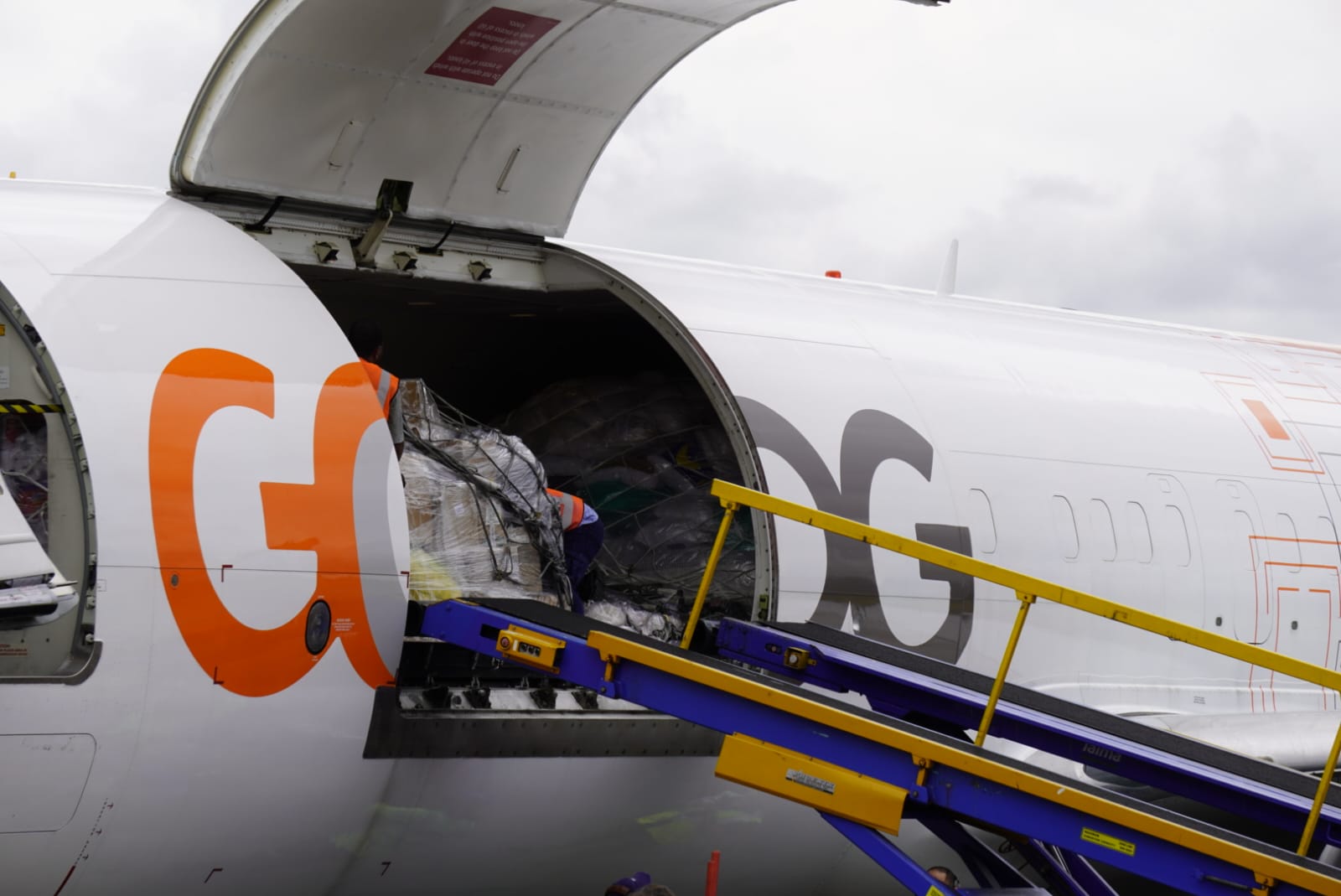
Following the 7.4-magnitude earthquake that struck the Colombian region on Aug. 10, 2026, Abra Group launched a humanitarian air bridge over the weekend to transport more than 40 tons of essential aid to affected communities. The joint operation by GOLLOG and Avianca Cargo transported critical supplies donated by organisations and government agencies across Colombia. Humanitarian […]
 Travel Radar•Maria Facio10 Sept
Country: Colombia Source: International Federation of Red Cross and Red Crescent Societies Bogotá / Geneva / Panama City, 10 September 2026 – A magnitude 7.4 earthquake struck western Colombia on 10 August, killing hundreds of people and, as of 4 September, leaving more than 661,000 people formally registered as disaster-affected. One month on, addressing the health, mental health and shelter needs of the hardest-hit communities remains a priority for the coming months, said the International Federation of Red Cross and Red Crescent Societies (IFRC). While emergency search-and-rescue operations have concluded in most areas, in the short term, people affected by the earthquake require health care to prevent complications from chronic illnesses or interruptions to vaccination schedules; psychosocial support to help people cope with grief and the effects of trauma; and access to essential items that support hygiene, rest, and the preparation and consumption of food – particularly for those who are still unable to return to their homes. "An emergency of this scale does not end when the first rescue operations are complete," said Dr. Judith Carvajal de Álvarez, President of the Colombian Red Cross. "Communities continue to face needs and challenges as they work to rebuild their lives. That is why our response keeps evolving to accompany people through the different stages of the emergency and recovery, strengthening our local capacities and working alongside communities." Over the past month, 1,844 Colombian Red Cross volunteers and staff have delivered more than 3,600 tonnes of humanitarian assistance and provided more than 5,300 health support interventions, including medical care, psychological support, public health and psychosocial support activities. They have also distributed more than 15,700 liters of water, and accompanied more than 4,400 people through Restoring Family Links services to reconnect with loved ones. These services will continue in the coming months, but over the medium and long term, affected communities will also need support to recover their livelihoods, rebuild their community resilience, and strengthen individual and collective preparedness for future emergencies and disasters. To sustain both today's assistance and the support that will be needed over the next two years, the IFRC has launched an emergency appeal for CHF 25 million (US$30 million) to scale up the Colombian Red Cross's capacity for early recovery, shelter, livelihoods and psychosocial support. "Responding to this earthquake is a complex endeavour: the damage spans an extensive and diverse geographic area marked by highly challenging contexts, and affects communities that were already living in situations of vulnerability," said Loyce Pace, IFRC Regional Director for the Americas. "Having flexible, sustainable, long-term investment is key so the Red Cross can continue providing assistance that is agile, localised and adapted to the needs of each territory." Colombian Red Cross and IFRC teams will continue to assess needs on the ground and adjust their response accordingly, so that support keeps reaching the people who need it most as the situation evolves. This includes support for Colombian Red Cross volunteers who, as members of the very communities affected by the earthquake, have themselves experienced the impact of the disaster firsthand while remaining a pillar of this response. For more information or to arrange interviews: Johannes Chinchilla, +31 611187443 Panama: Maria Victoria Langman, +507 6550-1090 Susana Arroyo Barrantes, +507 6999-3199 In Geneva: Scott Craig, +41 76 370 3575 Paolo Cravero, +41 79 894 8396
ReliefWeb•International Federation of Red Cross and Red Crescent Societies10 Sept
MoneyGram's stablecoin Visa card in Colombia could accelerate global stablecoin adoption, reshaping cross-border transactions and financial inclusion.
 CryptoBriefing•Editorial Team10 Sept
MoneyGram has launched its first stablecoin-backed Visa card, developed with Rain and initially available in Colombia.
 The Block•Yogita Khatri10 Sept
Country: Colombia Sources: El Equipo Humanitario País Colombia, UN Office for the Coordination of Humanitarian Affairs Please refer to the attached file. One month after the earthquake, more than 466,000 people remain affected across 16 departments. While response and early recovery efforts continue, extensive damage to housing and critical infrastructure is sustaining acute humanitarian needs, particularly in Risaralda, Valle del Cauca, Chocó, Quindío and Caldas. The Government, the National System for Disaster Risk Management (SNGRD) and international partners have assisted more than 135,000 people through multi-sectoral interventions in 53 priority municipalities. Close coordination among authorities, humanitarian actors and affected communities remains critical to address urgent needs and accelerate sustainable recovery solutions. Recovery efforts face growing challenges amid concurrent crises, including armed conflict, wildfires, drought and flooding. Additional and timely funding is needed to address humanitarian gaps, scale up assistance and support the recovery of affected communities through the end of 2026. The United Nations Development Programme (UNDP), in partnership with the National Unit for Disaster Risk Management (UNGRD) and the National Government, is advancing post-earthquake early recovery efforts. Through thematic coordination platforms, UNDP is supporting resilient and sustainable reconstruction informed by the rapid assessment, which highlights the extent of damage to critical infrastructure.
ReliefWeb•UN Office for the Coordination of Humanitarian Affairs10 Sept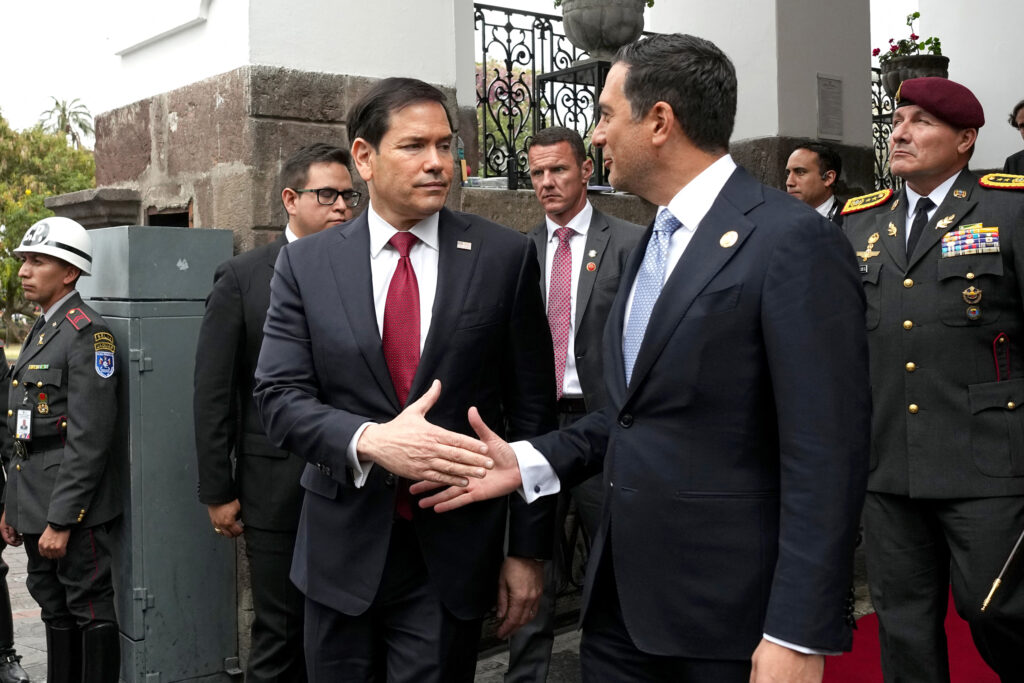
When Secretary of State Marco Rubio arrived in South America this week, he carried a familiar message: The United States wants access to minerals and an expanded military presence in the region. That agenda is being welcomed by newly elected right-wing governments in Colombia, Ecuador and Peru that rose to power on hard-line security platforms […]
 Inside Climate News•By Katie Surma9 Sept
Bogota, Colombia, September 9, 2026 – With two major Colombian financial institutions onboarded — including state-owned Banco Agrario — more than $500 million in processed volume, and a target of up to $10 million in daily transactions with Financiera Juriscoop, KiiChain is expanding its institutional FX and settlement footprint across Latin America. KiiChain is expanding
 BeInCrypto•Advertorial9 Sept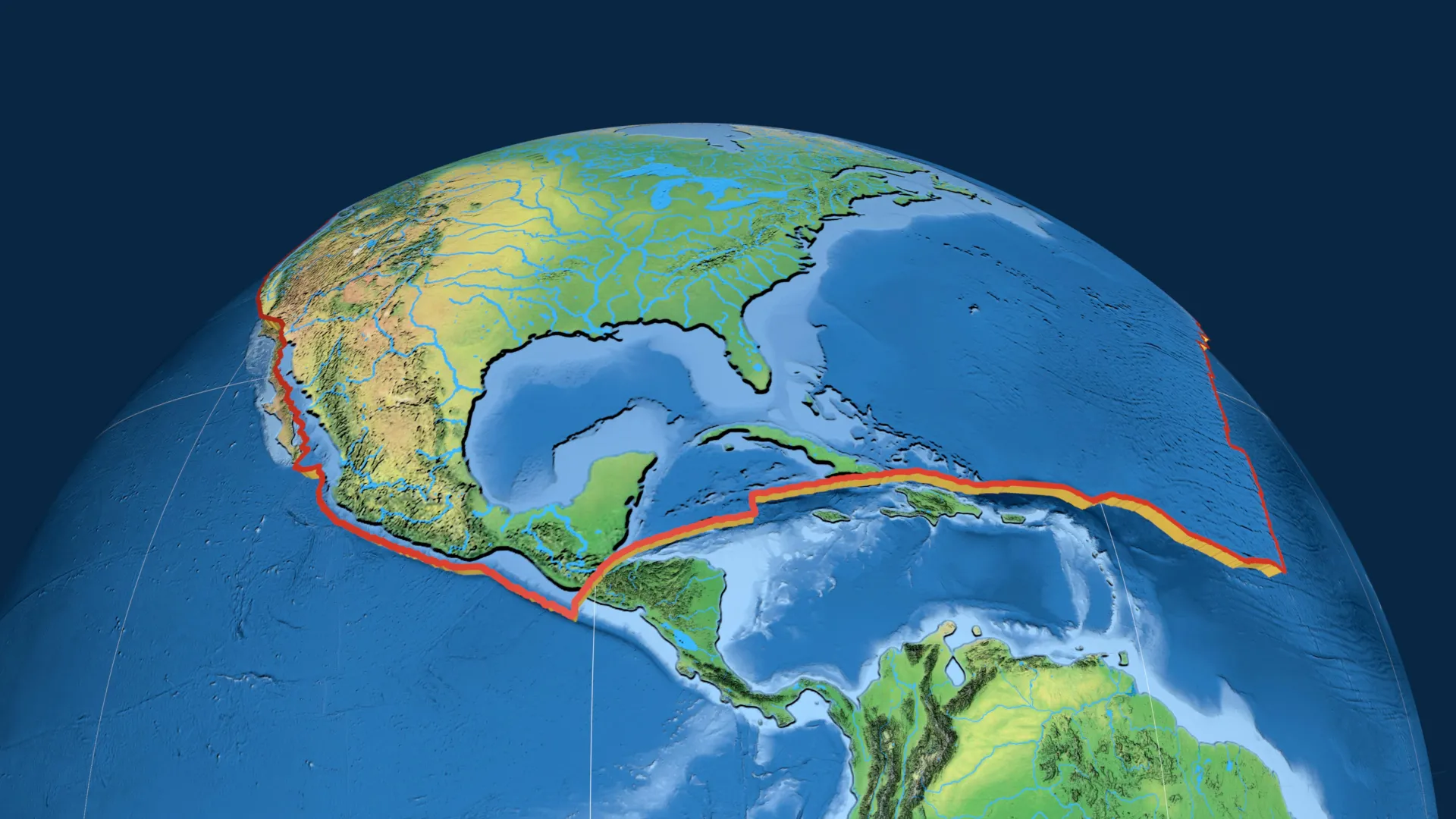
Volcanic rocks in Colombia are rewriting the timeline of the collision between Central and South America. Their magnetic signatures show that major tectonic deformation had already weakened by the late Miocene, suggesting the most intense collision occurred earlier than previously believed.
 ScienceDaily9 Sept
Secretary of State Marco Rubio will visit friendly governments in Colombia, Ecuador and Peru. But his support for the Venezuela oil deal is rankling some in the region.