El Niñopage 5

Event · 111 articles
Share

Coverage, page 5

page 5 of 6

Kenya Humanitarian Update, August 2026 | Save the Children Kenya

Country: Kenya Source: Save the Children Please refer to the attached file. This update highlights Save the Children’s humanitarian response and resilience programming across Kenya in August 2026, covering key interventions in health, nutrition, education, child protection, WASH, climate resilience and emergency preparedness. It captures key achievements, partnerships, field activities and emerging priorities aimed at protecting children and supporting vulnerable communities affected by crises. El Niño preparedness in Kenya. Kenya continues to strength its El Niño preparedness through a coordinated national approach focused on reducing the impacts of flooding, displacement, and damage to critical infrastructure through development and activation of EL Nino contingency plan. The plan is based on the most likely scenario of a strong El Niño event that could affect up to one million people and displace approximately 500,000 people across Kenya's flood-prone counties. The plan prioritizes preparedness, anticipatory action, and rapid response to mitigate the impacts of flooding, while also capitalizing on opportunities associated with above-normal rainfall. Key priorities include strengthening early warning systems, pre-positioning relief supplies, ensuring continuity of essential services, protecting vulnerable populations, and enhancing coordination between national and county governments, humanitarian partners, and communities. The Climate Outlook for the October–December 2026 Short Rains season issued by the Kenya Meterological Services Authority indicates that above-average rainfall is expected over Baringo, Bomet, Bungoma, Busia, Elgeyo Marakwet, Embu, Garissa, Homa Bay, Isiolo, Kajiado, Kakamega, Kericho, Kiambu, Kilifi, Kirinyaga, Kisii, Kisumu, Kitui, Kwale, Laikipia, Lamu, Machakos, Makueni, Mandera, Meru, Migori, Mombasa, Murang’a, Nairobi, Nakuru, Nandi, Narok, Nyamira, Nyandarua, Nyeri, Siaya, Taita/Taveta, Tana River, Tharaka-Nithi, Trans Nzoia, Uasin Gishu, Vihiga, Wajir, and much of West Pokot, Samburu and Marsabit Counties Food Security in Kenya. The food security situation has improved from early 2026, but 2.74 million people in ASAL counties, and 351,000 refugees are still facing acute food insecurity, and require urgent action during July to October 2026, according to the Kenya Long Rains Assessment. The major drivers are crop production deficits, high food prices, livestock stress, conflict and insecurity, flooding, disease outbreaks, and deteriorating nutrition conditions. Nutrition Situation in Kenya. An estimated 883,258 children aged 6 to 59 months suffering from acute malnutrition, of whom 658,955 have Moderate Acute Malnutrition (MAM) and 224,264 have Severe Acute Malnutrition (SAM). In addition, 116,846 pregnant and breastfeeding women require treatment for acute malnutrition, highlighting a critical nutrition crisis affecting both children and mothers and underscoring the need for strengthened prevention, treatment, and nutrition support interventions in affected areas. In the counties of Garissa, Turkana, Mandera and Nairobi data from KHIS suggests that between May and July, malnutrition treatment admissions increased by 39%, from 43,066 in 2025 to 59,819 in 2026. The largest increase was recorded in new SAM admissions, which rose by 77%, from 9,649 to 17,048, while MAM admissions increased by 29%, from 31,750 to 40,852, and stabilizer admissions increased by 15%, from 1,667 to 1,919. The increase was most pronounced in May and June 2026, particularly for SAM and MAM admissions, while admissions across all three categories were lower in July 2026 than in the corresponding month of 2025.

ReliefWebReliefWebSave the Children14 Sept

WFP Djibouti Country Brief September 2026

Country: Djibouti Source: World Food Programme Please refer to the attached file. The UN Emergency Relief Coordinator allocated USD 2 million to support anticipatory actions ahead of the expected El Niño drought, enabling UN agencies to deliver coordinated multi-sector assistance to more than 53,000 vulnerable people, including refugees, before conditions deteriorate further. A delegation from U.S. Foreign Assistance visited the Ali Addeh refugee settlements on 16 August to observe WFP’s food and cash assistance activities firsthand, reinforcing donor engagement and confidence in the refugee response. WFP and the Government of Djibouti are preparing to sign a Memorandum of Agreement that formalizes the transfer of the Humanitarian Logistics Base (HLB) to national ownership, marking a key milestone towards greater government leadership and long-term sustainability.

ReliefWebReliefWebWorld Food Programme14 Sept

PNG: CARE International Emergency Situation Report # 1 - Pacific & Timor-Leste El Niño Drought 2026

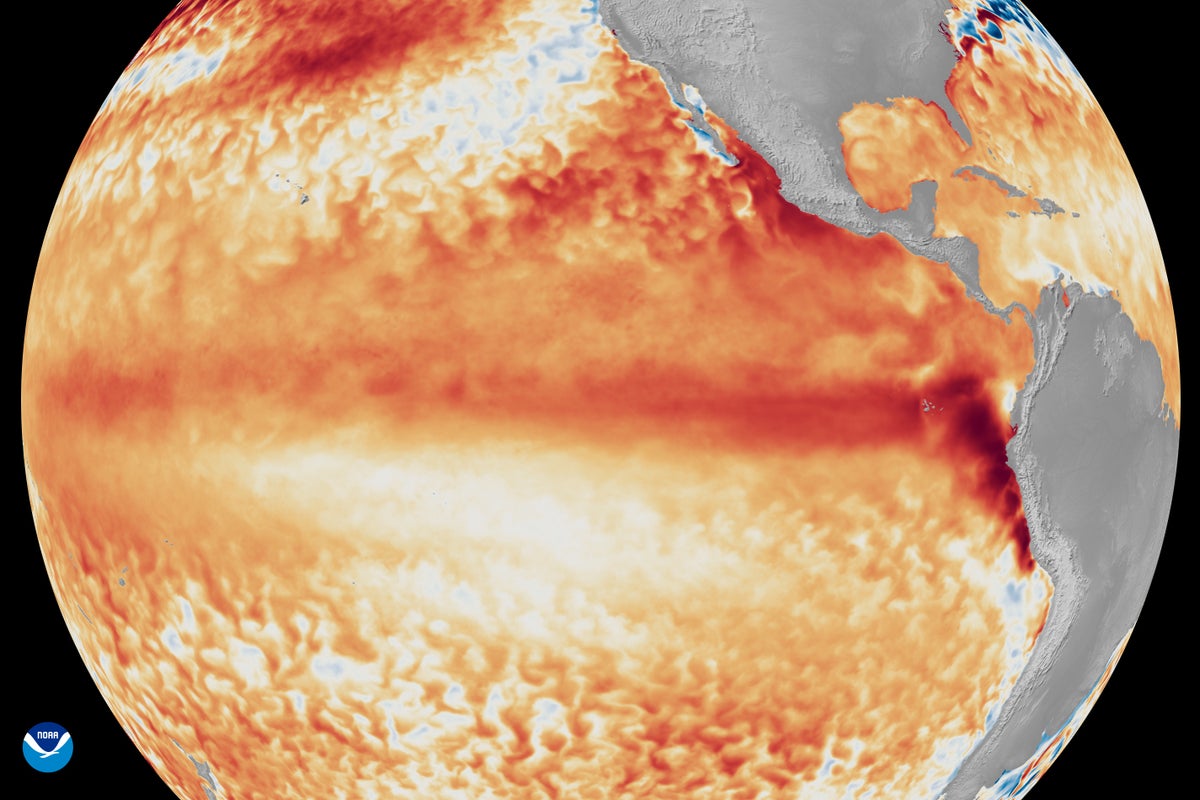
Countries: Papua New Guinea, Fiji, Samoa, Solomon Islands, Timor-Leste, Tonga, Vanuatu Source: CARE Please refer to the attached file. 1. Executive Summary As the 2026-27 El Niño event intensifies, drier and drought conditions have impacted much of the Pacific region. More than 6-million people across the Pacific and Timor-Leste are now affected by drought. CARE is currently developing response strategies across the region to target growing needs in areas of WASH, Protection, and Food Security, Nutrition and Livelihoods. The current regional funding target is USD2.44million for an initial 9-month response targeting 62,000 people. 2. Situation Overview Across the Pacific and Timor-Leste more than 6 million people have been affected by El Niño-induced drought conditions. Worsening food insecurity, water insecurity, and protection risks are leading to a deepening of poverty, increased health and hygiene risks, and heightened gender-based violence (GBV) exposure. The 2026-27 El Niño event is projected to be the strongest ever recorded. The latest relative Niño3.4 index value for the week ending 30 August 2026 is +2.45 °C, well above the El Niño threshold (+0.80 °C) and warmed by around 0.5 °C over the prior fortnight. The strength of this El Niño, in addition to the typical life cycle of an El Niño, suggests this El Niño may persist into the southern hemisphere autumn 2027. The Australian Bureau of Meteorology (BoM) notes the rate of ocean warming observed in the six months to September 2026 is unprecedented in the historical record, with peak SST anomalies potentially exceeding +3.0°C.1 The European Commission's Joint Research Centre (JRC) has characterised the 2026 event as "potentially historic" and has emphasised that El Niño's high predictability creates a clear obligation for timely anticipatory action. The Indian Ocean Dipole (IOD) is currently neutral. As of 30 August 2026, the weekly IOD index is +0.22 °C. After three-weeks above the positive IOD threshold (+0.4 °C), the index has returned to neutral. Risks of a positive IOD to develop during the southern hemisphere spring.

ReliefWebReliefWebCARE14 Sept

Weather tracker: Hurricane Lowell pounds Hawaii’s western islands

Widespread damage across Ni’ihau, Kaua’i and O’ahu after reportedly first-ever recorded tornado watch in Hawaii Hurricane Lowell caused significant damage to Hawaii’s western islands this week. On Tuesday night the centre of Lowell tracked 50 miles (80km) from the island of Ni’ihau in Kauai County as a category 2 storm with winds of up to 110mph. The strong winds resulted in widespread power outages across Ni’ihau, and the islands of Kaua’i and O’ahu. The event was particularly notable because a tornado watch had been issued for Kaua’i on Monday night and into Tuesday morning. According to research maps from Iowa State University, it was likely to be the first-ever recorded tornado watch in Hawaii’s history. In the event, a tornado was not documented, however hurricanes can produce tornadoes and most often occur in thunderstorms within rain bands away from the centre of the hurricane. Currently, five named stormed have occurred in the central Pacific with the strong El Niño this year being a key driver in the above normal hurricane season, as noted by the National Weather Service. Continue reading...

The GuardianThe GuardianMegan Davies for MetDesk11 Sept

Ethiopia Food Security Outlook Update: Historically poor kiremt rainfall linked to El Niño drives meher crop losses, August 2026 - January 2027

Country: Ethiopia Source: Famine Early Warning System Network Please refer to the attached file. Key Messages Crisis (IPC Phase 3) outcomes are expected to persist across many drought-affected cropping and pastoral areas through January 2027 with some households likely to face Emergency (IPC Phase 4) outcomes. Through September, poor households will remain increasingly reliant on markets amid limited income from agricultural labor and elevated food prices. The October harvest is expected to temporarily improve food and income access in central and southern areas, supporting Stressed (IPC Phase 2) outcomes, particularly; however, limited production will sustain Crisis (IPC Phase 3) in the worst-affected areas in the north and east, as the meher harvest is not expected meaningfully replenish food stocks. The June to September kiremt and karan/karma seasons are historically poor with rainfall deficits exceeding 50 percent of average rainfall across much of the country with exceptional drought conditions across nearly all kiremt-receiving areas . The poor rain delayed planting and is driving poor cropping conditions, notably in northern, central, and eastern areas of the country. This is anticipated to result in below-average meher production, which accounts for over 85 percent of national crop production, and reduced income from agricultural labor. In pastoral areas of Afar, pasture is extremely poor and sparsely available at a time when pasture should be lush and green, negatively affecting livestock body conditions. In the northeast, including areas along the Tekeze River and eastern areas of Tigray, poor kiremt rainfall delayed planting, with some farmers replanting twice following poor crop establishment . Most crops are currently at the vegetative to early development stages . In some areas, crop failure is likely as maize is wilted and sorghum is severely stunted and is unlikely to fully recover during the remainder of the growing period across these areas and the lowland areas of East and West Haragrhe. Strengthening El Niño and a positive IOD are expected to support an early, above-average deyr/hageyarainyseason with heavy rainfall and flooding likely in southern and southeastern pastoral areas. In the pastoral south and southeast, poor pasture and water availability are already reducing milk availability and livestock income; although deyr/hageya rainfall is expected to support some recovery from October, depleted herds and below-average productivity will most likely limit improvements in household food access.

ReliefWebReliefWebFamine Early Warning System Network11 Sept

Water isotopes reveal early drought signals in Central Amazon rainfall

The historic droughts of 2023 and 2024 in the Amazon reduced river flows and altered the region's rainfall composition. Daily monitoring in Manaus, the capital of the Brazilian state of Amazonas, revealed these changes through the use of isotopes, which act as a kind of water "fingerprint." This method demonstrated how El Niño and warming in the North Atlantic affected the origin of moisture and precipitation dynamics.

Phys.orgPhys.org10 Sept

August hottest month ever recorded globally as huge El Nino emerges

Europe's climate monitor said Thursday that August was the hottest month ever recorded around the world and warned of worse to come, as an unprecedented El Nino pattern grows stronger. Global temperatures over land and sea soared to all-time highs in August and capped an extreme summer of heatwaves and wildfires that ranked the hottest on record for western Europe and the contiguous United States.

France 24France 24FRANCE2410 Sept

Report maps pathways for accelerating environmental solutions through positive tipping points

New research from The Earthshot Prize and the University of Exeter's Green Futures Solutions team, published today, reveals 51 environmental solutions that can trigger rapid, transformative change to repair our planet within the next five years. After a northern summer of extreme heat and fire, and as the world prepares for an unprecedented El Niño, the research provides a new, unifying agenda for positive action.

Phys.orgPhys.org10 Sept