


Ethiopia faces renewed war as armed groups launch offensive
There are fears of a renewed war in Ethiopia after seven armed groups formed an alliance to overthrow the government.
 Al Jazeera2h ago
There are fears of a renewed war in Ethiopia after seven armed groups formed an alliance to overthrow the government.
Al Jazeera2h ago
Tigray People’s Liberation Forces seized a key airport in the city of Mekelle, as fears grow of a possible return to a full-scale war.
 The New York Times•Matthew Mpoke Bigg2h ago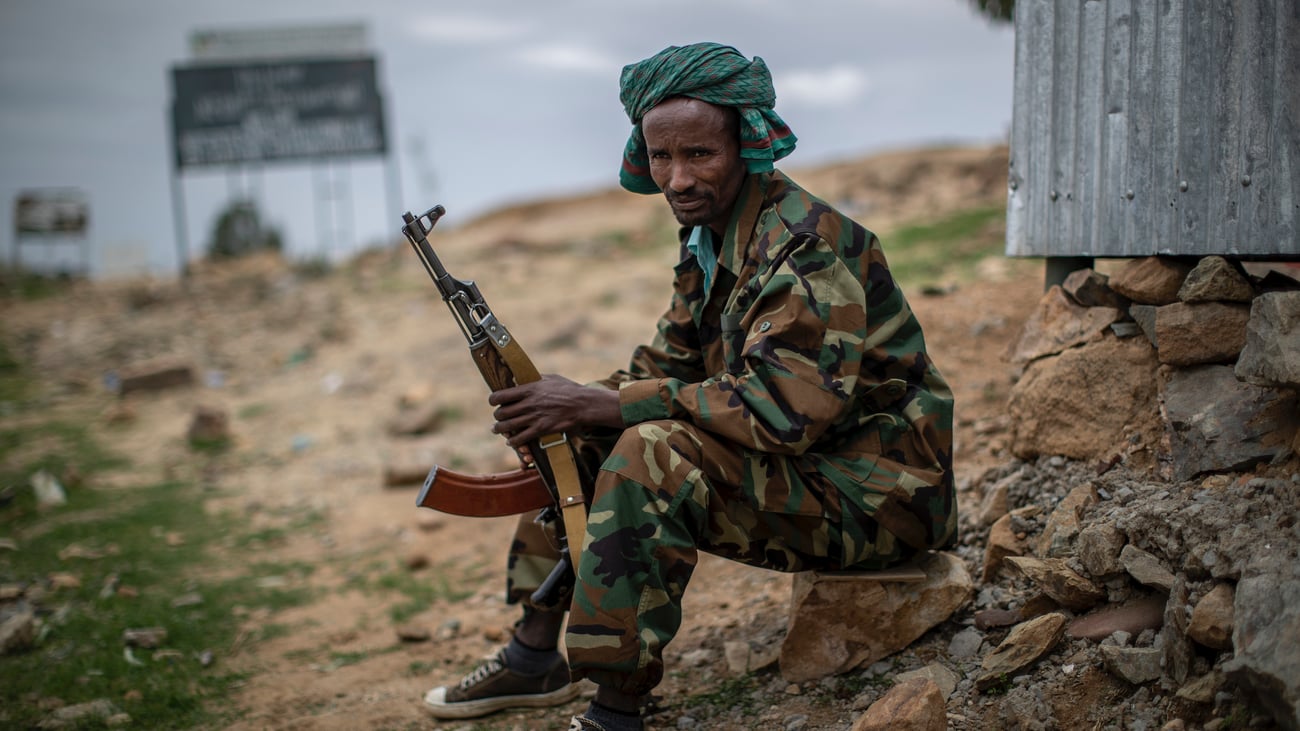
Ethiopia faces multiple insurgencies, including in its most populous regions, Oromia and Amhara.
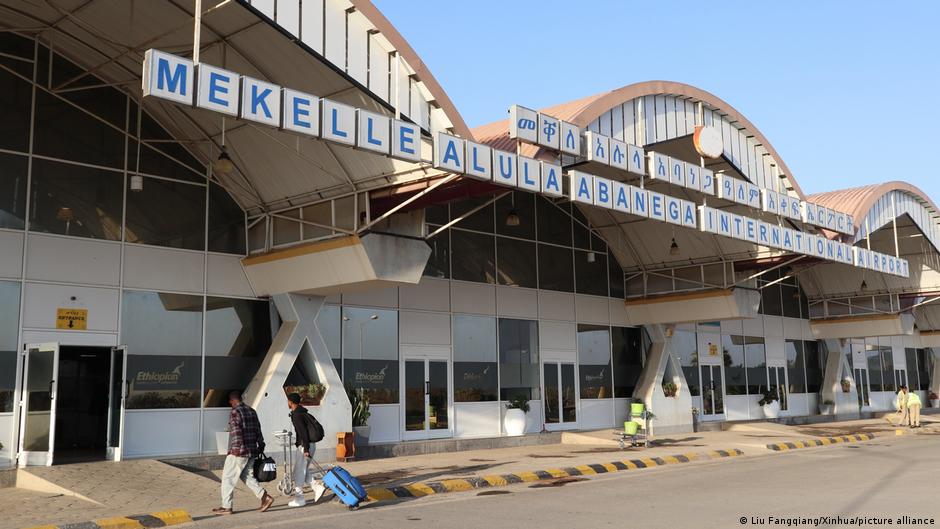
Fighting in and around Tigray is testing Ethiopia's fragile 2022 peace deal. With old enemies forming new alliances, experts warn that the conflict could enter a dangerous new phase.
 Deutsche Welle3h ago
The alliance brings together movements with different enemies, claims and histories as tensions with Abiy rise.
Al Jazeera5h ago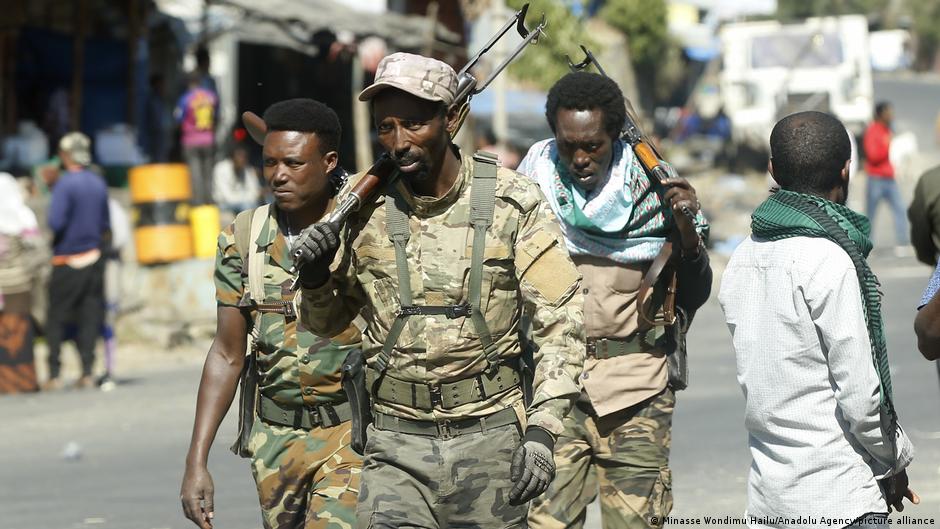
Rebels in northern Ethiopia have seized regional airports and engaged government troops in Afar and Amhara. Observers fear deadly clashes could expand after rebels announced a new anti-government alliance.
Deutsche Welle7h ago
There are fears of a return to war in the northern region as tensions between the government and TPLF escalate.
 BBC8h ago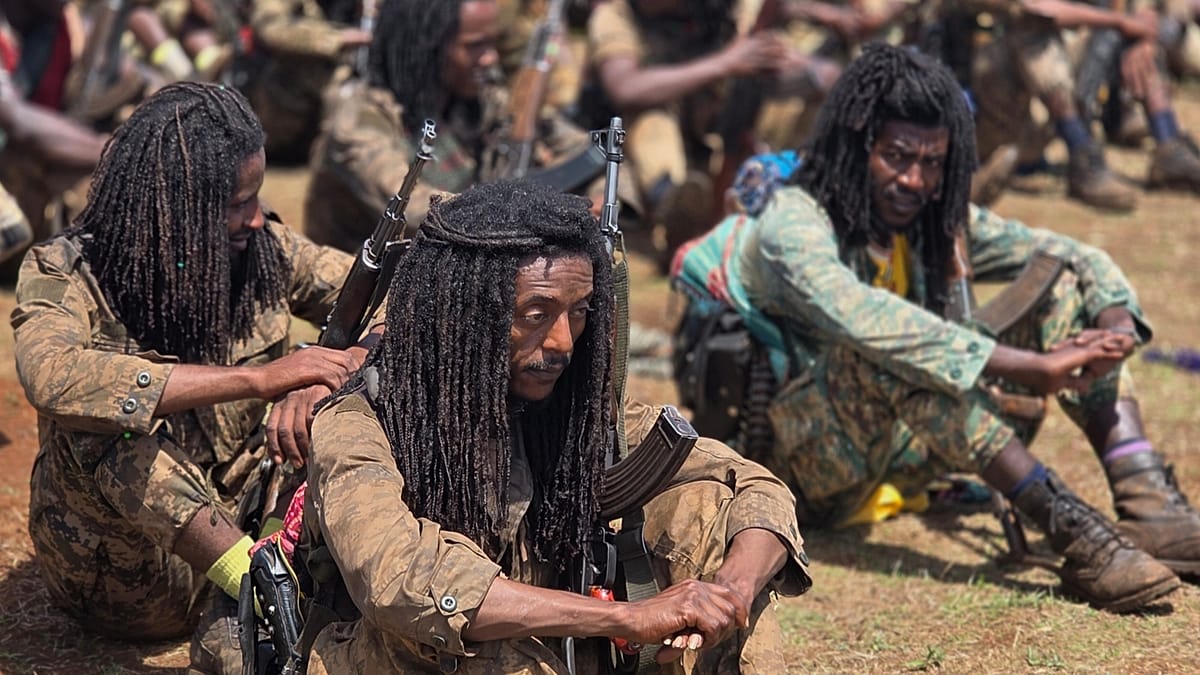
TPLF forces took control of Mekelle airport and fought federal troops at two locations in the Afar region, while Ethiopian Airlines suspended flights to three Tigray airports in an apparent collapse of the Pretoria Agreement that ended the 2020-2022 war in the country.
 Euronews8h ago
Countries: Ethiopia, Colombia, Ukraine Source: Norwegian Refugee Council Please refer to the attached file. Drawing on its operational presence in Fragility, Conflict and Violence (FCV) contexts, the Norwegian Refugee Council (NRC) has 25 years of experience in youth education programming, combining education and legal expertise to support youth to progress between learning, earning and engagement pathways. Our programme approach aims to support refugee youth to transition from dependency to selfreliance, while contributing to local economies, human capital development and national development objectives. NRC’s experience shows that the hardest-to-reach youth, displaced and refugee youth with the lowest education levels, including young women with limited previous schooling, can be engaged and achieve strong education, and economic inclusion outcomes when operational, and regulatory barriers to skills development and labour market participation are systematically removed.
 ReliefWeb•Norwegian Refugee Council9h ago
Country: Ethiopia Source: UN High Commissioner for Refugees Please refer to the attached file. UNHCR, in collaboration with government counterparts and implementing partners, provides primary healthcare services to refugees and neighboring host communities across Ethiopia, while facilitating access to secondary and tertiary referral services for refugees and asylum seekers. To strengthen equitable access to healthcare and support the integration of refugee health services into the national health system, UNHCR supports 26 health centers, 2 health posts, and 2 mobile health posts established at emergency refugee sites. These facilities deliver essential primary healthcare services to both refugee and host communities. ▪ UNHCR's public health programme is implemented across Gambella, Somali, Benishangul-Gumuz, Afar, Addis Ababa, Amhara, and South Omo regions. In partnership with government institutions and implementing partners, the programme supports the deployment of qualified healthcare personnel, ensures the continuous availability of essential medicines and medical supplies, and delivers comprehensive primary healthcare services to refugees while strengthening the capacity of the national health system.
ReliefWeb•UN High Commissioner for Refugees11h ago
Countries: Ethiopia, South Sudan Source: UN High Commissioner for Refugees Please refer to the attached file. ▪ With reference to Makatet’s pillar-4- Access to basic and social services, the pillar pre-requisites the preparation of a baseline assessment tool/template, and as such, in association with the IM unit, the assessment tool has been prepared to measure the key milestones that the UNHCR country office has so far achieved and potentially assess the gaps through the implementation of water safety planning. ▪ Outlining the transition readiness table for different operations ▪ With the available funding and resource mobilization with operating partners, continue ensuring the WASH services in woredas and areas hosting forcibly displaced and stateless populations are improved and included in facilities managed by the regional water bureau and local water development Offices. ▪ Continue to strengthen fundraising efforts to complement targeted humanitarian assistance, while actively advocating for resource mobilization in collaboration with operating partners and other key stakeholders.
ReliefWeb•UN High Commissioner for Refugees11h ago
Country: Ethiopia Source: UN High Commissioner for Refugees Please refer to the attached file. UNHCR, in collaboration with FDRE Refugee Returnee Service (RRS) and partners, is supporting refugees, asylum seekers, and host communities to access safe, dignified, habitable shelter—addressing urgent humanitarian needs while advancing integrated, climate-resilient settlements aligned with the GCR, and Ethiopia’s human settlement pledge inline with Makatet Roadmap. Multi-Year Priorities ▪ Advancing a sustainable human settlements approach: In line with the Makatet Framework and the Government of Ethiopia’s Human Settlements Pledge Operational Plan. ▪ Protection-sensitive shelter and affordable housing: Advance area-based, climate-resilient shelter, housing, and settlement solutions that enhance protection outcomes, support self-reliance, and plans that address both immediate and long-term needs ▪ Community-led approaches: Scale community-driven and cash-based delivery to reinforce ownership and social cohesion. ▪ Information management: Strengthen Sectorial data and analysis to improve planning, targeting, and advocacy.
ReliefWeb•UN High Commissioner for Refugees11h agoCountry: Ethiopia Source: UN High Commissioner for Refugees Please refer to the attached file. UNHCR, in collaboration with FDRE Refugee Returnee Service (RRS) and partners, is supporting refugees, asylum seekers, and host communities to access safe, dignified, habitable shelter—addressing urgent humanitarian needs while advancing integrated, climate-resilient settlements aligned with the GCR, and Ethiopia’s human settlement pledge inline with Makatet Roadmap. Multi-Year Priorities ▪ Advancing a sustainable human settlements approach: In line with the Makatet Framework and the Government of Ethiopia’s Human Settlements Pledge Operational Plan. ▪ Protection-sensitive shelter and affordable housing: Advance area-based, climate-resilient shelter, housing, and settlement solutions that enhance protection outcomes, support self-reliance, and plans that address both immediate and long-term needs ▪ Community-led approaches: Scale community-driven and cash-based delivery to reinforce ownership and social cohesion. ▪ Information management: Strengthen Sectorial data and analysis to improve planning, targeting, and advocacy.
ReliefWeb•UN High Commissioner for Refugees11h ago
Country: Ethiopia Source: UN High Commissioner for Refugees Please refer to the attached file. GBV interventions in Q1 2026 focused on prevention, risk mitigation, and response, with emphasis on survivor-centered services andcommunity-based prevention approaches, guided by the UNHCR GBV Strategy 2023–2026: ▪ Empowerment of women, girls and adolescents ▪ Strengthening survivor-centered multi-sectoral services ▪ Inclusion in national and local service systems ▪ GBV mainstreaming across protection, WASH, shelter, health, education and livelihoods ▪ Community-based prevention approaches, including women-ledstructures and male engagement
ReliefWeb•UN High Commissioner for Refugees11h ago
Country: Ethiopia Source: UN High Commissioner for Refugees Please refer to the attached file. GBV interventions in Q1 2026 focused on prevention, risk mitigation, and response, with emphasis on survivor-centered services andcommunity-based prevention approaches, guided by the UNHCR GBV Strategy 2023–2026: ▪ Empowerment of women, girls and adolescents ▪ Strengthening survivor-centered multi-sectoral services ▪ Inclusion in national and local service systems ▪ GBV mainstreaming across protection, WASH, shelter, health, education and livelihoods ▪ Community-based prevention approaches, including women-ledstructures and male engagement
ReliefWeb•UN High Commissioner for Refugees11h agoCountry: Ethiopia Source: International Committee of the Red Cross What is the ICRC’s role in assisting arms carriers to promote international humanitarian rules and undertake to ensure their respect? This article aims to provide some answers, focusing on what this means in Ethiopia today. “A refresher on the law can be a powerful guide in difficult situations,” said an Ethiopian military Colonel during one of the ICRC’s sessions on international humanitarian law (IHL), also known as the law of armed conflict or law of war. When states adopt these international rules, notably the universally endorsed Geneva Conventions of 1949, they commit themselves to disseminating them. This engagement to disseminate IHL is valid both in peacetime and in periods of armed conflict. In Ethiopia, in 2026, both situations coexist in parts of the country. Numerous, mostly rural areas of the Amhara, Oromia and Tigray regions are affected by conflict, or by the consequences thereof. The ICRC engages with all those involved in fighting to help prevent violations of IHL. Our prevention efforts complement our bilateral dialogue – notably to address issues affecting the civilian population – and are carried out in complementarity with the Ethiopian Red Cross Society (ERCS). These combined efforts come in addition to helping communities in those areas, often alongside the ERCS. Training for armed and security forces In Ethiopia, in the first semester of 2026, the ICRC engaged with more than 1,600 arms carriers through workshops and meetings on the law of armed conflict and other applicable rules. Twice as many were reached in 2025, a year in which we organized almost 70 training sessions for armed and security forces, mostly in operational areas. Subjects addressed in these sessions include respect due to the civilians, the wounded, protection of health staff and facilities, humane treatment of detainees. “We will apply this training to ensure our junior soldiers clearly understand their obligations,” said an Ethiopian National Defense Force (ENDF) officer. Through practical discussions and lessons drawn from past conflicts, participants explore concrete ways to uphold legal and humanitarian standards in combat. The Federal Police, Regional Police, and Militias are similarly engaged about the respect for IHL and the use of force in the field, particularly in the Amhara and Oromia regions. In addition, all these forces need to know about the humanitarian roles and fundamental principles of the ICRC and the ERCS, to allow them safe access to people in need. “It is those who carry weapons who can kill – and be killed. It is also they who can facilitate or hinder humanitarian action. We therefore maintain a dialogue with all weapon bearers, State and non-State, as part of our mandate to protect and assist people affected by war and other violence”. (ICRC, on its dialogue with weapon bearers globally) Armed groups must also know the rules – notably in Amhara and Oromia In Ethiopia and elsewhere, non-State armed groups involved in conflict also need to know and respect IHL. We reach out to them with the same messages calling for the safeguard of civilians, wounded and sick, those no longer fighting, health- and humanitarian workers. These engagements are adapted to the specificities of these groups, involving informal sessions rather than structured “training”, and keeping bilateral dialogue as the main type of interaction on the humanitarian issues at stake. We are sometimes asked why we engage with armed groups such as those operating in the Amhara and Oromia regions. The answer is found in the ICRC’s neutrality, which means that, in any situation of armed conflict or armed violence, we cannot, and do not, take sides. In Ethiopia, to carry out our humanitarian work, we maintain a strictly humanitarian and confidential dialogue with all those involved in conflicts, including members of such non-State armed groups. These contacts aim to strengthen both the respect for basic humanitarian principles and our safe access to conflict-affected communities, often in remote areas. This dialogue doesn’t imply any political recognition or endorsement of these armed groups. In and around the Tigray region In recent months, the ICRC conducted sessions with ENDF operational commands in Bahir Dar, Woldiya, Kombolcha, and various other locations of northern Ethiopia, to discuss IHL and its unique humanitarian role. The sessions highlighted the importance of protecting civilians and respecting the rules of armed conflict. The ICRC also conducted sessions on IHL with Tigray security forces in Shire, Wukro, Maichew, and elsewhere in the region. “As is public knowledge, lately the situation on the ground has been tense, so the ICRC has been engaging with the ENDF and the Tigray forces to help them meet their IHL obligations should hostilities further escalate,” said an ICRC expert in the law of war. He added: “We do the same job in peacetime and in wartime, whether things are quiet or tensions arise. Of course, peace is always the better solution for the civilian population.” As a matter of fact, respect for IHL during conflicts can contribute to the return to lasting peace. Conduct of armed hostilities As part of its IHL-related role, the ICRC also monitors the parties’ conduct of armed hostilities. Military necessity must always balance with the humanitarian objective of reducing human suffering, particularly among civilians. Key principles of IHL must be respected in this regard, such as distinction (ensuring that military action is not directed against civilian persons or objects) and proportionality (avoiding excessive civilian harm in relation to the concrete and direct anticipated military advantage). Resolutions adopted in the International Conferences of 2019 and 2024 further emphasize the responsibility of the Red Cross and Red Crescent Movement to take concrete steps to disseminate IHL effectively. In doing so, we need to pay particular attention to those called upon to implement or apply IHL, namely the authorities and those who carry weapons.
ReliefWeb•International Committee of the Red Cross20h ago
Seven armed groups announce alliance to topple government.
Al Jazeera22 Sept
On the eve of International Peace Day, an Ethiopian rebel leader announced an alliance of seven armed groups with the stated objective of toppling Prime Minister Abiy Ahmed's ruling party and establishing a transitional government. The alliance consists of former enemies during the 2020 civil war that killed 600,000 people, and other armed groups from across the country, all fighting their own battles against federal troops. With the war in Sudan across the border, and several third parties like Eritrea siding with involved parties, there are fears of isolated armed conflicts in Ethiopia spilling over into a regional war. More from our correspondent Tom Canetti.

Countries: Sudan, Central African Republic, Chad, Egypt, Ethiopia, Libya, South Sudan, Uganda Source: International Organization for Migration Please refer to the attached file. The Sudan Displacement and Return Snapshot includes information on internally displaced persons (IDPs) and returnees, based on data from over 13,000 locations, 185 localities, and all 18 states in Sudan. Main Findings An estimated 8,583,274 internally displaced persons (IDPs) were recorded across 185 localities in all 18 states. An estimated 5,145,165 returned individuals were recorded across 77 localities in nine states. Eighty-two per cent of returnees moved back from internal displacement, while 18 per cent returned from abroad. Approximately half of IDPs (55%) and returnees (50%) were children under 18 years old. Key Trends The number of IDPs decreased by 26 per cent compared to the highest-recorded displaced population and by approximately one per cent compared to the previous month. The number of returnees increased by four per cent compared to the previous month. For further information, see the DTM Methodological Note and the DTM Sudan Interactive Dashboard.
ReliefWeb•International Organization for Migration22 Sept
Country: World Source: Oxfam Please refer to the attached files. Overview This report, produced as part of Oxfam’s engagement for the UN General Assembly, brings together the personal testimonies of civil society leaders living and working on the frontlines of conflict. Their voices come from the Democratic Republic of Congo, Ukraine, Lebanon, the Occupied Palestinian Territory, Colombia, Yemen, Syria, South Sudan and Ethiopia. Through these testimonies, Oxfam’s partners call on the next UN Secretary-General to transform global peace and security systems to better protect civilians. The paper builds on Oxfam’s ongoing advocacy to reform the Peace and Security System, which began with the 2024 UNGA report Vetoing Humanity and continued through the 2025 report A (More) Feminist Approach to Principled Humanitarian Aid. Together, these reports envision a humanitarian system grounded in meaningful power sharing and the leadership of affected communities, creating a genuine and trusted local-to-global movement.
ReliefWeb•Oxfam21 Sept