Trump says the US doesn’t need Canada. But it’s the source of key minerals for the military | Vince Beiser
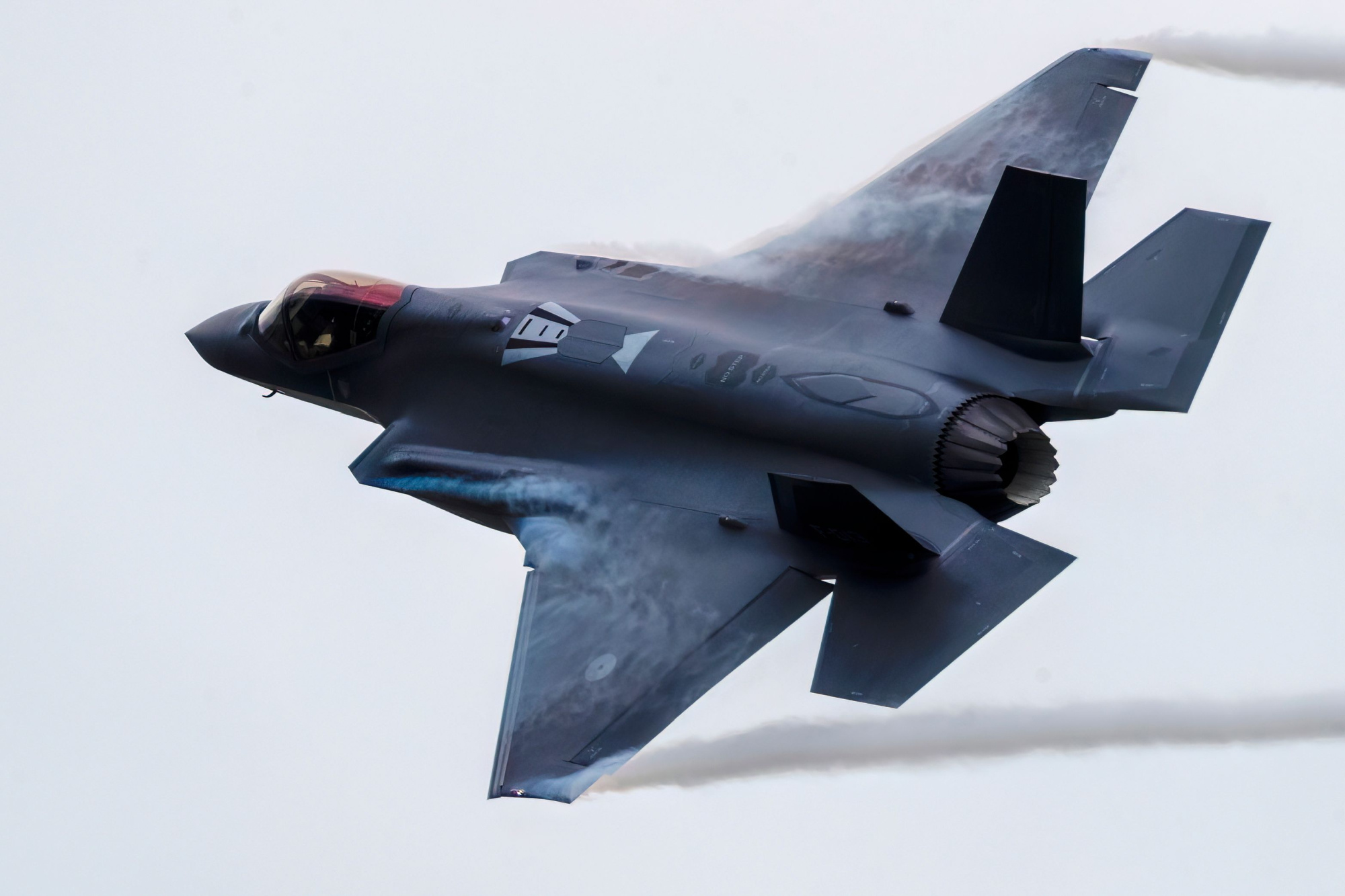
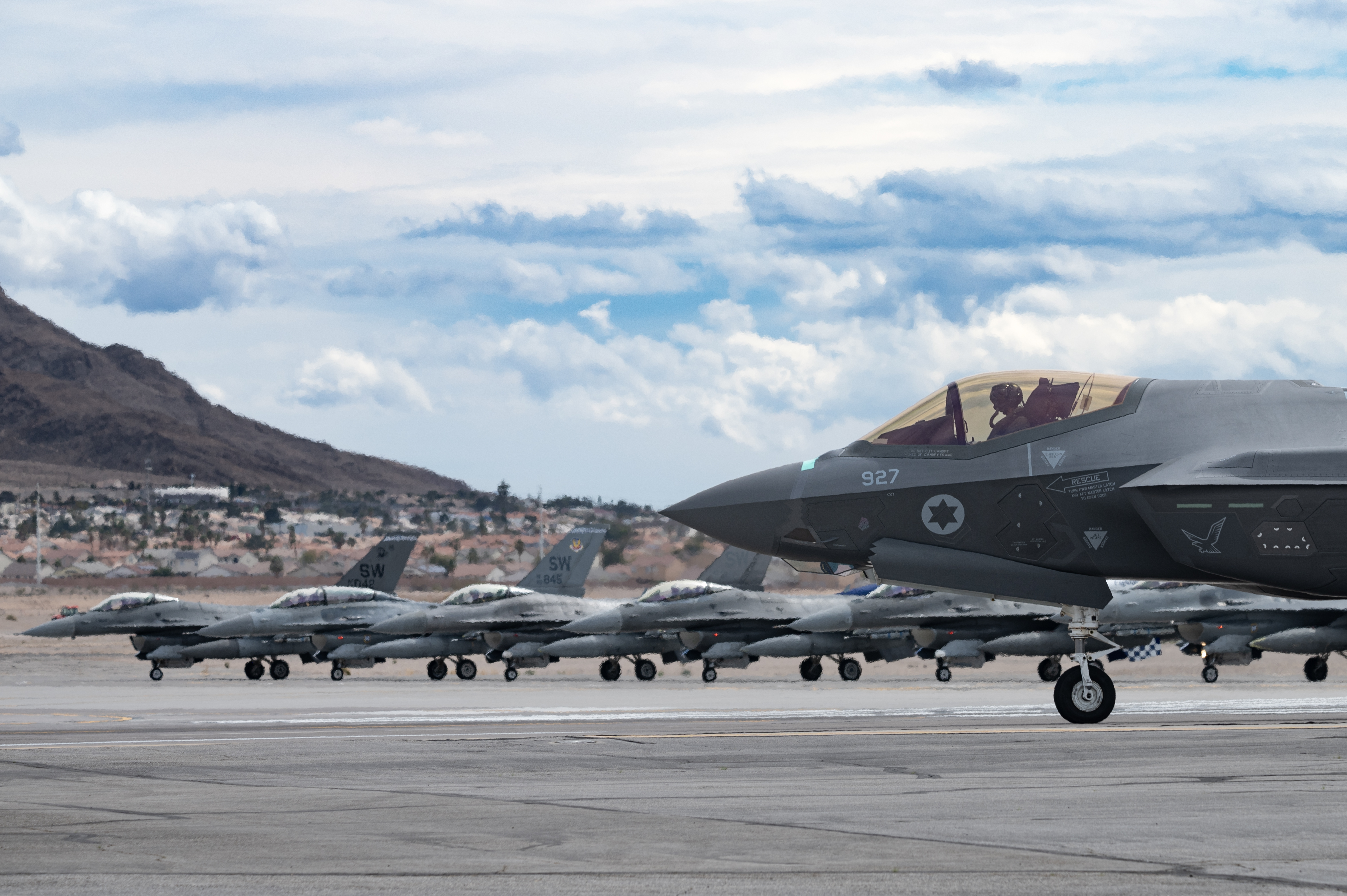
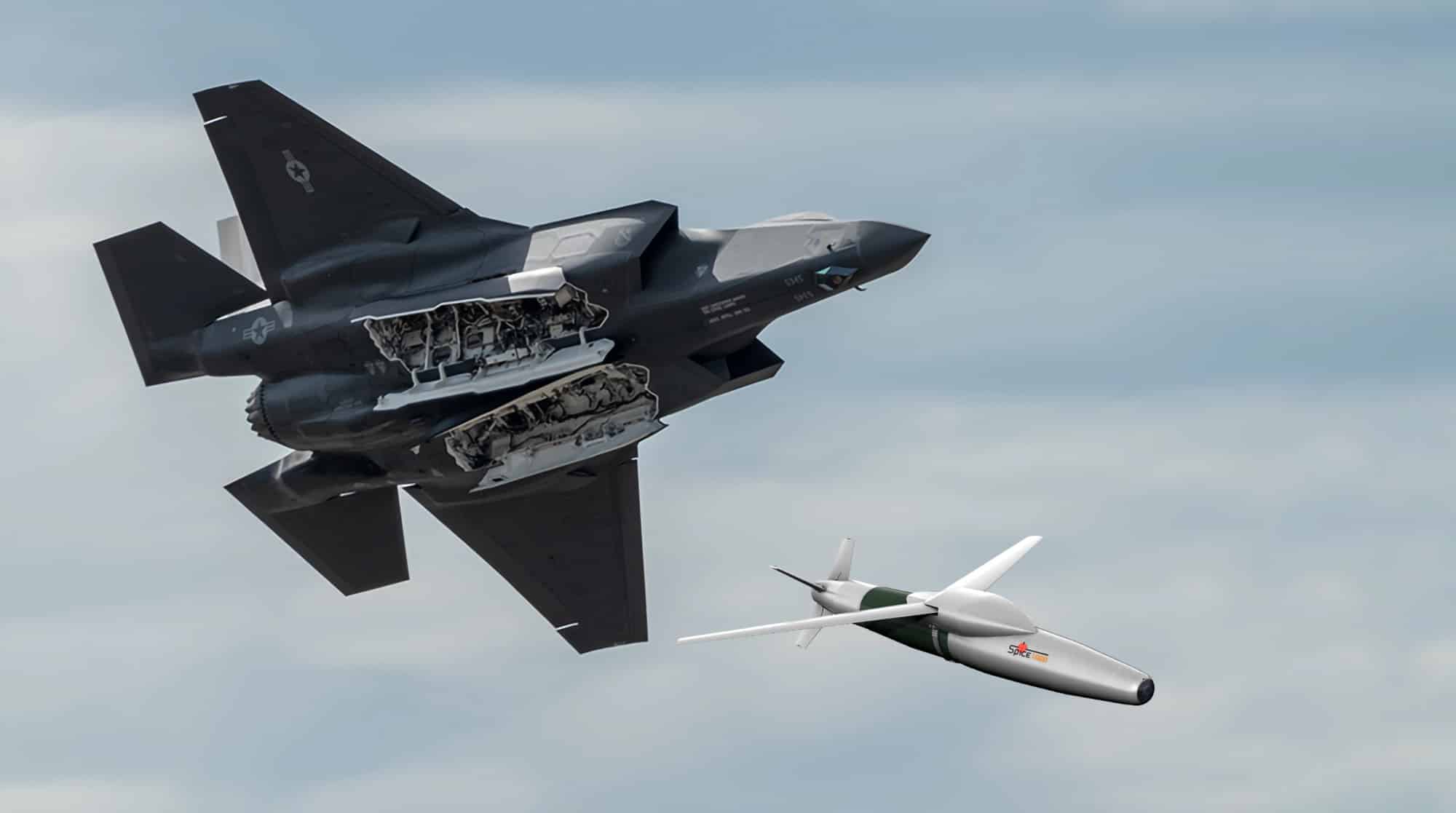
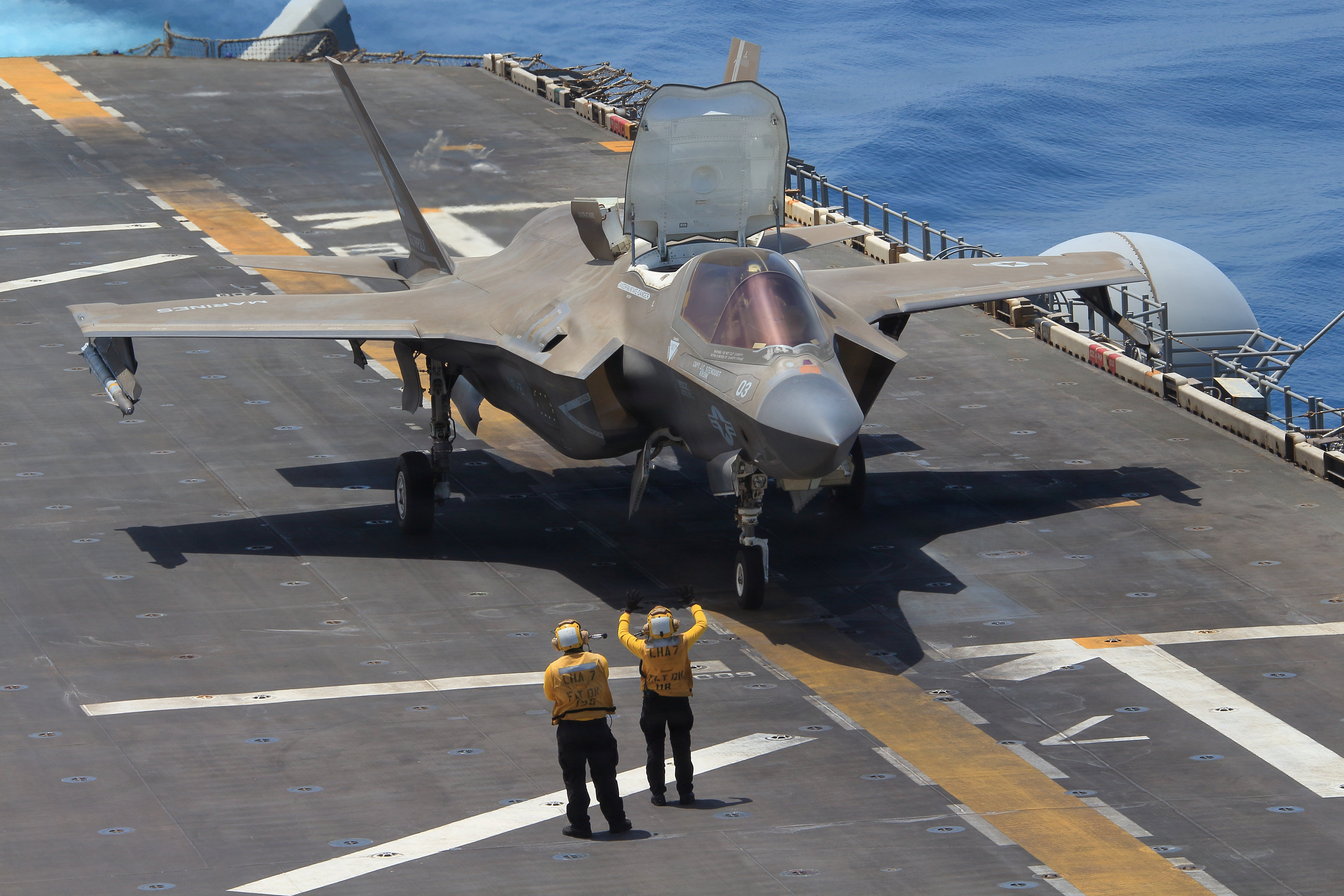
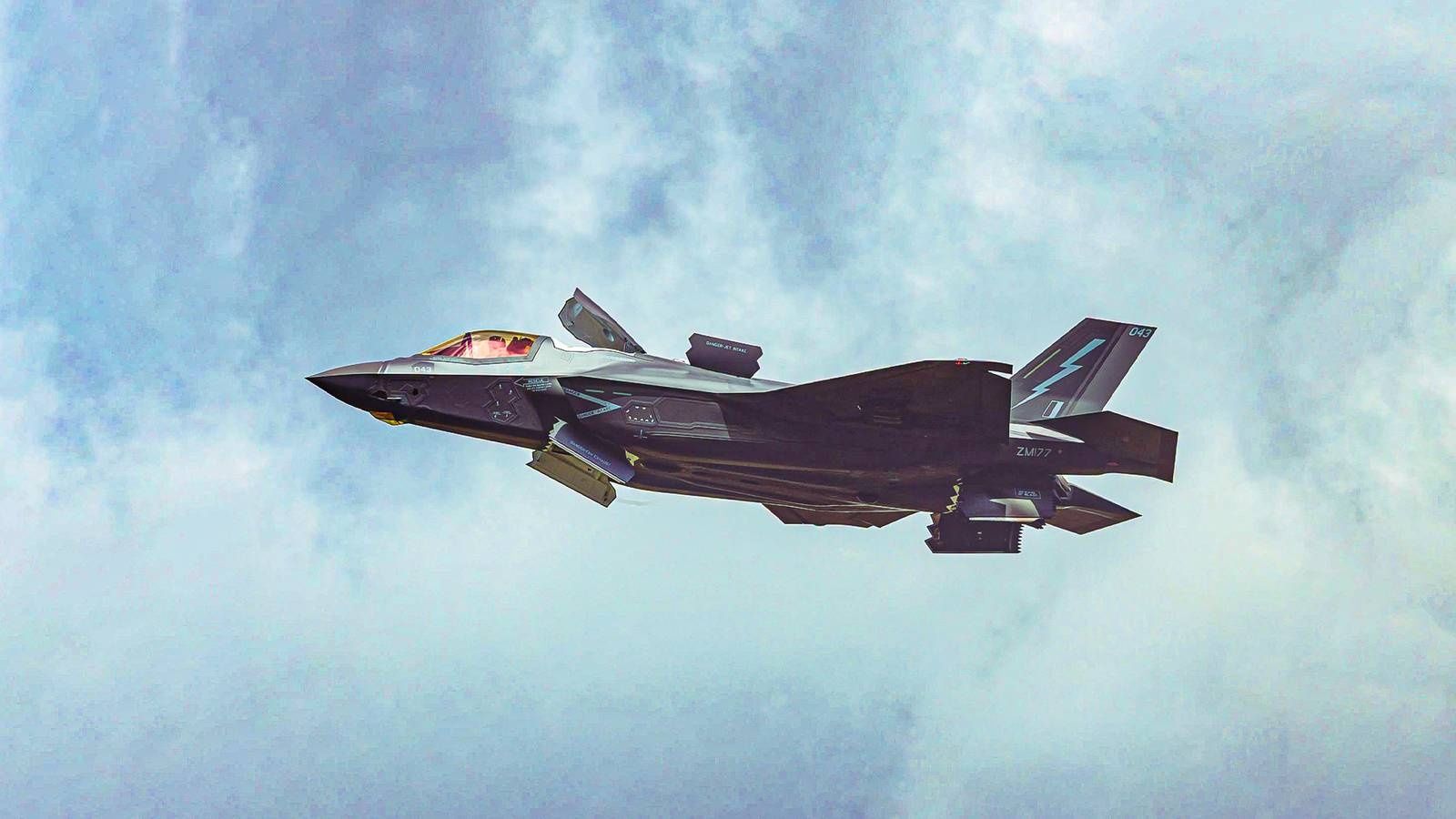
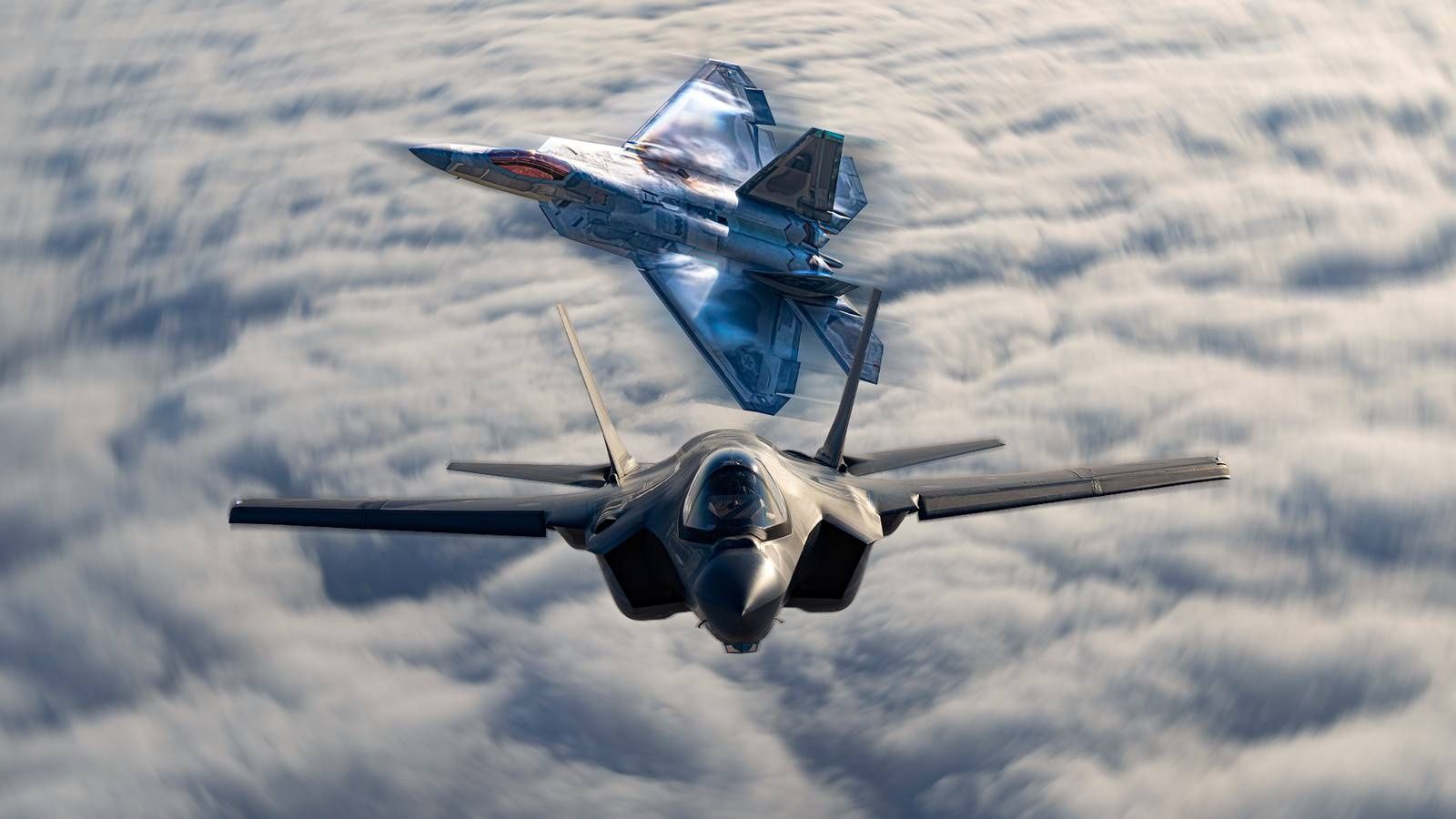
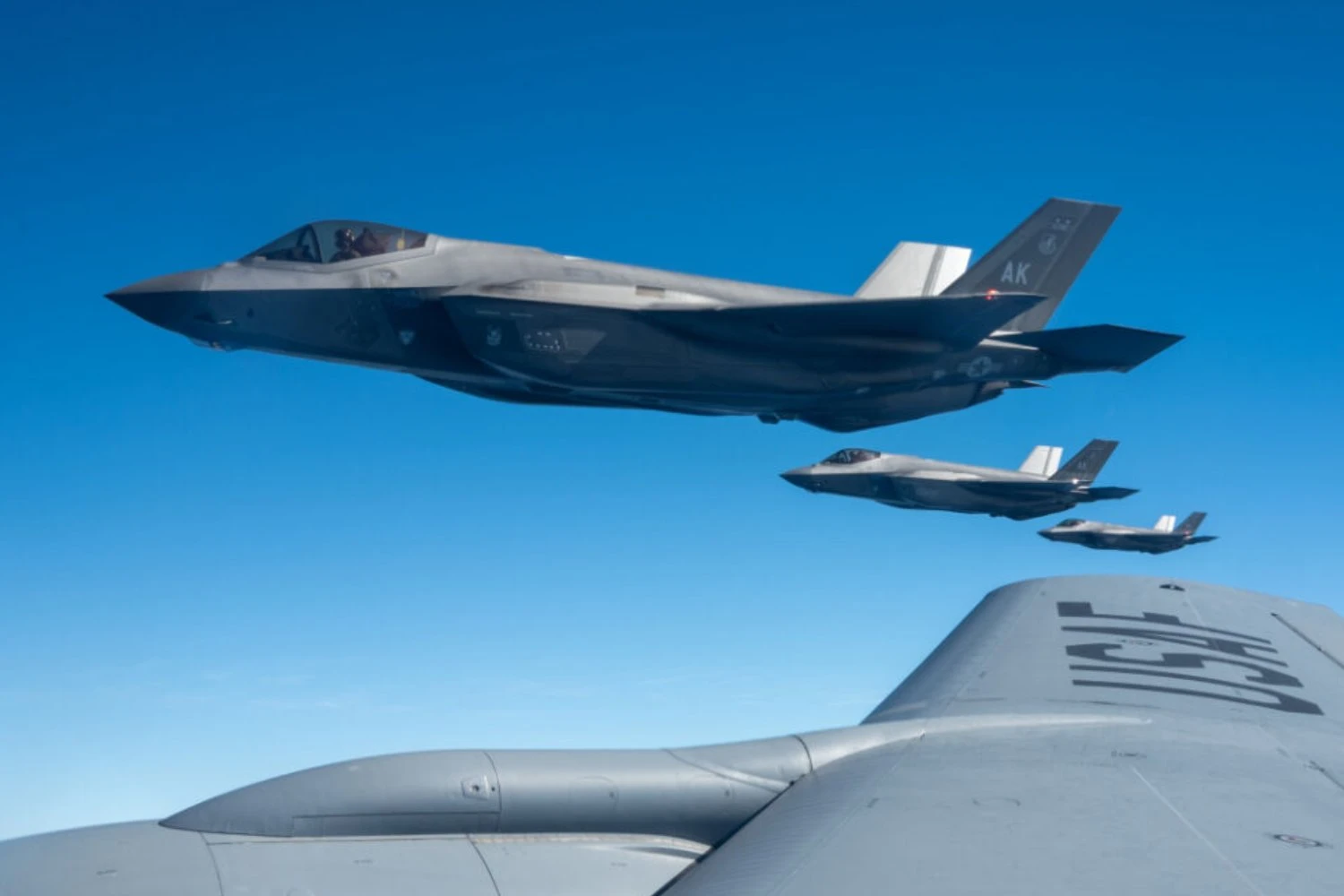
Trump himself has acknowledged the US need for Canadian aluminum – and has largely exempted metals from new tariffs As trade talks with Canada shambled toward collapse in late August, Donald Trump brayed on Truth Social: “WE DON’T NEED CANADA, THEY NEED US!” But in fact, Canada, like China, has something the US needs badly: critical metals that undergird modern military technology. Canada is the United States’s biggest foreign source of minerals, supplying about $47bin worth each year. Sixty per cent of all the aluminum the US uses each year, for instance, comes from Canada, where mighty, remote rivers provide smelting plants vast quantities of cheap, low-carbon electricity. The US military uses the lightweight metal for everything from shell casings to ship hulls and aircraft fuselage. The Pentagon’s cutting-edge F-35 fighter jet’s airframe is about 40% aluminum. “This country desperately needs aluminum,” Trump complained last month . “We get it all from Canada for the most part, and we need it badly.” Continue reading...
 The Guardian•Vince Beiser17 Sept
- critical toward Donald Trump · 98%

 The New York Times•Edward Wong18 Sept