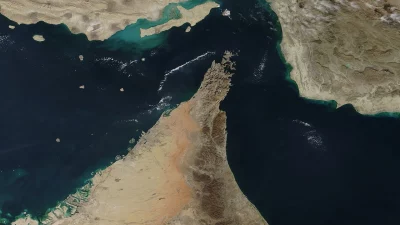
Trump likely to meet Iran’s President in New York during UN assembly
A potential Trump-Iran meeting in New York could reshape diplomatic dynamics, influencing global market perceptions and future negotiation venues.
- neutral toward Donald Trump · 99%

A potential Trump-Iran meeting in New York could reshape diplomatic dynamics, influencing global market perceptions and future negotiation venues.

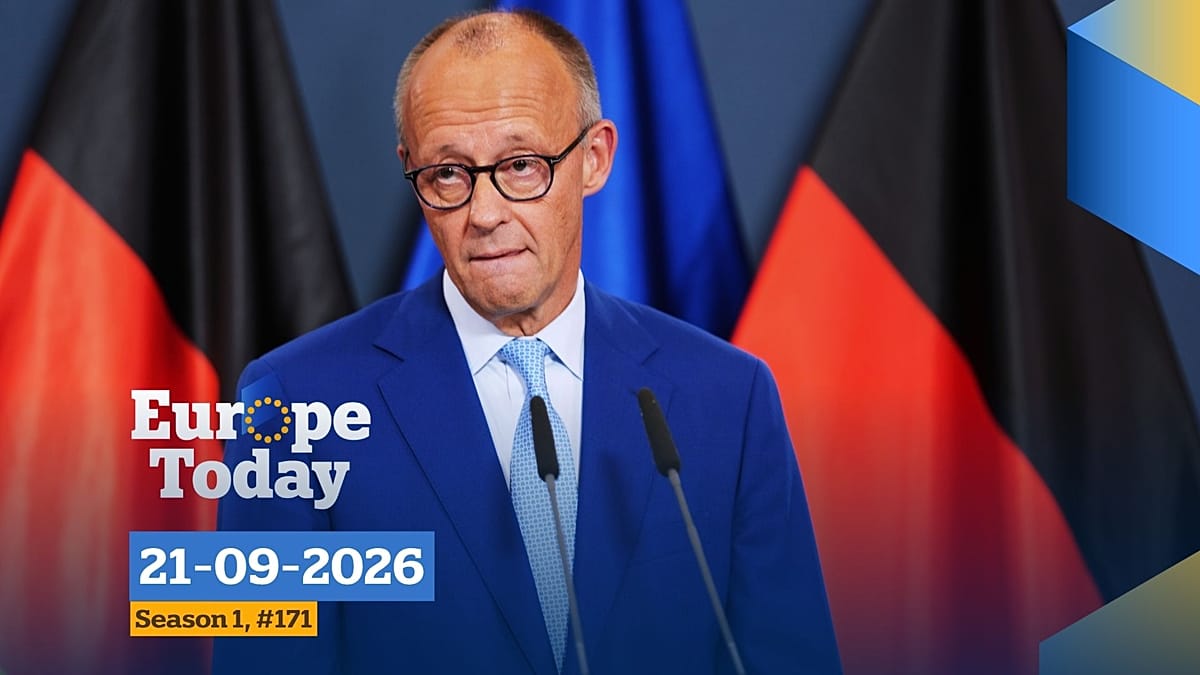
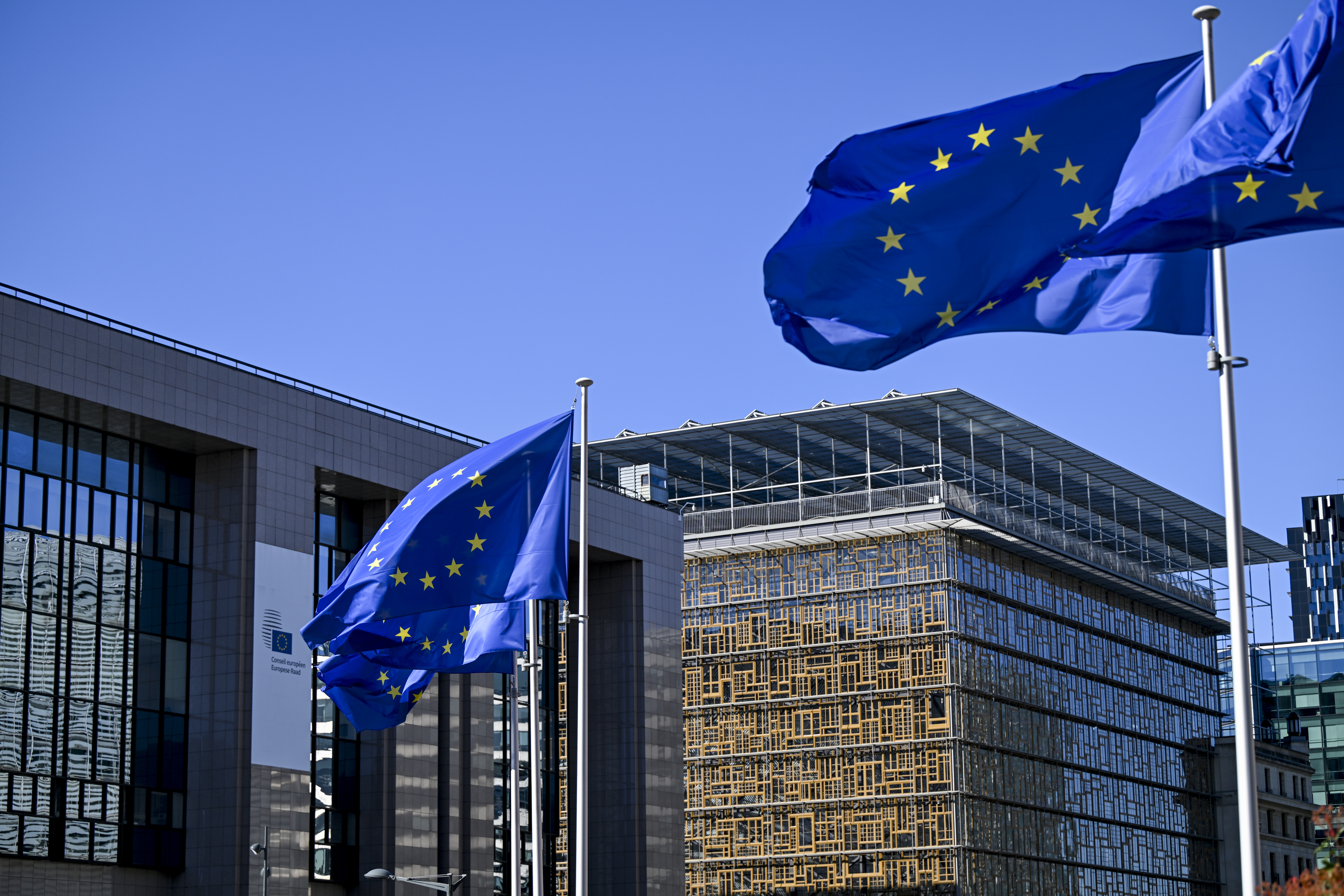
German Chancellor Friedrich Merz is under pressure again after his CDU party suffered a disastrous result in Sunday's German state elections, as Ukraine launched its biggest-ever drone strike on Moscow. Today on Europe Today we also cover rising Iran-US tensions and Meloni's burqa ban plan.

Crude oil prices started the week with a slide, moving down to the lowest in a week on renewed hopes about a diplomatic resolution of the war in the Middle East, despite the absence of any evidence that there is willingness for negotiations on either side. At the time of writing, Brent crude was trading at $102.05 per barrel, and West Texas Intermediate was changing hands for $98.50 per barrel, as traders pinned their hopes on a UN meeting this week, despite the fact that Washington and Tehran traded fresh threats this weekend. The U.S. president…

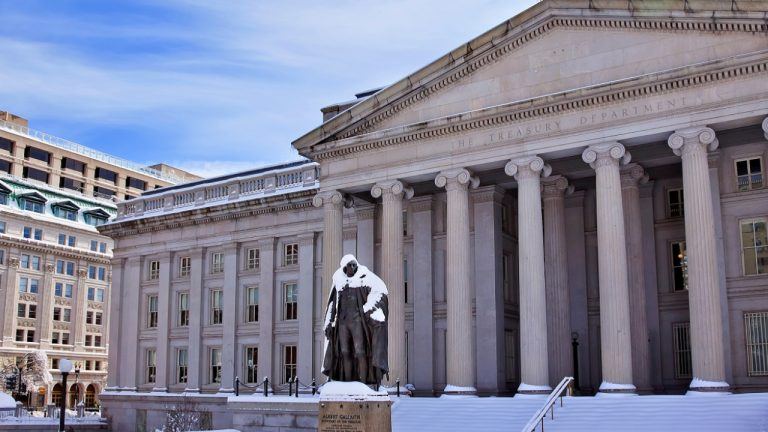
The United States blacklisted Iranian crypto exchange Bitbank and its software developer over alleged sanctions-evasion activity. Treasury says financier Babak Zanjani used the platform to move hundreds of millions of dollars in bitcoin to the Islamic Revolutionary Guard Corps (IRGC), an elite branch of Iran’s armed forces. Treasury Blocks Bitbank and Its Developer Companies handling […]

Marco Rubio should not dismiss this new and highly effective form of propaganda.

Tehran threatens retaliation as Trump weighs military action while Qatar pushes to revive talks.

Increased regional instability and heightened military tensions could lead to significant disruptions in airspace security and operations.

Middle powers' alliance shifts may destabilize existing coalitions, complicating US-Iran negotiations and impacting global diplomatic dynamics.
The ongoing drone losses highlight escalating tensions and potential disruptions in global oil supply, impacting economic stability and security.

Trump threatened to destroy Iran's economy or eliminate its leadership if Tehran doesn't strike a deal, complicating efforts at diplomacy.

As EU ministers clash over how protectionist Europe’s new industrial push should be, EPP chief Manfred Weber is flying to Spain’s north African enclave. Meanwhile, Trump’s wars, tariffs and tensions with allies are also set to dominate the UN General Assembly, with Ukraine, Gaza and Iran high on the agenda.
The US president said choices include “wiping them out, letting Iran rot economically, or making a deal”
Countries: World, Algeria, Chad, Djibouti, Egypt, Eritrea, Ethiopia, India, Iran (Islamic Republic of), Libya, Mali, Mauritania, Morocco, Niger, Oman, Pakistan, Saudi Arabia, Somalia, Sudan, Tunisia, Yemen Source: Food and Agriculture Organization of the United Nations Please refer to the attached file. The dynamical models indicate above-normal rainfall across most of northern and eastern Africa and the Middle East from October through December, consistent with previous strong El Niño episodes. Within this region, drier-than-normal conditions are expected to emerge across North Africa by December, but elsewhere the wet pattern is likely to persist through winter. The only notable change in the forecasts this month is that the predicted wet anomaly is somewhat less pronounced in East Africa, and the forecast has also turned drier for Yemen and Oman, because the positive phase of the Indian Ocean Dipole is struggling to become established, and a less positive IOD favors relatively drier conditions around the northwestern Indian Ocean during El Niño. Nevertheless, the pronounced El Niño forcing will remain the dominant (wet) influence. These rainfall patterns can support breeding in the northern Sahel through late summer breeding season. Small-scale breeding may begin in October along the Red Sea and Gulf of Aden coasts. Precipitation
Countries: Afghanistan, Pakistan Source: ODI - Humanitarian Practice Network Mehrullah Rahmani In the outskirts of Afghanistan, hundreds of thousands of Afghan refugees have been forcibly returned from Pakistan . At the same time, growing numbers of Afghans have also been returned from Iran, adding to the scale and complexity of the humanitarian crisis. Many have been deported, while others have returned with few or no resources, leaving them to settle in remote mountainous areas far from major roads and essential services. They live in makeshift shelters, often just tents under the scorching sun or on bare stones, with no access to clean water, food, or even basic shelter. Healthcare is out of reach, and many lack even the simplest identification documents, leaving them vulnerable and invisible in the margins of society. Before fleeing to Pakistan, I was a high school student in Kabul, dreaming of becoming a doctor. My family led a relatively stable life: we had clean water to drink, food to eat, a roof over our heads, and the freedom to seek opportunities. But after August 2021, when the Taliban seized power, my father lost his job, and that fragile economic stability we once knew evaporated. We were forced to leave, seeking refuge in Pakistan, not knowing if we would ever return to a secure life. This experience is just one of many. Across Pakistan, families are being uprooted and returned to this limbo. Following renewed border clashes between Pakistan and Afghanistan, Pakistani authorities have intensified the forced return and deportation of Afghan refugees . Many returnees face significant humanitarian needs including lack of shelter, food, clean water and legal recognition, leaving them vulnerable during the reintegration process. These returnees need urgent support from shelter to food, from healthcare to legal recognition so that they are no longer invisible, but given the basic dignity they deserve. Read the full article on ODI-HPN

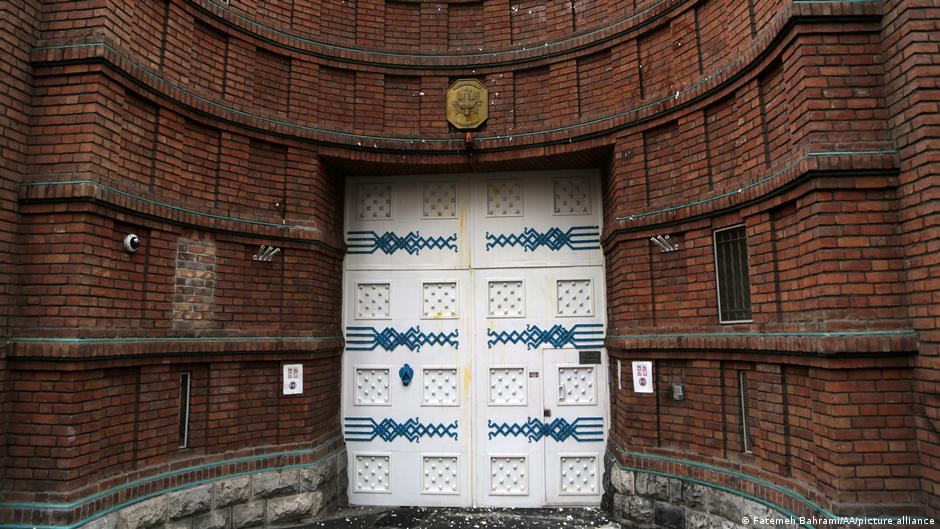
In response to the Iranian authorities' decision to close a French language center affiliated with its embassy in Tehran, France vowed to take appropriate measures.
The advisory underscores heightened geopolitical tensions and the precarious situation for Americans abroad, highlighting diplomatic limitations.

The president vacillated but decided on Sunday not to join Saudi Arabia, for now, in joint strikes against the Houthis in Yemen. But he also needs the kingdom’s cooperation in his war against Iran.

Qatar's mediation could stabilize regional tensions, potentially enhancing diplomatic relations and economic stability in the Gulf region.

Tehran says it has learned the US may be planning a new round of strikes, warns of retaliation 'without limitations'.

Iran accuses the French language centre of conducting 'illegal acts that violated diplomatic conventions'.