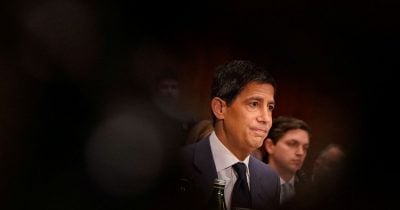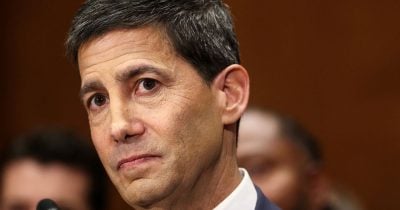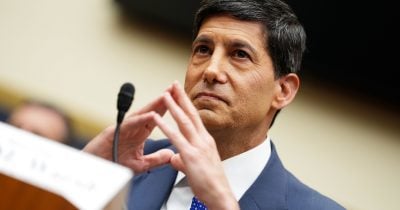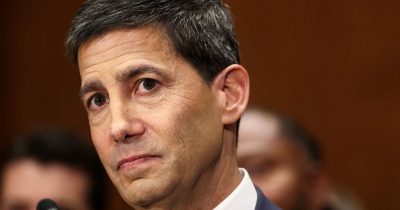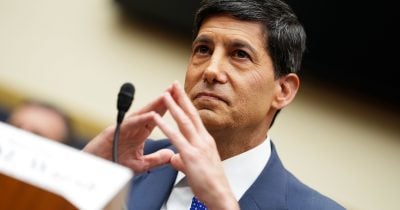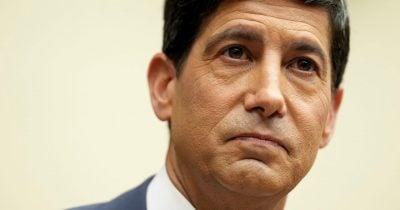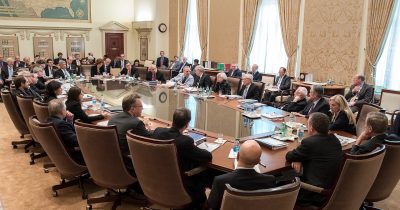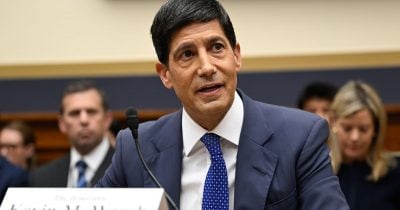
Federal Reserve Chairman Warsh defends independence amid regular Trump administration meetings
Warsh's commitment to Fed independence suggests monetary policy will prioritize economic data over political influence, impacting market stability.

Warsh's commitment to Fed independence suggests monetary policy will prioritize economic data over political influence, impacting market stability.

Warsh's silence on Trump communication raises concerns about Fed's independence, potentially impacting market perceptions and policy trust.

The Fed's commitment to transparency amid scrutiny could bolster its credibility, but ongoing oversight may impact market confidence and policy trust.

The scrutiny over Fed officials' interactions with Wall Street highlights potential conflicts of interest, impacting trust in regulatory integrity.

Warsh's reforms could reshape banking and crypto landscapes, potentially easing capital rules and increasing banks' digital asset involvement.

Warsh's stance on Fed independence may stabilize monetary policy but could strain executive relations, impacting market dynamics and investor confidence.

The uncertainty in productivity-driven wage gains highlights challenges in aligning economic policy with technological advancements.

Warsh's potential review of Fed tools may lead to cautious policy shifts, impacting market expectations and future inflation management strategies.

AI's inflationary impact may prompt interest rate hikes, influencing commodity markets and economic policy, with gold as a potential hedge.

AI integration in economic forecasting could reshape the Fed's policy strategies, influencing interest rate decisions amid inflation challenges.

Warsh's omission of crypto in his report suggests the Federal Reserve may delay regulatory actions on digital assets, impacting market expectations.

Warsh's leadership at the Fed signals a potential shift towards stricter inflation control and could influence global economic policies and markets.

A hawkish shift in Fed policy could stabilize inflation but may also slow economic growth, impacting markets and borrowing costs.
Fed Chair Kevin Warsh explains why he calls the 2020 inflation framework a mistake and what he plans to do about it.

Warsh's stance on inflation could stabilize markets, but crypto volatility may persist if inflation trends shift, impacting monetary policy.

Warsh's testimony highlights the Fed's inflation challenges and potential conflicts in crypto regulation, impacting market stability and policy.

Warsh's commitment to Fed independence reassures markets but highlights potential volatility in crypto due to political and economic pressures.
Rescuing troubled crypto firms will not be the Fed's problem, according to Chair Kevin Warsh.

Warsh's transparency on Fed balance sheet plans reduces uncertainty, potentially stabilizing crypto markets by mitigating surprise liquidity shifts.

Warsh's stance on inflation as a choice could lead to stricter monetary policies, impacting market expectations and crypto regulation dynamics.