
World rejection of OPEC controls could push oil below $50 a barrel
A shift away from OPEC's influence could destabilize global oil markets, impacting economies, energy investments, and geopolitical dynamics.
 CryptoBriefing•Editorial Team25 Jun
A shift away from OPEC's influence could destabilize global oil markets, impacting economies, energy investments, and geopolitical dynamics.
CryptoBriefing•Editorial Team25 Jun
Iraq's potential OPEC exit could destabilize oil markets, prompting volatility and challenging the cartel's influence on global oil prices.
CryptoBriefing•Editorial Team25 Jun
Iraq's OPEC membership tension highlights the fragility of global oil alliances and underscores potential volatility in energy markets.
CryptoBriefing•Editorial Team25 Jun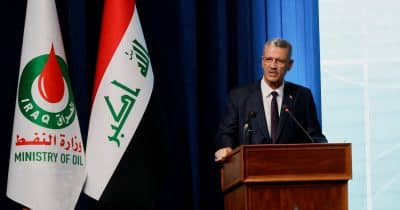
Iraq's push for a higher OPEC quota highlights tensions within the cartel, potentially impacting global oil supply and market stability.
CryptoBriefing•Editorial Team25 Jun
Iraq's potential OPEC exit could destabilize oil markets, impacting global energy prices and indirectly affecting crypto mining costs.
CryptoBriefing•Editorial Team25 Jun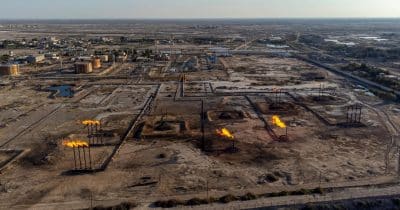
Iraq's economic stability is at risk, highlighting the geopolitical vulnerabilities of oil-dependent nations amid regional conflicts.
CryptoBriefing•Editorial Team25 Jun
The reopening of the Strait of Hormuz and shift to contango may lower energy costs, impacting global markets and complicating OPEC+ strategies.
CryptoBriefing•Editorial Team24 Jun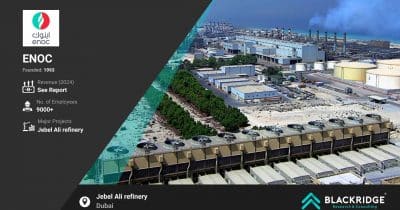
The UAE's strategic maneuvering and OPEC exit position it as a pivotal player in global oil markets, potentially impacting future oil prices.
CryptoBriefing•Editorial Team23 Jun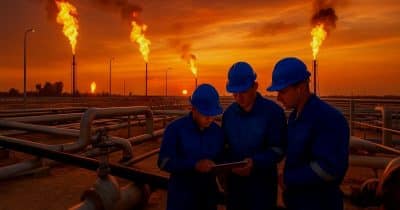
Iraq's oil output surge could reshape global oil markets, impacting prices and OPEC dynamics, contingent on infrastructure stability.
CryptoBriefing•Editorial Team20 Jun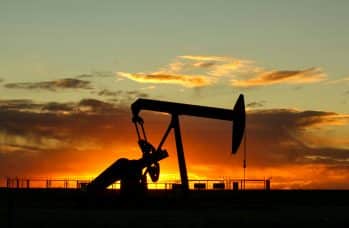
The US-Iran peace deal may stabilize oil markets, reducing geopolitical risk and potentially influencing future OPEC+ production strategies.
CryptoBriefing•Estefano Gomez18 Jun
The UAE's increased oil output could disrupt global markets, potentially lowering prices and challenging OPEC's influence on production limits.
CryptoBriefing•Editorial Team17 Jun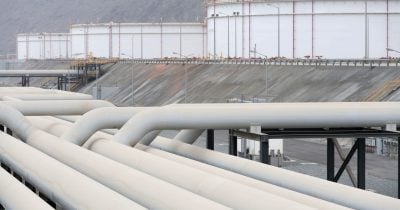
The UAE's pipeline expansion reduces geopolitical risks, enhances oil export security, and supports increased production capacity post-OPEC.
CryptoBriefing•Editorial Team17 Jun