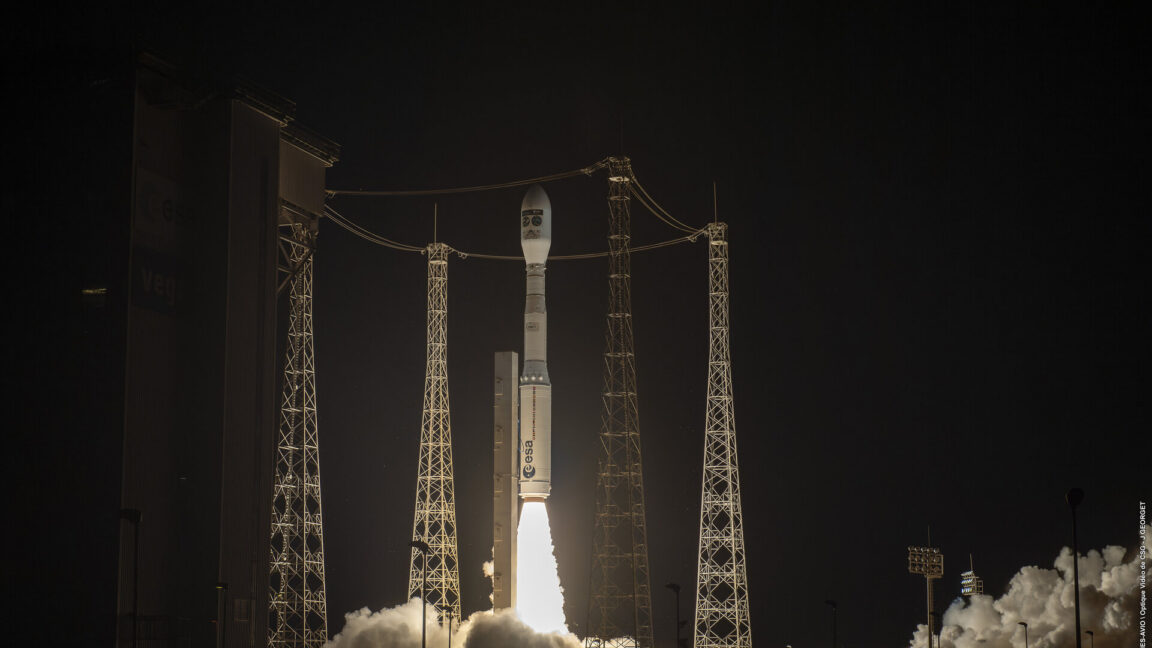
Rocket Report: China wants a Raptor 3 engine; SpaceX set for big Starship test
“I can tell you SpaceX has already gone captive."
 Ars Technica•Eric Berger18 Sept
- neutral toward SpaceX · 94%
“I can tell you SpaceX has already gone captive."
Ars Technica•Eric Berger18 SeptAlso: SpaceX Launches 700th Falcon, Wingcopter Six Hour Recon Drone, King Schools New Look, Global 8000 Update Amazon has suspended its partnership with 21 Air after one of the cargo carrier's planes loaded with Amazon packages went off a Miami runway last week and killed five people. "After the tragic incident last weekend, we've spent time supporting the investigation and reviewing some of the surrounding circumstances, and we've decided to pause our operations with 21 Air, the operator of Flight 7598," Amazon spokesperson Kelly Nantel said a statement. North Carolina-based 21 Air had flown packages for Amazon since 2024. Textron Aviation and Merlin have unveiled the Cessna SkyCourier UX concept at the Air, Space & Cyber Conference. The idea targets a difficult logistics problem by combining substantial payload capacity with autonomous flight. Built around the FAA-certified, twin-engine Cessna SkyCourier, the SkyCourier UX pairs the production aircraft with Merlin's aircraft-agnostic Pilot autonomy system. A short drone flight near Florida's Kennedy Space Center has led to federal charges against a Chinese tourist. Investigators allege the aircraft entered prohibited airspace and captured video of sensitive spaceport facilities. The case highlights how recreational drone operations can quickly become a federal matter around protected aerospace sites. Federal authorities allege Xiaodong He operated a drone for approximately 12 minutes near Playalinda Beach in late July, reaching an altitude of about 230ft. The flight reportedly entered restricted airspace surrounding Kennedy Space Center, where civilian drone operations are prohibited. All this -- and MORE in today's episode of Airborne-Unlimited!!!
 Aero-News Network18 Sept
SpaceX is now targeting Starship Flight 14 no earlier than Monday, September 28, pending regulatory…
SpaceX's AI division has held internal talks about buying customer records from dead startups—cheap fuel for Grok, no questions asked, because there's nobody left to ask them.

OpenAI's strategic leadership shift signals a robust push towards enterprise growth and IPO readiness, potentially reshaping its market influence.
 CryptoBriefing•Editorial Team17 Sept
NASA has selected SpaceX to provide launch services for the agency’s StarBurst mission, a small satellite designed to investigate neutron star mergers and the origins of short gamma-ray bursts. StarBurst will launch aboard a Bandwagon rideshare mission on a Falcon 9 rocket from Space Launch Complex 40 at Cape Canaveral Space Force Station in Florida […]

OpenAI's strategic hire signals a strong push for enterprise growth and global expansion, potentially boosting its market valuation significantly.
CryptoBriefing•Estefano Gomez17 Sept
McCarthy is the first major hire by Dali Rajic, OpenAI's new CRO who joined less than a month ago.
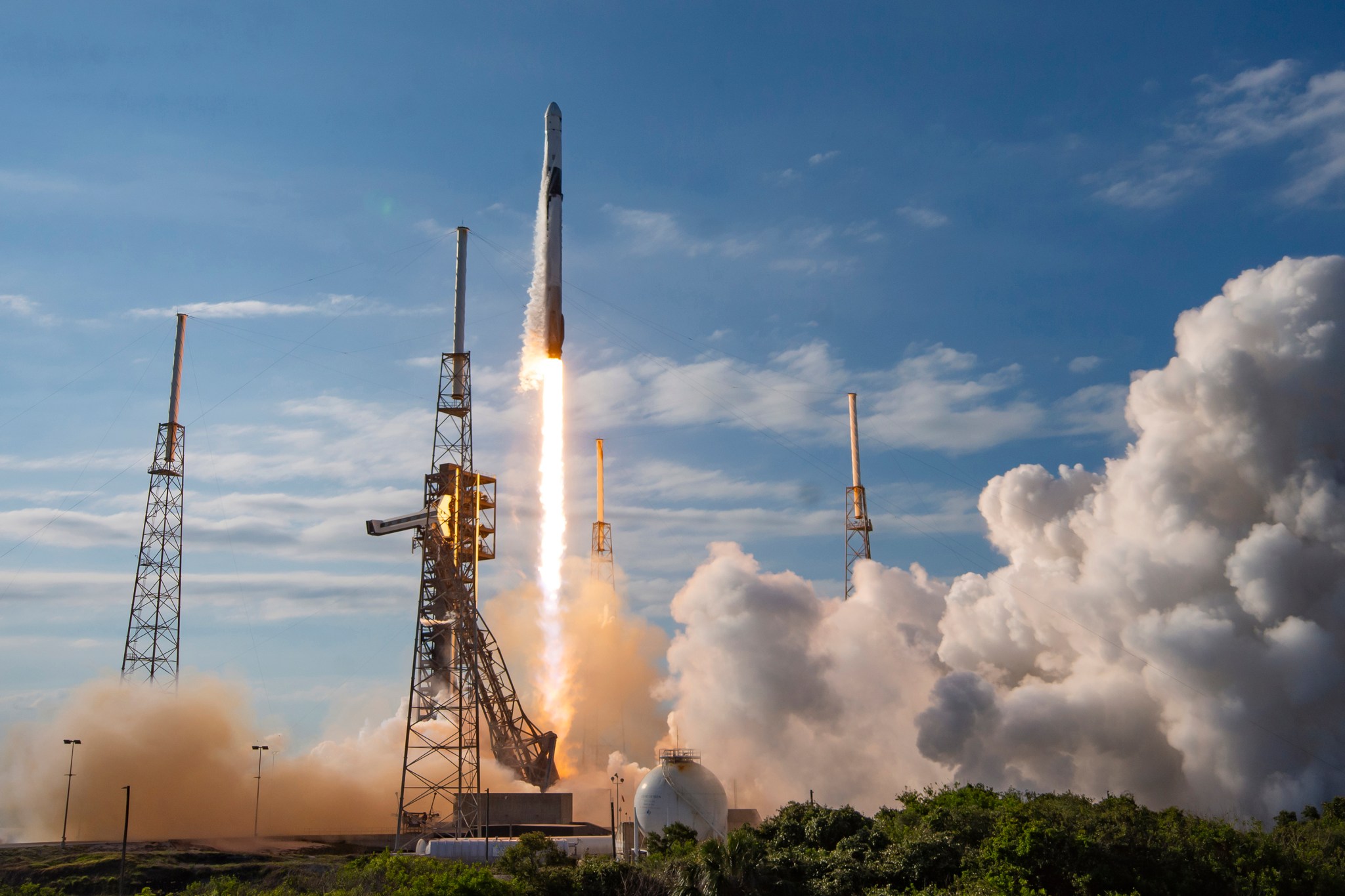
Media accreditation is open for the next cargo launch that will deliver NASA science investigations, supplies, and equipment to the International Space Station. The 35th SpaceX commercial resupply services mission to the orbital laboratory for NASA will lift off on a Falcon 9 rocket. NASA and SpaceX are targeting no earlier than October to launch […]
SpaceX's strategy to acquire data from failed startups could accelerate AI advancements but raises ethical concerns over data privacy.
CryptoBriefing•Editorial Team17 Sept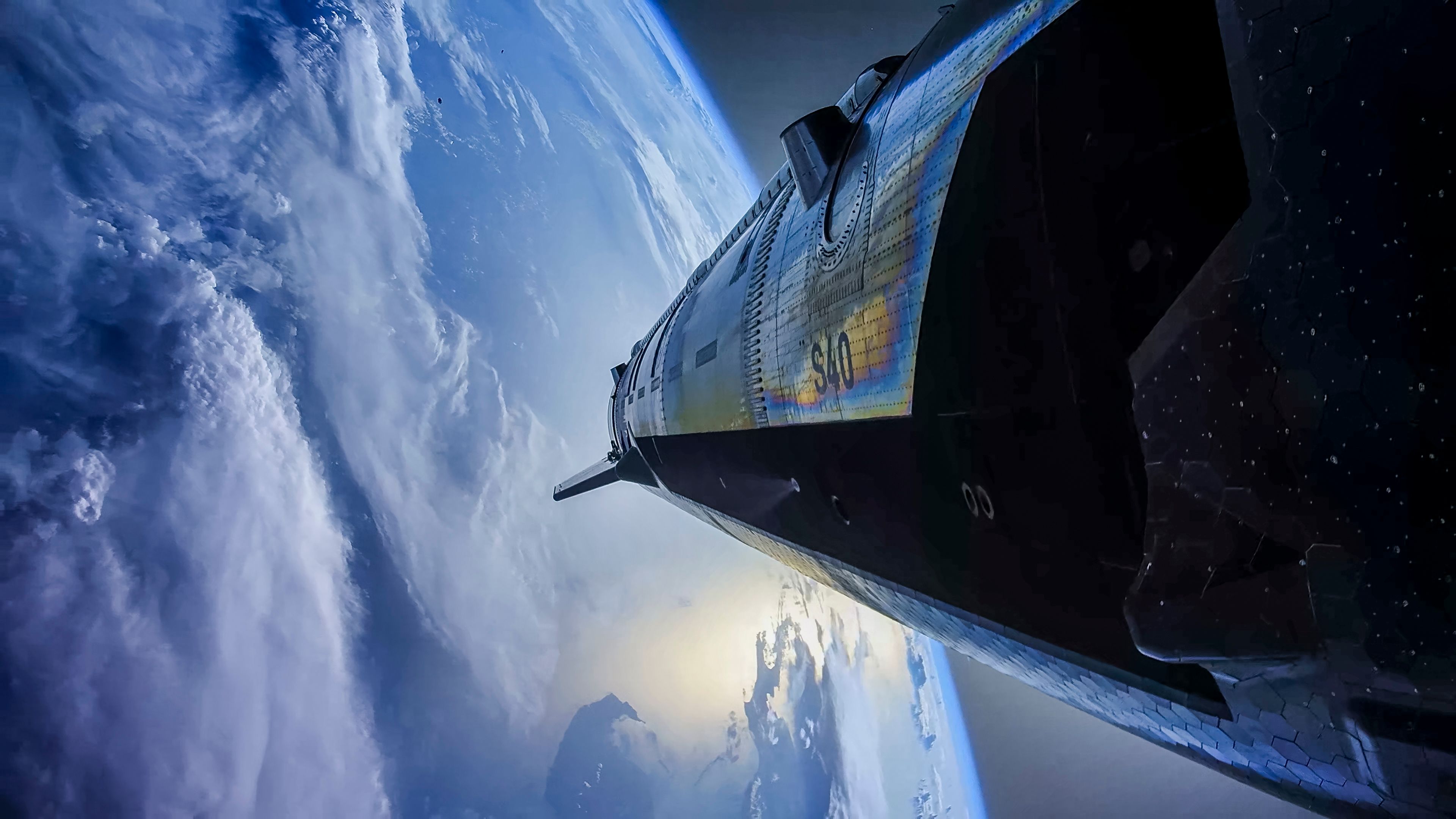
Spacecraft’s 14th test mission expected to be first to reach orbital altitude.
 FLYING Magazine•Jack Daleo17 Sept
Valor Equity Partners is handing out stock to its LPs instead of cash returns.
 TechCrunch•Julie Bort16 Sept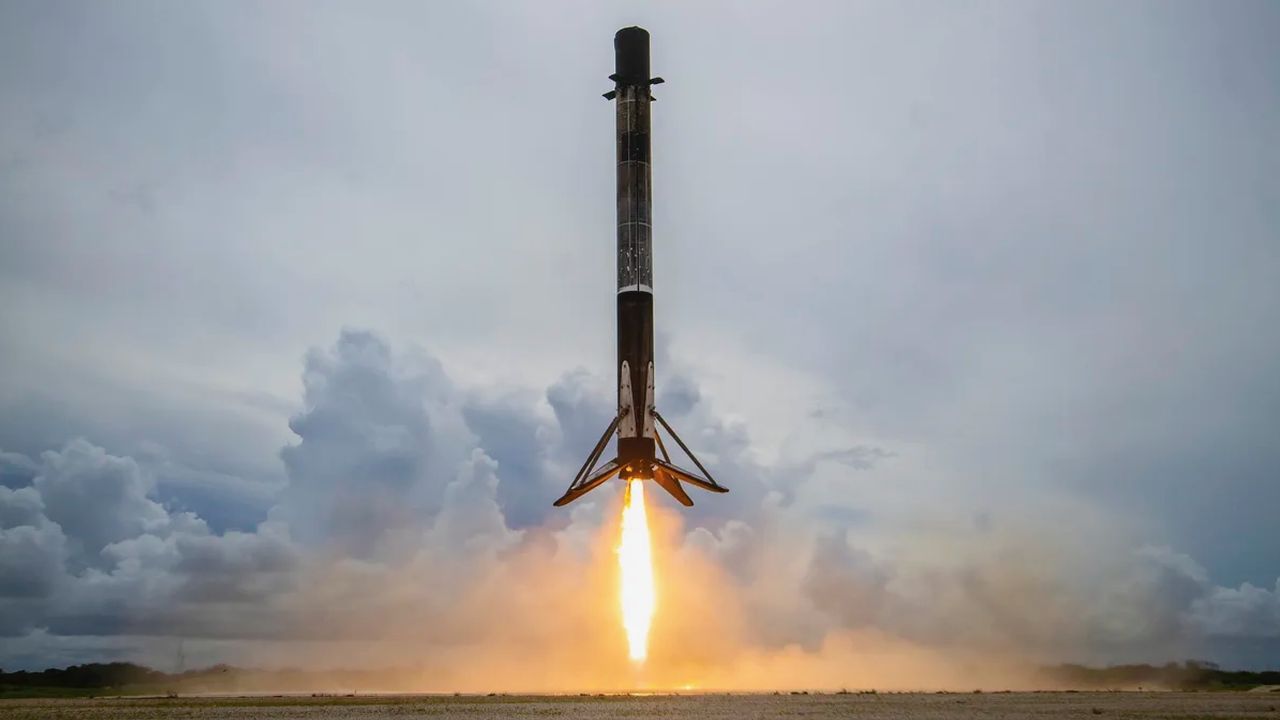
The SpaceX Falcon 9 Booster Landing Team received the first-ever Neil Armstrong Space Prize during a ceremony in Washington, D.C. on Tuesday night (Sept. 15).
A potential Tesla-SpaceX merger could reshape the tech landscape, influencing market dynamics and innovation trajectories significantly.
CryptoBriefing•Estefano Gomez16 Sept
SpaceX stock jumped 6% after the company set September 22 for Starship's first orbital flight and Starlink V3 launch.
 BeInCrypto•Lockridge Okoth16 Sept
SpaceX trades near $143.49 per share after its public debut, valuing the company at roughly $1.94 trillion. The macro backdrop works against that multiple. The ten-year Treasury yield has approached 5.0%, lifting discount rates across growth equities, while crude above $100 per barrel raises aerospace supply chain costs. Near-term flows cut the other way: the September 18 Nasdaq-100 rebalance lifts SpaceX's weighting from 1.28% to 2.82%, forcing up to $22 billion of passive buying. That demand meets heavy supply. Lockup releases have already added over 1.2 billion shares, and another 2.3 billion will become tradable before year-end. Second-quarter revenue reached $7.81 billion, up 91.9% year-over-year, against $18.7 billion for all of 2025. Management guides toward $100 billion in annual recurring revenue by December. Connectivity carries the business, with Starlink producing $4.3 billion in quarterly revenue and $2.6 billion in adjusted EBIT from 12 million subscribers at $66 ARPU. AI compute leasing added $2.6 billion in revenue and $1.1 billion in operating profit, helped by one undisclosed client paying $1.11 billion monthly. The launch segment still loses money, posting a $200 million adjusted EBIT loss as Starship development absorbs connectivity profits. Quarterly capital expenditures hit $18.4 billion, an annualized pace near $75 billion. David Einhorn has publicly questioned how investment-grade ratings square with persistent negative free cash flow. Government demand supplies the strategic ballast. A White House directive on commercial space transportation accelerates launch approvals, and Italy is negotiating a $1.6 billion Starlink security contract despite domestic opposition and Brussels' preference for the €10 billion IRIS² constellation, which will not fly before 2030. Starshield extends the franchise into defense, with satcom terminals planned across the F-35 fleet by 2031. The Pentagon's IL5 accreditation for Grok for Government opened a recurring software revenue line reaching 1.7 million defense personnel. Data center capacity of 1.4 gigawatts is scaling toward 2.0 gigawatts this year, at roughly $50 billion per gigawatt to build. Starship Flight 14 launches September 22 as the program's first orbital and first revenue-generating mission, deploying 26 Starlink V3 satellites. That single flight adds 26 terabits per second of bandwidth against 2.6 from a Falcon 9, with production missions targeting 60. The patent data reveals where management believes the moat sits: 73.5% of published families cover RF and user terminals, while rockets and propulsion account for just 3%. Engines and metallurgy stay locked as trade secrets rather than public blueprints. The investment question reduces to timing. If Starship reaches full reusability, SpaceX controls orbital bandwidth economics outright. Until operating cash flow covers the capital budget, the shares stay volatile.

SpaceX announced Tuesday that it was planning to send its flagship rocket, Starship, into orbit, a key step in its project to one day reach the moon or Mars.

Jensen Huang has distanced himself from OpenAI, Anthropic and SpaceX’s efforts to slow research
SpaceX buy zones based on volume nodes, naked levels, single prints, FVGs and fibs

SpaceX's orbital Starship flight could revolutionize satellite deployment, enhancing global connectivity and boosting commercial space ventures.
CryptoBriefing•Editorial Team15 Sept