
Four civilians killed in Pakistani strikes in Afghanistan, Taliban says
Pakistan says it struck 10 targets, adding the strikes were "strictly limited to identified military objectives".
 BBC6h ago
- neutral toward Taliban · 97%
Pakistan says it struck 10 targets, adding the strikes were "strictly limited to identified military objectives".
BBC6h ago
Pakistan said it carried out airstrikes early Thursday on 10 sites in Afghanistan that it said were used to launch drone attacks against Pakistan a day earlier, a sharp escalation in recent fighting between the two countries that threatens international mediation efforts.

Pakistan launched air strikes Thursday on 10 sites in Afghanistan in what Islamabad said was a retaliation for a drone attack by Afghanistan's Taliban forces on a border post. A Taliban government spokesman denied the allegation and said Pakistan's latest strikes killed four civilians in Afghanistan's southern and eastern provinces.

Afghan cyclist Fariba Hashimi wins silver in the women's road race at the Asian Games, having fled oppression in her home country to pursue a sporting dream.
BBC22 Sept
Fariba Hashimi, who used to disguise herself as a man to train in Afghanistan, finishes second in women's road race.
 Al Jazeera22 Sept
Fariba Hashimi fled after Taliban returned to power ‘This medal can show resilience from Afghan women’ An Afghan cyclist who disguised herself as a man to pursue her sporting dreams won an Asian Games silver medal on Tuesday, hoping it inspires other women in a country where Taliban authorities have sharply curtailed their freedoms. Fariba Hashimi, who is based in Italy, powered home second in the women’s road race near Nagoya in Japan, calling the triumph “something special”. Continue reading...
 The Guardian•Agence France Presse22 Sept
PESHAWAR, Pakistan (AP) — The coordinated assault was the latest in a surge of militant violence near the border with Afghanistan where Pakistani Taliban militants have increasingly targeted police and other security forces as the government intensifies operations against them.
 Religion News Service•Susanna Granieri21 Sept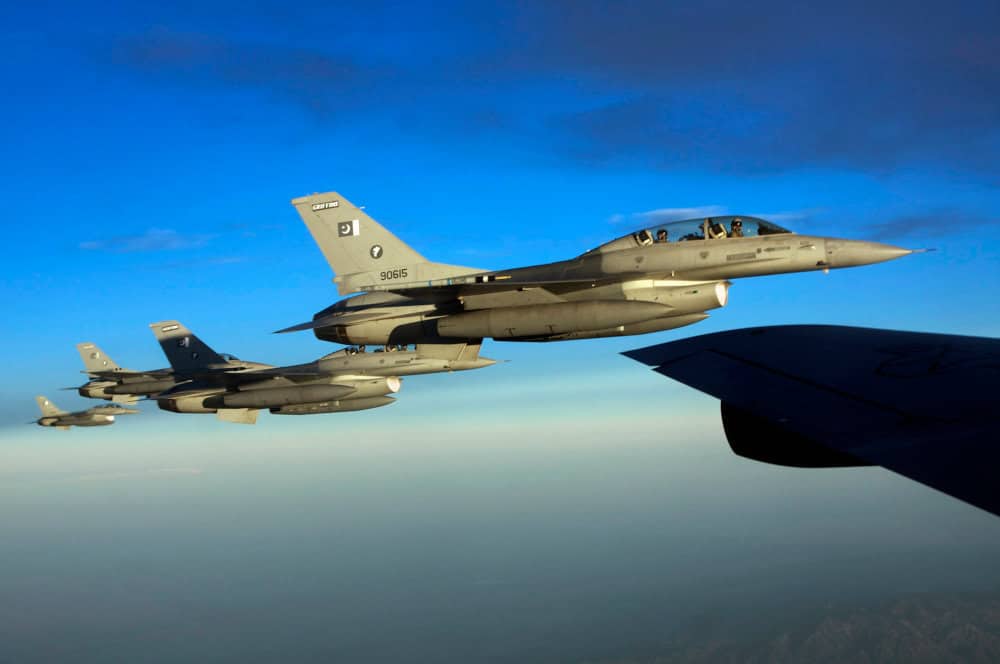
The Pakistani Air Force conducted airstrikes in eastern Afghanistan reportedly targeting terrorist training centers in response to a recent complex suicide attack in western Pakistan. The Taliban denied involvement in the attack and promised an “appropriate response” to Pakistan’s airstrikes.
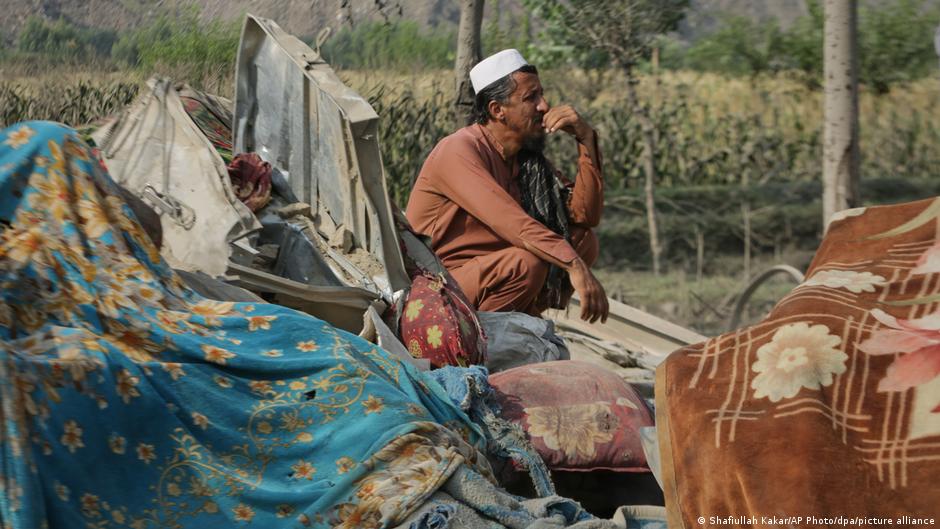
The Afghan border provinces of Kunar and Paktika were reportedly struck. Pakistan last carried out deadly strikes on Afghanistan in June.
 Deutsche Welle21 Sept
Countries: Afghanistan, Pakistan Source: ODI - Humanitarian Practice Network Mehrullah Rahmani In the outskirts of Afghanistan, hundreds of thousands of Afghan refugees have been forcibly returned from Pakistan . At the same time, growing numbers of Afghans have also been returned from Iran, adding to the scale and complexity of the humanitarian crisis. Many have been deported, while others have returned with few or no resources, leaving them to settle in remote mountainous areas far from major roads and essential services. They live in makeshift shelters, often just tents under the scorching sun or on bare stones, with no access to clean water, food, or even basic shelter. Healthcare is out of reach, and many lack even the simplest identification documents, leaving them vulnerable and invisible in the margins of society. Before fleeing to Pakistan, I was a high school student in Kabul, dreaming of becoming a doctor. My family led a relatively stable life: we had clean water to drink, food to eat, a roof over our heads, and the freedom to seek opportunities. But after August 2021, when the Taliban seized power, my father lost his job, and that fragile economic stability we once knew evaporated. We were forced to leave, seeking refuge in Pakistan, not knowing if we would ever return to a secure life. This experience is just one of many. Across Pakistan, families are being uprooted and returned to this limbo. Following renewed border clashes between Pakistan and Afghanistan, Pakistani authorities have intensified the forced return and deportation of Afghan refugees . Many returnees face significant humanitarian needs including lack of shelter, food, clean water and legal recognition, leaving them vulnerable during the reintegration process. These returnees need urgent support from shelter to food, from healthcare to legal recognition so that they are no longer invisible, but given the basic dignity they deserve. Read the full article on ODI-HPN
 ReliefWeb•ODI - Humanitarian Practice Network21 Sept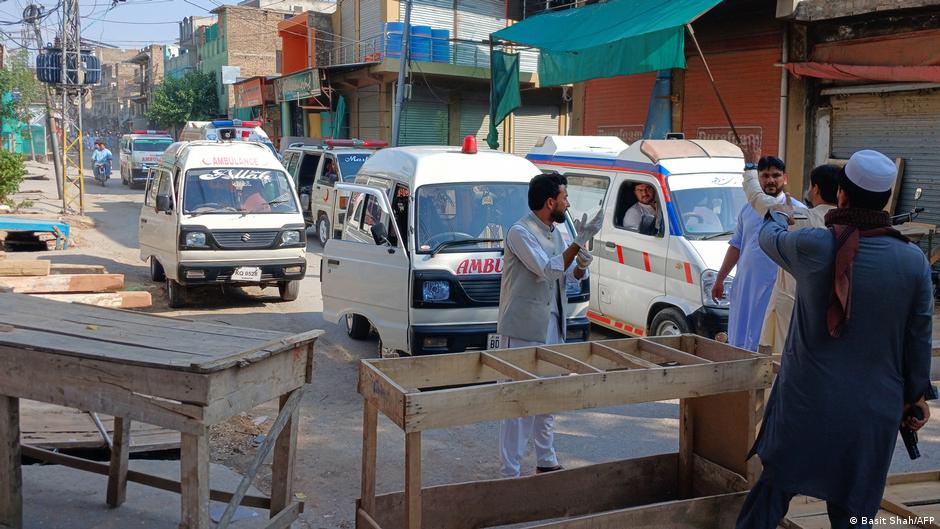
A police official said the explosion killed at least 16 people, injuring many more. The attacker targeted a police facility and damaged a mosque at the site. The president blamed the attack on the TTP Pakistani Taliban
Deutsche Welle18 Sept
An Afghan woman who hopes to make it to Canada describes worsening conditions for women living under Taliban rule.
The terror organization and its offshoots have set up at least eight training sites over the past three years, taking advantage of the Taliban’s return to power.

From the first weeks after the Sept. 11 attacks to the chaotic U.S. withdrawal and return of the Taliban, The New York Times has documented a quarter-century of conflict and daily life in Afghanistan.
 The New York Times•The New York Times10 Sept
The Taliban claim that Afghanistan is no longer a sanctuary for terrorist groups, but Al Qaeda and others are still present, reviving old fears.
The New York Times•Elian Peltier and Tomás Munita10 SeptThe Taliban claim that Afghanistan is no longer a sanctuary for terrorist groups, but Al Qaeda and others are still present, reviving old fears.
The New York Times•Elian Peltier and Tomás Munita10 Sept
Click to expand Image King Edward Medical University, Lahore, Pakistan. © 2014 Razaawais141/Wikimedia Without warning, Pakistan has directed all medical and dental institutions to expel Afghan students and arrange to send them back to Afghanistan. It is the latest move by Pakistani authorities to summarily deport Afghans from the country. Especially for Afghan women students, being returned to Afghanistan ends their chances of ever becoming doctors or dentists, as the Taliban have banned all women from universities and medical training. Pakistan’s medical institutions have also suspended new admissions of Afghan nationals. Lahore’s King Edward Medical University directed 20 Afghan medical students, including 4 women and 7 students in their final year, to report within 24 hours to complete departure formalities. The nongovernmental Human Rights Commission of Pakistan estimates about 100 Afghan medical and dental students in Lahore may be affected, including 20 to 40 women. Some Afghan students have approached the organization seeking safe shelter alongside legal assistance, as they fear imminent deportation. Pakistan is obligated as a party to the International Covenant on Economic, Social and Cultural Rights to ensure equal access to higher education based on ability and without discrimination. The United Nations committee monitoring compliance with the treaty has clarified that its protections extend to non-nationals, regardless of immigration status. Removing enrolled students just because they are Afghan is contrary to these protections. Human Rights Watch has previously documented Pakistani authorities’ arbitrary arrests and forced returns of hundreds of thousands of Afghans, many who had lived for decades in Pakistan. Pakistan is also bound by the universal principle of nonrefoulement, which forbids the forcible return of people to a well-documented risk of persecution, torture, or other serious harm. Because those Afghans previously expelled from Pakistan were not properly screened, we have no way of knowing how many feared persecution from the Taliban if returned. Pakistani authorities should withdraw the return orders, restore students’ enrollment, reverse the discriminatory admissions ban, and ensure students can remain lawfully to complete their degrees. Each student’s protection needs require individual assessment, with safe shelter for those needing it, especially women who are at greater risk of Taliban persecution. Pakistan should let these future doctors and dentists finish their education for their own sakes and for the countless lives they may one day improve or save in Pakistan or – when it is finally safe for them to return – in Afghanistan.
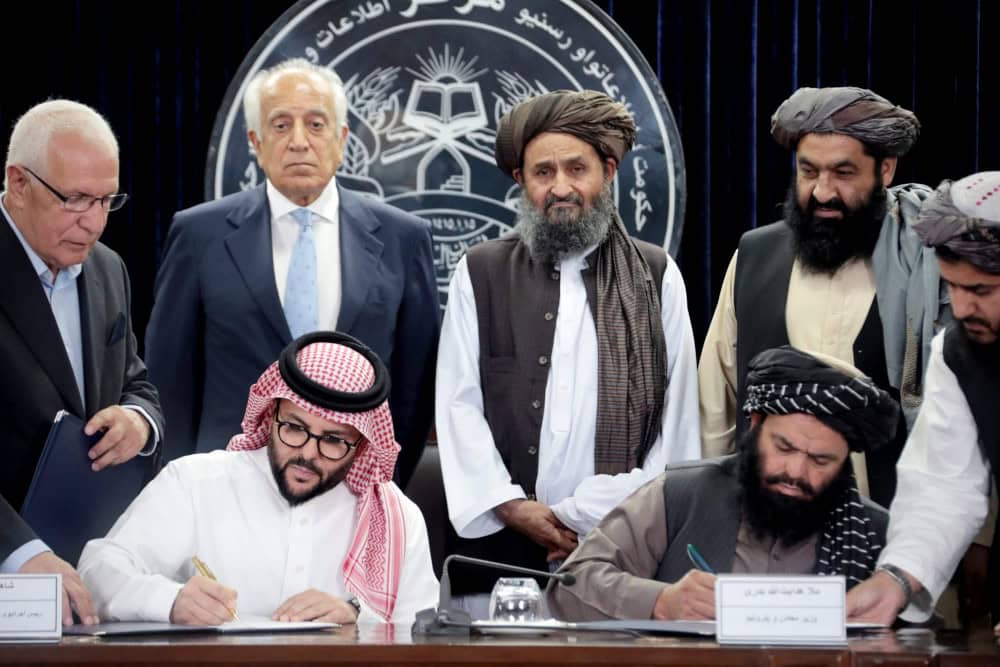
Former US Ambassador to Afghanistan Zalmay Khalilzad met with senior Taliban officials and attended the signing of a major oil and gas agreement with a Saudi company, despite the US State Department insisting that he was acting solely “in a personal capacity.” Whatever his intentions, Khalilzad gave the Taliban something it has sought since returning to power: an appearance of American validation.
21 Afghan girls, bravely defying the Taliban by continuing to study, handed CBS News letters containing their stifled, often humble dreams "for an ordinary life."
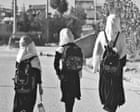
Shallah, Fatimah and Maahi are among hundreds of thousands of Afghan women and girls deported from Iran and Pakistan in the past year to a life of severe restrictions It was a warm summer afternoon on 15 August 2021 when the Taliban entered Kabul and changed the lives of millions. Shallah*, then 16, watched the news at home on the Afghan TV channel Tolo news. She ran crying to the garden, to tell her mother that Afghanistan had fallen. Her younger sister, Fatimah*, then 11, was at her cousin’s house, where her aunt told her the news. At the time, she says, she did not understand what a takeover meant, or who the Taliban were. Her elder sister, Maahi*, then 22, was well aware of the consequences and remembers her hands shaking at work as she read the news on her phone, on Facebook pages of Afghan news. Continue reading...
The Guardian•Guardian reporters9 Sept