
U.S. regulators rush to write crypto rulebook after Clarity Act stalls in Senate
State and federal regulators are rushing to fill the void after comprehensive crypto rules failed to clear the Senate.
State and federal regulators are rushing to fill the void after comprehensive crypto rules failed to clear the Senate.
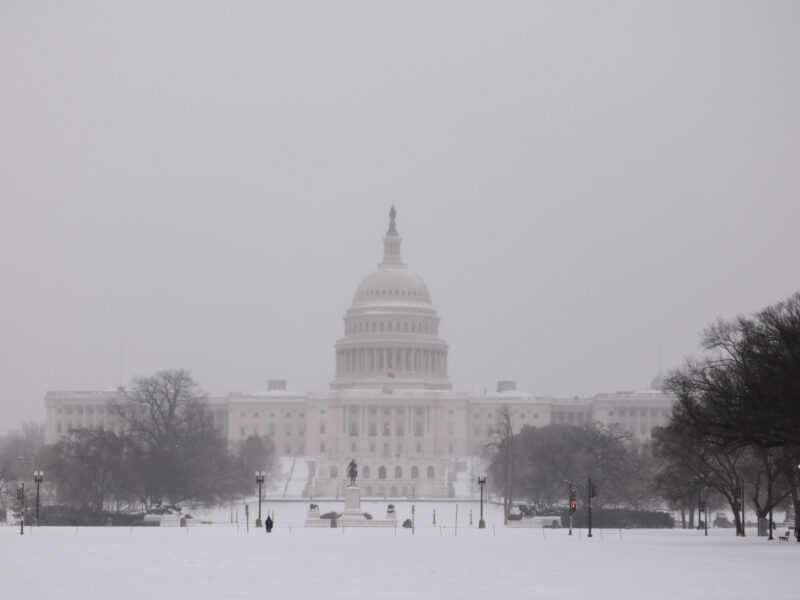
In a split decision, Trump appointee Neomi Rao ruled the Eastern Steps of the U.S. Capitol are a nonpublic forum and a “demonstration ban” was too restrictive under the First Amendment.

Why are individual investors, commonly known as "retail investors," prone to losing money in the stock market? A Lingnan University joint study of more than 4,600 Chinese and U.S. stocks finds that investors are less likely to buy stocks blindly when they understand the difference between a company's "reported earnings" and its "actual cash flows."

Canada produces more potash than any other country in the world, all from 10 active mines in Saskatchewan. U.S. President Donald Trump says he's working on a deal to buy potash from Belarus instead. But could Belarus replace our supply? Here are the facts.

Bitcoin Magazine Bitcoin Investors Buy Nearly $1B in BTC ETFs as Bull Market Returns The Bitcoin bulls are back — if ETF flows are to be believed. U.S. bitcoin exchange-traded funds received $999 million in new investment on Monday, according to Farside Investors data. That’s the most in one day since October 6, when the funds received over $1.2 billion and the price of the leading cryptocurrency hit a […] This post Bitcoin Investors Buy Nearly $1B in BTC ETFs as Bull Market Returns first appeared on Bitcoin Magazine and is written by Mathew Di Salvo .
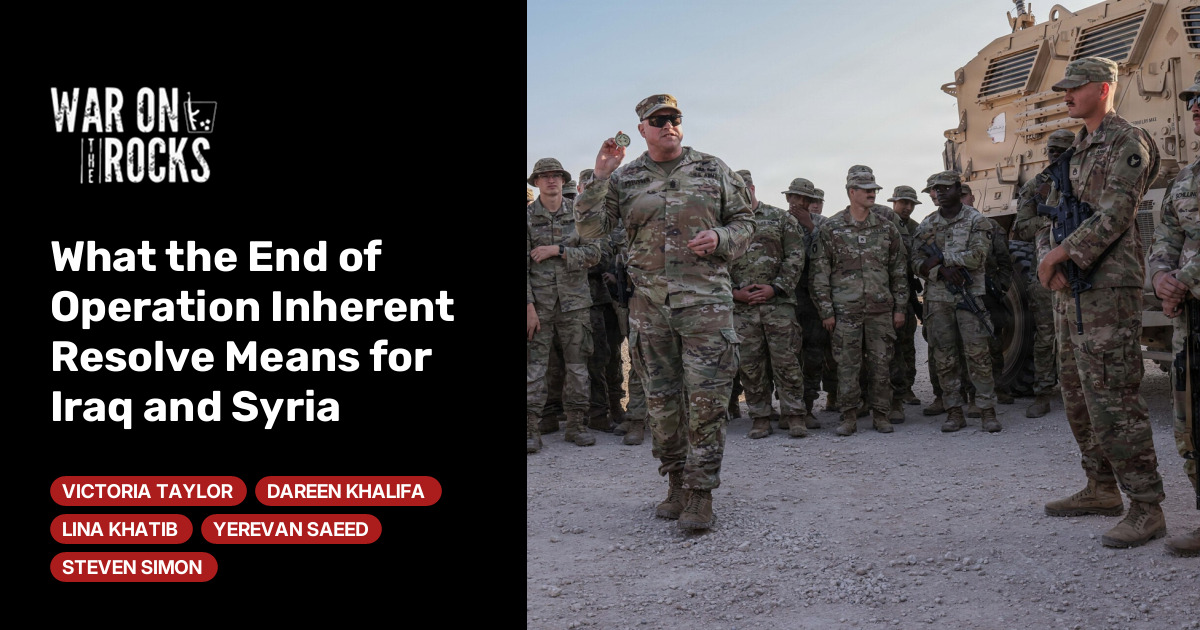
Operation Inherent Resolve is scheduled to end on Sept. 30, as remaining U.S. troops in northern Iraq complete their withdrawal. The United States formed Combined Joint Task Force – Operation Inherent Resolve in October 2014 to bring together partners to combat the Islamic State of Iraq and the Levant (ISIL), which had seized territory in parts of Iraq and Syria. The end of Operation Inherent Resolve highlights the success of coalition efforts against ISIL but also raises questions about future political stability and security in Iraq and Syria — and whether ISIL could rise again. The U.S. departure from northern
 War on the Rocks•Steven Simon22 Sept
The numbers paint a grim picture. Roughly half of all U.S. adults are lonely, according to a 2023 report, and nearly as many feel socially isolated.
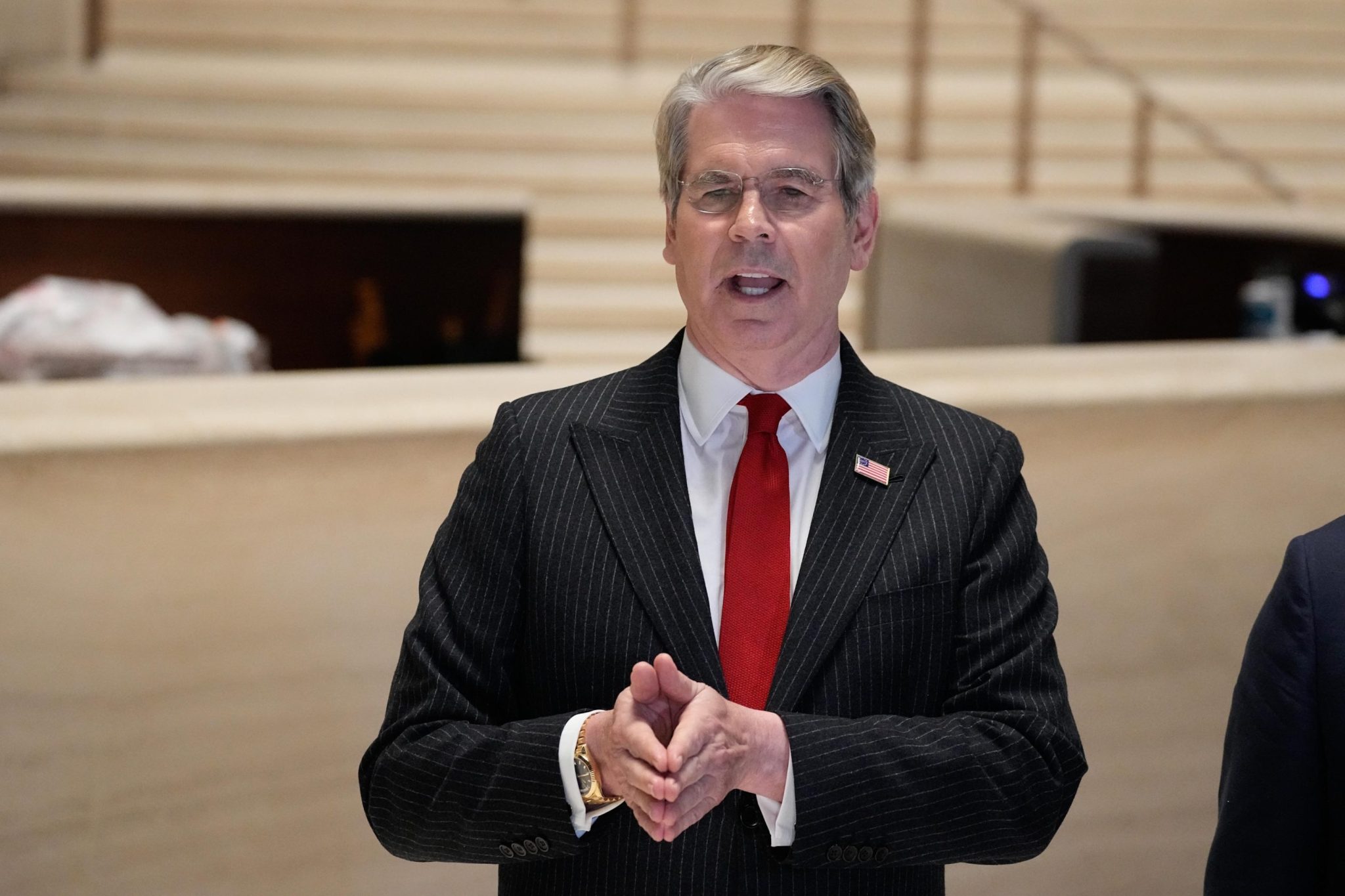
A hotline might prevent an AI accident from spiraling into war. But if neither the U.S. or China has a solution for "rogue AI," phoning one another about it is not going to provide much security.
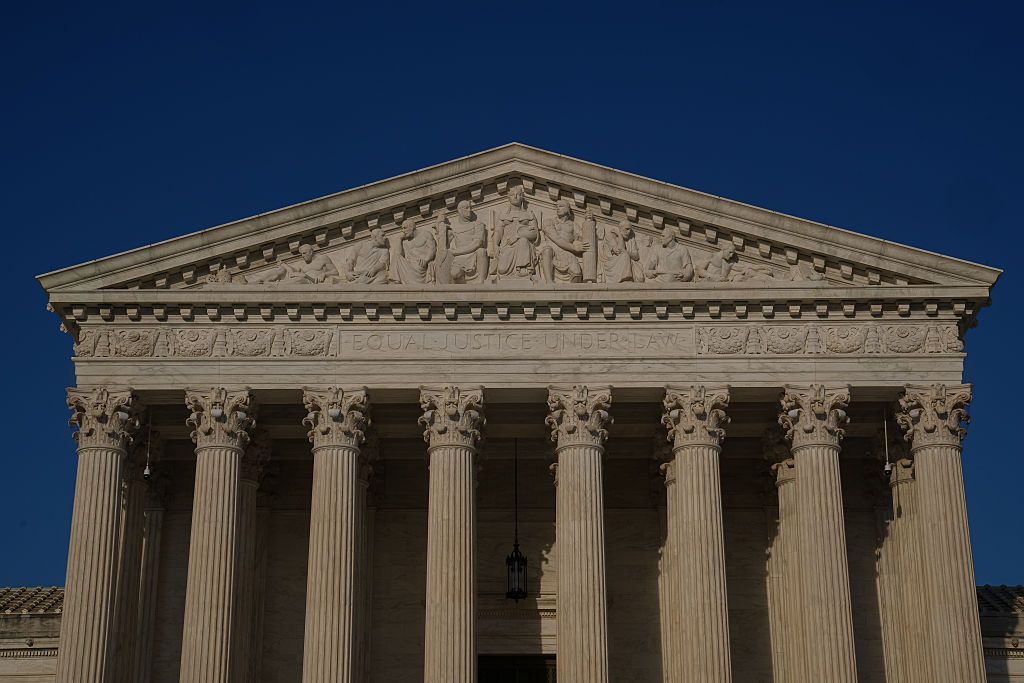
On Sept. 11, the Trump administration notified the Supreme Court that Genalo v. Black , an immigration case set to be argued in October, was now moot – that is, no longer a live controversy – and should be dismissed from the oral argument docket. However, U.S. Solicitor General D. John Sauer noted that the administration hoped the justices would still “resolve the questions presented” during the 2026-27 term, explaining that his team would work to “identify[] alternative vehicles” with which to return the issue to the court. Ten days later, on Monday, Sept. 21, the administration filed a new petition for review that covers the same essential ground as the dismissed case. In doing so, however, it skipped over the federal appeals court that would typically weigh in before the Supreme Court. “The Court has previously granted certiorari before judgment to allow a case to replace one that was dismissed,” Sauer wrote, urging the justices to “do the same here.” Like Genalo v. Black before it, Genalo v. D.C. addresses due process rights and Section 1226(c) of the Immigration and Nationality Act, which requires the detention of noncitizens, including green card holders, who have committed certain crimes and who are awaiting removal proceedings. Specifically, the case asks at what point, if any, noncitizens detained for an extended period under Section 1226(c) have a due process right to a bond hearing under the Fifth Amendment and what the government must show to justify continued detention if such a hearing is indeed required. The Supreme Court previously addressed Section 1226(c) in 2018’s Jennings v. Rodriguez , holding that the statute itself did not require periodic bond hearings. While weighing that case, the justices considered – but did not resolve – the question of whether, amid a lengthy detention, due process would eventually require such hearings. In June, the court granted review in Genalo v. Black to answer that question. The noncitizens in that case, Carol Williams Black and Keisy G.M., had been detained for approximately seven and 21 months, respectively, under Section 1226(c). However, Black had voluntarily left the United States even before the justices agreed to take up the case, while New York Gov. Kathy Hochul pardoned G.M. in August, which meant he was no longer deportable under the statute. In September, the Trump administration and attorneys for the challengers agreed that the case should be dismissed. The new case, Genalo v. D.C., involves a man identified only as D.C. in court filings, who was born in the Dominican Republic in 1963 and “unlawfully entered the United States” “[a]t an unknown time and place,” according to the petition . While in the U.S., D.C. has apparently “been convicted of multiple crimes,” and the Department of Homeland Security detained him under Section 1226(c) in September 2025 after his most recent prison stay ended. In March, D.C. challenged his prolonged detention as a violation of his due process rights, and a federal district court agreed that he had a constitutional right to a bond hearing. That bond hearing has since taken place, and D.C. was released from DHS custody on March 31 . The Trump administration on Monday asked the Supreme Court to review that district court ruling and return the issue of immigration detention without bond to the 2026-27 oral argument docket. D.C.’s response is due by Oct. 21. In a second petition for review filed on Monday, the Trump administration asked the justices to address district courts’ authority over claims by a noncitizen challenging the validity of his detention while he awaits removal proceedings, when the claims also go to the validity of the grounds for his removal – an issue that district courts do not have the authority to review. The case centers on the Trump administration’s decision to detain Georgetown University scholar Badar Khan Suri and begin removal proceedings. Suri, an advocate of Palestinian rights, contends that the detention violated his free speech and due process rights.
 SCOTUSblog•Kelsey Dallas22 Sept
On Sept. 11, the Trump administration notified the Supreme Court that Genalo v. Black , an immigration case set to be argued in October, was now moot – that is, no longer a live controversy – and should be dismissed from the oral argument docket. However, U.S. Solicitor General D. John Sauer noted that the administration hoped the justices would still “resolve the questions presented” during the 2026-27 term, explaining that his team would work to “identify[] alternative vehicles” with which to return the issue to the court. Ten days later, on Monday, Sept. 21, the administration filed a new petition for review that covers the same essential ground as the dismissed case. In doing so, however, it skipped over the federal appeals court that would typically weigh in before the Supreme Court. “The Court has previously granted certiorari before judgment to allow a case to replace one that was dismissed,” Sauer wrote, urging the justices to “do the same here.” Like Genalo v. Black before it, Genalo v. D.C. addresses due process rights and Section 1226(c) of the Immigration and Nationality Act, which requires the detention of noncitizens, including green card holders, who have committed certain crimes and who are awaiting removal proceedings. Specifically, the case asks at what point, if any, noncitizens detained for an extended period under Section 1226(c) have a due process right to a bond hearing under the Fifth Amendment and what the government must show to justify continued detention if such a hearing is indeed required. The Supreme Court previously addressed Section 1226(c) in 2018’s Jennings v. Rodriguez , holding that the statute itself did not require periodic bond hearings. While weighing that case, the justices considered – but did not resolve – the question of whether, amid a lengthy detention, due process would eventually require such hearings. In June, the court granted review in Genalo v. Black to answer that question. The noncitizens in that case, Carol Williams Black and Keisy G.M., had been detained for approximately seven and 21 months, respectively, under Section 1226(c). However, Black had voluntarily left the United States even before the justices agreed to take up the case, while New York Gov. Kathy Hochul pardoned G.M. in August, which meant he was no longer deportable under the statute. In September, the Trump administration and attorneys for the challengers agreed that the case should be dismissed. The new case, Genalo v. D.C., involves a man identified only as D.C. in court filings, who was born in the Dominican Republic in 1963 and “unlawfully entered the United States” “[a]t an unknown time and place,” according to the petition . While in the U.S., D.C. has apparently “been convicted of multiple crimes,” and the Department of Homeland Security detained him under Section 1226(c) in September 2025 after his most recent prison stay ended. In March, D.C. challenged his prolonged detention as a violation of his due process rights, and a federal district court agreed that he had a constitutional right to a bond hearing. That bond hearing has since taken place, and D.C. was released from DHS custody on March 31 . The Trump administration on Monday asked the Supreme Court to review that district court ruling and return the issue of immigration detention without bond to the 2026-27 oral argument docket. D.C.’s response is due by Oct. 21. In a second petition for review filed on Monday, the Trump administration asked the justices to address district courts’ authority over claims by a noncitizen challenging the validity of his detention while he awaits removal proceedings, when the claims also go to the validity of the grounds for his removal – an issue that district courts do not have the authority to review. The case centers on the Trump administration’s decision to detain Georgetown University scholar Badar Khan Suri and begin removal proceedings. Suri, an advocate of Palestinian rights, contends that the detention violated his free speech and due process rights.
SCOTUSblog•Kelsey Dallas22 Sept
The Trump administration is planning to welcome up to 17,500 additional White Afrikaners from South Africa as refugees over the next 12 months, according to a notice sent to Congress.

The British prime minister’s relationship with the U.S. president begins on a positive note, yet multiple areas of friction remain.
The United States and Iran held a rare three-hour meeting in New York to discuss ending the war between the two countries, Trump said.

F-35 fighter jet spare parts were reportedly diverted to Hong Kong from Australia, sparking inquiries on Capitol Hill and in the Australian Department of Defence over China’s possible access to classified material. First reported by Audrey Decker and Mark Satter at Politico on Sept. 18, 2026, a number of anonymous sources close to the matter […]
 The Aviationist•James Gray22 Sept
If U.S. forces leave Iraq by 30 September 2026, Washington should view the departure not as the end of its relationship with Baghdad but as an opportunity to redefine it. The U.S. will retain influence in Iraq, but it will have to exercise that influence differently. America’s challenge will be transitioning from control to influence. For two decades, the military presence gave Washington an extraordinary degree of leverage over Iraq. Once U.S. troops leave, leverage will diminish, but the U.S. will retain important instruments of power:…

The dialogue signals a potential diplomatic shift, impacting market expectations for a ceasefire and highlighting U.S. engagement in peace efforts.
 CryptoBriefing•Estefano Gomez22 Sept
President Trump said Tuesday that U.S. officials had a three-hour long meeting with Iranian officials on the sidelines of the United Nations General Assembly in New York. Trump described it as a “very good meeting, very productive meeting” when asked about it during his bilateral meeting with Ukrainian President Volodymyr Zelensky and the Ukrainian delegation.…
 The Hill•Mallory Wilson22 Sept
U.S. Republican Sen. John Curtis is calling on the Senate Judiciary Committee to investigate whether Donald Trump Jr. used his proximity to the presidency for financial benefit, after his recent wedding party was partially bankrolled by a Russian oligarch .

NEAR has partnered with Ondo Finance to give eligible users access to 20 tokenized U.S. stocks, exchange-traded funds, and commodity-linked products through near.com and NEAR Intents. Ondo Finance said the integration would let eligible near.com users exchange supported crypto assets…

[PRESS RELEASE – Miami, FL, USA, September 22nd, 2026] Kaplan Rothstein Prüss Peraza (KRP2), a prominent cybersecurity and data privacy litigation firm, has announced the expansion of its specialized legal practice focused on recovering digital assets lost to SIM swap fraud. The firm is scaling its plaintiff-side litigation efforts across Florida, New York, and California […]