
Russia’s pro-Putin party set to win election as Ukraine exposes war’s growing reach into Moscow
Ukraine launched more than 1,000 drones at Russia on the State Duma election’s final day, including hundreds targeting Moscow.
Ukraine launched more than 1,000 drones at Russia on the State Duma election’s final day, including hundreds targeting Moscow.

United Russia's dominance may further entrench pro-Kremlin policies, impacting Russia's political landscape and international relations.
 CryptoBriefing•Estefano Gomez21 Sept
Stalled peace talks heighten uncertainty, impacting market confidence in a near-term resolution and emphasizing the need for U.S. mediation.
CryptoBriefing•Estefano Gomez21 Sept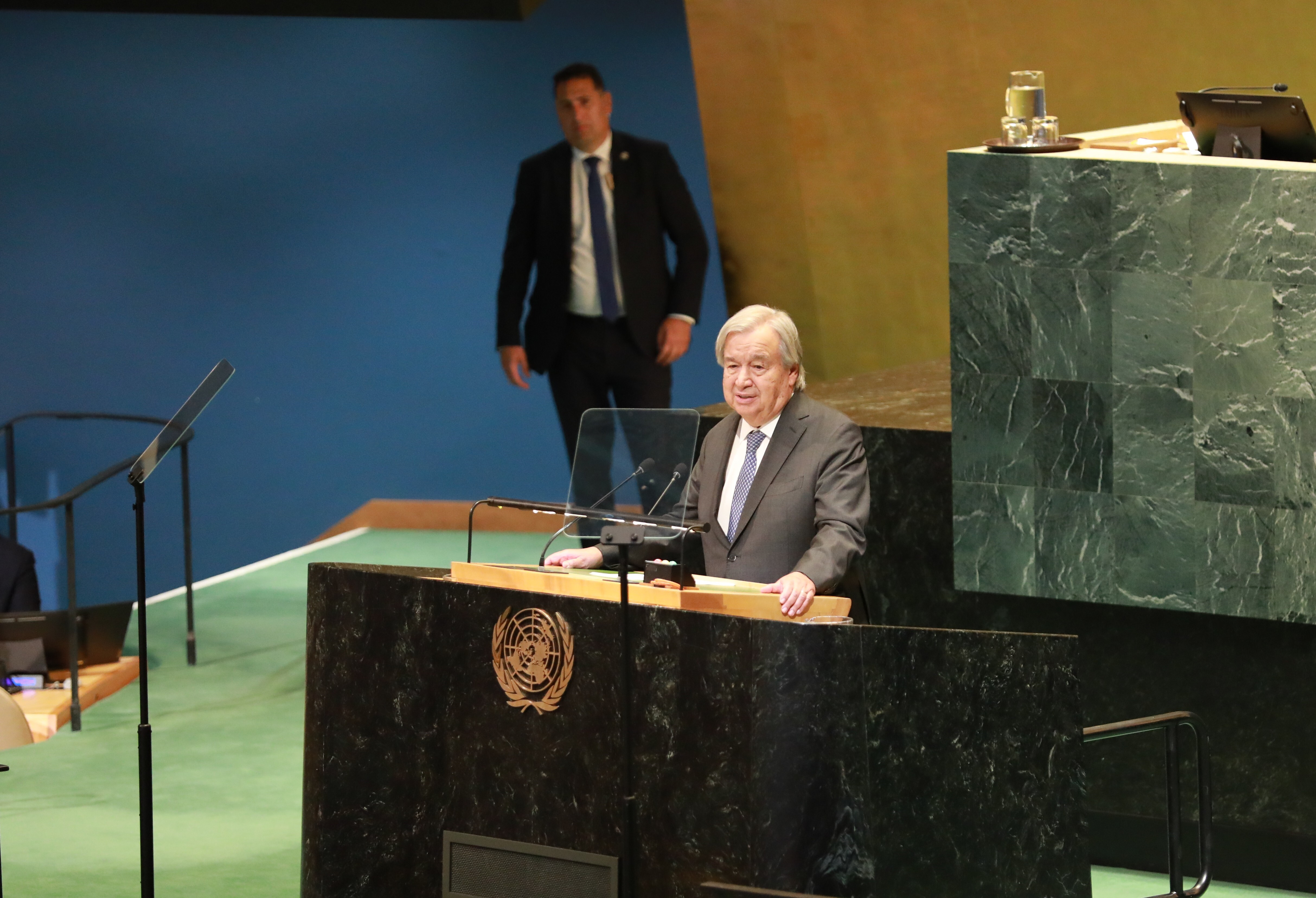
United Nations head António Guterres returns to New York for his final U.N. General Assembly as diplomacy falters over wars in Ukraine and the Middle East, and the global body faces deep divisions.
 NPR•Michele Kelemen21 Sept
Country: Ukraine Sources: NGO Girls, Ukraine Gender in Humanitarian Action Working Group, UN Women Please refer to the attached files. The Gender in Humanitarian Action (GiHA) Working Group conducted annual consultations to inform the Humanitarian Needs and Response Plan 2027 (HNRP 2027). Five online consultations were conducted with women’s rights organizations, including organizations representing crisis-affected populations and groups such as GBV and CRSV survivors, women and girls with disabilities, Roma women and girls, women and girls living with HIV, the LGBTIQ+ community, and people with substance use disorders, including those receiving opioid substitution therapy (OST). The key takeaways were presented in Kyiv on September 3rd during the Meaning-Making Workshop organized by Gender in Humanitarian Action Working Group in collaboration with Cross-Cutting Expertise Group (that includes GiHA WG, Age and Disability TWG, AAP WG, LGBTIQ+ TW) and the Data Coordination Group (REACH, IOM and OCHA).
 ReliefWeb•UN Women21 Sept
Country: Ukraine Sources: NGO Girls, Ukraine Gender in Humanitarian Action Working Group, UN Women Please refer to the attached files. The Gender in Humanitarian Action (GiHA) Working Group conducted annual consultations to inform the Humanitarian Needs and Response Plan 2027 (HNRP 2027). Five online consultations were conducted with women’s rights organizations, including organizations representing crisis-affected populations and groups such as GBV and CRSV survivors, women and girls with disabilities, Roma women and girls, women and girls living with HIV, the LGBTIQ+ community, and people with substance use disorders, including those receiving opioid substitution therapy (OST). The key takeaways were presented in Kyiv on September 3rd during the Meaning-Making Workshop organized by Gender in Humanitarian Action Working Group in collaboration with Cross-Cutting Expertise Group (that includes GiHA WG, Age and Disability TWG, AAP WG, LGBTIQ+ TW) and the Data Coordination Group (REACH, IOM and OCHA).
ReliefWeb•UN Women21 Sept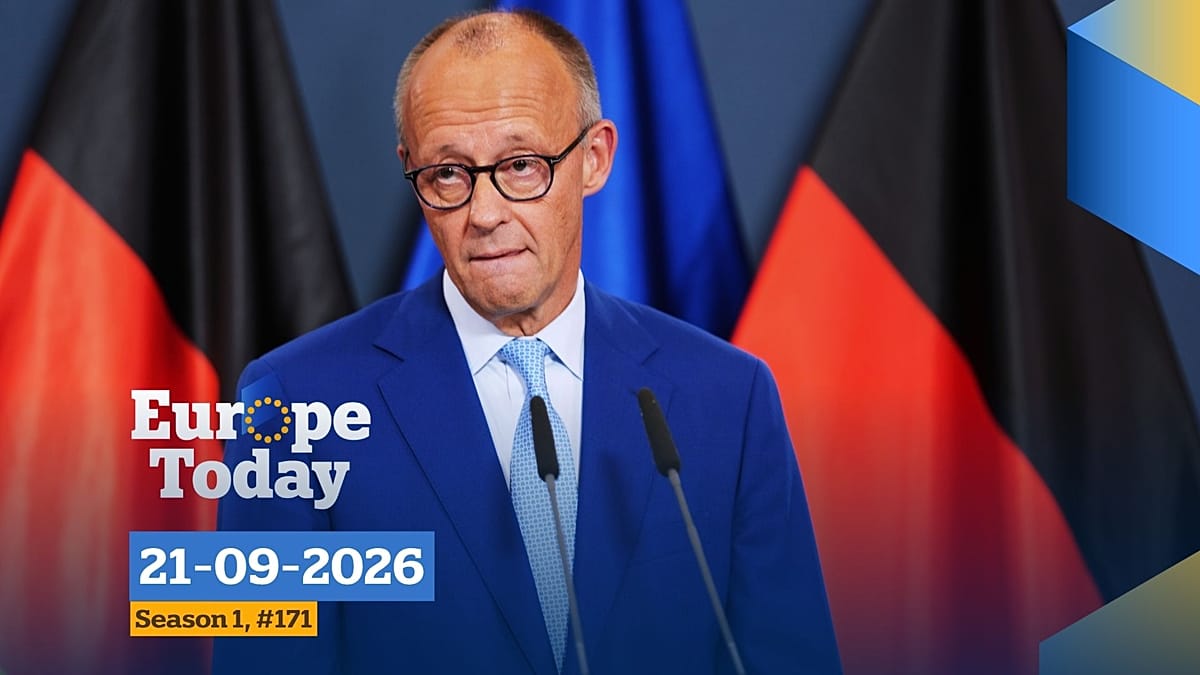
German Chancellor Friedrich Merz is under pressure again after his CDU party suffered a disastrous result in Sunday's German state elections, as Ukraine launched its biggest-ever drone strike on Moscow. Today on Europe Today we also cover rising Iran-US tensions and Meloni's burqa ban plan.
 Euronews21 Sept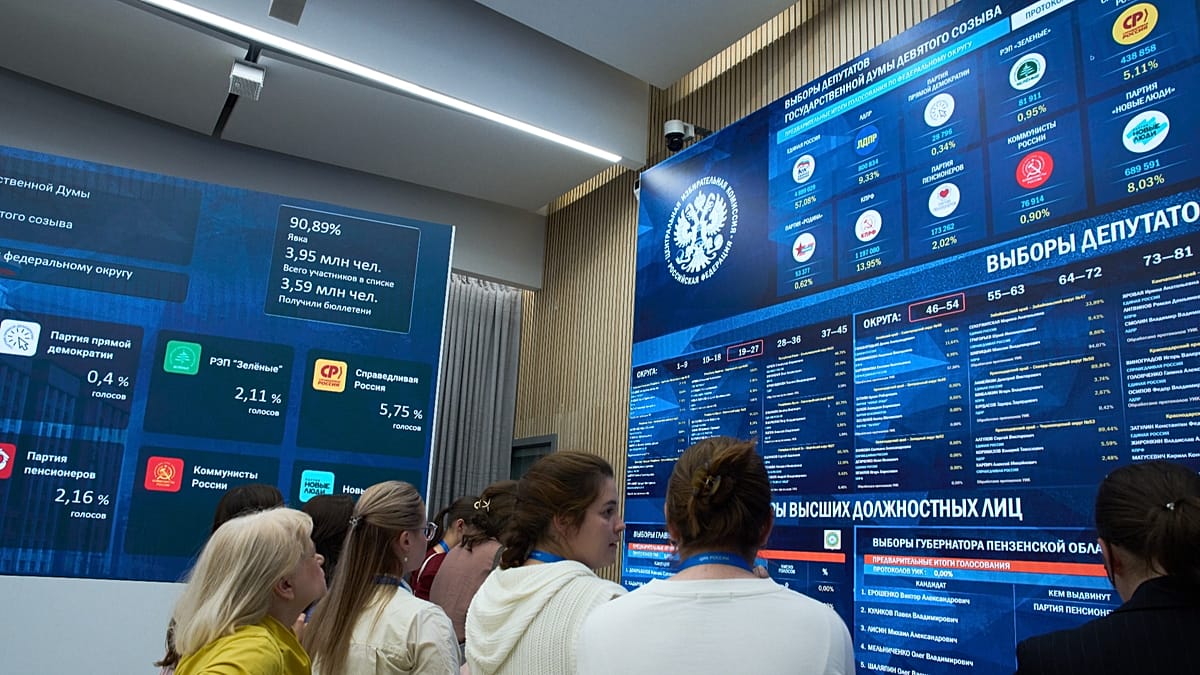
The election, held to elect members in all seats of the lower house State Duma, is the first since Moscow launched its full-scale invasion of Ukraine in 2022.
Euronews21 SeptThe unnamed turbojet drone was filmed attacking a Geran-5, which is reported to fly at speeds of up to 373 mph.

The intensified attacks on Ukrainian ports could further destabilize regional trade and diminish Ukraine's strategic military prospects.
CryptoBriefing•Estefano Gomez21 Sept
The conflict's escalation could reshape geopolitical alliances, influence global markets, and alter military strategies in the region.
CryptoBriefing•Estefano Gomez21 Sept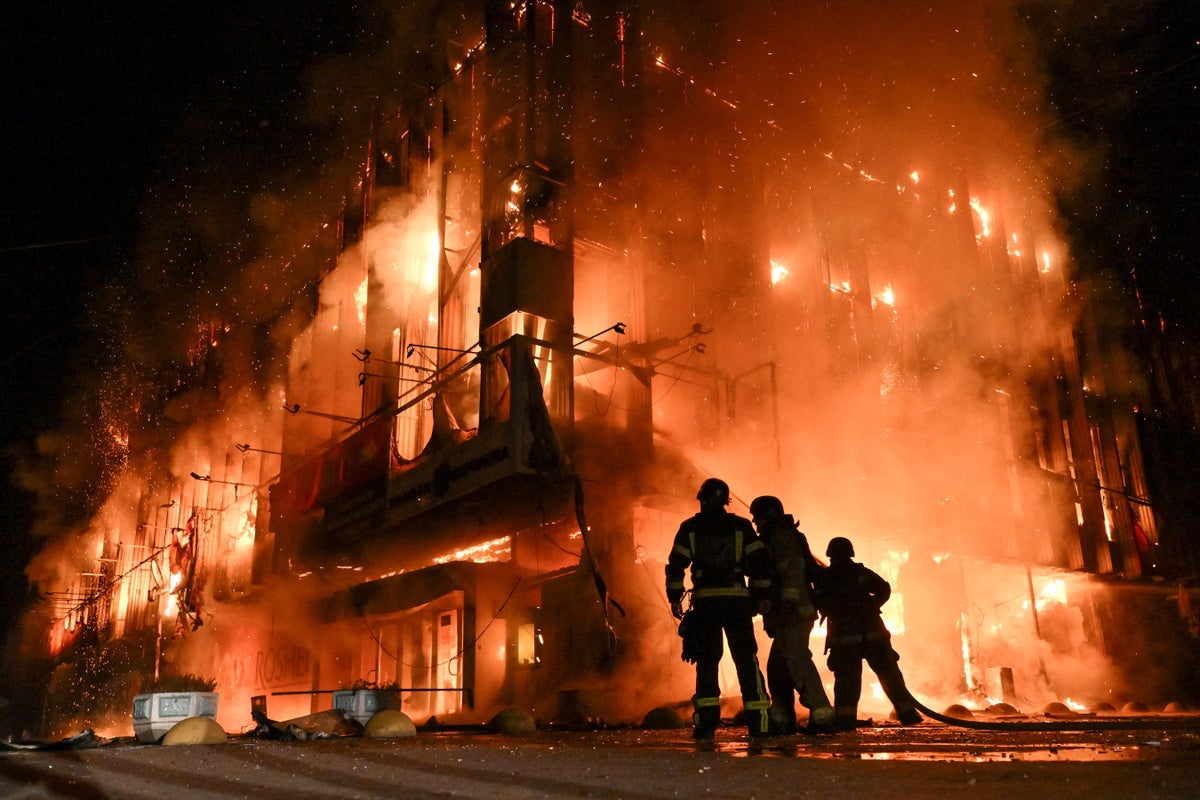
Russia turns away independent European observers as critics say election does not tolerate genuine dissent
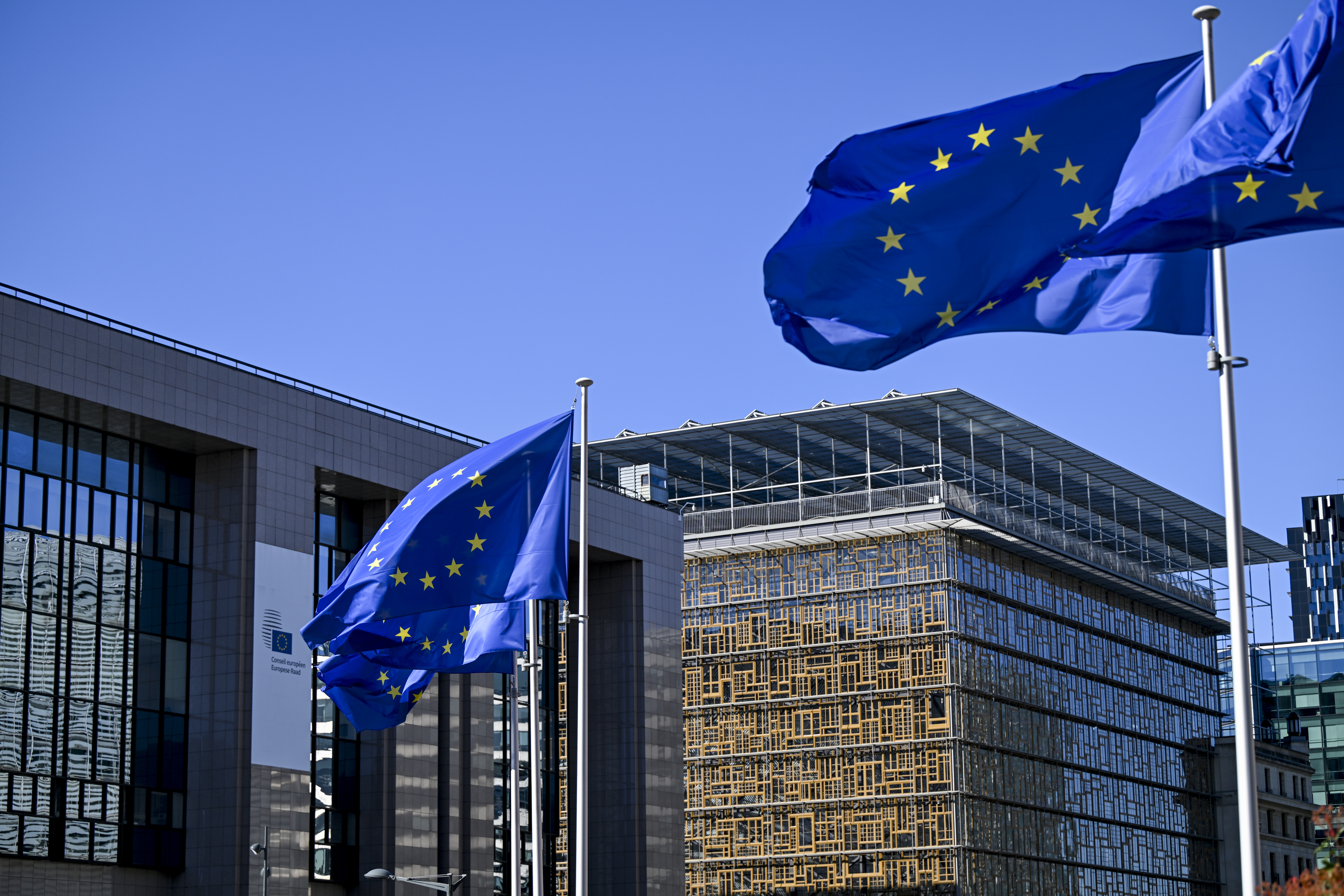
As EU ministers clash over how protectionist Europe’s new industrial push should be, EPP chief Manfred Weber is flying to Spain’s north African enclave. Meanwhile, Trump’s wars, tariffs and tensions with allies are also set to dominate the UN General Assembly, with Ukraine, Gaza and Iran high on the agenda.
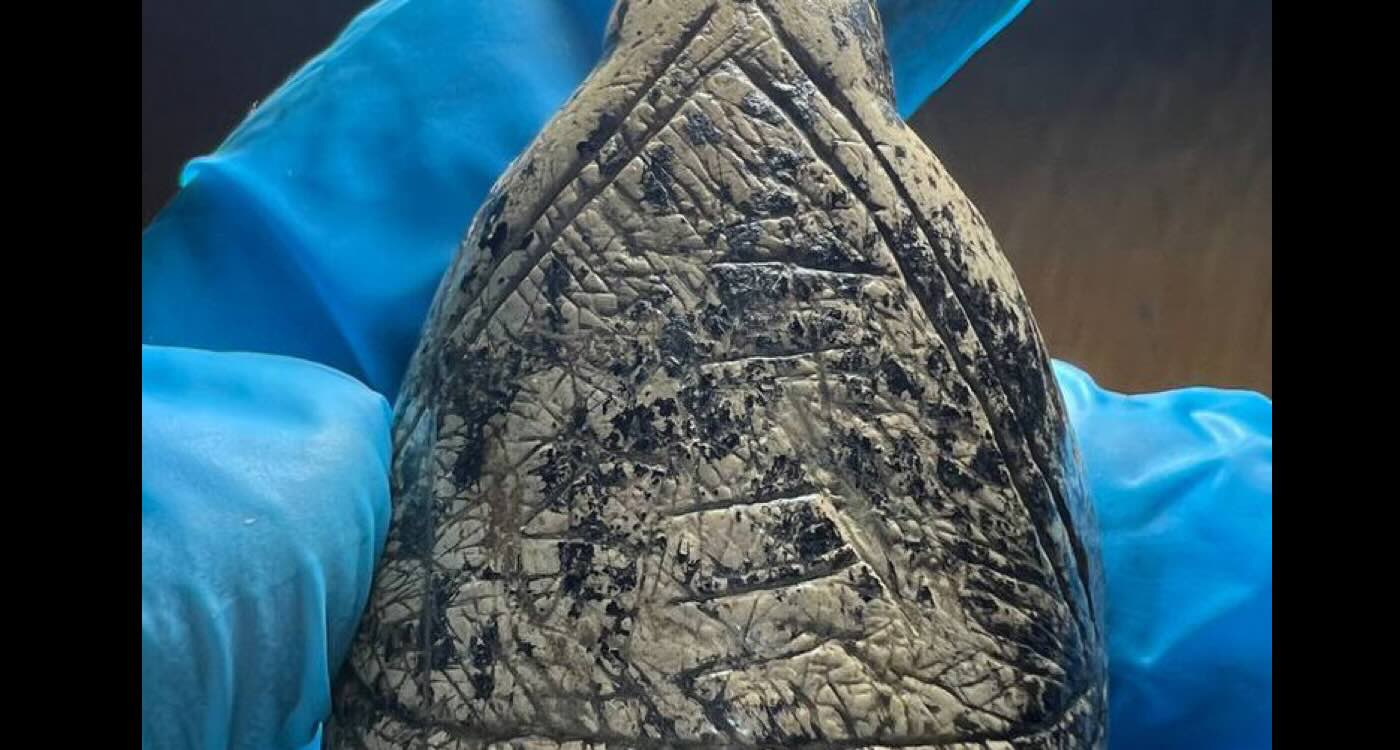
[Stephen Beech | SWNS news] Cavemen used mammoth tusk patterns to create unique art, reveals new research. Intricate designs engraved on the surface of 18,000-year-old female figurines carved from mammoth ivory were inspired by “distinctive” growth patterns visible in the tusks, say scientists. An analysis of 18 “Venus” figurines found at Mizyn in Ukraine shows […]
 Good News Network•Good News Network21 Sept
Country: Ukraine Source: UN Office of the High Commissioner for Human Rights Please refer to the attached file. Summary 1. This thematic report by the Office of the United Nations High Commissioner for Human Rights (OHCHR) provides an analysis of data, trends and patterns of conflict-related sexual violence perpetrated in the context of the Russian Federation’s full-scale armed attack against Ukraine. It is based on the findings of OHCHR’s Human Rights Monitoring Mission in Ukraine (HRMMU), during the period from 24 February 2022 through 31 July 2026. It builds upon OHCHR’s monitoring, documentation and public reporting of sexual violence in Ukraine since 2014. Its findings are assessed against the applicable international human rights law framework. 2. During the reporting period, OHCHR documented 1004 cases of sexual violence perpetrated in both detention and non-detention contexts. These findings, while representative, are not intended as a comprehensive account of sexual violence, which in Ukraine, as in other contexts, is underreported. The patterns observed indicate that sexual violence has been used as a method of torture and other forms of cruel, inhuman or degrading treatment or punishment against prisoners of war (POWs) and civilians. 3. The majority of these cases verified by OHCHR - 89 per cent - are attributed to Russian Federation authorities, including members of the Russian armed forces, the Federal Penitentiary Service (FSIN), and the Federal Security Service (FSB). Eleven per cent of the verified cases are attributed to Ukrainian authorities, including members of the Ukrainian armed forces, the State Penitentiary Service, and the Security Service of Ukraine (SBU). 4. In occupied territory of Ukraine and in the Russian Federation, Russian Federation authorities perpetrated acts of sexual violence against Ukrainian POWs and retained medical personnel and detained Ukrainian civilians, including men and women, on a widespread basis. Violations occurred across the full cycle of internment or detention, respectively: upon capture or arrest, during transfer, during admission to internment and detention facilities or places, during interrogation, throughout internment or detention, including during cell searches and showers, and immediately prior to exchange or release. Violations included gang rape, rape, attempted rape, genital mutilation, sexual assault, electric shocks to genitals, beating of genitals, forced nudity, electric shocks or beatings to the body while nude, degrading treatment of a sexual nature, threats of sexual violence, and other forms of sexual violence. Outside the context of detention, in areas under Russian occupation, primarily women and girls were subjected to rape, including gang rape, attempted rape, and sexual assault. They also endured forced nudity, threats of sexual violence, and other forms of sexual violence, mainly in residential settings. 5. The Russian Federation has failed to take any discernible steps to prevent, investigate, or prosecute sexual violence committed by its personnel. It has enacted legal provisions that provide broad impunity for crimes, including sexual violence, committed during military service and has not engaged with OHCHR on the matter of sexual violence. 6. In Government-controlled territory, almost half of the violations by Ukrainian authorities against Russian and third-country national POWs and conflict-related detainees 8 comprised exclusively threats of sexual violence. Violations also included attempted rape, sexual assault, electric shocks to genitals, beating of genitals, forced nudity, electric shocks or beatings to the body while nude, and degrading treatment of a sexual nature, largely perpetrated during the initial stages of captivity. 7. OHCHR notes that the Government of Ukraine has taken a number of concrete steps to prevent and address such violations by its personnel, including through legal reforms, command-level directives, and regular cooperation with OHCHR and other monitoring mechanisms. However, steps toward accountability remain limited: OHCHR is not aware of any cases moving beyond the investigative stage. 8. This document aims to support national and international efforts to ensure truth, justice, and reparation for survivors, and to prevent recurrence. It sets out concrete recommendations to the parties to the conflict, competent national authorities, and international partners to strengthen prevention, protection, accountability, and survivor-centred support.
ReliefWeb•UN Office of the High Commissioner for Human Rights21 Sept
Vladimir Putin will likely use the result to claim most Russians back the so-called special military operation in Ukraine, writes the BBC's Steve Rosenberg.
 BBC21 Sept
The disruption in grain shipments exacerbates global food insecurity, particularly impacting vulnerable regions reliant on imports.
CryptoBriefing•Editorial Team20 Sept
Russian President Vladimir Putin has cast the vote as a test of support for his ongoing war in Ukraine.
 Al Jazeera20 Sept
The massive drone assault on Moscow highlights the escalating resource strain on Russia's air defenses and potential shifts in Ukraine's tactics.
CryptoBriefing•Editorial Team20 Sept