US Central Command launches airstrikes against Iranian targets as crypto markets feel the heat
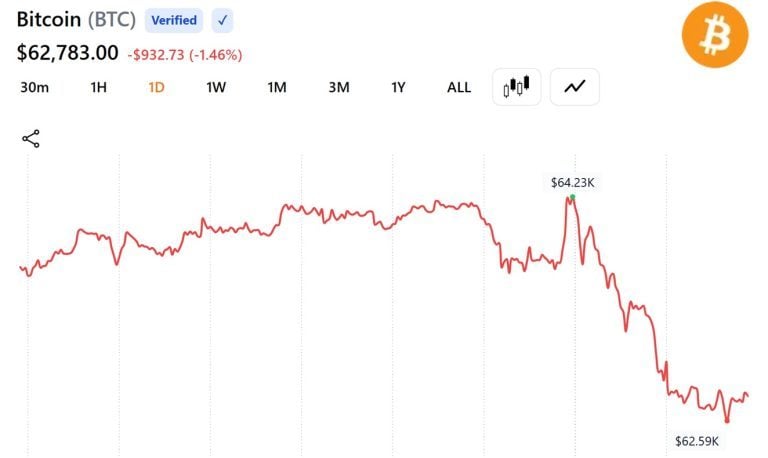
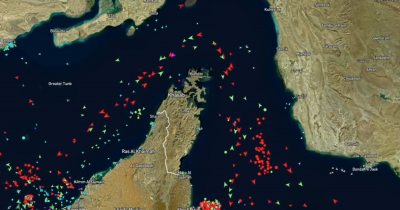
US Central Command launched a seventh consecutive night of airstrikes against Iranian targets near the Strait of Hormuz. Bitcoin fell below $64,000 as

US Central Command launched a seventh consecutive night of airstrikes against Iranian targets near the Strait of Hormuz. Bitcoin fell below $64,000 as

US Central Command reportedly redirected five vessels and disabled one near Iran. Here's what it means for energy markets, geopolitical risk, and crypto.

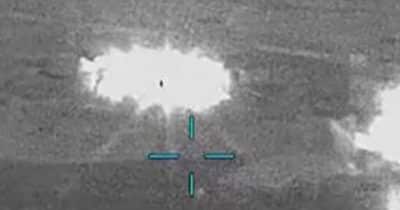
US Central Command fired Hellfire missiles to disable the M/T Belma near Iran's Kharg Island, the first enforcement action after reinstating its naval

Heightened tensions in the region could disrupt global oil markets and escalate geopolitical conflicts, impacting international trade stability.

Escalating US-Iran tensions could destabilize global oil markets, influencing economic stability and investor sentiment beyond crypto.

The denial highlights the delicate balance of military precision and diplomatic relations, impacting global energy markets and geopolitical stability.

Escalating US-Iran tensions highlight geopolitical risks, yet muted crypto market reactions suggest evolving investor resilience or focus.

Iran's Bitcoin toll in the Strait of Hormuz may prompt stricter global crypto regulations, impacting international trade and finance.

U.S. President Donald Trump declared a June ceasefire with Iran “over” this week after U.S. Central Command carried out fresh strikes on Iranian military targets, reigniting a conflict that had appeared to cool weeks earlier. The renewed fighting traces back to attacks on commercial vessels near the Strait of Hormuz around July 7 and 8. […]

The operation's resumption may hinder nuclear deal prospects, escalating tensions and impacting diplomatic and market stability.

Bitcoin is trading around $63,000, down 2% over the last 24 hours, as the United States launched a third round of strikes on Iran and Tehran declared the Strait of Hormuz closed “until further notice.” Brent crude surged 4.5% as weekend futures trading opened. Strikes Resume as the Ceasefire Collapses U.S. Central Command said its […]

The U.S. assertion of an open Strait of Hormuz may stabilize oil markets, but geopolitical tensions could still disrupt future maritime traffic.

Escalating US-Iran tensions in the Strait of Hormuz heighten geopolitical risks, impacting global oil supply and destabilizing crypto markets.

The US strikes on Iranian sites near the Strait of Hormuz could destabilize global energy markets and heighten geopolitical tensions.

Iran's stance heightens regional tensions, potentially leading to increased military confrontations and impacting global security dynamics.

The ongoing US-Iran conflict could destabilize crypto markets, highlighting Bitcoin's vulnerability as a risk asset during geopolitical crises.

The escalation in the Strait of Hormuz heightens geopolitical tensions, potentially destabilizing regional security and impacting global markets.

Escalating US-Iran tensions could destabilize global oil markets and heighten geopolitical risks, impacting international trade and security.

Escalating US-Iran tensions risk destabilizing global trade routes, potentially impacting international relations and economic stability.

The US's strategic blockade and crypto asset seizures heighten economic tensions, potentially reshaping global trade and digital finance norms.