Venezuelapage 2

Place · 184 articles
Share

Coverage, page 2

page 2 of 10

Venezuela: ¿Qué necesitas saber sobre la renovación de la Misión de Determinación de los Hechos de la ONU?

Country: Venezuela (Bolivarian Republic of) Sources: Amnesty International, CIVICUS, Fédération internationale pour les droits humains, Global Centre for the Responsibility to Protect, Human Rights Watch, International Service for Human Rights, Washington Office on Latin America, World Organisation Against Torture Please refer to the attached file. Preguntas y respuestas de organizaciones de sociedad civil 1. ¿Qué es la misión de determinación de los hechos? Un mecanismo de escrutinio e investigación independiente y riguroso. La misión internacional independiente de determinación de los hechos sobre Venezuela (MIIDH) es un mecanismo extraordinario creado por la ONU en 2019 para ejercer escrutinio e investigar graves violaciones de derechos humanos en Venezuela. Su labor ha sido altamente valorada, y su continuidad considerada necesaria, por lo que su mandato fue renovado en 2020 , 2022 , y 2024 por periodos de dos años. Un mandato orientado a las víctimas y la justicia . La MIIDH existe para contribuir a que las víctimas obtengan justicia, y que los perpetradores rindan cuentas por violaciones de derechos humanos, en ausencia de vías para lograr esto a nivel nacional. En concreto, la MIIDH investiga ejecuciones extrajudiciales, detenciones arbitrarias, tortura y otros tratos crueles, inhumanos y degradantes, desapariciones forzadas, y violencia sexual y basada en género, cometidas desde 2014. Fuente de información pública, regular y confiable. La MIIDH está compuesta por personas expertas e independientes con amplia experiencia y conocimiento del derecho internacional. Su trabajo se presenta ante el Consejo de Derechos Humanos (CDH) de la ONU, en Ginebra, permitiendo un escrutinio internacional y la participación de países de todo el mundo y de la sociedad civil. Identificación de posibles personas perpetradoras. Entre 2020 y 2026 , la MIIDH ha identificado a un número de personas perpetradoras de rangos medios y altos, cadenas de mando de servicios de inteligencia y fuerzas de seguridad, y una política de Estado contra la población civil considerada como disidente que constituiría crímenes de lesa humanidad, incluida la persecución por motivos políticos. 2. ¿Por qué es fundamental que se mantenga la misión hasta 2028? Las condiciones que justifican la existencia de la MIIDH continúan más vigentes que nunca. El contexto actual en Venezuela es volátil y la situación social, humanitaria y de derechos humanos sigue siendo preocupante. Desde los graves hechos de enero de 2026, se han materializado algunos cambios en la conducta del gobierno venezolano, pero la política de represión se mantiene intacta en sus integrantes, estructuras e instituciones. Los terremotos del 24 de junio han dejado en evidencia la desprotección de la población venezolana. Cientos de personas permanecen detenidas arbitrariamente por motivos políticos, personas identificadas como posibles perpetradores de crímenes de lesa humanidad, incluidas algunas nombradas por la MIIDH, siguen ostentando posiciones de alto poder en el gobierno, y los esfuerzos del gobierno por evadir la justicia a nivel nacional e internacional se han profundizado. Las recomendaciones basadas en evidencia ofrecen una hoja de ruta verificable. La continuidad de la información que provee la MIIDH ayudará a guiar a la comunidad internacional, y a actores dentro del país, hacia reformas necesarias que aseguren la reparación y la no repetición de la crisis de derechos humanos que ha sufrido el país desde hace más de una década. Su análisis también puede ayudar a la comunidad internacional a diferenciar entre anuncios de reformas cosméticas y cambios significativos a las normas y políticas del gobierno. La impunidad siembra repetición. Los esfuerzos por garantizar un futuro en el que se protejan los derechos humanos en Venezuela deben priorizar la verdad, la justicia, la reparación, y las garantías de no repetición por graves violaciones de derechos humanos y crímenes de derecho internacional. Las investigaciones, informes y recomendaciones de la MIIDH ofrecen un acervo único que sirve de guía para cambios necesarios en el país. Sus esfuerzos continuos de elaborar expedientes, e identificar públicamente, a personas sospechosas de tener responsabilidad por crímenes de lesa humanidad y otros graves abusos son una herramienta clave en este aspecto. 3. ¿Cómo se complementan la MIIDH y el trabajo de la Oficina de la ONU para los Derechos Humanos y los mecanismos de justicia internacional? Asistencia técnica y monitoreo en el país. La renovación del mandato de la MIIDH debe ir acompañada de la renovación del mandato de monitoreo y cooperación que tiene la Oficina del Alto Comisionado para los Derechos Humanos (OACNUDH), tal y como ha sucedido desde el 2020. Son dos mecanismos distintos, complementarios y necesarios. Mientras la MIIDH se ocupa de investigar graves violaciones de derechos humanos, con miras a luchar contra la impunidad y garantizar plena rendición de cuentas de perpetradores y justicia para las víctimas, de ofrecer información pública robusta, y de proveer guías y recomendaciones estructurales, la OACNUDH monitorea la situación de los derechos humanos en toda su amplitud y ofrece asistencia técnica a las autoridades, además de su labor habitual de información pública. La MIIDH, como muchos otros mecanismos de investigación, ha demostrado que es capaz de realizar investigaciones robustas a pesar de serle negado el acceso al país, pero la presión por que se les permita visitar el país debe aumentar ahora más que nunca. Al ser mandatos distintos y necesarios, los equipos de ambos mecanismos deben poder entrar al país y tener acceso a las víctimas, sus familiares, y personas defensoras de derechos humanos. Mecanismos de justicia internacional . El aparato de justicia venezolano ha sido un instrumento de represión sistemática y generalizada, incluyendo jueces, fiscales, y personal judicial. En este contexto, las instituciones de justicia internacional juegan un papel imprescindible. Los hallazgos de la MIIDH sirven de insumo para las instituciones judiciales que pueden atribuir responsabilidad penal individual y sancionar a personas que hayan cometido crímenes bajo el derecho internacional, incluyendo la Corte Penal Internacional y algunos tribunales nacionales, como en Argentina bajo el principio de jurisdicción universal . 4. ¿Cómo puede aportar la misión al futuro de Venezuela? Sin cambios estructurales, siguen siendo necesarias la disuasión y las recomendaciones fundamentadas. Venezuela enfrenta un contexto alterado, aunque la situación no ha cambiado de manera estructural. La comunidad internacional debe mantenerse alerta y exigir cambios sistémicos en materia de derechos humanos. Investigaciones y recomendaciones de la MIIDH durante los próximos dos años son la mejor herramienta que tiene a su disposición la comunidad internacional para exigir que se den los cambios necesarios que garanticen la verdad, justicia, reparación y garantías de no repetición. Ante la incertidumbre, hay que ofrecer certezas de escrutinio y debate internacional . La situación en Venezuela es dinámica y se deben exigir cambios urgentes y estructurales. En este panorama incierto, la continuidad del escrutinio y la investigación de la MIIDH y la OACNUDH por los próximos dos años garantiza que la situación de derechos humanos en el país vaya a ser expuesta y debatida entre la ONU, Estados, y sociedad civil periódicamente. Esta regularidad y previsibilidad ofrece un piso mínimo de escrutinio de cualquier avance que se pudiera materializar en el país. 5. ¿Quién es responsable de la renovación de la misión? Una resolución aprobada por el Consejo de Derechos Humanos de la ONU en Ginebra . El mandato de la MIIDH nace y se mantiene por decisión del CDH, conformado por 47 Estados miembros . La renovación de su actual mandato se deberá plasmar en una nueva resolución que se apruebe por votación durante su 63º periodo de sesiones, el cual se desarrollará entre el 7 de septiembre y el 7 de octubre de 2026. Liderazgo regional con apoyo global, basado en principios y los derechos humanos. Como en las resoluciones anteriores que mantuvieron el mandato de MIIDH, son Estados de las Américas los que siguen liderando la renovación de la MIIDH. Desde el 2024, los Estados que impulsan este esfuerzo han sido Argentina, Canadá, Chile, Ecuador, Guatemala, Paraguay, y Uruguay. Este liderazgo debe ser respaldado por los miembros de la Unión Europea y países africanos, asiáticos y europeos comprometidos con un futuro donde los derechos humanos sean protegidos y garantizados en Venezuela, incluidos Bolivia, Brasil, Ghana, Gambia, Malawi, Mauricio, Tailandia. Suscriben: Acceso a la Justicia AlertaVenezuela Amnistía Internacional Aula Abierta Centro de Derechos Humanos de la Universidad Católica Andres Bello (CDH-UCAB) Centro de Justicia y Paz (CEPAZ) CIVICUS CIVILIS Comité de Familiares de Víctimas de los Sucesos de Febrero y Marzo de 1989 (COFAVIC) Espacio Público Federación Internacional por los Derechos Humanos (FIDH) Foro Penal Fundación para el Debido Proceso (DPLF) Global Centre for the Responsibility to Protect Human Rights Watch International Service for Human Rights (ISHR) Justicia, Encuentro y Perdón Organización Mundial Contra la Tortura (OMCT) Programa Venezolano de Educación Acción en Derechos Humanos (PROVEA) Robert & Ethel Kennedy Human Rights Center Washington Office on Latin America (WOLA)

ReliefWebReliefWebWorld Organisation Against Torture21 Sept

UNHCR Peru - Protection Spaces Factsheet 2026

Countries: Peru, Venezuela (Bolivarian Republic of) Source: UN High Commissioner for Refugees Please refer to the attached file. Context UNHCR Protection Spaces (Espacios de Protección, EdP) are safe, community-oriented multi-service points where refugees, asylum-seekers, host community members and other vulnerable populations receive information, guidance and assistance on access to rights and services from UNHCR and its partners, including information on access to asylum procedures, documentation, legal orientation, case management, health and mental health services, livelihoods support and other protection interventions. As of August 2026, UNHCR Peru operates six fixed and five mobile Protection Spaces across Lima, Tacna and Tumbes, with each being strategically located in areas with high concentrations of forcibly displaced people. These spaces were first established in 2023 and have since expanded both geographically and in scope, with mobile units reaching peri-urban and border areas and services extended through continued collaboration with government institutions, municipalities and humanitarian actors. Peru remains the second largest destination country for Venezuelan nationals who have been forced to flee, with over 1.63 million residing in the country by June 2026. The capital, Lima, hosts over one million Venezuelans, making it the city with the largest Venezuelan population outside of Venezuela. Tumbes serves as the primary land border crossing for Venezuelan refugees, and Tacna, on the southern border with Chile, acts as a critical mobility corridor for forcibly displaced persons. By bringing vital services directly to the community level, Protection Spaces successfully reduce accessibility barriers, facilitate coordinated access to essential services, and improve protection outcomes for vulnerable populations.

ReliefWebReliefWebUN High Commissioner for Refugees21 Sept

Venezuela: What You Need to Know About the Renewal of the UN Fact-Finding Mission - Global Centre for the Responsibility to Protect

Country: Venezuela (Bolivarian Republic of) Sources: Amnesty International, CIVICUS, Fédération internationale pour les droits humains, Global Centre for the Responsibility to Protect, Human Rights Watch, International Service for Human Rights, Washington Office on Latin America, World Organisation Against Torture Please refer to the attached file. A document from civil society organizations, available in English and Spanish. 1. What is the fact-finding mission? An independent and rigorous scrutiny and investigation mechanism. The Independent International Fact-Finding Mission on Venezuela (FFM) is a special mechanism created by the UN in 2019 to exercise scrutiny and investigate gross human rights violations in Venezuela. Its work has been highly regarded, and its continuity deemed necessary, so its mandate has been renewed in 2020 , 2022 , and 2024 for two-year periods. A victim and justice-centred mandate . The FFM exists to help victims obtain justice, and hold perpetrators accountable for human rights violations, in the absence of pathways to achieve this at the national level. Specifically, the FFM investigates extrajudicial executions, arbitrary detentions, torture and other cruel, inhuman and degrading treatment, enforced disappearances, and sexual and gender-based violence, committed since 2014. A source of public, regular and reliable information. The FFM is composed of independent experts with extensive experience and expertise of international law. Its work is presented to the UN Human Rights Council (HRC) in Geneva, allowing international scrutiny and the engagement of countries from around the world and civil society. Identification of suspected perpetrators: Between 2020 and 2026 , the FFM has identified a number of mid- and high-ranking perpetrators, chains of command within intelligence services and security forces, and a state policy against the civilian population who might be considered dissident that would constitute crimes against humanity, including persecution on political grounds. 2. Why must the mission be maintained until 2028? The conditions that warrant the existence of the FFM remain more valid than ever. The current context in Venezuela is volatile, and the social, humanitarian and human rights situation remain concerning. Since the concerning events of January 2026, some changes to the conduct of Venezuelan authorities have been observed, but the policy of repression remains intact, specifically in regard to its members, structures, and institutions. The June earthquakes have exposed the lack of protection of the Venezuelan population. Hundreds of people remain arbitrarily detained for political reasons, individuals identified as possible perpetrators of crimes against humanity, including those named by the FFM in its reports, continue to hold high-ranking government roles, and the government’s efforts to evade justice at the national and international levels have deepened. Evidence-based recommendations offer a verifiable roadmap. Continued reporting by the FFM will help guide the international community, and actors inside the country, in terms of necessary reforms to ensure reparation for, and the non-repetition of the human rights crisis that the country has suffered for long over a decade. Their analysis can also help the international community distinguish cosmetic reforms announced from meaningful changes to law and policy. Impunity breeds repetition. Efforts to secure a future in which human rights are protected in Venezuela must prioritize truth, justice, reparation, and guarantees of non-repetition for serious human rights violations and crimes under international law. The FFM’s investigations, reporting, and recommendations offer a unique body of ongoing work that serves as a guide for necessary changes in the country. Their continued efforts to build dossiers on – and publicly identify – individuals suspected of responsibility for crimes against humanity and other grave abuses is a key tool in this regard. 3. How is the FFM complementary to the work of the UN Human Rights Office and international justice mechanisms? Technical assistance and monitoring in the country. The renewal of the FFM’s mandate must go hand-in-hand with the renewal of the monitoring and cooperation mandate of the Office of the High Commissioner for Human Rights (OHCHR), as has been the case since 2020. They are two different, complementary, and necessary mechanisms. While the FFM focuses on investigating gross human rights violations, with a view of combating impunity and ensuring full accountability for perpetrators and justice for victims, robust public reporting, and provision of guidance and structural recommendations, the OHCHR monitors the human rights situation as a whole and offers technical assistance to the authorities in addition to its regular reporting. The FFM, like many other investigative bodies, has proved it is able to carry out robust investigations despite being barred from the country, but pressure should be increased now to allow them to visit.As two different and necessary mandates, staff of both mechanisms must be able to enter the country and have access to victims, their relatives, and human rights defenders. International justice mechanisms . The Venezuelan justice system has been a tool for systematic and widespread repression, including by judges, prosecutors, and other judicial personnel. In this environment, international justice institutions play an essential role. The FFM’s findings serve as a source of information for courts that can attribute individual criminal responsibility and sanction those who have committed crimes under international law, including the International Criminal Court as well as some national courts, as in Argentina under the principle of universal jurisdiction . 4. How can the Mission contribute to the future of Venezuela? Without structural changes, deterrence and informed recommendations are still necessary. Venezuela faces an altered context, but not one structurally different. The international community must remain vigilant and demand systemic human rights changes. Investigations and recommendations by the FFM over the next two years are the best tool at the international community’s disposal to demand that the necessary changes be made to ensure truth, justice, reparation, and guarantees of non-repetition. In the face of uncertainty, it is necessary to guarantee international scrutiny and debate . The situation in Venezuela is dynamic, and demands for urgent and structural changes must be made. In this uncertain landscape, the continuity of the OHCHR and of the FFM’s scrutiny and investigations over the next two years guarantees that the human rights situation in the country will be subject to periodic review and debate by the UN, states, and civil society. Regularity and predictability offer a minimum floor of scrutiny over any progress that could materialize in the country. 5. Who is responsible for the renewal of the mission? A resolution approved by the UN Human Rights Council in Geneva . The FFM’s mandate was created and has been maintained by decision of the UN HRC, which is made up of 47 member states . The renewal of its current mandate must be decided through a new resolution that should be tabled and voted on during its 63rd session, which will take place between 7 September and 7 October 2026. Regional leadership with global support, based on principles and human rights. As in previous resolutions that sustained the FFM’s mandate, states in the Americas continue to lead the renewal of the mandate of the FFM. Since 2024, the states that lead this effort are Argentina, Canada, Chile, Ecuador, Guatemala, Paraguay, and Uruguay. This leadership must be supported by the members of the European Union as well as African, Asian, and European countries committed to a future where human rights are protected and guaranteed in Venezuela, including Bolivia, Brazil, Ghana, Gambia, Malawi, Mauritius, Thailand. Joined by: Acceso a la Justicia AlertaVenezuela Amnesty International Aula Abierta Centro de Derechos Humanos de la Universidad Católica Andres Bello (CDH-UCAB) Centro de Justicia y Paz (CEPAZ) CIVICUS CIVILIS Comité de Familiares de Víctimas de los Sucesos de Febrero y Marzo de 1989 (COFAVIC) Due Process of Law Foundation (DPLF) Espacio Público Foro Penal Global Centre for the Responsibility to Protect Human Rights Watch International Federation for Human Rights (FIDH) International Service for Human Rights (ISHR) Justicia, Encuentro y Perdón Programa Venezolano de Educación Acción en Derechos Humanos (PROVEA) Robert & Ethel Kennedy Human Rights Center Washington Office on Latin America (WOLA) World Organisation Against Torture

ReliefWebReliefWebWorld Organisation Against Torture21 Sept

UNFPA Situation Report: Earthquakes in Venezuela (8 August – 7 September 2026)

Country: Venezuela (Bolivarian Republic of) Source: United Nations Population Fund Please refer to the attached file. Two months after the earthquakes, affected communities continue to face challenges related to housing, access to health services, water and livelihoods. Damage to health facilities, together with shortages of medicines, equipment and health personnel, continues to pressure the health system and affect the continuity of essential health services. Ensuring access to sexual and reproductive health (SRH) services remains particularly important, including antenatal care, maternal and newborn health services, contraception and family planning. To support the continuity of sexual and reproductive health (SRH) services, UNFPA continues supporting 16 health facilities and has distributed 61 (IARH) kits along with essential reproductive health supplies, benefiting an estimated 32,727 people across health centres and transitional shelters. UNFPA and its implementing partners have delivered SRH and GBV services to 6,840 people across four transitional shelters, providing prenatal care, family planning services, psychosocial support, GBV case management, and dignity kits. In addition, 4,796 people have been reached with SRH and GBV awareness and information sessions.

ReliefWebReliefWebUnited Nations Population Fund21 Sept

Colombia: Evaluación Rápida Conjunta de Mercados (JRAM) - panorama de la situación, Agosto 2026

Countries: Colombia, Venezuela (Bolivarian Republic of) Source: REACH Initiative Please refer to the attached file. Hallazgos clave • El acceso de los consumidores a los mercados está condicionado, entre otros factores, por dinámicas de seguridad. El 10% de los comerciantes reportó barreras sociales, como inseguridad o discriminación, que limitan el acceso de los consumidores a los mercados. Por su parte, el 23% de los consumidores señaló percibir este tipo de barreras, identificando los episodios de hurto (65%) y el temor a desplazarse por las rutas de acceso (31%). • El aumento de precios afectó significativamente la capacidad de compra de los consumidores. El 76% reportó haber percibido un aumento de precios durante el último mes y, de estos, el 66% señaló que había afectado su capacidad de compra. Como respuesta, el 64% redujo la cantidad de alimentos adquiridos y el 36% redujo el número de comidas al día. • El 94% de los comerciantes señaló que el mercado tenía capacidad para satisfacer la demanda actual, mientras que el 86% consideró que podría responder ante una duplicación de esta. Sin embargo, el abastecimiento mostró una alta dependencia de proveedores ubicados en las capitales departamentales: el 75% de los proveedores operaba desde estas ciudades y solo el 33% de los comercios se abastecía dentro de su propio municipio.

ReliefWebReliefWebREACH Initiative21 Sept

Florida Republican calls interim Venezuelan president ‘necessary evil’

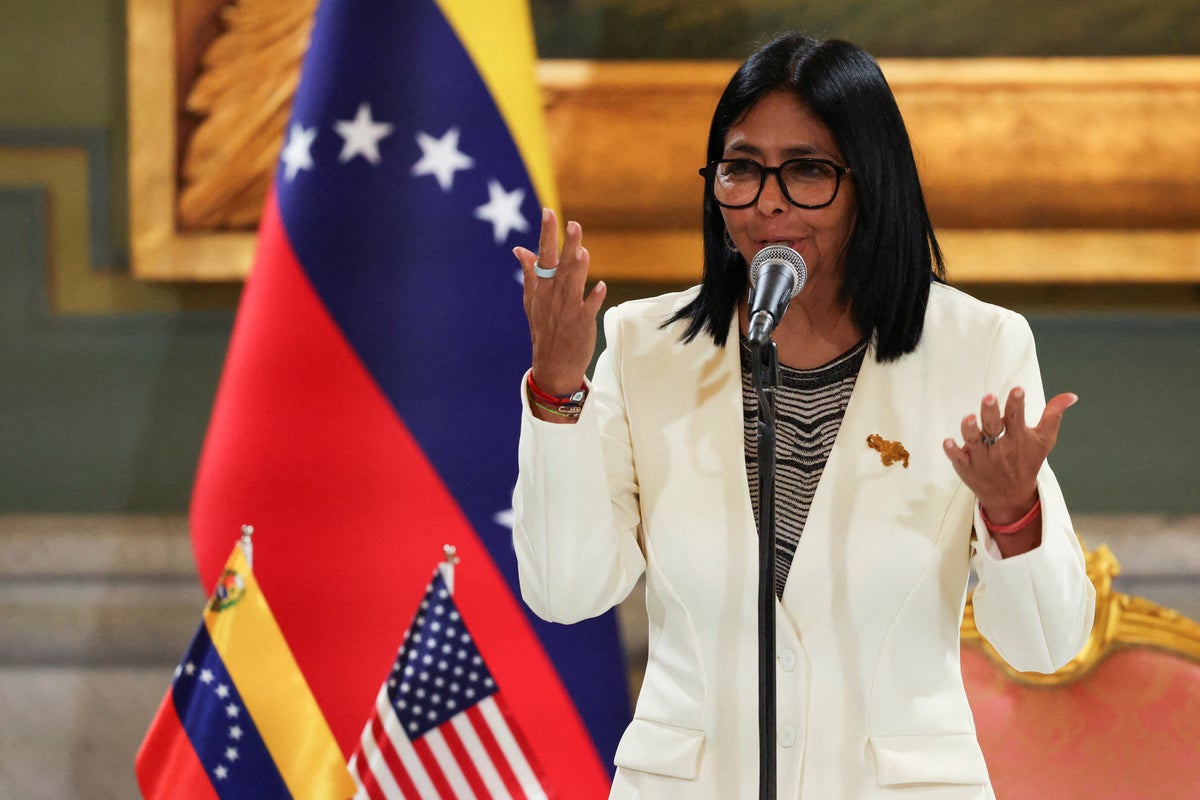
Rep. Maria Elvira Salazar (R-Fla.) on Sunday called Venezuela’s interim president, Delcy Rodríguez, a “necessary evil” until the Latin American country can have free and fair elections. Salazar defended Trump’s decision to meet with Rodríguez in New York City, while Trump is present for the annual United Nations General Assembly. She told CBS News’s Margaret…

The HillThe HillRyan Mancini20 Sept

Venezuela: Reform Needed for Rights Progress

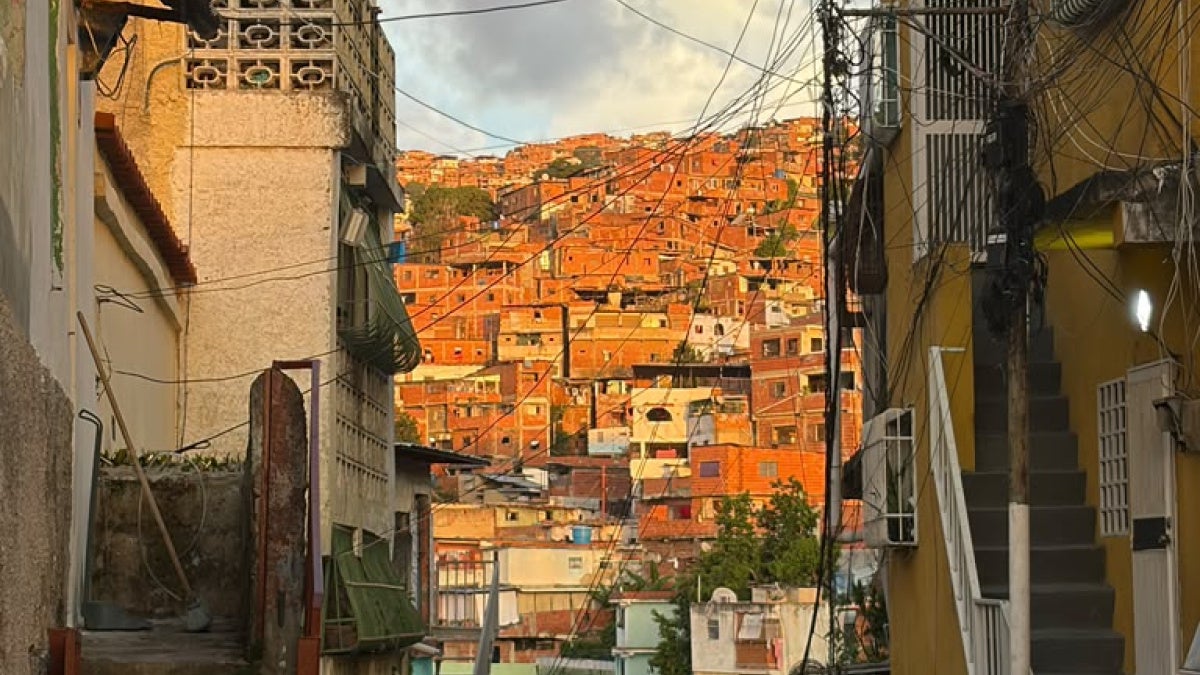
Click to expand Image Petare, a low-income neighborhood on the outskirts of Caracas, Venezuela, September 17, 2026. © 2026 Human Rights Watch (Washington, DC) – Venezuela needs to take urgent measures and carry out institutional reforms to protect people’s basic rights, Human Rights Watch said today, following its first official visit to the country since 2008. Human Rights Watch visited Caracas this week and met with interim President Delcy Rodríguez, other government officials, human rights groups, journalists, relatives of political prisoners, foreign diplomats, and others. Staff also visited Petare, a low-income neighborhood on the outskirts of Caracas. During its previous high-level visit, in 2008, Venezuelan authorities detained Human Rights Watch staff after they released a report and expelled them from the country. “Interim President Delcy Rodríguez has overseen a pause to the most overt forms of repression in Venezuela,” said Federico Borello, deputy executive director at Human Rights Watch. “But in this fragile political moment, these gains will only become sustainable with robust institutional reforms and the release of all political prisoners.” Rodríguez assumed office following the United States’ capture of then-President Nicolás Maduro on January 3, 2026. Since then, Venezuelan authorities have released hundreds of political prisoners, passed an amnesty law, unblocked some media websites, and announced measures to reform the judiciary. Human rights activists, opposition leaders, and journalists told Human Rights Watch that they are much freer to carry out their work. Some said they have left their hiding places after more than a year or reported for the first time on the arbitrary arrest of their loved ones. On September 18, Venezuelan authorities closed a criminal case against Carlos Correa, executive director of the free-speech organization Espacio Público. However, at least 344 political prisoners remain behind bars, according to Foro Penal, a Venezuelan human rights group, and many others remain under house arrest or are experiencing other restrictions. These include people who were detained for exercising their freedom of expression and people who have been tortured or have suffered gross due process violations. Others who were arbitrarily detained have experienced extortion from judicial officials, prosecutors, and others. Venezuelan authorities should promptly and unconditionally release all people arbitrarily detained, Human Rights Watch said. Authorities have continued, in a small number of cases, to detain critics for short periods. On September 18, Venezuelan authorities detained Javier Oropeza, a former opposition mayor who recently returned to the country. He was released a few hours later. Relatives of political prisoners said that some detainees are still being mistreated behind bars, in particular in the Rodeo I prison in Caracas. Human Rights Watch has documented torture and inhumane conditions of detention in Rodeo I. The closure of Rodeo I would send a powerful signal that the authorities intend to break with the government’s brutal legacy of abusive detention practices. Venezuelan authorities should ensure humane detention conditions for all detainees, Human Rights Watch said. They should also allow international experts, such as the International Committee of the Red Cross (ICRC) and the United Nations Office of the High Commissioner for Human Rights (OHCHR), unfettered access to all prisons and other places of detention. Venezuelan authorities should also amend or repeal laws that have enabled human rights violations, including anti-terrorism and anti-hatred legislation and rules restricting the work of human rights groups and media outlets. As part of a dialogue process with a part of the political opposition, Venezuelan authorities have announced a process to reform the Supreme Tribunal of Justice, the country’s highest court, and the Electoral Council. The destruction of judicial independence in Venezuela in the 2000s enabled widespread human rights violations and establishing an independent and impartial supreme court would be a crucial first step to a much-needed overhaul to the judicial system, Human Rights Watch said. Over the last decade, Venezuelan authorities have also barred opposition candidates from running for office. Broader patterns of repression have also made it impossible for Venezuelans to exercise their democratic rights freely in past elections. “Venezuelans deserve to participate in timely, free, and fair elections,” Borello said. “That requires urgently allowing political opponents to take part in the political process and run for office.” Venezuelan authorities should also overhaul the country’s security forces to curb their continuation of human rights violations, Human Rights Watch said. These measures should include vetting officials responsible for grave human rights violations, ensuring that intelligence agencies are not tasked with criminal investigations, dismantling clandestine detention centers, and establishing clear rules for the use of force. On September 16, the UN Independent International Fact-Finding Mission on the Bolivarian Republic of Venezuela (FFM) released a report warning that the state machinery behind repression remains firmly intact. The UN Human Rights Council should renew the mandate of the FFM for two years, Human Rights Watch said. The humanitarian situation in Venezuela remains dire, exacerbated by the earthquakes in June that killed at least 6,300 people. According to HumVenezuela, a group of organizations monitoring the humanitarian crises in the country, over 18 million people, out of a population of 28.5 million, were already unable to meet their basic needs prior to the earthquake. People in many parts of the country experience daily hours-long electricity blackouts and days-long water shortages, and many said they are increasingly impatient. Human Rights Watch has long expressed concern about the role of US economic sanctions in further deepening the humanitarian crisis in Venezuela. Since Maduro’s ouster, US engagement has focused largely on advancing the Trump administration’s economic goals, at the expense of a robust focus on reforms. “The United States should use its leverage to play a leading role in pushing for meaningful human rights change in Venezuela,” Borello said.

Human Rights WatchHuman Rights WatchHuman Rights Watch18 Sept

Venezuela | Earthquake - Operation Update #3 (MDRVE015)

Country: Venezuela (Bolivarian Republic of) Source: International Federation of Red Cross and Red Crescent Societies Please refer to the attached file. Since the launch of the appeal, the response has been significantly strengthened by bilateral contributions channelled through several Participating National Societies (PNS) and from other partners of the Movement, as well as resources mobilized directly by the Venezuelan Red Cross from the national private sector, companies and individual donors from Venezuela. To ensure that the funding picture accurately reflects both the resources mobilized and the activities being implemented by the entire IFRC Network, the Federation-wide funding requirement has been revised from CHF 55 million to CHF 75 million. This adjustment reflects increased bilateral contributions and the corresponding response activities of Participating National Societies. It does not represent an increase in the IFRC Secretariat funding requirement, which remains unchanged at CHF 50 million. As of 28 August, the IFRC Secretariat funding requirement of CHF 50 million is 39.8 per cent funded including in-kind contributions, hard and soft pledges. The IFRC expresses its sincere gratitude to donors and partners for their support to the response. Additional and timely contributions are urgently needed to enable the Venezuelan Red Cross, with the support of the IFRC, to continue delivering humanitarian assistance, address priority needs in affected communities, strengthen preparedness and response capacities, and support early recovery efforts. Flexible and unearmarked funding is particularly valuable, as it enables resources to be directed to the most urgent and underfunded needs, supports continuity of assistance throughout the recovery phase, and helps ensure that emerging and longer-term humanitarian needs can be addressed effectively. Following the recent publication of Operational Update No. 2, this Operational Update is issued to reflect the adjustments identified through the first review of the Operational Strategy, led by the Venezuelan Red Cross with IFRC support and in consultation with Movement partners. The review considered the current operational context, implementation to date, and the capacities and priorities of the Venezuelan Red Cross, resulting in adjustments to planned activities and indicators. A.SITUATION ANALYSIS Description of the crisis Eleven weeks after the two high-magnitude earthquakes, significant humanitarian challenges persist. The operation continues to address urgent needs while progressively transitioning into the early recovery phase. National authorities, the Venezuelan Red Cross and other humanitarian partners continue to report on evolving needs and implementation outcomes related to primary healthcare, shelter, water, sanitation and hygiene (WASH), food assistance, mental health and psychosocial support, and protection services among affected populations. Official reports by authorities and the humanitarian coordination system to date reflect 6,509 fatalities; 16,740 injuries; 6,462 people rescued; 17,907 people who lost their homes; 190 buildings collapsed; and 856 buildings damaged1. Housing and displacement remains a key concern. As of 28 August2, Venezuelan authorities reported that 60,785 homes have undergone structural evaluation, with 11,001 classified as high-risk and requiring further assessments and intervention. In this light, as part of the government’s recovery and reconstruction plan Gran Misión Venezuela Renace, authorities reported that 377 new public housing apartments have been handed over as replacement for units beyond repair (providing a permanent solution for 1,172 persons), and 1,001 housing units have been repaired (for displaced families encompassing a total of 3,503 persons). Financing has also been made available to the condominium boards of 27 residential buildings and to 400 homeowners for repairs. Overall, around 13,796 housing units are expected to require support for repairs in La Guaira, Caracas, Miranda, Aragua, Carabobo, Yaracuy and Falcón States; 73 per cent of which are apartments (10,062) and 27 per cent of which are single or double-family homes (3,734). Governmental support for interim solutions also continues through the operation of 107 temporary accommodation sites with capacity for 28,223 people, currently hosting around 24,477 people, primarily in La Guaira, Distrito Capital, Miranda and Aragua states. In addition, two large scale stadiums have been adapted to accommodate 1,200 persons as transitional solution for families who had been staying in schools, to prevent disruptions in the academic year while offering a dignified and safe transitional option. Humanitarian actors continue to work alongside authorities to support residents with essential services and assistance during their stay in the network of shelters3. Authorities are also advancing in the construction of additional housing complexes to be assigned free of cost for families with homes beyond repair, including new developments La Guaira State. A special tribunal has also been established under the judiciary to handle any contentious claims of land and property rights for the population displaced by the earthquakes. Housing assessment and debris removal activities also continue in the affected areas. To date, 580,000 tons of rubble have been removed (28.61 per cent of the total estimated earthquake-generated debris). The Presidential Commission for the Evaluation of Housing and Infrastructure Habitability continues secondary assessments as needed, and has received bilateral support from countries like Japan, whose JICA commission advanced bilateral technical support to the authorities in the past week. The website for self-registration of citizens to report any additional damage to their infrastructure and request technical visits also continues to operate in order to ensure all units are identified immediately should they pose any kind of risk4. Technical manuals for repair and shoring have been made available, incorporating the official guidelines developed by the technical committee of the Presidential Commission for the Evaluation of Infrastructure Habitability to guide interventions on the earthquake-affected buildings5. Health services continue to require support in the affected areas. Numerous health facilities have sustained structural damage, while shortages of medicines, medical equipment, and health personnel continue to place pressure on service delivery. Humanitarian organizations continue supporting essential healthcare, including maternal and reproductive health services, while public health surveillance activities continue to monitor potential health risks. Authorities have provided medical attention to over 20,000 persons with injuries in the immediate aftermath of the disaster, to support with chronic illnesses for those in temporary shelters. A commission was also set to ensure birth certificates, identification and protection services continue to be proactively offered to children and vulnerable populations in interim housing solutions, bringing services from the national protection network of authorities and civil society, as well as UNICEF support. Mental health and psychosocial needs remain significant as the response moves towards early recovery. The loss of loved ones, displacement, loss of homes and livelihoods, aftershocks and housing uncertainty may prolong distress and disrupt family and community support. Needs extend beyond health facilities and require attention across communities and temporary camps, including for groups requiring adapted support and for staff and volunteers exposed to sustained stress. Continued basic and focused psychosocial support, psychological support and safe referrals to specialized services remain essential throughout recovery.

ReliefWebReliefWebInternational Federation of Red Cross and Red Crescent Societies18 Sept

Venezuela: Water emergency - DREF Operational Update (MDRVE014)

Country: Venezuela (Bolivarian Republic of) Source: International Federation of Red Cross and Red Crescent Societies Please refer to the attached file. Description of the Event Date of event 06-03-2026 What happened, where and when? The Bolivarian Republic of Venezuela is currently experiencing a major crisis affecting basic services in its eastern regions, particularly in the states of Sucre and Nueva Esparta. This follows the formal declaration of a Critical Water Emergency in the Official Gazette of the State of Sucre No. 3,247, dated 5 March 2026. This measure responds to a large-scale structural failure in the Turimiquire collection and distribution system — the most important strategic infrastructure in eastern Venezuela — which supplies drinking water to the continental area of Sucre State (covering the municipalities of Sucre, Bolívar and Cruz Salmerón Acosta) and the island area. The system affects 45% of the population of Margarita Island in the state of Nueva Esparta, which depends on its underwater branch via a complex network of underwater pipelines and aqueducts. According to the technical report by the regional hydrological agency (Hidrocaribe), dated 3 March 2026, a rockslide at kilometre 7.6 of the 12.5 km transfer tunnel caused an obstruction of 82% of the tunnel's capacity. This drastically reduced the system's response capacity from 5,000 litres per second to 1,100 litres per second. This explains why there is not enough pressure in the water supply to reach the 'high areas' of Sucre and Nueva Esparta. According to the media and local authorities, the collapse has been directly attributed to aftershocks and ground instability caused by an earthquake recorded in the region on 22 February 2026. This earthquake weakened infrastructure that was already compromised by decades of use, according to official spokespeople, including Governor Jhoanna Carrillo. This emergency has had a negative multidimensional impact, affecting the lives of approximately 95,108 families in one of the three affected municipalities in Sucre state. It has also compromised access to water for 45% of Nueva Esparta state's population, who depend on the underwater branch of the same system. In health terms, there is an imminent risk of an increase in waterborne and dermatological diseases due to inadequate storage of the resource in open containers and use of untreated alternative sources such as the Manzanares River. The event has led to the suspension of educational, commercial and tourism activities in the city of Cumaná in Sucre State, which are vital to the local economy, while extreme water rationing has undermined general well-being by prohibiting its use for anything other than basic human consumption and hygiene (Sucre State Government, Emergency Decree, 2026). The people most likely to suffer severe impacts from this hazard are those living in the so-called 'high areas' of Cumaná and Margarita Island, where low water pressure physically prevents water from reaching homes, even during emergency pumping cycles (Hidrocaribe, Operational Statement, 03/05/2026). The most vulnerable groups within these communities include children and the elderly, who are more susceptible to dehydration and viral infections, as well as people with disabilities, who face physical barriers when collecting water from tanker trucks or community sources. Vulnerability is accentuated in families living in poverty who lack the financial resources to purchase water from private suppliers, whose prices have escalated due to high demand (Public Expenditure Observatory/Local Reports, 2026). The Turimiquire system has historically had chronic weaknesses, with leaks documented over the last 30 years. In July 2023, a critical incident occurred when an eight-metre underground leak caused the collapse of the western branch of the underwater aqueduct, leaving thousands of families in Margarita without access to this basic resource. This demonstrates that the current event is not an isolated incident, but rather the culmination of systematic structural deterioration, requiring major engineering intervention to prevent total collapse of the sanitation system in the eastern region (Historical Archive of Water Infrastructure / El Sol de Margarita, 2023–2026). The Red Cross has mobilized following the declaration of a water emergency, conducting initial needs assessments with local staff and mobilizing national personnel since 6 March 2026, in addition to identifying potential sites for the installation of water treatment plants and coordinating with local authorities who have requested support from the branches to supplement the response plan. During March and April 2026, the Ministry of Popular Power for Water Attention (MinAguas) and the government of the state of Sucre carried out the physical sediment removal phase. The works included the use of heavy machinery recommended by the National Scientific Council for deep excavation. The operational process recorded critical occupational safety complications; at the end of March 2026, an internationally coordinated rescue operation was carried out to extract eight specialized technicians who were temporarily trapped and isolated inside the Transfer Tunnel due to residual ground instability. Although the workers were rescued safe, the event forced a slowdown in the progress of clearing 82% of the original rock blockage. Faced with extreme rationing and low pressure in the Turimiquire submarine pipeline, local authorities in Margarita Island (Nueva Esparta) adjusted their response strategy by shifting toward autonomous, island-based systems: - Activation of desalination plants: In key municipalities such as Santiago Mariño (Porlamar), the local mayor’s office reported the reactivation and conditioning of local desalination infrastructure to inject an estimated flow of up to 80,000 liters of drinking water per day directly into the system. - Community distribution: The water processed by coastal desalination plants is being distributed exclusively through tanker truck fleets in the most vulnerable sectors of the island, gradually attempting to reduce immediate dependence on the damaged submarine aqueduct. Meanwhile, the Government of Sucre implemented strict regulations through complementary decrees, establishing: - An absolute ban on the use of hoses for cleaning sidewalks, facades, or non-essential commercial activities. - A total restriction on vegetation and solid waste burning, due to the regional fire department lacking a regular water supply necessary to respond to forest or structural fires. - The deployment of permanent contingency plans based on tanker truck routes coordinated by local municipalities, prioritizing supply to health centers and critical communities, although residents in “high-altitude zones” continue to report severe distribution failures. By the end of May 2026, the water emergency in eastern Venezuela had exceeded 80 continuous days without the regular restoration of piped drinking water services. The scope of the contingency increased compared to initial estimates: according to local media monitoring reports and civil protection updates, the number of affected people rose to an estimated 210,000 families (approximately 840,000 people) across the mainland areas of Sucre and the sectors of Nueva Esparta directly dependent on the pipeline. The severity of the structural collapse prompted formal intervention from multilateral agencies due to documented health risks. In May 2026, the United Nations (UN) formally allocated USD 2 million specifically aimed at the technical rehabilitation of the Turimiquire infrastructure and the provision of community water purification supplies for affected families.

ReliefWebReliefWebInternational Federation of Red Cross and Red Crescent Societies18 Sept
R

Major disasters disrupted education for at least 13 million children in six countries in three months as Venezuela reopens schools

Countries: Venezuela (Bolivarian Republic of), Colombia, Indonesia, Japan, Nepal, Philippines Source: Save the Children CARACAS, Venezuela, 17 September 2026 – Education was disrupted for about 13 million children over the past three months as Nepal, Japan, Colombia, Venezuela, Indonesia, and the Philippines were all hit by major natural or climate disasters such as earthquakes, floods, or wildfires , said Save the Children. In many countries where the disasters stuck, classes were in session at the time such as in Nepal where children were forced to flee flash flooding. In others, schools were approaching the end of year holidays such as in Venezuela where pupils return to class this week and learning disruptions are only now being felt. Analysing various data sources, Save the Children looked at the impact of these disasters over the past three months and estimated that about 13 million children saw their learning suspended, transferred online, reduced or disrupted in other ways, with some continuing to see their education impacted.[1] In Venezuela, students and teachers said that they were feeling anxious as they returned to school for the new academic year following the twin earthquakes that hit the country on 24 June, killing more than 6,500 people. The earthquakes, the most powerful in a century, halted education for more than 21,000 students [2] and disrupted learning for one million**,** or about one in every eight school-aged child, Save the Children said. Teachers from La Guaira, a coastal region badly hit in northern Venezuela, said it was important to continue efforts to ensure that schools can provide supportive environments for children returning after the earthquakes although some schools have suffered structural damage and cannot reopen. Alondra*, 37, a teacher in Venezuela and mother to nine-year-old Emma*, is worried that the disruption will force students into overcrowded schools, affecting both learning quality and recreational opportunities. “My daughter's education is paramount, of course, and I'm not going to take her out of school, especially not because of this [earthquake],” she said. Alondra has been taking Emma to a Save the Children safe space in the months since the earthquake so she can continue learning and playing with other children her own age. Save the Children in Venezuela and its national partners have helped over 93,970 people** since the earthquakes including through psychosocial support, health support, and community engagement activities. The child rights organisation will also start rehabilitating learning spaces and schools and training teachers to support children affected by the earthquakes. Four other powerful earthquakes in Colombia, the Philippines, Indonesia and in Japan disrupted education for about 4 million children out of the 13 million children. A 7.8 magnitude earthquake struck the southern Philippines on 8 June, the first day back to school after the country’s summer break, disrupting education. Since then, Save the Children has reached more than 8,800 people, including 3,900 children, providing support including household items, hygiene kits and temporary learning spaces. Floods brought about by this season's monsoon in the Philippines also affected nearly 7 million students who saw classes suspended including in the capital Manila and several provinces, on and off, for almost two weeks, while almost 900 schools sustained damaged.[3] Tatiana Betancourt, an education officer at Save the Children Colombia, said: “Families temporarily settled in spaces that do not have adequate security and protection conditions affecting educational institutions, limiting children's and adolescents' access to safe learning spaces. Emotional effects on children, caregivers and families include fear, stress and uncertainty generated by the emergency.” In Colombia, the earthquake’s damage to education infrastructure disrupted access to education for over 1 million children and compounded pre-existing poverty. While about 80% of children have returned to learning through partial, hybrid, or alternating attendance, more than 300,000 children are estimated to be facing heightened protection risks, including recruitment by armed groups. [4] Save the Children in Colombia is focusing on supporting the safe return to schools wherever feasible and is supporting temporary learning arrangements through local education partners including temporary learning tents in affected areas such as Chocó. Flash floods in Nepal in August which hit as children were either on their way to school or starting their lessons, killed at least 1,350 people with about 4,800 still missing.[5] While some schools closed by the floods in Nepal have begun to reopen, many displaced children are not currently able to attend classes as they are not registered for schools in areas they moved to. Save the Children has supported more than 6,000 people across Nuwakot, Dhading and Rasuwa districts with essential items and has set up two temporary learning spaces to help children learn. In Japan, Save the Children set up child friendly spaces to provide children with a safe environment to play and recover following the 28 July earthquake in Kumamoto Prefecture, southern Japan, among other support. When disasters or climate emergencies disrupt children’s education, as they have for children in Nepal, Venezuela, Colombia and elsewhere this summer, children must be able to continue their education through crisis. Governments also need stronger, more inclusive, and resilient education systems that can last. Save the Children is calling on world leaders gathering in New York for the UN General Assembly this month to pledge at least US $5 billion to the Global Partnership for Education to help reach about 750 million children across 96 countries by 2030 by strengthening education systems. The child rights organisation is also calling on leaders to pledge US$600 million this November for Education Cannot Wait, so children in crisis can continue learning. *Names changed for anonymity References: **As of 11 September 2026. Methodology: Over 13 million figure is based on looking at major or high-profile disasters between 1 June and early September where there was a publicly reported impact on education. Disasters included earthquakes in Venezuela (1 million children’s education impacted) ; Colombia ( 1 million ) Indonesia ( over 116,000 ), Japan (about 200,000) and the Philippines ( 3 million ), wildfires in Indonesia ( 1.4 million ), monsoon flooding in the Philippines ( 6.8 million ) and flash floods in Nepal ( 19,000 ). For Japan, the number of children with disrupted education is estimated based on data from Ministry of Education, Culture, Sports, Science and Technology (MEXT) on 650 affected schools, using the average number of students per school in Japan. [1, 5] NEPAL: https://www.unocha.org/publications/report/nepal/nepal-rasuwa-flood-situation-report-no-7-8-september-2026 [2] Save the Children Rapid Needs Assessment (RNA) August 2026 + UNICEF assessment indicates that more than 432 schools suffered physical damage to their infrastructure. In the state of La Guaira, out of the 290 public and independent schools surveyed in the coastal area, 62 sustained structural damage or suffered total physical collapse. [3] EDCOM 2 - The Second Congressional Commission on Education: https://www.facebook.com/edcom2ph/posts/pfbid0xPVJkvHr9HAYRbofaMZcX3kDNtVcqeiHiq3yCtUSd2pSiYpwMCBMcxMoGrq1GH5fl [4] IRC, 14 Aug 2026: https://www.rescue.org/press-release/irc-launches-health-child-protection-response-colombia-earthquake-death-toll-rises

ReliefWebReliefWebSave the Children18 Sept