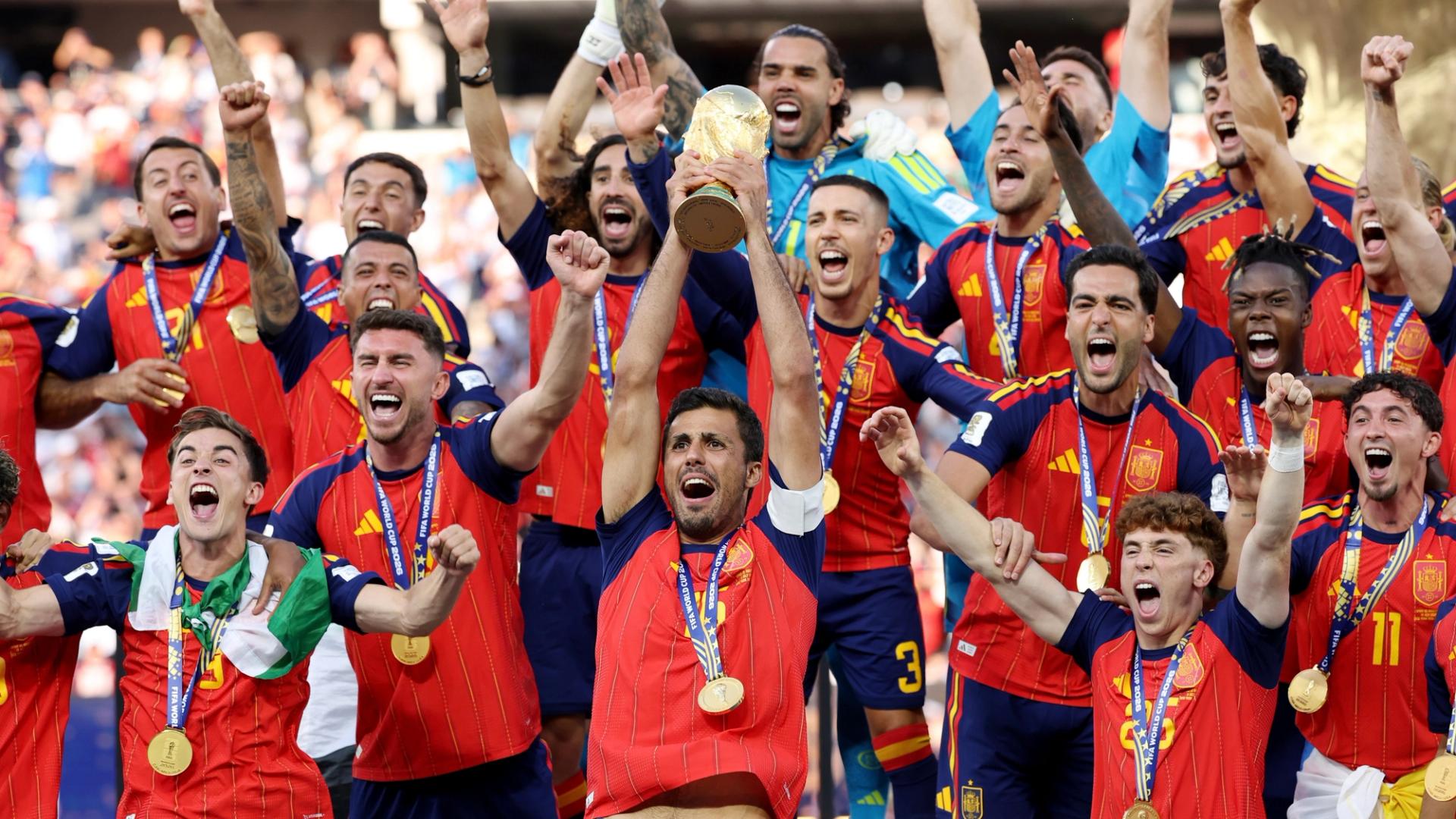
South America’s limited role in the 2030 World Cup is a centenary snub, at least symbolically
The limited role of South America in the 2030 World Cup highlights ongoing geopolitical dynamics and the evolving landscape of global football.

The limited role of South America in the 2030 World Cup highlights ongoing geopolitical dynamics and the evolving landscape of global football.

Premier League clubs face potential performance dips and injury risks due to the tight post-World Cup schedule and player fatigue.

Kuaishou Gaming's rapid ascent highlights the shifting dynamics in esports, emphasizing the growing influence of new entrants and mobile gaming.

The Bernabu's potential to host the 2030 World Cup final highlights the interplay of sports, politics, and historical prestige in global events.

Forln's dual role could rejuvenate Uruguay's football identity, fostering a seamless transition from youth to senior levels amid rebuilding.
July was the month the market caught its breath. After a June defined by a hawkish Fed surprise, a broken ETF cycle, and one of Bitcoin’s worst monthly candles in years, July delivered the opposite script: a steady grind higher, a World Cup campaign that closed out on schedule, a tennis debut at Wimbledon, and

FIFA's internal discord over commercial rights highlights governance challenges and potential shifts in sports financing and stakeholder influence.

Polymarket's strategic partnerships enhance its credibility and position it to capitalize on increased soccer interest during the 2026 World Cup.

Snap's revenue boost from World Cup ads highlights the potential for major events to drive social media ad growth, despite user base challenges.

The 2026 FIFA World Cup pushed prediction markets into one of the fastest-growing corners of finance, driving record trading volume, fees, transactions, and open interest as millions of traders flocked to platforms to wager on match outcomes and tournament milestones. Prediction markets allow people to buy and sell contracts tied to the outcome of future […]

The absence of crypto in Mexico City's World Cup preparations signals a shift in sports sponsorship trends, impacting future crypto investments.

Prediction markets Kalshi, Polymarket and Polymarket US reached $50.6 billion in July volume as World Cup trading drove a monthly record.

FIFA's ambitious revenue goals and blockchain ticketing could reshape sports economics, but risks include pricing out fans and market volatility.

World Cup betting activity peaked around major knockout matches, with markets ranging from match outcomes to player-specific outcomes.

Infantino's stake sale proposal risks undermining FIFA's integrity, sparking widespread opposition and threatening football's cultural heritage.

Internal dissent and confederation opposition highlight governance challenges, risking FIFA's credibility and complicating future commercial ventures.

FIFA's plan faces backlash, highlighting tensions over commercializing sports governance and potential shifts in global soccer power dynamics.


Chainalysis says the World Cup generated $20 billion in prediction-market volume, involving 400,000 wallets and $24 million in NFT trades.
The 2026 FIFA World Cup generated $20 billion in prediction market volume, with the US and China contributing the largest country-level flows, according to new Chainalysis research published Thursday. More than 400,000 wallets placed on-chain bets on the tournament. World Cup markets accounted for roughly 63% of all prediction market activity during the event. World