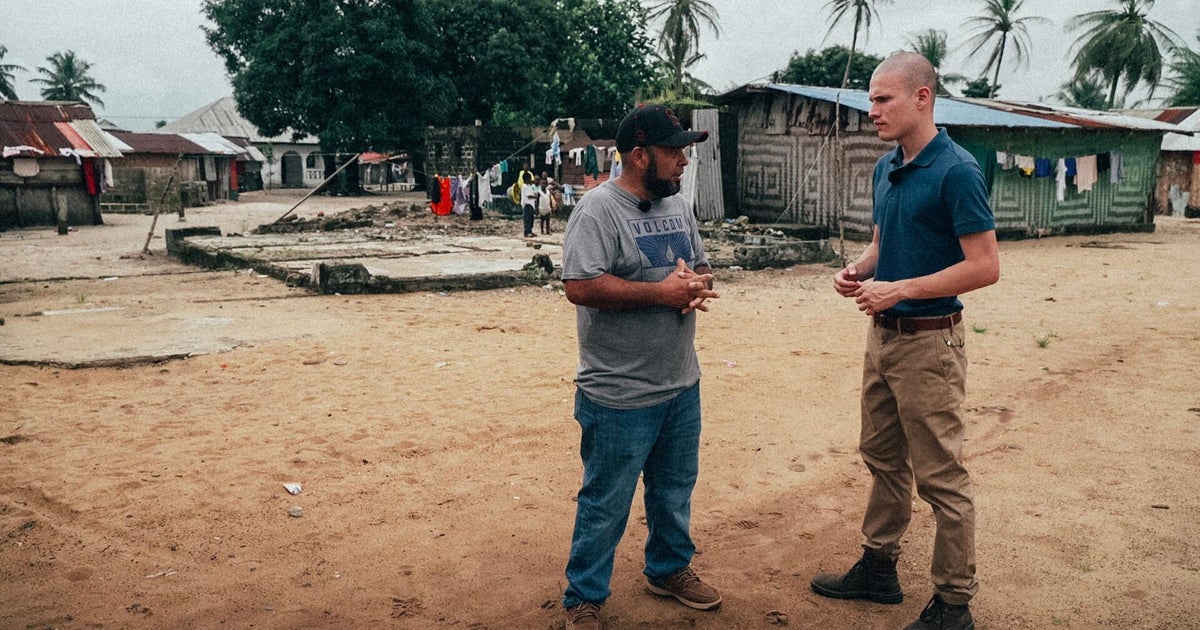
ICE deportees in Africa describe being stranded "on the other side of the world"
CBS News traveled to Liberia to speak to some of the Latin American deportees banished to Africa under President Trump's immigration crackdown.
CBS News traveled to Liberia to speak to some of the Latin American deportees banished to Africa under President Trump's immigration crackdown.

The Trump administration ramped up its "third country" deportations last month, sending a group of migrants to the West African nation of Liberia. Camilo Montoya-Galvez traveled there to hear some of their stories.

The World Athletics Championships are heading to Africa for the first time after Kenya's capital Nairobi was confirmed as host of the 2029 edition, with London missing out.
 Sky Sports15 Sept
Fin.com raised $20M to expand stablecoin payment infrastructure across South Asia, Africa and the Middle East, backed by Expa and Coinbase Ventures.

London has lost out to Nairobi in its bid to host the 2029 World Athletics Championships, which will be held in Africa for the first time.
 Sky News15 Sept
Country: Ethiopia Source: World Health Organization Around 30 participants and experts from Africa, the Eastern Mediterranean Region, and Europe gathered in Addis Ababa, Ethiopia, for a four-day workshop designed to strengthen multidisciplinary collaboration for outbreak response. Provided by the Robert Koch Institute (RKI), with technical and operational support from the World Health Organization (WHO), the workshop was organized within the framework of the Emergency Medical Teams (EMT) initiative. It brought together professionals from diverse fields and backgrounds, creating a valuable platform to exchange experiences, build trust, and explore how different technical capacities can work together to address increasingly complex public health emergencies. Throughout the workshop, participants shared lessons learned from responding to disease outbreaks in different contexts. Discussions highlighted the importance of collaboration and coordination among various disciplines and organizations while providing an opportunity for experts to learn from one another's experiences and approaches. The workshop explored the broad range of capacities required for effective outbreak response and examined how these different areas of expertise can complement each other during emergencies. Participants discussed the value of integrating technical, operational, environmental and social perspectives to support more comprehensive and effective responses. Practical learning formed an important component of the programme. At the Regional EMT Training and Knowledge Hub, participants took part in hands-on water filtration and water quality testing exercises. These activities demonstrated the critical role of environmental health interventions in outbreak settings and provided an opportunity to apply technical knowledge in realistic operational scenarios. Sessions also focused on the contributions of anthropology and the One Health approach to outbreak preparedness and response. Through interactive and practical exercises, participants explored how social, cultural, environmental, animal and human health factors intersect and influence disease transmission. The discussions emphasized the importance of understanding communities, behaviours and local contexts while addressing infectious disease and zoonotic outbreaks. A significant portion of the workshop was dedicated to strengthening the outbreak response network and identifying ways to enhance future collaboration. Participants examined barriers and enabling factors that influence multidisciplinary cooperation and discussed practical actions to foster stronger partnerships, information sharing and coordinated responses across regions and sectors. A defining feature throughout the workshop was its focus on looking beyond clinical care and recognizing outbreak response as a comprehensive, multidisciplinary effort. Participants were encouraged to think beyond traditional emergency response models and explore how different capacities can be connected to achieve better outcomes during public health crises. “Effective outbreak response requires much more than clinical expertise. It depends on strong collaboration across disciplines, sectors and regions. This workshop provided a valuable opportunity to build trust, strengthen professional networks and better understand how diverse capacities can work together to respond to increasingly complex public health emergencies,” said Senait Tekeste, Acting Team Lead for Emergency Preparedness and Response (EPR), WHO Ethiopia. The workshop strengthened regional partnerships and reinforced the importance of trust, collaboration and shared learning in outbreak preparedness and response. The networks established and strengthened during the event are expected to support more coordinated, effective and resilient responses to infectious disease outbreaks in the future. Media contacts Alemtsehay Zergaw Gebremichael Communications Officer WHO Ethiopia Email: gebremichaela@who.int
 ReliefWeb•World Health Organization15 Sept
Countries: World, United Kingdom of Great Britain and Northern Ireland Source: Government of the United Kingdom Hundreds of thousands of people around the world will be helped to prepare for extreme weather conditions next year. UK funding will support hundreds of thousands around the world to prepare for droughts, floods and food shortages before they escalate into humanitarian emergencies. Announcement follows devastating extreme weather this year, and will mitigate global impact by helping vulnerable communities protect livestock, reinforce homes and provide support to farmers before disaster hits. Comes ahead of UK Minister for Development speech setting out values-led modern approach to international development. Hundreds of thousands of people around the world will be helped to prepare for extreme weather conditions next year, as the UK steps up support for countries most at risk from El Niño. Up to £15 million is being made available through the Humanitarian Crisis Fund to support anticipatory action in countries most at risk from El Niño. Depending on the season, this includes drought-prone parts of southern Africa, Southeast Asia and Latin America, as well as flood-affected regions of East Africa and South America. UK funding will support practical and proven interventions that help communities prepare for extreme weather. These include vaccinating livestock before drought conditions take hold, reinforcing homes ahead of flooding, and providing cash support to farming families so they can buy essential supplies and protect their livelihoods. The impacts of extreme weather are felt everywhere, threatening lives, damaging harvests and disrupting food supplies, in the UK and around the world. As scientists warn a strengthening El Niño could trigger even more severe conditions in the coming months, the UK is acting now to help communities prepare before the worst impacts are felt. Kirsty McNeill, Minister for Development, said: The climate crisis isn’t something that’s round the corner – it’s already here and people need our help right now. The lesson of recent years is simple: climate shocks do not stop at national borders, whether that means extreme weather, pressure on food supplies or rising costs for families, shocks can affect all of us, wherever we live. That is why acting early matters, helping people in vulnerable communities prepare before disaster strikes so we can save lives and reduce suffering. It makes financial sense too - acting now to prepare costs less than picking up the pieces afterwards. Using the best science, forecasting and international partnerships to get ahead of risks before they become crises is a smarter approach to resilience and security. The announcement comes as the Minister for Development sets out her vision for a modern approach to development in a speech at the New Economics Foundation. In the speech, she will argue that the biggest global challenges demand a new focus on “mutual interest and shared resilience”. She will make the case that health security, climate security, economic security, human security, and food security affect us all, and that “the global problems we face today are not ones that any one country can deal with alone”. Around 35% of humanitarian shocks can be predicted in advance, yet less than 1% of global humanitarian funding is currently allocated to anticipatory action. The UK is a global leader in anticipatory action, working with partners to use early warning systems and pre-arranged finance to reduce suffering before it escalates and leading global efforts to scale-up early action before crises hit. Taking action early helps protect lives, reduce suffering and lower the long-term costs of responding to crises after they have escalated. Evidence consistently shows that acting early delivers better outcomes and better value than waiting until disaster has already caused widespread damage. Studies have shown proactive drought responses in the Horn of Africa could have prevented an estimated $2.5 billion in lost incomes and assets. Just as families insure their homes or businesses plan for a downturn, early action is helping to reduce costs and save lives by acting before a crisis takes hold, rather than paying a much higher price afterwards. Alongside efforts to tackle the global impact of extreme weather, the government is taking immediate action to build resilience at home. This includes investing £1.4 billion in flood defences this year as part of the largest flood defence programme in English history, building nine new reservoirs, and announcing a £65 million support package to help British farmers impacted by drought. Lisa Doughten, United Nations Office for the Coordination of Humanitarian Affairs (OCHA), said: In a world of increasing climate and humanitarian risks, we need to move from reacting to getting ahead of them. Anticipatory action based on credible forecasts save lives, reduces suffering and makes every humanitarian dollar go further. Partnerships and investments like this are essential to building a faster, more cost-effective humanitarian system that puts vulnerable communities at the centre. Aditya Bahadur, Director of Red Cross Red Crescent Climate Centre, said: As we approach the breach of the landmark 1.5C temperature threshold, we are set for a future with more frequent and intense, unprecedented events. Every tool in our toolbox needs to be deployed to manage the immense risk that confronts our most vulnerable communities. ‘Anticipatory action’ has proven immensely effective in preventing or reducing impacts on lives and livelihoods. From enhancing food security and reducing loss of livestock to preventing death and safeguarding assets - anticipatory action has consistently proven to be an impactful investment. Christina Bennett CEO, START Network said: When we know a drought is coming, we must not wait for families to lose their crops and incomes before we act. For communities now facing the impacts of El Niño, a small investment made early can make the difference between coping and crisis. Through Start Network’s work, we’ve seen that when support reaches people before a drought takes hold, families are better able to protect their harvests, keep their livestock healthy and put food on the table. Acting early helps people weather hard times with dignity, while reducing the human and financial cost of disaster. Professor Liz Stephens, University of Reading, said: El Niño loads the dice for extreme weather in many regions of the world, and advances in weather and climate prediction mean that El Niño events can be forecast many months in advance. This gives us a lengthy window of opportunity for anticipatory action to support communities to prepare and protect themselves, rather than waiting until disaster strikes and costly emergency assistance is needed. Daniel Clarke, Executive Director, Centre for Disaster Protection, said: Anticipatory action is one of the best-evidenced tools in disaster financing. In Bangladesh, families given cash five days before a flood hit were 62% less likely to go hungry, because they had time to prepare, not scramble to recover after the destruction. Scaling up anticipatory action effectively needs more than money: countries in the lead, backed by donors and investors who are ready to fund it for the long term, not just step in when disaster strikes. BACKGROUND El Niño is a naturally occurring climate pattern that typically occurs every two to seven years. What makes it different this year, which is forecast to be the largest El Niño in living memory, is the high levels of heat in the ocean which, according to the World Meteorological Organisation (WMO), could significantly shift rainfall and temperature patterns worldwide, fuelling extreme weather. The UK is bringing together science, humanitarian expertise and innovative finance to help countries prepare for El Niño before disaster strikes. This new support for anticipatory action, which will be allocated from the Humanitarian Crisis Fund, is one part of a broader UK response. This includes the new FCDO-Met Office partnership to expand access to AI-powered weather forecasting and early warning systems. By combining cutting-edge technology with UK scientific expertise, the partnership will help countries better predict, prepare for and respond to extreme weather events. The UK is working closely with global financial institutions to push for an earlier, better coordinated response and deployment of emergency finance for countries at greatest risk. By investing in early warning systems and pre-arranged financing, we are able to better monitor and respond to the emerging climate and food security risks before they turn into crises. The UK is supporting governments in priority countries to protect food production, livelihoods and markets before crises escalate. This includes shaping the World Bank’s Crisis Preparedness and Response Toolkit, launched in early 2024, which enables countries to access pre-arranged financing and repurpose unused project funds when a shock hits. The UK is working through the Multilateral Development Banks and UN humanitarian system to inform the wider disaster risk finance and insurance agenda to ensure vulnerable countries and communities have the finance and tools they need to reduce the impact of climate-related shocks. The UK-led Sevilla Platform for Action on Pre-arranged Finance aims to increase the proportion of pre-arranged finance within crisis finance from 2% towards 20% by 2035, helping move the international system from reacting to crises towards anticipating and preventing them. Media enquiries Email newsdesk@fcdo.gov.uk Telephone 020 7008 3100 Email the FCDO Newsdesk (monitored 24 hours a day) in the first instance, and we will respond as soon as possible.
ReliefWeb•Government of the United Kingdom15 Sept
Africa’s richest man Aliko Dangote on Monday launched an IPO for his $19 billion Nigerian oil refinery, seeking $1.6 billion from retail investors across the continent. The offering values Africa’s largest refinery at about $49 billion and has drawn both strong investor interest and concerns over its high valuation.

When the $19 billion refinery began production, it transformed the energy-rich country of more than 210 million people from an importer of refined oil into an exporter.

Aliko Dangote launched Africa's largest share sale on Monday, offering 4.1 billion shares of his Nigerian oil refinery at 525 naira each. The offer runs through Oct. 13 and would raise $1.6 billion if fully subscribed, or as much as $2.1 billion if the company exercises its greenshoe option. The sale values the refinery, which processes 700,000 barrels of crude a day, at roughly $47 billion. The refinery has benefited financially from supply disruptions linked to the Iran war, which increased demand for its jet fuel across Africa and Europe. It…
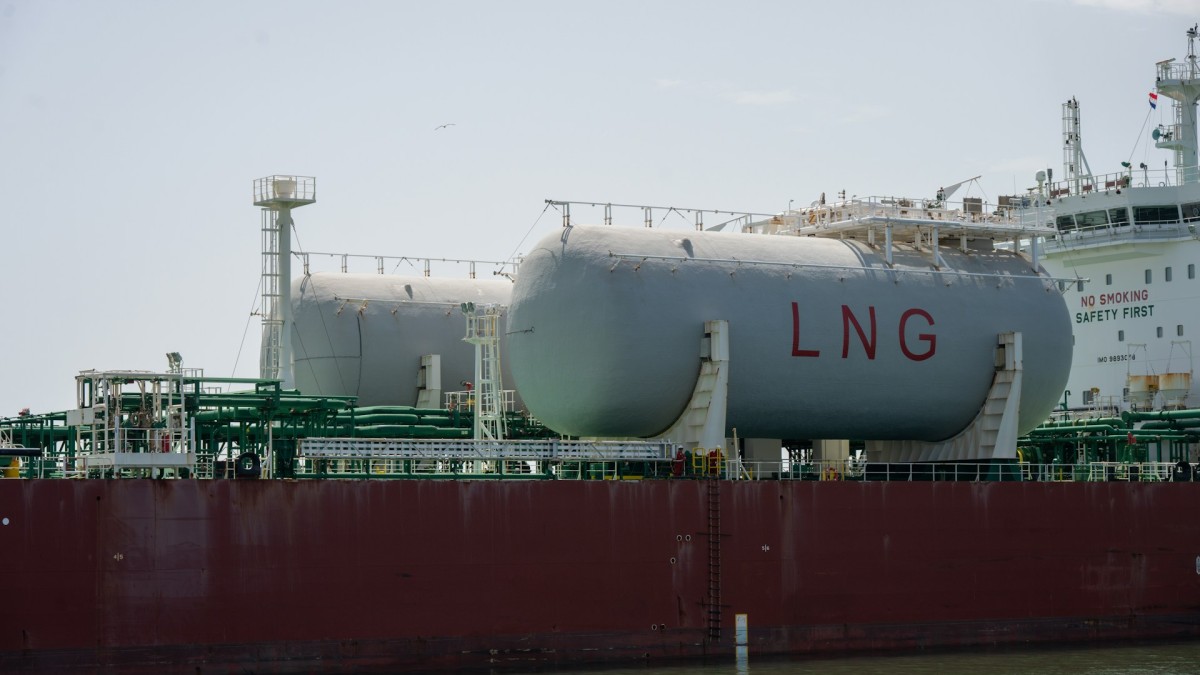
Chevron is looking at expanding its natural gas business and opportunities in Argentina, the Mediterranean, Africa, and Australia, as it aims to offer diversified LNG supply to its customers, Freeman Shaheen, President of Global Gas at Chevron, told Reuters on Monday. The energy crisis in the wake of the Middle East conflict that trapped LNG supply from Qatar and the United Arab Emirates (UAE) has prompted buyers to seek diversification and diverse contracting structures. “What we're seeing from this crisis is that it just reinforces the…

Nigerian billionaire Aliko Dangote says he wants ordinary people to share in the success of his oil refinery.
 BBC14 Sept
Scientists say the record-breaking journey by three brothers offers hope wildlife can survive growing pressures.
BBC14 Sept
Across Africa, people are restoring and managing mangroves, grazing lands and urban green areas in the face of increasing threats from climate change. Increasingly, they make decisions based on climate-related information supplied by governments, funders and researchers.
Public offering of Aliko Dangote’s Nigerian oil refinery business could swell his net wealth by two thirds The fortune of Africa’s richest person could swell by two thirds to nearly $60bn (£44bn) after his refinery in Nigeria listed publicly in the continent’s biggest-ever initial public offering. If Monday’s flotation of Dangote Petroleum Refinery and Petrochemicals goes to plan, then Aliko Dangote will add another $23bn (£17bn) to his $35bn net worth. Continue reading...
 The Guardian•Eromo Egbejule in Abidjan and agencies14 Sept
Etihad’s turnaround has created a new kind of problem as demand outpaces aircraft availability. With China and Africa next, the Abu Dhabi carrier now needs planes to match its ambitions
 Skift Airlines•Peden Doma Bhutia14 Sept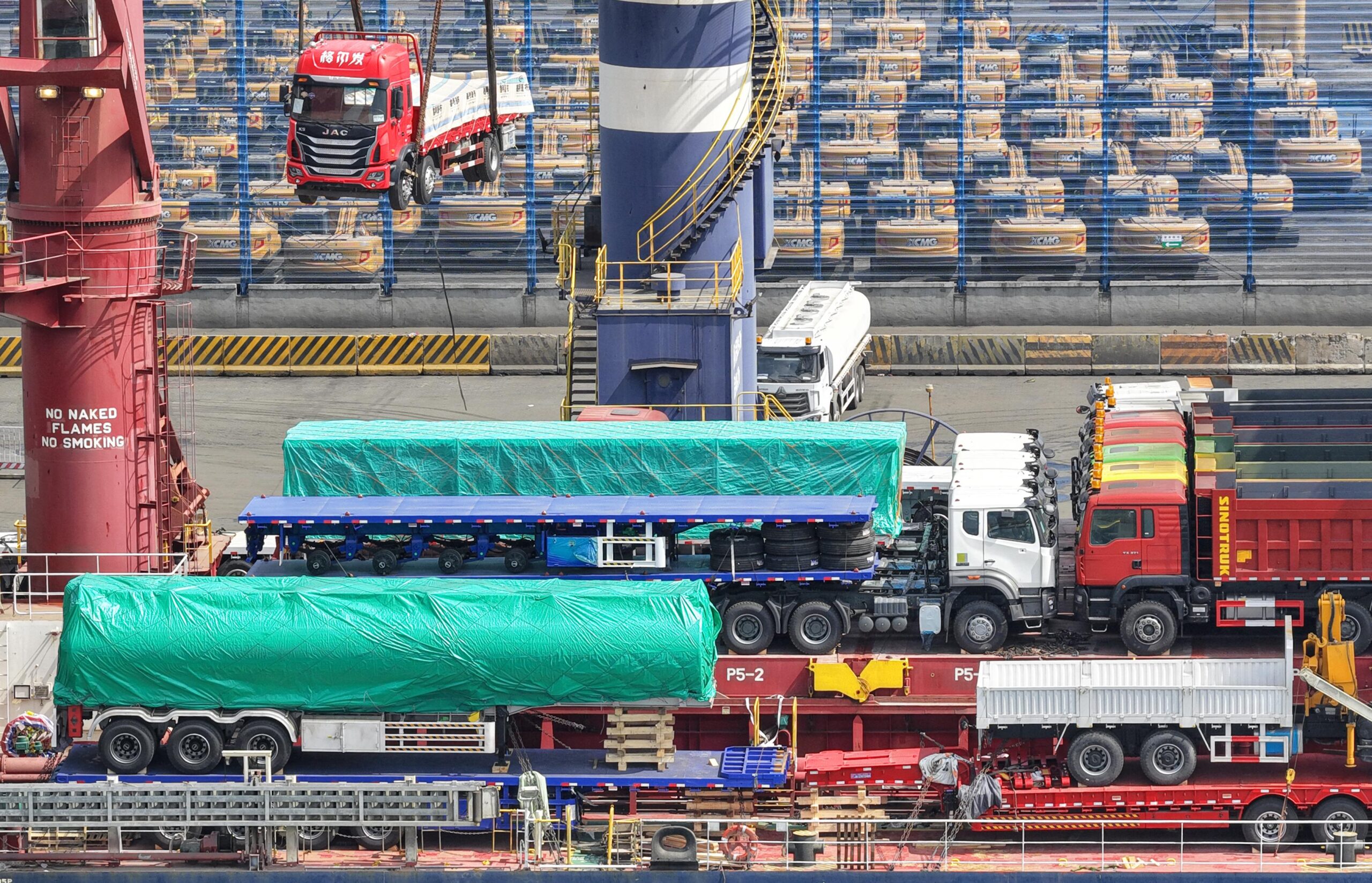
From Angolan oil to Congolese copper, China's economic slowdown is creating new winners and losers across Africa.
 Atlantic Council•Jeremy Smith14 Sept
As Africa prepares for the arrival of a powerful El Niño weather event, an international team of researchers led by the University of Sydney and Imperial College London has found that access to improved forecasts alone will not protect many of the region's poorest livestock farmers from the impacts of climate change.

Dangote's IPO could transform Africa's refining industry, reducing reliance on imports and boosting local economies despite potential challenges.
 CryptoBriefing•Editorial Team14 Sept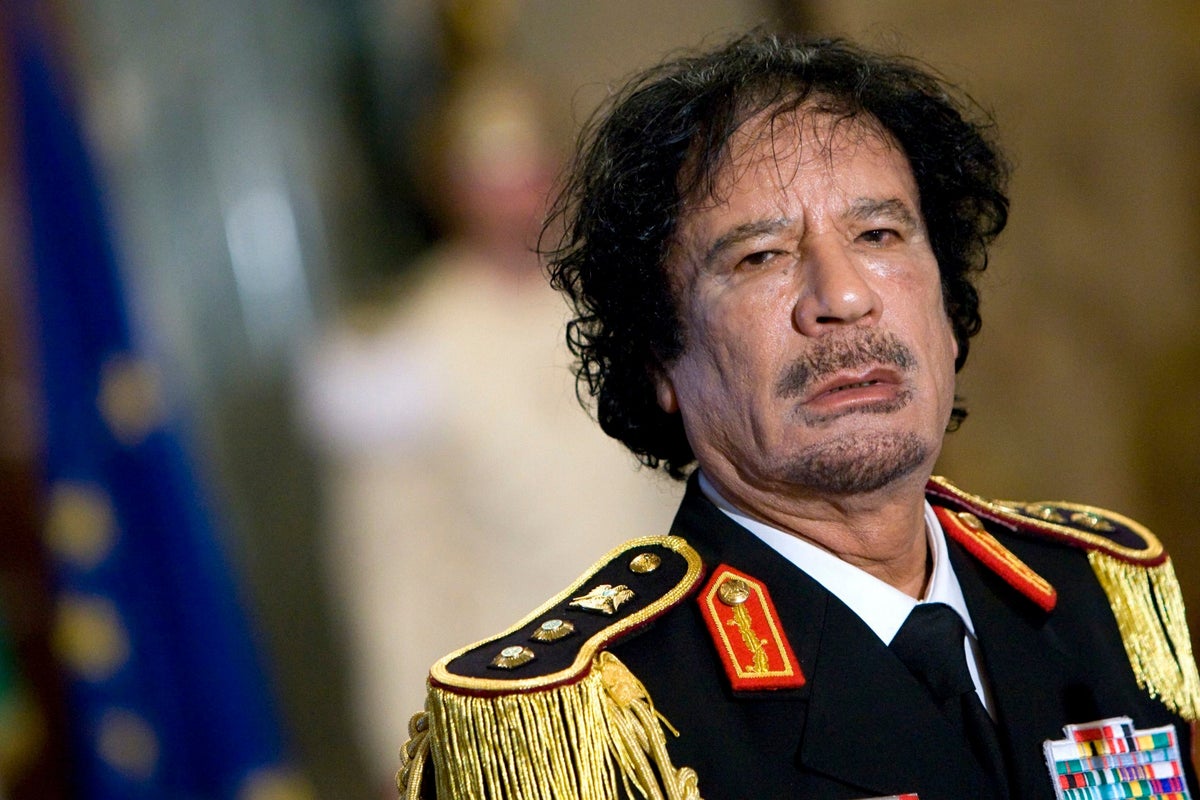
Libya has become a major hub for synthetic drugs and other narcotics on their way to local users and other parts of Africa