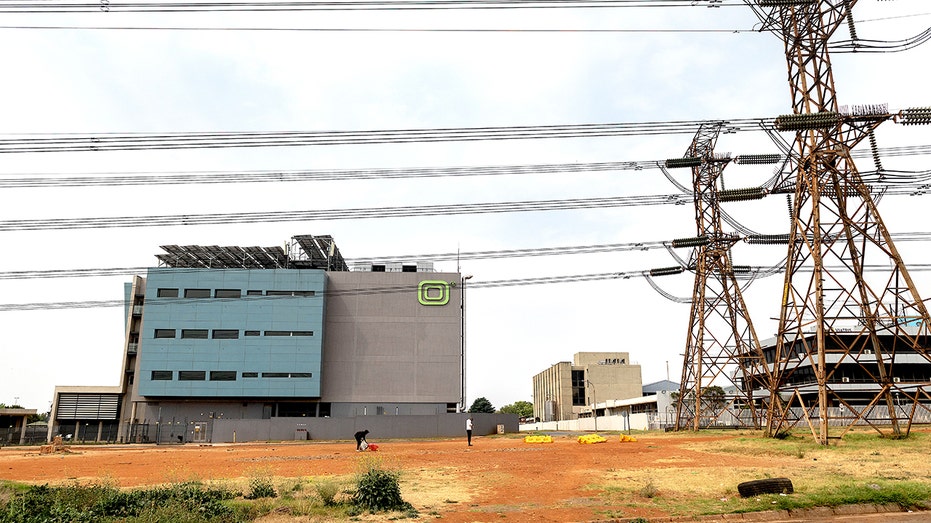
Could Africa be the next AI frontier as US and Europe hit limits?
U.S. companies are winning massive data center and AI deals across Africa, including a $6.2 billion project in Lesotho for hydropower and computing.
U.S. companies are winning massive data center and AI deals across Africa, including a $6.2 billion project in Lesotho for hydropower and computing.

Olympic flame arrives in Senegal for first ever Olympic event in Africa
 Al Jazeera13 Sept
Qatar Airways will expand its global network to more than 170 destinations during the 2026-2027 winter season, reflecting the airline’s network growth and reinforcing its position as a leader in global connectivity. The winter schedule will see Qatar Airways operate more than 186 weekly flights across Africa, Asia Pacific, Europe, the Americas and the Middle East, providing passengers with greater choice and seamless experiences through its award-winning hub at Hamad International Airport.

How should we envision the African city of tomorrow? A city adapted to population growth and climate change, and freed from a colonial past that is still very much present in some places. Africa’s first pan-African architecture biennale, held this week in Kenya, is seeking to answer that question.

Africa’s space ambitions are gathering pace, and Senegal is determined not just to put satellites into orbit, but to build them at home. Senegalese engineers are already mastering satellite manufacturing in France, with the goal of bringing that expertise back to their country and developing a home-grown space industry.
Alleged members of Black Axe criminal network that swindled US women out of $6m flown from South Africa Six Nigerian nationals linked to an organized criminal network that allegedly swindled American women out of more than $6m through online romance scams were extradited to the United States on Friday. South African police confirmed they were to be extradited earlier on Friday, while local news in Africa confirmed that the Directorate for Priority Crime Investigation, known as the Hawks, facilitated their handover to officials from the US Federal Bureau of Investigation and Secret Service at Cape Town international airport, in collaboration with Interpol South Africa. Continue reading...
 The Guardian•Guardian staff and Associated Press12 Sept
International agencies and foreign donors have long driven campaigns to defeat diseases like Ebola. Dr. Jean Kaseya, the head of the Africa C.D.C., wants to change that.
 The New York Times•Ruth Maclean12 Sept
.jpg?width=1200&auto=webp&trim=0%2C0%2C0%2C0)
Trump officials have raised national security concerns regarding Huawei during his first term and pushed to counter its international expansion
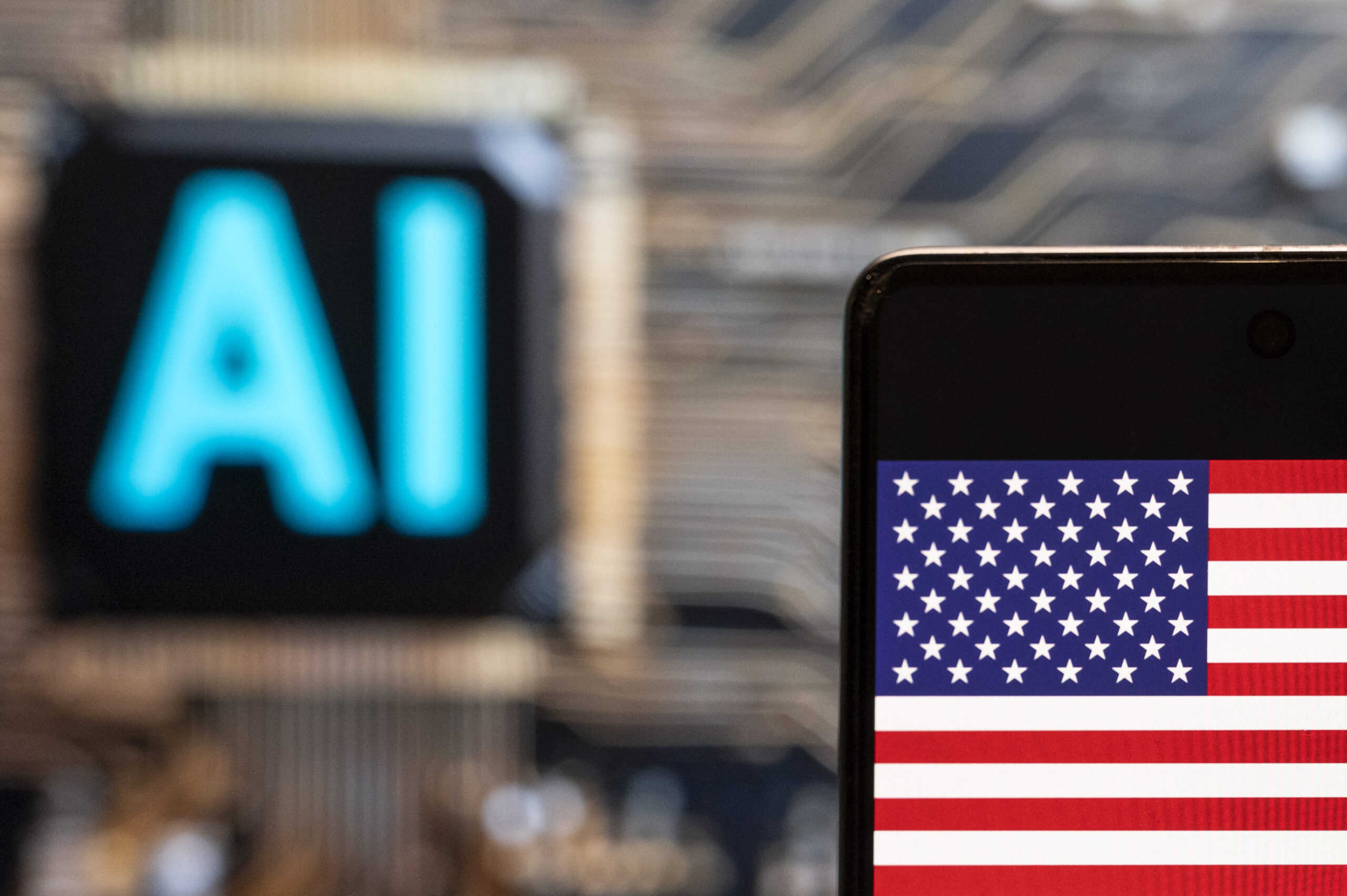
The United States’ chief adversary has a soft power strategy. Why doesn’t Washington?
 Atlantic Council•Troy Fitrell and Kathryn Fitrell11 Sept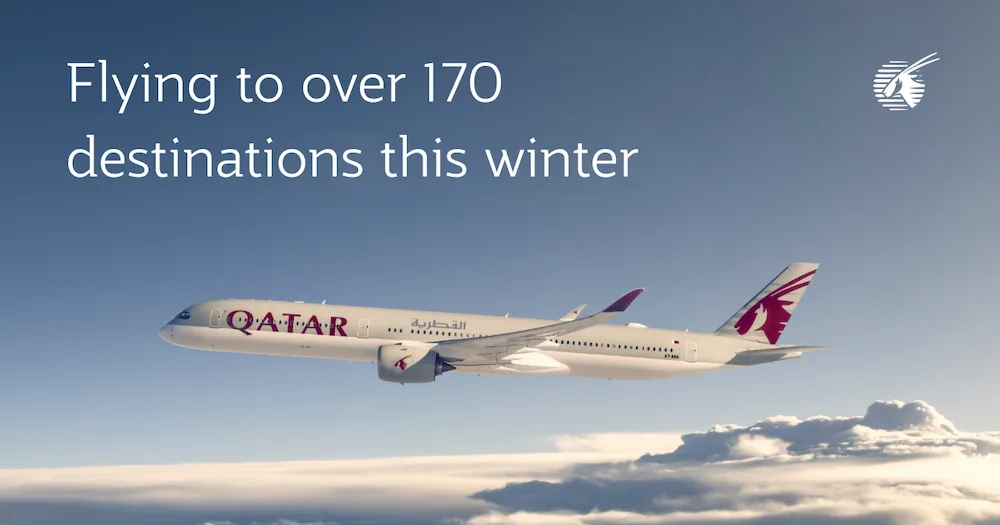
The winter schedule will see Qatar Airways operate more than 186 weekly flights across Africa, Asia Pacific, Europe, the Americas and the Middle East. As part of elevating the in-flight...

Findings on decline of species such as Arctic tern and turtle dove published alongside flyways pledge at Kenya summit One in nine migratory birds are threatened with extinction and 45% of migratory species such as cuckoos, turtle doves and Arctic terns are in decline, according to a global report. The migratory slender-billed curlew was officially declared extinct last year, the first global bird extinction in mainland Eurasia and Africa in recent centuries. Worldwide, seven migratory bird species have been confirmed or are suspected to have become extinct over the last 150 years. Continue reading...
The Guardian•Patrick Barkham11 Sept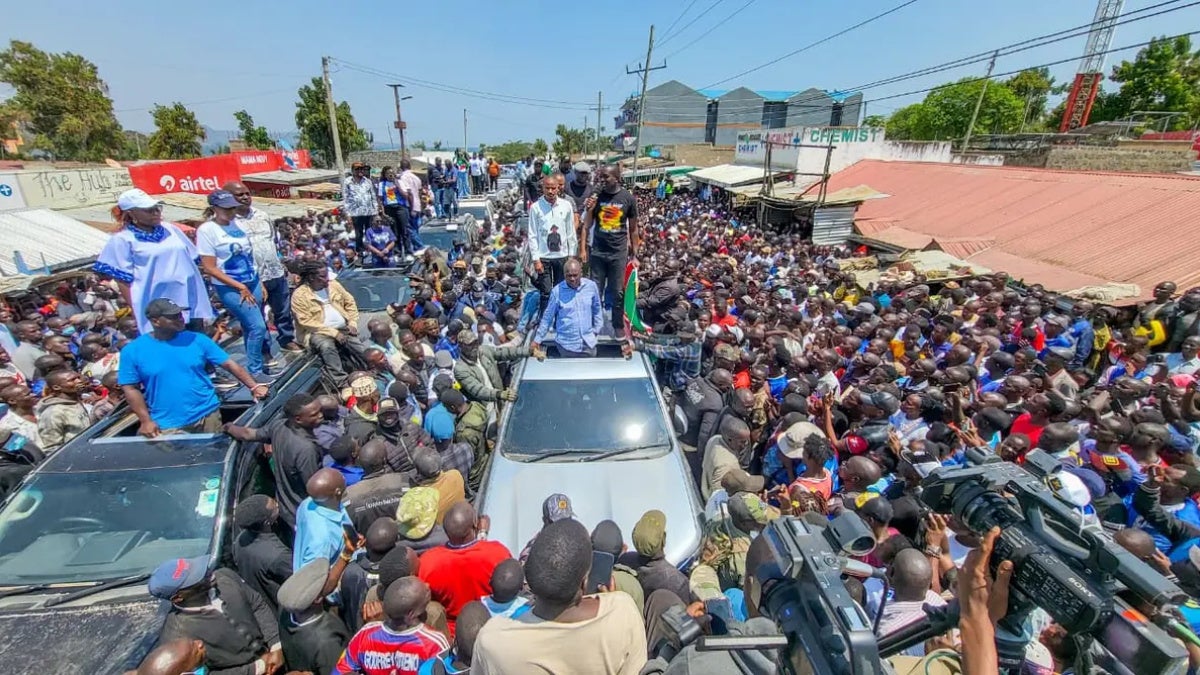
Click to expand Image Opposition politician Edwin Sifuna speaks during a rally in Nyandiwo, Homa Bay county, Kenya, on August 16, 2026. © 2026 Linda Mwananchi Media (Nairobi) – Criminal gangs in Kenya have carried out a spate of violent attacks targeting civil society and opposition gatherings ahead of the 2027 elections, Human Rights Watch said today. The Kenyan authorities should ensure prompt and transparent investigations into the attacks and that people can exercise their political rights without fear of violence. Over the last few months, groups of unidentified armed people have attacked a civil society event and several opposition political gatherings across the country, reportedly killing at least six people and injuring dozens more. The authorities do not appear to have taken meaningful steps to ensure accountability for these abuses. “The spate of violence, as the pre-election period begins, threatens a return to the human rights abuses that have marred Kenya’s previous elections,” said Carine Kaneza Nantulya, deputy Africa director at Human Rights Watch. “The authorities need to break this cycle of violence by ensuring that those responsible cannot act with impunity.” The elections, in which President William Ruto is expected to seek a new term, are scheduled for August 10, 2027. Both President Ruto and opposition candidates have already held rallies across the country, with more planned in the coming weeks. Between August 30 and September 9, Human Rights Watch interviewed 22 Kenyans, including nongovernmental organization workers, journalists, a Kenya National Human Rights Commission commissioner, and political opposition members, who said that the recent violence had created a climate of fear around the elections. On June 12, a group of men violently disrupted a civil society meeting at All Saints’ Cathedral in Nairobi that had been organized to discuss the national budget. Diana Gichengo, the executive director of the Institute for Social Accountability, one of the organizers, said that staff saw about 100 men enter the church, beat participants, and steal their phones and bags. The police said on June 16 that they had arrested five men in connection with the attack, charging them with “participating in an organized criminal group.” The Kenya Human Rights Commission, a nongovernmental organization, reported that on June 16, armed, masked men in at least 10 unmarked vehicles lobbed tear gas at crowds and beat and robbed people, including journalists, during by-elections in Ol Kalou, Nyandarua county. Local media outlets reported that the men beat two residents to death. On July 12, media reported that a group of men armed with machetes and arrows injured several people and killed one person at a church service attended by opposition politicians belonging to Linda Mwananchi (protect the citizen), an opposition movement, at St. Stephen’s Cathedral in Kisumu, western Kenya. Then, on August 16, hundreds of people armed with machetes, guns, and sticks attacked a convoy of vehicles transporting Linda Mwananchi supporters and politicians as they traveled to a planned political rally in Homa Bay town, in western Kenya, killing at least three people. The group beat journalists covering the events and robbed them of personal belongings, including equipment needed to do their work. Agneta Mwangale, a Linda Mwananchi candidate for parliament in the 2027 elections, said that a group of men stopped the vehicle she was traveling in as part of the convoy, broke its windows, and pulled her, along with two passengers and the driver, out of the vehicle. She said the assailants slashed at them with machetes, killing the male passenger. The men took money and phones from her and the other passengers, then set their vehicle on fire, she said. Two witnesses said that although police officers were on the roads on the day, they were not able to contain the violence. Media reported that unidentified people burned a vehicle belonging to another Linda Mwananchi politician, James Orengo, the Siaya county governor, during a rally in Awendo in Migori county on August 30. Orengo posted on X that the unknown people had also “sprayed live bullets” into the car. Media also reported that unidentified people threw a tear gas cannister into the crowd during the same rally. The next day, an unidentified person threw a tear gas cannister into the crowd during a Linda Mwananchi event in Meru town, injuring one man, a witness said. Amakove Wala, also running for parliament representing Linda Mwananchi, said the violence could inhibit women, in particular, from participating in the campaigns: “It [the violence] is fashioned to scare people from going for the rallies and speaking up about what happened to them.” On August 18, the police said they had arrested 27 people in Kisumu and Homa Bay “following the violence witnessed in Homa Bay” and ordered two others to report to the police. They said they would conduct “further investigations” within four days. However, the police have provided no further information on these cases or other arrests connected to gang attacks, raising concerns about whether the authorities are seriously pursuing accountability. Instead, Interior Minister Kipchumba Murkomen, during a speech the week after the violence in Homa Bay, accused opposition politicians of “gathering the goons” the police had arrested. Human Rights Watch contacted the police spokesperson, Muchiri Nyaga, by phone and messaging application to request an update on these cases but did not receive a response. Past elections in Kenya have been marred by widespread violence and rights abuses, with the authorities doing little to ensure accountability. Human Rights Watch documented similar gang attacks in Busia and Bungoma counties during and after the March 2013 elections and found that the authorities had failed to adequately investigate or prosecute those responsible. Kenyan law, including the 2010 Prevention of Organised Crimes Act, places responsibility on the police and the director of public prosecutions to investigate and prosecute those responsible for recruiting, training, and funding gangs. The Independent Policing Oversight Authority is mandated to provide civilian oversight of the police, including holding the police accountable for the performance of their functions. “The escalating violence so early in the campaign season raises serious concerns about the safety and credibility of the elections,” Kaneza Nantulya said. “Kenya’s international partners should urge President Ruto’s government to act now to prevent further abuses and ensure that the 2027 elections are conducted in an environment where everyone can exercise their political rights freely and safely.”
A committee of elders has announced a successor to the late king of Tooro. His family says he had a son who should succeed him.

Uber’s exits from Nigeria and Uganda highlight the growing challenges of making ride-hailing work in Africa.
Al Jazeera11 Sept
Countries: World, Cameroon, Gambia Source: World Health Organization Please refer to the attached file. Foreword Dear colleagues and partners, Noncommunicable diseases (NCDs) continue to place a growing burden on individuals, families and health systems in Africa. Expanding access to quality, integrated care is critical to reducing premature deaths and advancing universal health coverage. In the African Region, WHO and its partners have continued to support countries to strengthen health systems through innovative approaches that bring prevention, diagnosis and treatment services closer to communities. This quarter, the WHO Regional Office for Africa, with support from The Leona M. and Harry B. Helmsley Charitable Trust, held the 3rd International Conference on PEN-Plus in Africa, at which the report Scaling Up PEN-Plus: Expanding Life-Saving Care for Severe Noncommunicable Diseases in Africa was released. The report highlights significant progress, with 20 countries engaged in implementing the PEN-Plus model, services available in more than 120 district hospitals, and over 170 000 patients receiving ongoing care for severe chronic conditions. Country experiences continue to demonstrate the impact of integrated approaches to care. In Cameroon, for example, PEN-Plus is bringing specialized services for conditions such as sickle cell disease, type 1 diabetes and severe heart disease closer to patients. In The Gambia, expanded HPV vaccination efforts through school and community outreach programmes are helping to protect adolescent girls from cervical cancer. WHO is also advancing action on mental health by strengthening countries’ capacities to expand mental health care through regional learning meetings; has launched technical guidance on the oral neglected tropical disease,noma; and is promoting the integration of eye, ear and oral health services into WHO PEN and PEN-Plus platforms.Meanwhile, innovative initiatives such as Women’s Integrated Cancer Services (WICS) and the Cancer Control Reality Lab are strengthening cancer prevention, early detection and integrated cancer care. In this quarterly bulletin, we focus on WHO’s strategic work on the ground and its impact, while looking ahead to the critical next steps for expanding the integration of NCD services in health systems to strengthen the NCD response in Africa, ensuring that no one is left behind. Dr Benido Impouma, Director Health Promotion, Disease Prevention and Control Cluster WHO Regional Office for Africa
 ReliefWeb•World Health Organization11 Sept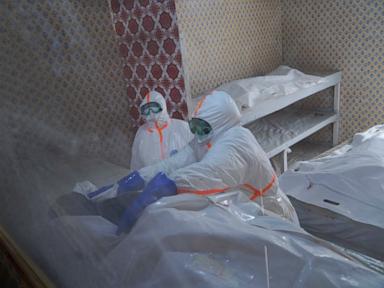
The Ebola outbreak in eastern Congo is spreading rapidly beyond its epicenter, according to Africa's top health body
 ABC News10 Sept
25 years after 9/11, the terrorist group al-Qaeda is no longer the global terrorist organization it once was. Its central leadership has been weakened, but offshoots remain strong across Africa and Asia.
 Deutsche Welle10 Sept
In an interview with FRANCE 24, former football star and current president of the Cameroonian Football Federation Samuel Eto'o spoke about the recent backlash towards FIFA president Gianni Infantino and confirmed he will support him for re-election because of "everything he has brought to African football", adding that the African federations will defend what seems "right to us given the challenges that we face in our own federations".

The biggest May to September of all time was recorded in US cinemas, with the UK enjoying a 56% rise in audiences, outstripped by an 88% lift in the Middle East and Africa As well as celebrating their wedding, the actors Tom Holland and Zendaya have something else to toast: their two summer blockbusters – The Odyssey and Spider-Man: Brand New Day – have officially made box office history. The films were credited as the driving force behind the US’s biggest summer season of all time, taking $4.761bn (£3.51bn) from 1 May-7 September, beating 2013’s $4.756bn. Continue reading...
The Guardian•Catherine Shoard10 Sept
The new ‘true-scale’ map shrinks Europe and North America while enlarging Africa – and depicts the disputed Kuril islands as ruled by Moscow Japan has asked for the revision of a new world map adopted by the UN because it said it made the disputed Kuril islands appear to belong to Russia. The UN general assembly voted on Friday to adopt the new map, which makes the African continent larger while also shrinking North America and Europe, drawing condemnation from the US. Continue reading...
The Guardian•Agence France-Presse in Tokyo10 Sept