First Thing: Oil prices surge as attacks on Saudi Arabia stoke supply fears
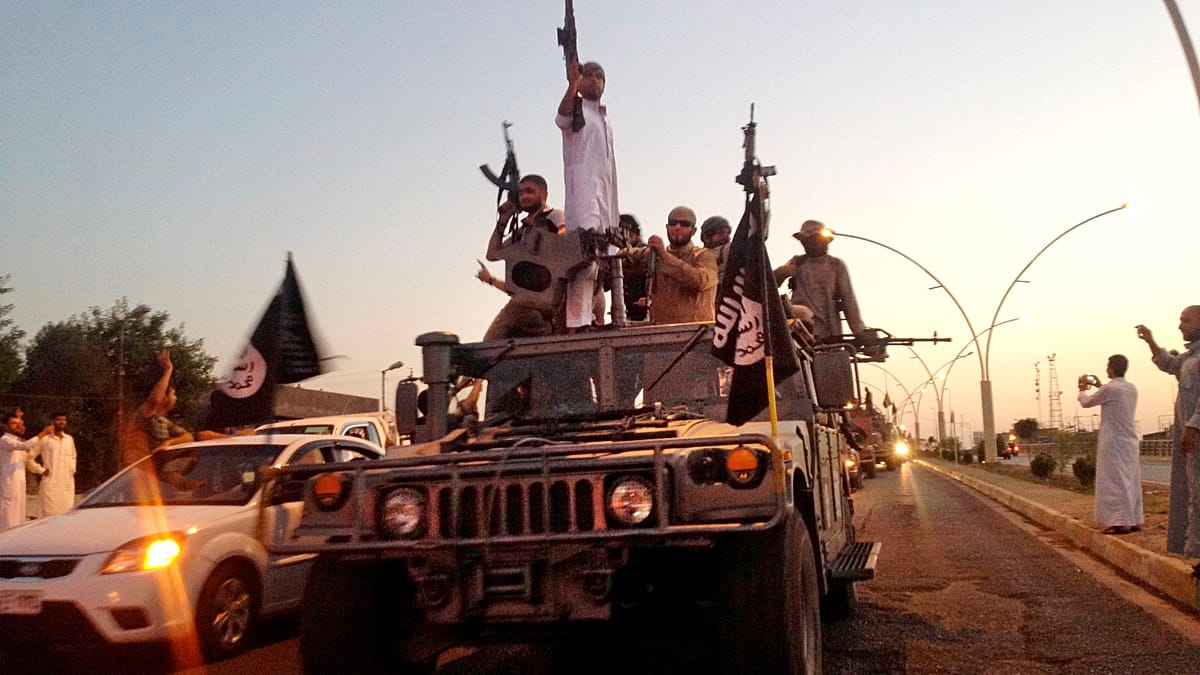
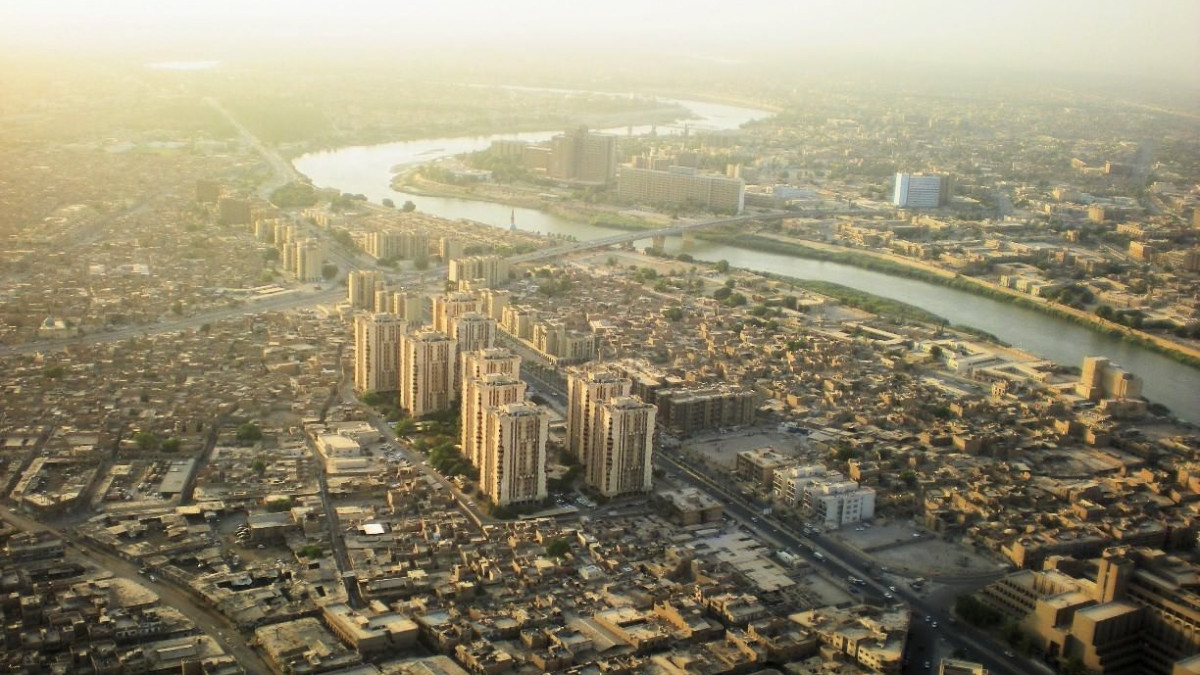
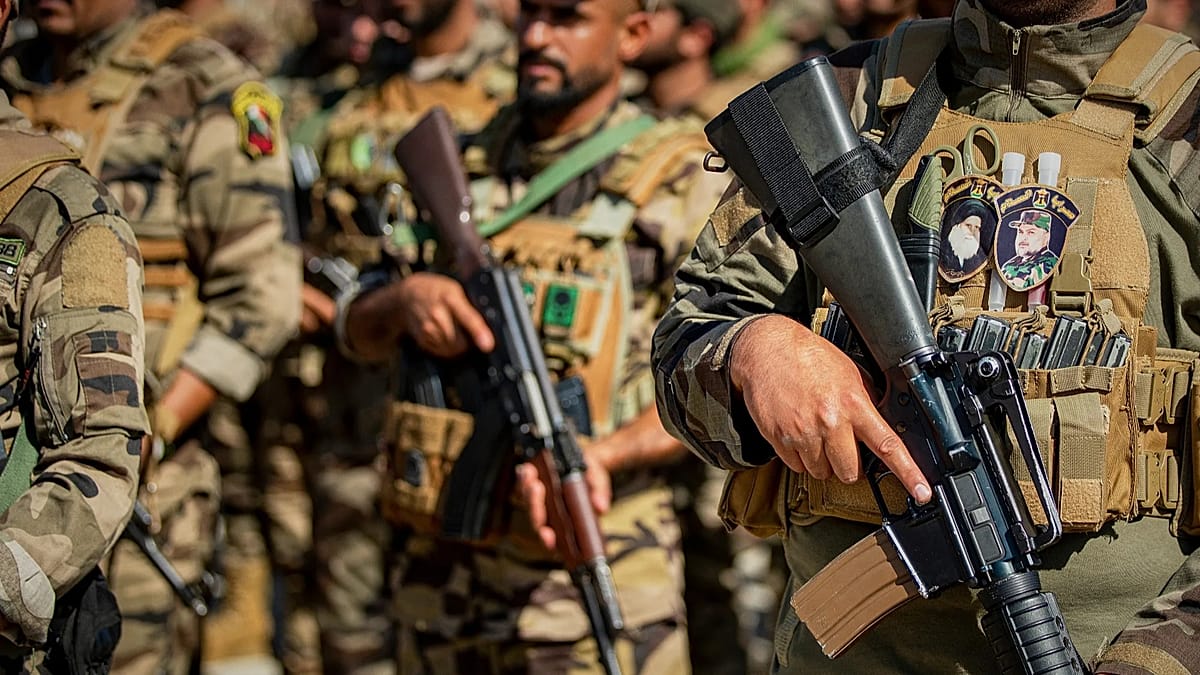
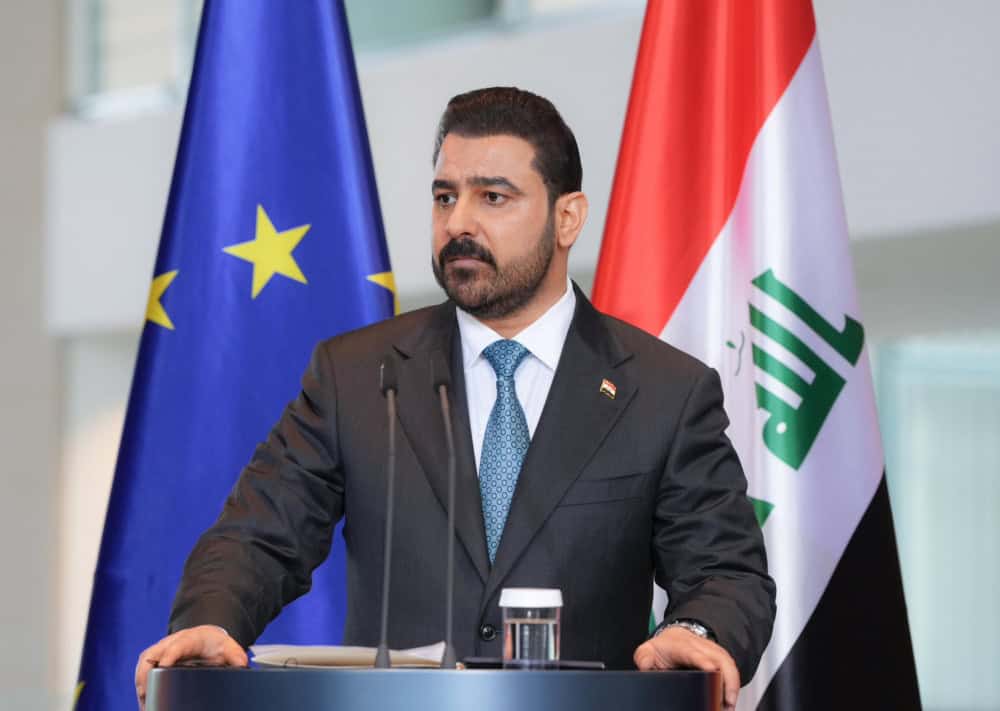
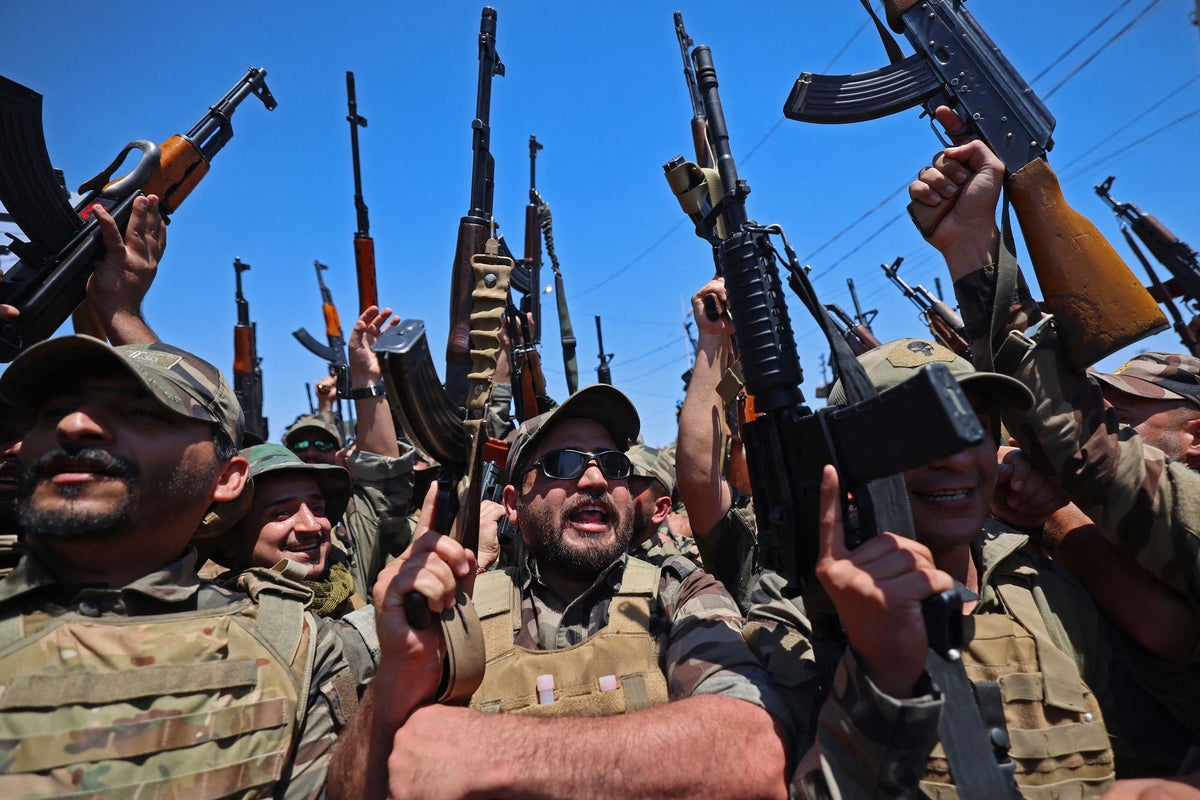
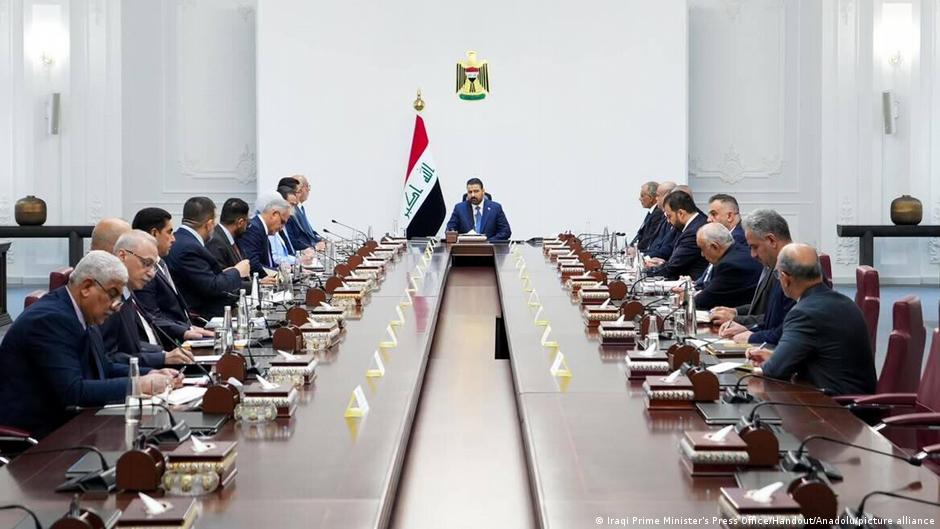
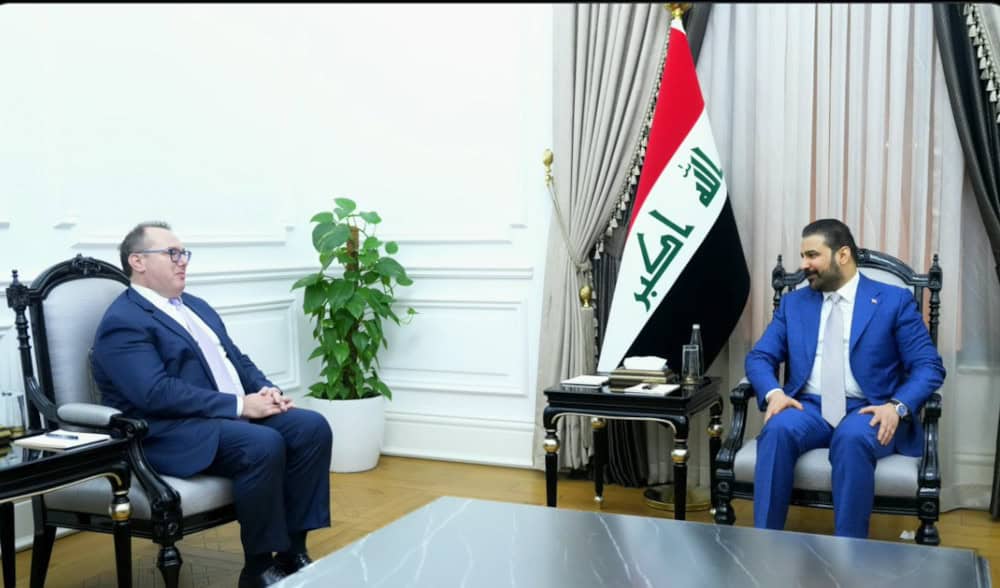
Strike on kingdom’s east-west pipeline could affect 4% of global oil supply. Plus, report reveals British monarchy’s role in financing slave trade Good morning. Oil prices have climbed above $108 a barrel after a series of drone attacks from Iraq’s territory forced Saudi Arabia to close its east-west crude pipeline. Saudi traders said the kingdom would run out of oil stocks for export if it did not reopen within days. Gas prices also climbed higher. Energy prices have surged this year, as the US-Israel war with Iran has disrupted oil and gas supply across the Middle East. The spike came as the Iran-aligned Houthi forces in Yemen launched several attacks against Saudi Arabia and captured the strategic island of Perim in the Bab al-Mandab strait on Sunday, expanding their control of the waterway. Where did the attack on Saudi Arabia come from? Iraq’s government confirmed the attacks were launched from its territory and ordered an investigation. Baghdad is under mounting pressure to stop militant groups – including those backed by Saudi Arabia’s regional rival Iran – launching attacks on Gulf countries from Iraqi soil. The US president, Donald Trump, said he believed Tehran was responsible. Why has Saudi Arabia been relying on its east-west pipeline? Riyadh has increased the use of the 745-mile pipeline since the start of the war on Iran in order to bypass the strait of Hormuz’s closure. The world’s biggest exporter has used the pipeline to reroute about 4m barrels a day – about 4% of global supply – but with the pipeline out of service, the Red Sea port of Yanbu now has stocks to maintain exports for just five to seven days. What is the Anthropic CEO proposing? Robert Booth explains Amodei’s suggestion: first, each US AI company grants access to third-party evaluators; second, all companies in democratic countries establish common safety standards; and third, the world’s democratic AI powers coordinate with autocracies – notably China – to control the race. How has Barack Obama intervened over AI? The former US president made a direct appeal to Democrats to coalesce around a unified AI safety policy, arguing that waiting for voluntary compliance from tech firms was a recipe for governance failure. Continue reading...
 The Guardian•Martin Belam14 Sept