
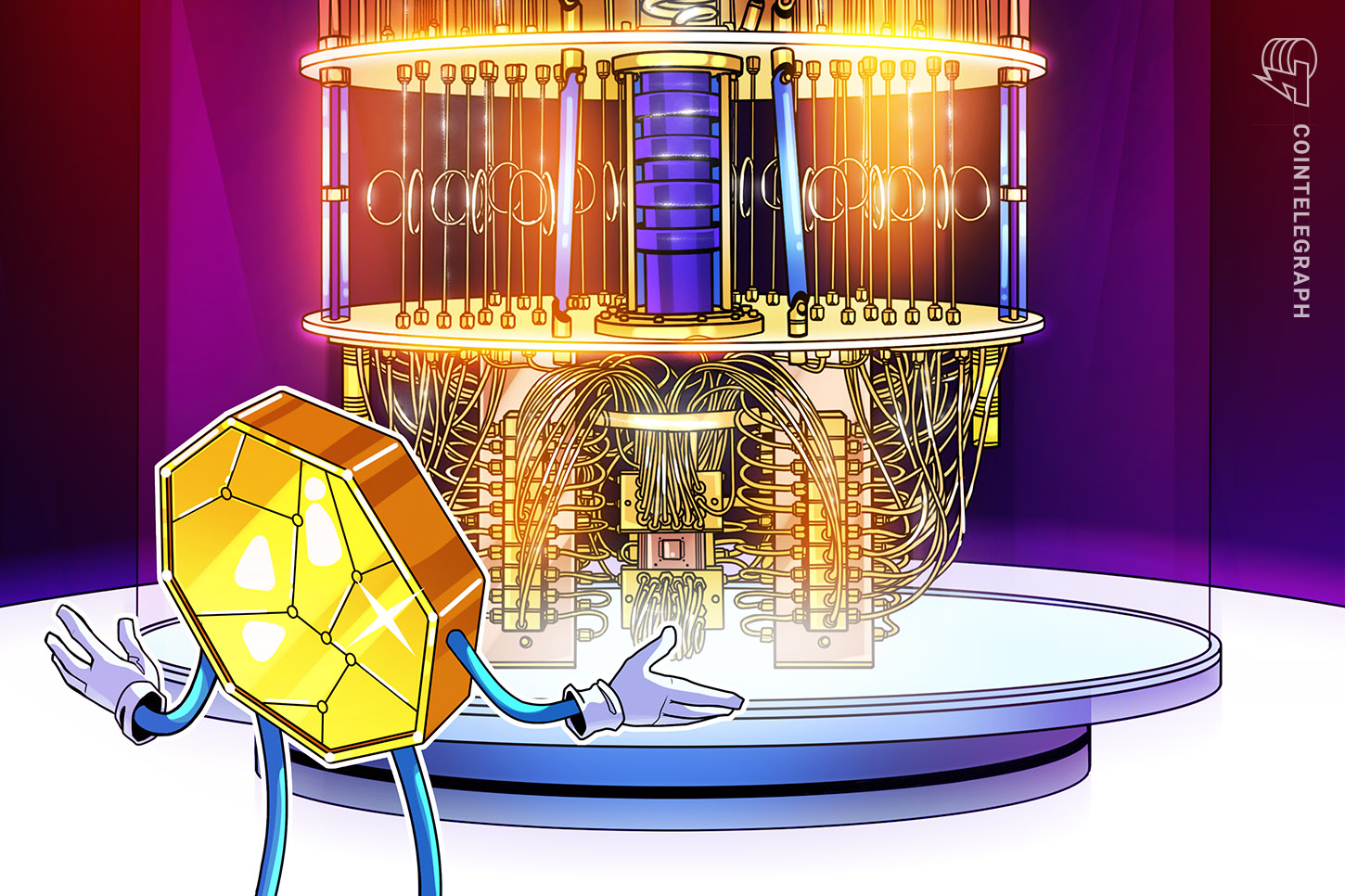
EU watchdogs warn quantum computers could pick crypto’s locks
EU supervisors warn quantum computing could weaken blockchain security as Bitcoin developers weigh a draft migration plan and Ethereum targets 2029.
- neutral toward European Union · 98%
28 articles from 11 sources. Only labels with confidence ≥ 0.6 are counted; quotes are the evidence.
| 14 articles | |||
| 3 articles |
„The EU's extended sanctions framework until 2029 strengthens its stance against Russia”
CryptoBriefing ↗„European Union removes Usmanov and Fridman from sanctions list in controversial deal”
CryptoBriefing ↗„may limit innovation, impact euro stablecoin competitiveness, and centralize regulatory oversight in the EU”
CryptoBriefing ↗„The EU's struggle to renew Russian sanctions highlights the fragility of consensus-based policies, risking the integrity of collective actions.”
CryptoBriefing ↗
EU supervisors warn quantum computing could weaken blockchain security as Bitcoin developers weigh a draft migration plan and Ethereum targets 2029.

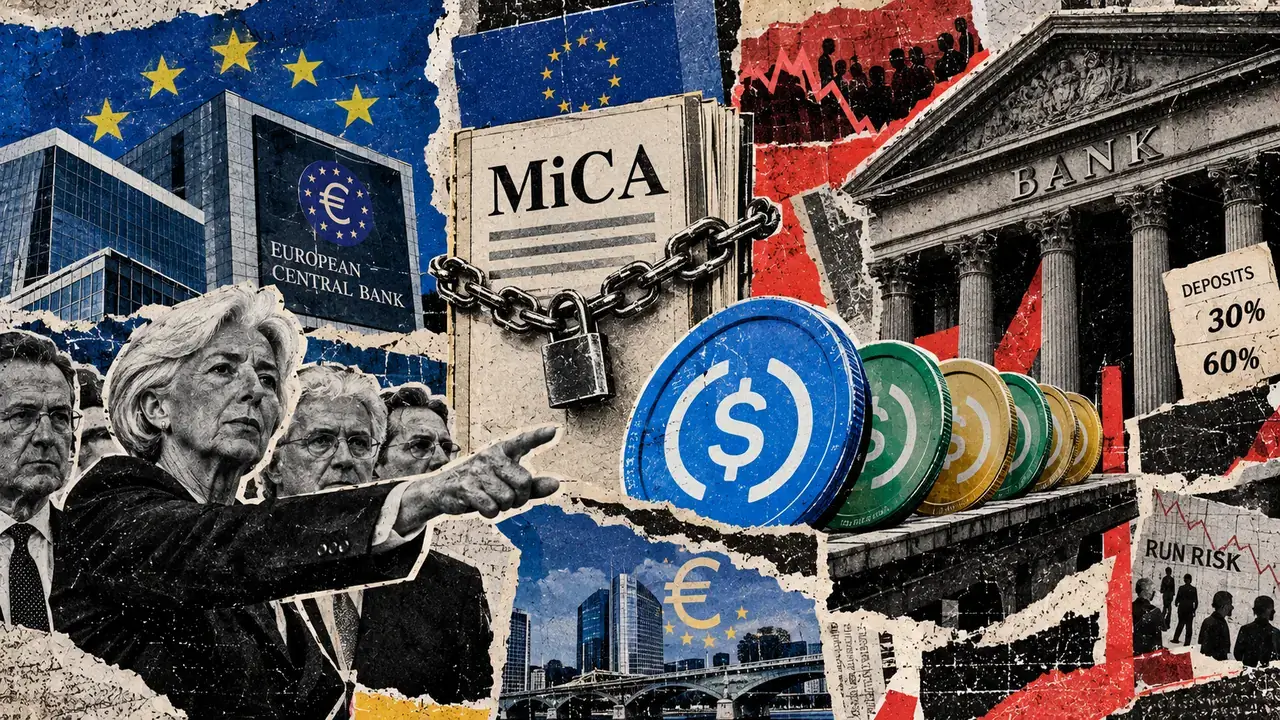
The reported plan swaps mandatory bank deposits for one-day and five-day liquidity tests, shifting where redemption risk lands.

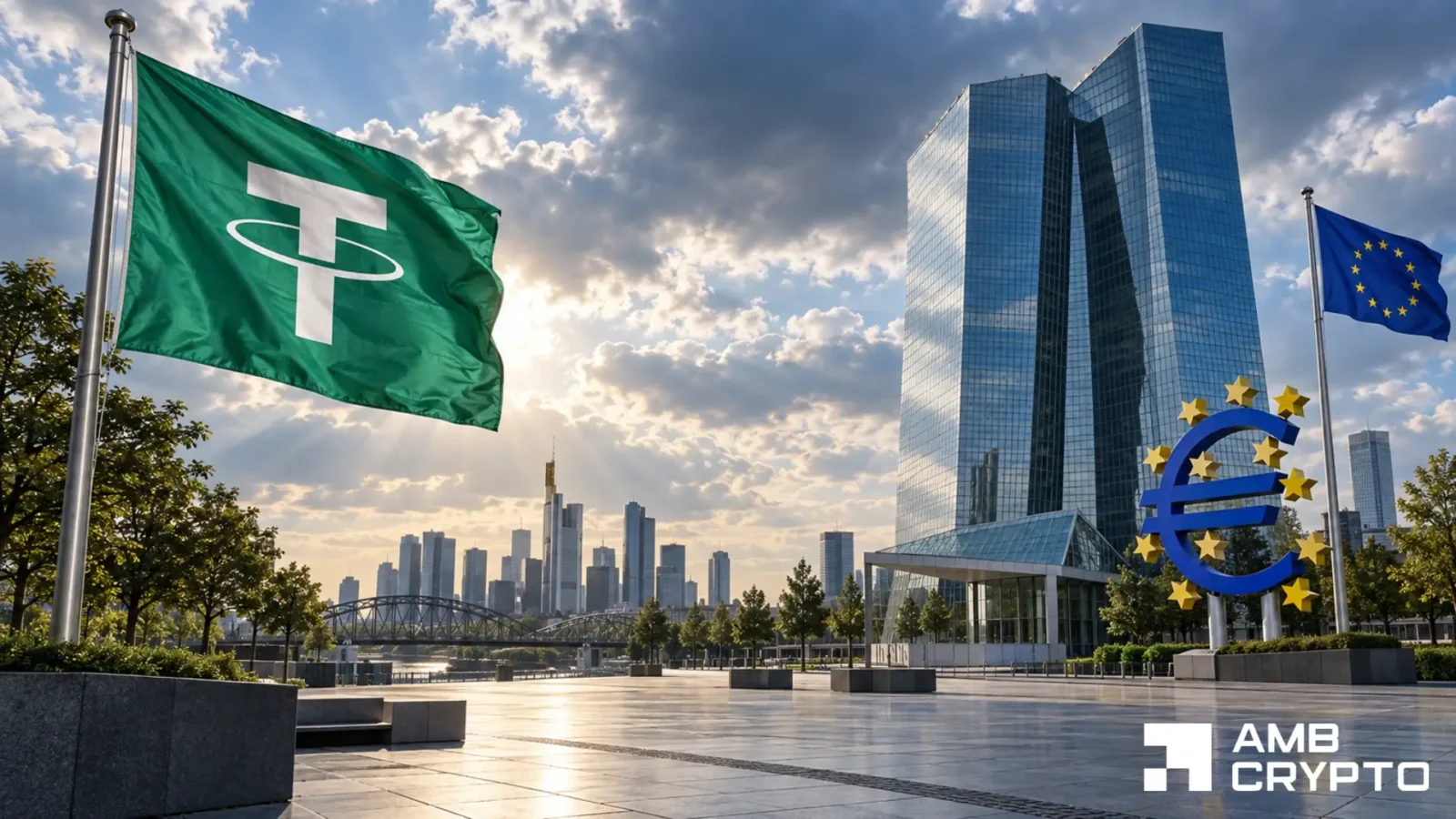
European central banks have echoed Tether’s warning about MiCA’s bank-deposit rule while maintaining broader objections to USDT’s operating model.

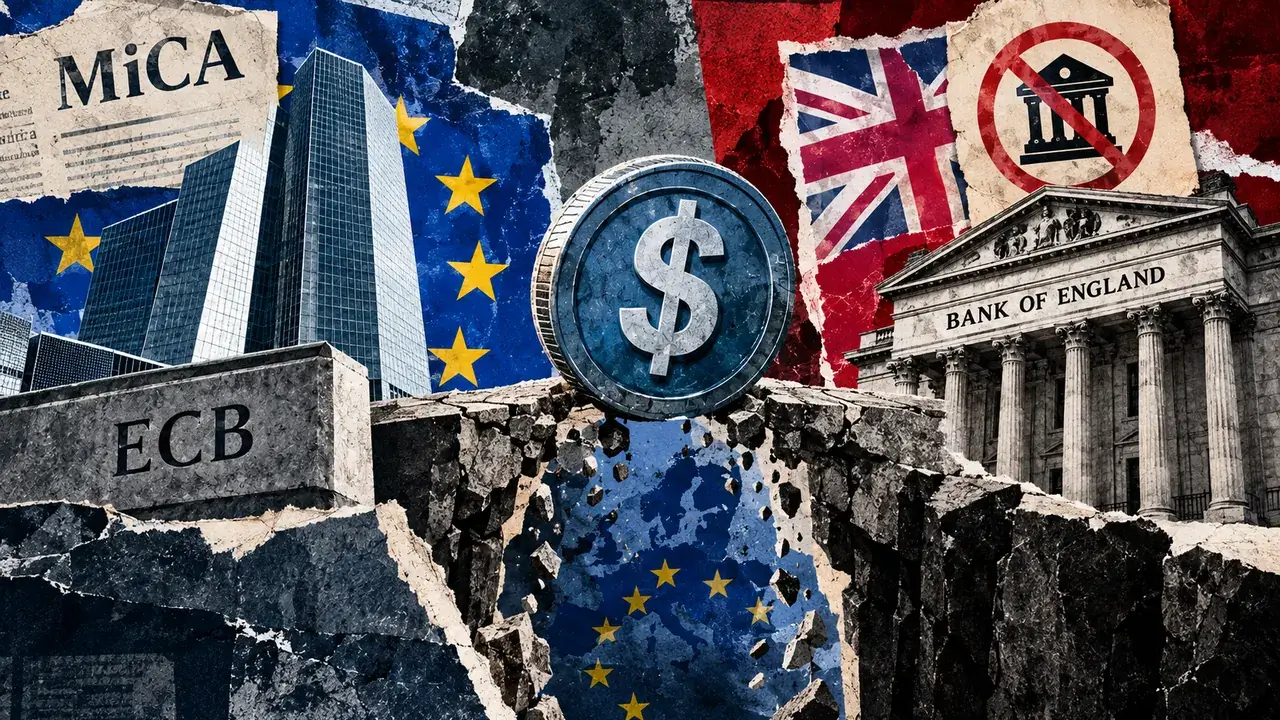
The European Central Bank and the EU’s 27 national central banks have asked regulators to replace MiCA’s 30% and 60% bank-deposit floors for stablecoin reserves with maturity-based liquidity requirements. The European System of Central Banks said in its response to…

The meeting signals a potential shift towards diplomatic solutions, possibly easing tensions and fostering dialogue in the U.S.-Iran conflict.

The EU's extended sanctions framework until 2029 strengthens its stance against Russia, but delisting oligarchs may weaken perceived resolve.

The European Central Bank and national central banks across the European Union have called for MiCA’s stablecoin remuneration ban to cover lending, borrowing, staking and other arrangements that can generate indirect returns for token holders. According to the European System…
The EU's decision may strain relations with Ukraine and highlight internal divisions, impacting future diplomatic and economic strategies.

The expanded ban could stifle innovation in the crypto sector, affecting market dynamics and investor confidence across the EU.
Macron's plea highlights the tension between urgent energy needs and environmental commitments, potentially setting a precedent for future crises.
The ECB's push for stricter crypto rules may limit innovation, impact euro stablecoin competitiveness, and centralize regulatory oversight in the EU.

Europe's central banks want the EU's crypto rules tightened, calling for a wider ban on interest payments on stablecoins, new powers to curb tokens pegged to foreign currencies such as the US dollar, and EU-level supervision of crypto firms.

Europe's central banks want the EU's crypto rules tightened, calling for a wider ban on interest payments on stablecoins, new powers to curb tokens pegged to foreign currencies such as the US dollar, and EU-level supervision of crypto firms.

The EU's struggle to renew Russian sanctions highlights the fragility of consensus-based policies, risking the integrity of collective actions.
The ECB and 27 EU central banks urge Brussels to scrap the MiCA bank-deposit rule Tether refused to accept.

France's call to ease EU fuel standards highlights the need for flexible policies to address energy security amid geopolitical tensions.

The ECB and EU central banks want to replace MiCA’s stablecoin bank-deposit requirements with liquidity thresholds, warning that sudden withdrawals could strain lenders.

The EU's sanctions threat may intensify diplomatic isolation of Russia, potentially altering geopolitical dynamics and market perceptions.

The fine underscores the growing regulatory scrutiny on tech giants, emphasizing the need for transparent data practices and compliance.