UN: Commit to Human Rights, Justice for Grave Crimes
Click to expand Image
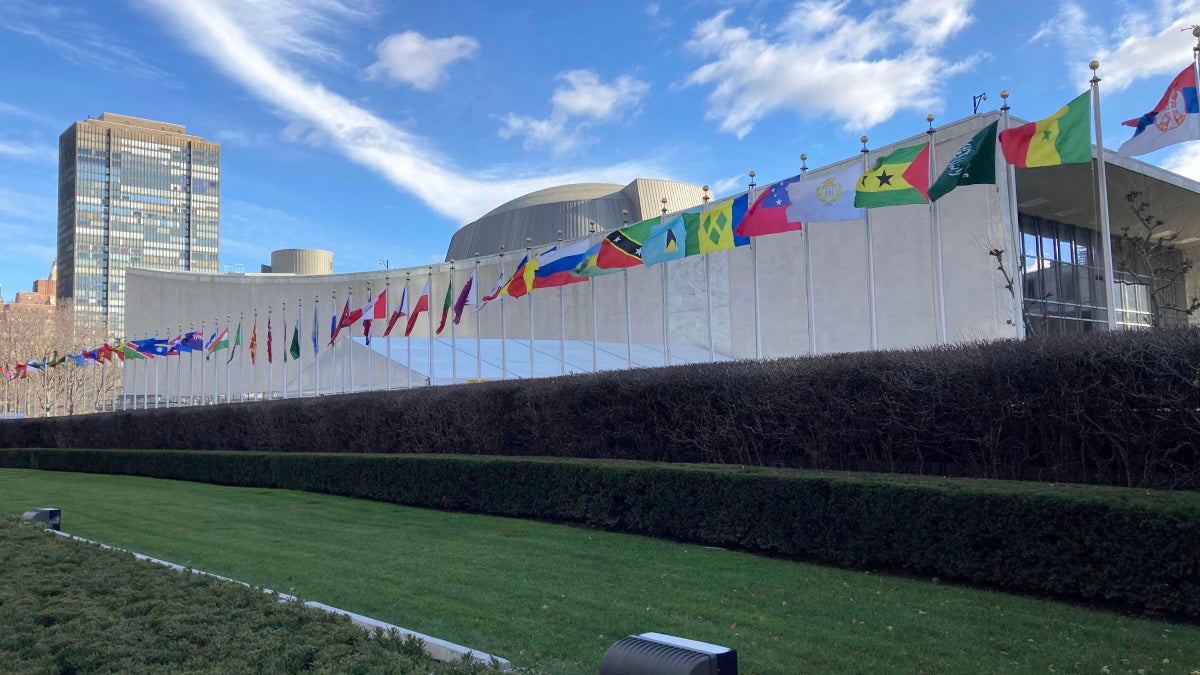
United Nations headquarters in New York City, December 2020.
© 2020 zz/STRF/STAR MAX/IPx via AP Photo World leaders at the annual meeting of the United Nations General Assembly in New York City from September 22-28, 2026, should commit to defending human rights, Human Rights Watch said. They should counter attempts to undermine accountability for grave international crimes and the work of the UN and other vital international institutions. Dozens of leaders and foreign ministers from the UN’s 193 member countries will attend the General Assembly’s general debate. Brazilian President Luiz Inácio Lula da Silva is scheduled to deliver the first speech on September 22, followed by US President Donald Trump. Others speaking on the first day include the leaders of Türkiye, France, the United Kingdom, and Japan. “The UN and other international organizations created to protect human rights are under attack from countries that had pledged to defend them,” said Louis Charbonneau, UN director at Human Rights Watch. “All UN member countries should condemn attempts by the United States, Russia, China, and others to dismantle the international human rights system and destroy avenues for accountability for abuses.” Palestinian President Mahmoud Abbas will participate virtually for the second year in a row after the US refused to grant him and other Palestinian officials visas to travel to UN headquarters. Issues expected to be on many leaders’ agendas will be: the global impact of the US and Israel’s war with Iran; Israeli forces’ continuing abuses against Palestinians in Gaza and their support for settler violence in the West Bank; Russian laws-of-war violations in Ukraine; and concerns about the risks of artificial intelligence and climate change. World leaders should urge accountability for ongoing atrocities and human rights abuses in Sudan, Democratic Republic of Congo, Myanmar, Haiti, Afghanistan, and elsewhere. At the same time, they should work together to counter the escalating assault on human rights around the world—including in long-standing democracies like the US and countries in Europe—and on the international laws and organizations created to promote and protect those rights. Human Rights Watch, in its World Report 2026, called for governments committed to upholding human rights to form a coalition of like-minded countries to resist efforts by the US and other powers to undermine international law. The US has announced a campaign to “dismantle” the International Criminal Court (ICC), as the Trump administration seeks to protect US and Israeli officials from the court’s scrutiny. In 2024, the ICC issued arrest warrants for Israeli Prime Minister Benjamin Netanyahu and former Defense Minister Yoav Gallant on charges of war crimes and crimes against humanity committed in Gaza. The US campaign, including punitive sanctions against ICC officials and judges, three Palestinian human rights groups, and a UN expert, threatens victims’ access to justice globally. ICC investigations include crimes against humanity and other atrocity crimes in relation to Myanmar, Sudan, Afghanistan, the Philippines, and Ukraine. The ICC has also issued arrest warrants for Russian President Vladimir Putin and senior Russian officials on charges of war crimes and crimes against humanity in Ukraine. Governments should use the general debate at the General Assembly and opportunities on the sidelines to pledge support for the ICC and all those working with it to seek justice, and commit to measures to mitigate the impact of US attacks on justice, Human Rights Watch said. Together with three other human rights organizations, Human Rights Watch has sued the Trump administration in US federal court over its sanctions targeting the ICC. UN member countries should also resist efforts by the US and other governments to undermine the human rights of refugees and migrants, women and girls, and lesbian, gay, bisexual, and transgender (LGBT) people, among others, and should defend existing protections for equality and nondiscrimination. They should actively resist the alarming increase in actions by some countries to contest, roll back, or actively remove well-established international norms on gender equality from UN mandates, including Security Council decisions. While many delegations will focus on issues of peace and security and development, world leaders should publicly commit to ensuring that the UN’s human rights work is adequately resourced and staffed. The UN has been mired in a liquidity crisis for years, largely caused by the US’ refusal to pay its full obligatory assessed contributions and cancellation of most voluntary contributions. The US recently paid $800 million in dues to the UN, a fraction of the roughly $4 billion it owes. China has repeatedly exacerbated the UN’s liquidity problems by failing to pay its dues on time. A number of other countries are also in arrears, though the US and China account for nearly half of the UN’s regular and peacekeeping budgets. Countries should condemn efforts by some governments to flout and undermine UN sanctions regimes, sanctions monitoring panels, and arms embargoes. The UN Security Council has been holding informal “straw” polls for candidates seeking to replace Antonio Guterres as UN secretary-general when his second five-year term ends on December 31. The next UN chief should prioritize human rights and reinvigorate UN peacekeeping to protect civilians, as well as find ways to press governments to pay their dues and voluntary contributions in full and on time. Member states should explore better ways to hold governments that default on their obligations accountable. To counter impunity for crimes against humanity around the world, countries will soon be negotiating a new treaty to prevent and punish these grave human rights abuses. Crimes against humanity include murder, torture, rape and sexual violence, persecution, enforced disappearance, extermination, enslavement, and apartheid, among others, committed as part of a widespread or systematic attack on a population. UN member countries should support this effort as these are among the gravest offenses under international law. “World leaders should use the UN podium to speak out forcefully against efforts by some major powers to trample on human rights and make it easier to get away with atrocities and other grave crimes,” Charbonneau said. “The UN and the international human rights system can only survive the current assault if governments take urgent and strong action to defend them.”
 Human Rights Watch•Human Rights Watch21 Sept