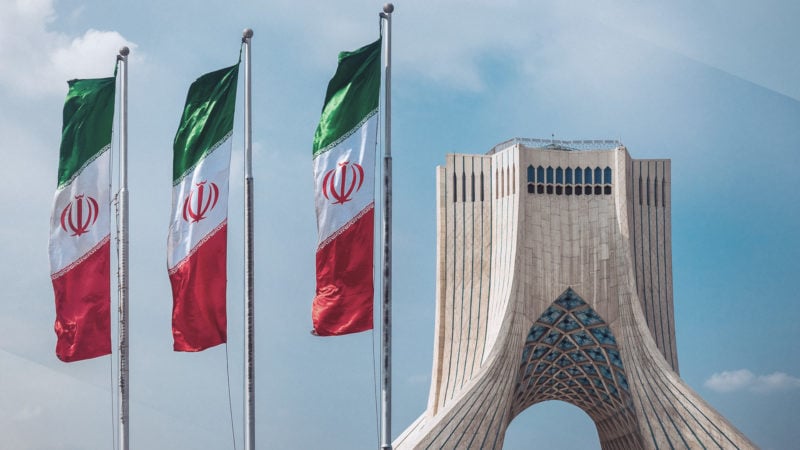
US sanctions two more Iranian crypto exchanges under ‘Economic Fury’ campaign
The U.S. Treasury Department traced more than $3 million in transfers between Shelbit and IRGC-linked wallets.
 The Block•Kyle Baird7 Aug
The U.S. Treasury Department traced more than $3 million in transfers between Shelbit and IRGC-linked wallets.
The Block•Kyle Baird7 AugThe U.S. Treasury Department traced more than $3 million in transfers between Shelbit and IRGC-linked wallets.
The Block•Kyle Baird7 Aug
Sanctions on crypto exchanges may heighten geopolitical tensions, driving investors toward gold as a safe-haven asset amid financial instability.
 CryptoBriefing•Estefano Gomez7 Aug
The sanctions could hinder diplomatic efforts, reducing the likelihood of a U.S.-Iran nuclear deal and escalating economic tensions.
CryptoBriefing•Estefano Gomez7 Aug
The lifting of sanctions on Fly Baghdad may signal a potential easing of U.S.-Iran tensions, impacting regional market dynamics.
CryptoBriefing•Estefano Gomez5 Aug
The US's selective sanctions removal hints at strategic diplomatic shifts, while maintaining strict enforcement on crypto-related IRGC ties.
CryptoBriefing•Editorial Team5 Aug
The exclusion of the IRGC from talks may hinder consensus, impacting regional stability and market confidence in diplomatic resolutions.
CryptoBriefing•Estefano Gomez5 Aug
The secretive meeting underscores potential instability in Iran's leadership, highlighting internal power struggles and IRGC's influence.
CryptoBriefing•Estefano Gomez4 Aug
Dubai-based Shelbit processed over $4 billion since May 2024 through a network tied to Iranian gambling sites, the central bank, and the IRGC, per Reuters.
The Block•Zack Abrams1 Aug
Treasury says HormuzSafe, developed by Iran's Ministry of Economy, accepted digital assets to fund an IRGC-backed 'extortion' scheme targeting commercial shipping.
 The Defiant•The Defiant Team30 Jul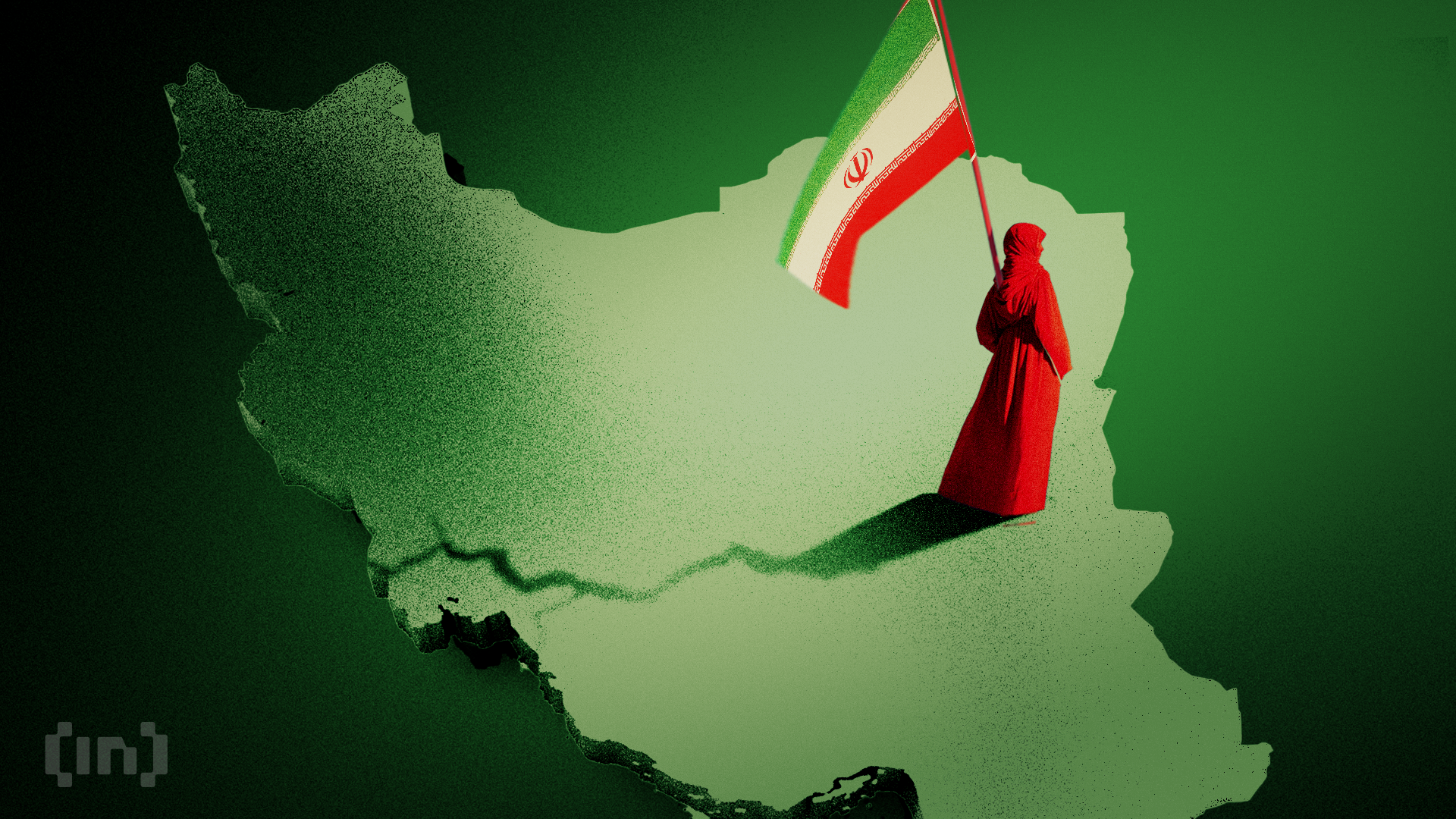
The US Treasury’s Office of Foreign Assets Control (OFAC) sanctioned two firms accused of supporting an IRGC-backed scheme that allegedly extorted commercial vessels transiting the Strait of Hormuz by requiring them to purchase maritime insurance. Wednesday’s designations hit the Persian Gulf Marine Insurance Company and HormuzSafe Marine Services Authority, known as Hormuz Safe. Treasury says
 BeInCrypto•Kamina Bashir30 Jul
Geopolitical tensions escalate, impacting global markets and highlighting the swift interplay between military actions and crypto volatility.
CryptoBriefing•Editorial Team30 Jul
The drone incident highlights the fragile balance in the Persian Gulf, potentially affecting global oil markets and crypto trading dynamics.
CryptoBriefing•Editorial Team30 Jul
Escalating U.S.-Iran tensions risk regional instability, with potential Iranian retaliation and diplomatic efforts shaping future conflict dynamics.
CryptoBriefing•Estefano Gomez30 Jul
The U.S. Treasury sanctioned HormuzSafe and another Iranian insurer, alleging Bitcoin payments helped evade restrictions and fund the IRGC.

The US Treasury said HormuzSafe accepted Bitcoin and other digital assets to evade sanctions and generate revenue for Iran’s Islamic Revolutionary Guard Corps.
 Cointelegraph•Cointelegraph by Ezra Reguerra30 Jul
The incident heightens regional tensions, potentially prompting Iranian retaliation and impacting geopolitical stability in the Gulf region.
CryptoBriefing•Estefano Gomez29 Jul
The sanctions highlight the growing role of crypto in geopolitical conflicts, emphasizing the need for robust regulatory frameworks globally.
CryptoBriefing•Editorial Team29 Jul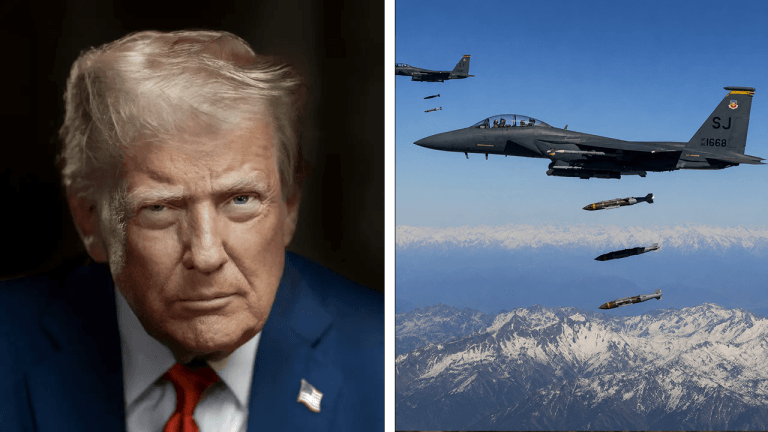
Iran’s Islamic Revolutionary Guard Corps (IRGC) fired ballistic missiles at U.S. forces in Jordan yesterday, U.S. Central Command (CENTCOM) confirmed, sending West Texas Intermediate (WTI) crude up nearly 4% and putting bitcoin’s fragile ceasefire-driven rally back to the test. CENTCOM Says All Missiles Intercepted CENTCOM said in a statement that Islamic Revolutionary Guard Corps forces […]
 Bitcoin.com News•Shiraz Jagati29 Jul
Escalating IRGC operations could destabilize regional geopolitics, impacting economic conditions and increasing military conflict risks.
CryptoBriefing•Estefano Gomez26 Jul