Nepalpage 2

Place · 83 articles
Share

Coverage, page 2

page 2 of 5
R

Additional Emergency Assistance to Nepal in Response to the Flash Flood

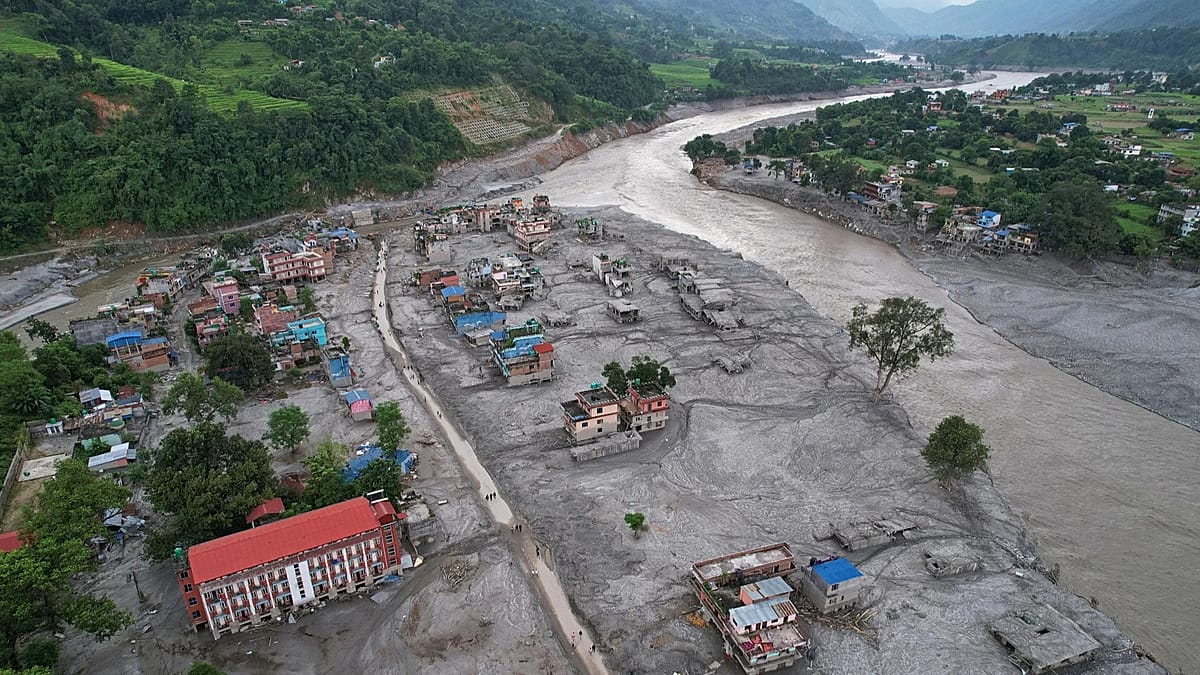
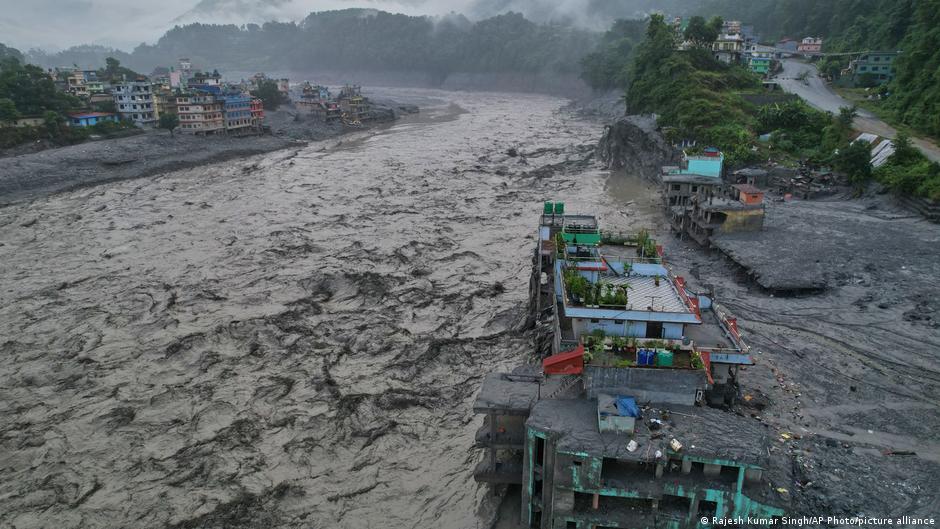
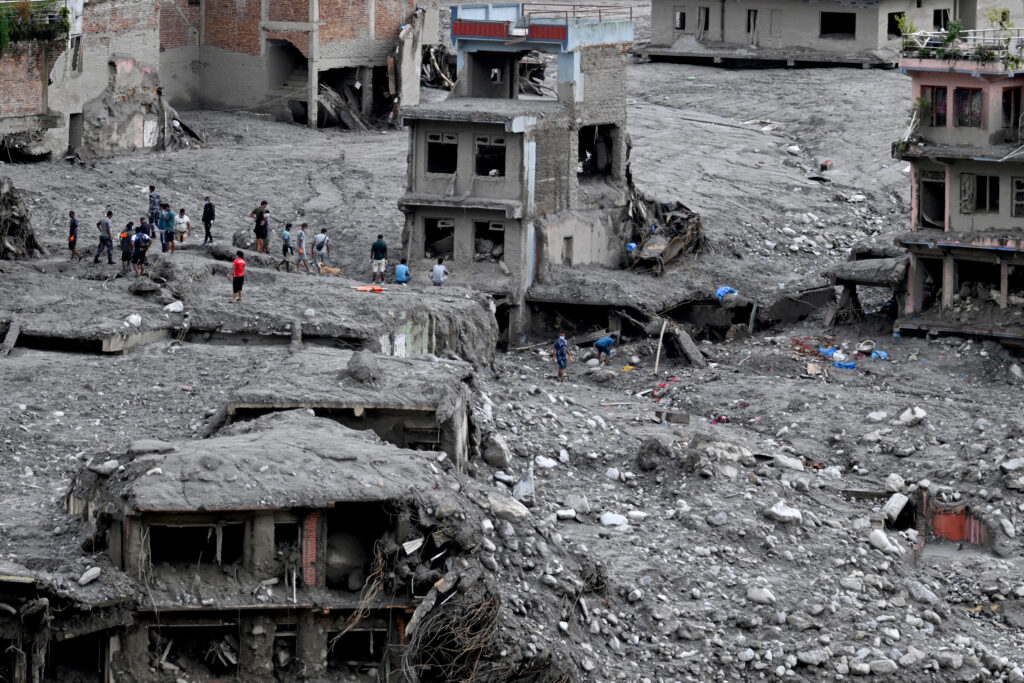
Countries: Nepal, Japan Source: Government of Japan Today, September 17, upon the request of the Government of Nepal, in light of the humanitarian perspective and the close relations between Japan and Nepal, the Government of Japan has decided to provide DNA testing equipment as emergency relief goods to Nepal in response to the damage caused by the flash flood. (Reference) The flash flood struck Nepal on August 26, causing numerous casualties, fatalities, and extensive physical damage. According to the Government of Nepal, as of September 16, 1,399 people died and 5,179 people are missing.

ReliefWebReliefWebGovernment of Japan18 Sept
R

Major disasters disrupted education for at least 13 million children in six countries in three months as Venezuela reopens schools

Countries: Venezuela (Bolivarian Republic of), Colombia, Indonesia, Japan, Nepal, Philippines Source: Save the Children CARACAS, Venezuela, 17 September 2026 – Education was disrupted for about 13 million children over the past three months as Nepal, Japan, Colombia, Venezuela, Indonesia, and the Philippines were all hit by major natural or climate disasters such as earthquakes, floods, or wildfires , said Save the Children. In many countries where the disasters stuck, classes were in session at the time such as in Nepal where children were forced to flee flash flooding. In others, schools were approaching the end of year holidays such as in Venezuela where pupils return to class this week and learning disruptions are only now being felt. Analysing various data sources, Save the Children looked at the impact of these disasters over the past three months and estimated that about 13 million children saw their learning suspended, transferred online, reduced or disrupted in other ways, with some continuing to see their education impacted.[1] In Venezuela, students and teachers said that they were feeling anxious as they returned to school for the new academic year following the twin earthquakes that hit the country on 24 June, killing more than 6,500 people. The earthquakes, the most powerful in a century, halted education for more than 21,000 students [2] and disrupted learning for one million**,** or about one in every eight school-aged child, Save the Children said. Teachers from La Guaira, a coastal region badly hit in northern Venezuela, said it was important to continue efforts to ensure that schools can provide supportive environments for children returning after the earthquakes although some schools have suffered structural damage and cannot reopen. Alondra*, 37, a teacher in Venezuela and mother to nine-year-old Emma*, is worried that the disruption will force students into overcrowded schools, affecting both learning quality and recreational opportunities. “My daughter's education is paramount, of course, and I'm not going to take her out of school, especially not because of this [earthquake],” she said. Alondra has been taking Emma to a Save the Children safe space in the months since the earthquake so she can continue learning and playing with other children her own age. Save the Children in Venezuela and its national partners have helped over 93,970 people** since the earthquakes including through psychosocial support, health support, and community engagement activities. The child rights organisation will also start rehabilitating learning spaces and schools and training teachers to support children affected by the earthquakes. Four other powerful earthquakes in Colombia, the Philippines, Indonesia and in Japan disrupted education for about 4 million children out of the 13 million children. A 7.8 magnitude earthquake struck the southern Philippines on 8 June, the first day back to school after the country’s summer break, disrupting education. Since then, Save the Children has reached more than 8,800 people, including 3,900 children, providing support including household items, hygiene kits and temporary learning spaces. Floods brought about by this season's monsoon in the Philippines also affected nearly 7 million students who saw classes suspended including in the capital Manila and several provinces, on and off, for almost two weeks, while almost 900 schools sustained damaged.[3] Tatiana Betancourt, an education officer at Save the Children Colombia, said: “Families temporarily settled in spaces that do not have adequate security and protection conditions affecting educational institutions, limiting children's and adolescents' access to safe learning spaces. Emotional effects on children, caregivers and families include fear, stress and uncertainty generated by the emergency.” In Colombia, the earthquake’s damage to education infrastructure disrupted access to education for over 1 million children and compounded pre-existing poverty. While about 80% of children have returned to learning through partial, hybrid, or alternating attendance, more than 300,000 children are estimated to be facing heightened protection risks, including recruitment by armed groups. [4] Save the Children in Colombia is focusing on supporting the safe return to schools wherever feasible and is supporting temporary learning arrangements through local education partners including temporary learning tents in affected areas such as Chocó. Flash floods in Nepal in August which hit as children were either on their way to school or starting their lessons, killed at least 1,350 people with about 4,800 still missing.[5] While some schools closed by the floods in Nepal have begun to reopen, many displaced children are not currently able to attend classes as they are not registered for schools in areas they moved to. Save the Children has supported more than 6,000 people across Nuwakot, Dhading and Rasuwa districts with essential items and has set up two temporary learning spaces to help children learn. In Japan, Save the Children set up child friendly spaces to provide children with a safe environment to play and recover following the 28 July earthquake in Kumamoto Prefecture, southern Japan, among other support. When disasters or climate emergencies disrupt children’s education, as they have for children in Nepal, Venezuela, Colombia and elsewhere this summer, children must be able to continue their education through crisis. Governments also need stronger, more inclusive, and resilient education systems that can last. Save the Children is calling on world leaders gathering in New York for the UN General Assembly this month to pledge at least US $5 billion to the Global Partnership for Education to help reach about 750 million children across 96 countries by 2030 by strengthening education systems. The child rights organisation is also calling on leaders to pledge US$600 million this November for Education Cannot Wait, so children in crisis can continue learning. *Names changed for anonymity References: **As of 11 September 2026. Methodology: Over 13 million figure is based on looking at major or high-profile disasters between 1 June and early September where there was a publicly reported impact on education. Disasters included earthquakes in Venezuela (1 million children’s education impacted) ; Colombia ( 1 million ) Indonesia ( over 116,000 ), Japan (about 200,000) and the Philippines ( 3 million ), wildfires in Indonesia ( 1.4 million ), monsoon flooding in the Philippines ( 6.8 million ) and flash floods in Nepal ( 19,000 ). For Japan, the number of children with disrupted education is estimated based on data from Ministry of Education, Culture, Sports, Science and Technology (MEXT) on 650 affected schools, using the average number of students per school in Japan. [1, 5] NEPAL: https://www.unocha.org/publications/report/nepal/nepal-rasuwa-flood-situation-report-no-7-8-september-2026 [2] Save the Children Rapid Needs Assessment (RNA) August 2026 + UNICEF assessment indicates that more than 432 schools suffered physical damage to their infrastructure. In the state of La Guaira, out of the 290 public and independent schools surveyed in the coastal area, 62 sustained structural damage or suffered total physical collapse. [3] EDCOM 2 - The Second Congressional Commission on Education: https://www.facebook.com/edcom2ph/posts/pfbid0xPVJkvHr9HAYRbofaMZcX3kDNtVcqeiHiq3yCtUSd2pSiYpwMCBMcxMoGrq1GH5fl [4] IRC, 14 Aug 2026: https://www.rescue.org/press-release/irc-launches-health-child-protection-response-colombia-earthquake-death-toll-rises

ReliefWebReliefWebSave the Children18 Sept

The Guardian view on the Nepal-Tibet floods: a spur to action on climate | Editorial

New research links last month’s disaster to fossil fuel pollution. Supporting disaster-hit countries must be at the centre of climate politics Following a familiar pattern, coverage of the glacier collapse on the Nepal-Tibet border three weeks ago has subsided with the initial shock. But while the world’s attention has shifted, Nepal remains in the midst of an appalling tragedy. As well as at least 1,300 people who are known to have been killed, more than 5,000 are missing, some of them trapped in tunnels linked to the 13 hydropower plants that were damaged by the floods. On Wednesday four bodies were recovered from one of these tunnels, with searches ongoing. Families of the missing people are desperate for news. Last week the country’s foreign minister, Shisir Khanal, said that it would ask the UN’s loss and damage fund for $20m (£15m) towards a total rebuilding cost of around $5bn (£3.75bn) – including the replacement of up to 20,000 homes. The first academic study linking the disaster to the climate crisis will now be added to that application. Scientists at Imperial College London, along with international collaborators on the World Weather Attribution project, found that a number of drivers of the glacier fall had been made worse by atmospheric heating. While not the sole cause, fossil fuel pollution was judged to have destabilised the geology of the mountain environment. Do you have an opinion on the issues raised in this article? If you would like to submit a response of up to 300 words by email to be considered for publication in our letters section, please click here . Continue reading...

The GuardianThe GuardianEditorial17 Sept
  • neutral toward Guardian · 96%

Thursday briefing: Yemen’s war continues to threaten oil supplies– but what about its people?

In today’s newsletter: The Houthi advance along the Red Sea coast raised fears for global trade and energy supplies, while more than 100,000 Yemenis have been displaced by the fighting Good morning. The lightning advance of Houthi militants along the west coast of Yemen over the past week has prompted fears of a spiralling conflict in the region and a new oil supply crisis. For families living in the Middle East’s poorest country, the most significant fighting between the Iran-aligned Houthis and the Saudi-backed Yemeni government forces in years is a crisis upon a catastrophe, with escalating civilian casualties and at least 100,000 displaced in recent days. UK politics | Key allies of Andy Burnham have warned the prime minister not to back down over his promises to put water companies under public control, after details emerged about the prime minister’s plan to give mayors more oversight of the industry. Environment | Climate breakdown probably weakened the glacier that collapsed causing catastrophic floods and killing hundreds of people in Nepal and Tibet last month, the first scientific study of the disaster has found. Health | Women with the same medical condition as men are less likely to be offered treatment such as surgery, a stent or a strong painkiller, research has found . Europe | The UK government’s EU reset summit will be delayed again unless the bloc agrees to discuss legislation that could lock British business out of parts of EU industry, government sources have said. UK news | Police searching for a three-year-old boy who went missing from a playground on the Suffolk-Essex border have found a body . Continue reading...

The GuardianThe GuardianLibby Brooks17 Sept

World: Global Update | September 2026: An Inter-Agency Report of the Global ENSO Analysis Cell - El Niño Status & Humanitarian Outlook

Countries: World, Afghanistan, Angola, Bangladesh, Burkina Faso, Cameroon, Central African Republic, Chad, Colombia, Cuba, Djibouti, Ecuador, El Salvador, Ethiopia, Fiji, Guatemala, Haiti, Honduras, Indonesia, Kenya, Kiribati, Madagascar, Malawi, Mali, Mozambique, Myanmar, Nepal, Nicaragua, Niger, Nigeria, Papua New Guinea, Peru, Solomon Islands, Somalia, South Sudan, Sudan, Timor-Leste, Tuvalu, Uganda, Vanuatu, Venezuela (Bolivarian Republic of), Zambia, Zimbabwe Sources: International Federation of Red Cross and Red Crescent Societies, Save the Children, UN Office for the Coordination of Humanitarian Affairs, World Food Programme Please refer to the attached file. OVERVIEW El Niño is firmly established and is forecast to reach very strong intensity. WMO forecasts indicate a nearly 100 per cent likelihood that it will persist through February 2027, with the event expected to strengthen further and peak towards the end of 2026. Its effects may lag and persist beyond the peak. A very strong El Niño is likely to bring major shifts in rainfall and temperature patterns, increasing the risk of drought, flooding, extreme heat and other weather and climate hazards. These effects will not be felt everywhere at the same time or in the same way. Their severity will depend on where the climate signal coincides with agricultural and livelihood calendars, existing humanitarian needs and people's ability to cope. WMO cautions that the strength of the global event does not translate directly into the scale of impacts in any individual country or region. El Niño is also occurring against the backdrop of long-term climate warming. The emerging risks must be understood alongside conflict, displacement, high food insecurity and high food prices, malnutrition, disease outbreaks, economic pressures and overstretched essential services. These conditions have not improved since the June update. In many places, repeated shocks have depleted household assets, increased debt and weakened the coping mechanisms that people would ordinarily rely on when drought, floods or high prices affect their livelihoods. WFP estimates suggest that up to 50 million people globally could be affected over the next six to nine months, indicating the potential scale of the humanitarian consequences.

ReliefWebReliefWebWorld Food Programme17 Sept

Climate crisis likely behind devastating Nepal-Tibet floods that killed more than 1,300, first study finds

Scientists say global heating was a destabilising factor in collapse of 200,000 sq metre glacier in August Climate breakdown probably weakened the glacier that collapsed causing catastrophic floods and killing hundreds of people in Nepal and Tibet last month, the first scientific study of the disaster has found. Researchers identified unusually warm conditions before the glacier’s collapse , which sent an avalanche of 110m cubic metres (3,885 cu ft) of snow and ice into the valley below. This triggered flash floods on an almost unprecedented scale, hitting communities downstream without warning. Continue reading...

The GuardianThe GuardianDamien Gayle16 Sept

IOM Nepal Flood Response - Situation Report #5 | 15 September 2026

Country: Nepal Source: International Organization for Migration Please refer to the attached file. SITUATION OVERVIEW The 26 August flash floods in central Nepal have caused significant loss of life, displacement and widespread damage to homes, infrastructure and essential services. Government-led search and rescue operations are on their twelfth day, while access constraints and ongoing verification of displacement and housing impacts remain key challenges. As of 14 September, the Government of Nepal reports 1,395 bodies recovered, 5,130 people missing and 13,737 people rescued following the 26 August floods, with figures expected to change as access improves. Preliminary humanitarian analysis estimates 84,270 people affected across 17 municipalities in six districts. The Government-led Rapid Damage and Needs Assessment (RDNA) indicates approximately 7,570 houses affected, impacting around 32,963 people, alongside damage to roads, bridges, agricultural land and critical infrastructure. Priority needs include shelter and essential household items, WASH, food, health and MHPSS services, protection and access to affected communities. Longer-term support requirements include private housing and settlement, economic activities and livelihood rebuilding, repair and replacement of damaged household energy systems, telecommunications, debris and sediment management, and disaster and climate risk management as the damage to infrastructure continues to constrain humanitarian access and delivery. A Rapid Damage Needs Assessment (RDNA) has also been published by the National Disaster Risk Reduction and Management Authority (NDRRMA), which further elaborates on the post-disaster needs. 73% of sites reported inadequate sanitation facilities 46% of sites have inadequate water-storage capacity 51% reported no child protection services or referral pathways 54% reported no safe and private spaces for women and girls IOM is supporting the Government-led response through site assessments, coordination, health, protection, non-food items (NFI), recovery and Displacement Tracking Matrix (DTM).

ReliefWebReliefWebInternational Organization for Migration16 Sept

Nepal’s Oscar Contender ‘Elephants in the Fog’ Rallies Flood Relief Efforts at Toronto and Beyond (EXCLUSIVE)

Nepal’s Academy Awards entry “Elephants in the Fog” is the sole Nepali film at the Toronto Film Festival, where director Abinash Bikram Shah has turned the film’s international visibility toward the floods devastating communities back home – among them people directly connected to the production. Lead actress Puspa Thing Lama is from Nuwakot district, one […]

VarietyVarietyNaman Ramachandran15 Sept
R

Over 17,000 flood-affected children in Nepal need urgent mental health and psychosocial support

Country: Nepal Source: UN Children's Fund KATHMANDU, 15 September 2026 – Thousands of children affected by the recent devastating floods in Nepal require urgent mental health and psychosocial support to recover from the distress and trauma caused by the disaster, UNICEF said today. The floods have had a profound impact on children, many of whom witnessed the loss of loved ones, the destruction of homes and schools, displacement from their communities, and uncertainty over missing family members. An estimated 17,000 children require mental health and psychosocial support, while 541 unaccompanied and separated children remain at heightened risk and in need of protection services. These figures underscore the severe emotional and social toll the disaster has taken on children and families, and the urgent need for sustained protection and recovery support. "Beyond the visible destruction, these floods have left deep emotional scars on children and families," said Ms. Alice Akunga, UNICEF Representative to Nepal. "The floods struck during the school day, shattering children's sense of safety in an instant. Many children witnessed distressing events and are now struggling with fear, anxiety and grief, with some unable to speak about what they experienced. Alongside humanitarian supplies and restoration of critical infrastructure, children need mental health and psychosocial support to help them process what happened, regain a sense of security and begin to recover." “The invisible burden of trauma on flood-affected children and families is deeply distressing,” said Dr. Shitanshu Dhakal, Medical Officer at Trishuli Hospital in Nuwakot and former UNICEF Youth Advocate for mental health. “Fear can remain long after the disaster itself. Children must be at the centre of the mental health response, with immediate psychological first aid and sustained support to prevent long-term consequences.” Mental health and psychosocial support is a lifesaving component of the emergency response. Early interventions help children process distressing experiences, reduce anxiety, restore a sense of routine and safety, and strengthen resilience. Such support also enables the identification of children experiencing severe distress and facilitates referrals to specialized services. Children experiencing significant mental health and psychosocial difficulties may also face increased protection risks due to reduced coping capacity, social isolation, stigma and limited access to support services. UNICEF is working with government authorities and partners to protect children affected by the floods through family tracing, reunification and psychosocial support services. To date, 18 unaccompanied and separated children have been reunified with their families, while alternative family-based care is being arranged for children who have lost both parents. Community-based protection monitoring teams have been established along key transit and displacement routes to identify at-risk children, facilitate referrals and help prevent trafficking, exploitation and family separation. At the same time, UNICEF and partners are scaling up mental health and psychosocial support through Psychological First Aid and counselling services. Eighteen Child-Friendly Spaces, including 13 supported by UNICEF, are providing safe environments where children can play, learn and begin to recover, supported by an integrated network of psychologists, counsellors and frontline workers operating in displacement sites and affected communities. UNICEF continues to call for increased investment in child protection and mental health services to ensure that children affected by the floods receive the support they need to cope, recover and rebuild their lives. ##### Media contacts Florine Bos UNICEF Nepal Email: fbos@unicef.org Joe English UNICEF New York Tel: +1 917 893 0692 Email: jenglish@unicef.org

ReliefWebReliefWebUN Children's Fund15 Sept