
IOM Yemen Dispatch August 2026: Updates on the humanitarian crisis, people on the move and IOM's response in Yemen
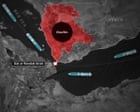
Country: Yemen Source: International Organization for Migration Please refer to the attached file. SITUATION OVERVIEW Yemen’s security situation deteriorated markedly throughout August, with escalation in active conflict since the collapse of the 2022 truce in July. On August 6, deadly Ansar Allah (AA) strikes targeted the Government of Yemen (GoY) key positions in Hadramaut and facilities in Ma’rib, resulting in around 45 fatalities, marking one of the deadliest days on record. Over 119 operational incidents were reported in the first week of August alone as ballistic missiles, UAVs, and heavy artillery focused heavily on the Ma’rib, Hadramaut, and Red Sea coastal fronts. Ground fighting expanded toward the end of the month, as the AA forces launched concentrated offensives in western Ta’iz and southern Hodeidah, aimed at seizing strategic positions overlooking the Bab al-Mandeb strait. Maritime insecurity in the Red Sea and Bab al-Mandeb has escalated freight costs and introduced critical supply delays for international relief goods. On the ground, flash floods have created additional challenges to road access, affecting emergency assistance delivery to displaced populations. Furthermore, the dual shock of conflict-driven displacements and extreme weather events has overwhelmed Rapid Response Mechanism (RRM) and emergency stock pipelines, requiring an urgent, multisectoral scale-up to prevent further loss of life and mitigate acute food consumption gaps. The severe cooking gas shortage in Aden and surrounding governorates like Abyan deepened in August, due to scheduled summer maintenance at Ma’rib Safer facility, which temporarily reduced gas production by 6,000 barrels per day. The supply disruption heavily impacted daily life by driving black-market prices for a 20-liter gas cylinder up to YR 18,000 (official rate is YR 8,500), rendering cooking gas unaffordable for poorer households and threatening already fragile food security. Beyond home kitchens, the crisis has paralyzed public transportation by stranding converted gas-powered buses, and brought local businesses, bakeries, and restaurants to the brink of shutdown. Cholera transmission remains heavily concentrated in the same governorates that have consistently reported the highest caseloads since the beginning of the year. Abyan remained the epicenter of the outbreak, accounting for over 2,070 suspected cases, followed by Lahj with over 1,060 cases. Together with Ta’iz and Aden, these four governorates account for approximately 82 per cent of the national caseload. UN Special Envoy Hand Grundberg and the USG for Humanitarian Affairs and Emergency Relief Coordinator, Tom Fletcher, briefed the Security Council on 13 August, during which they underscored the dire situation that millions of Yemenis face and the heightened risk of Yemen getting entangled in complex regional confrontation. The humanitarian situation also has not improved, with the 73 UN staff still detained along with dozens of civil society staff. Despite the challenges, however, humanitarians reached 3.4 million people across Yemen with lifesaving assistance and protection in the first half of 2026.
 ReliefWeb•International Organization for Migration10h ago
- neutral toward IOM · 98%