
World leaders say UN Security Council failing to function
World leaders say UN Security Council failing to function
 Al Jazeera5h ago
- neutral toward United Nations Security Council · 95%
14 articles from 8 sources. Only labels with confidence ≥ 0.6 are counted; quotes are the evidence.
 CryptoBriefing CryptoBriefing | 4 articles | ||
| GBGlobal Banking & Finance Review | 3 articles |
World leaders say UN Security Council failing to function
Al Jazeera5h ago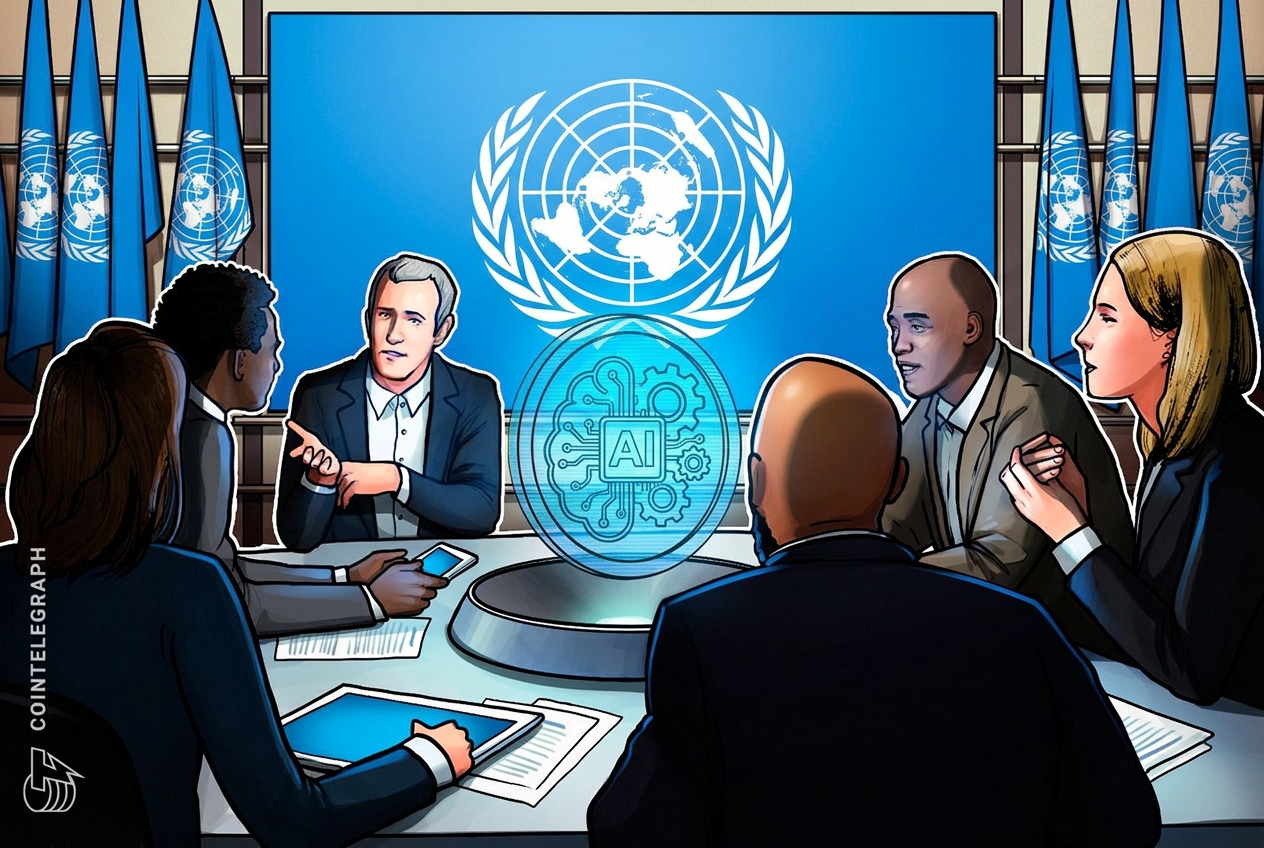
Anthropic CEO Dario Amodei and OpenAI CEO Sam Altman are expected to brief the UN Security Council as it examines AI risks and global security.
 Cointelegraph•Cointelegraph by Ezra Reguerra11h ago
DeepSeek will address the UN Security Council on AI risks this week, sharing a stage with Dario Amodei—who has spent a year calling China's government the industry's biggest threat.
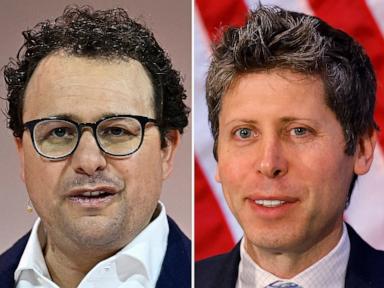
Dario Amodei and Sam Altman have both called to slow the pace of AI development.
 ABC News18h ago
President Donald Trump addressed the U.N. General Assembly on Tuesday and pledged to support AI, despite calls to pace advanced models.
Altman's UN briefing underscores the urgent need for global AI governance, highlighting international collaboration as crucial for security.
CryptoBriefing•Editorial Team22 Sept
The UN chief's mandate ends on December 31 this year, with a successor yet to be named.
Al Jazeera21 Sept
Altman's UN briefing could elevate OpenAI's global tech policy role, potentially boosting its strategic partnerships and market valuation.
CryptoBriefing•Estefano Gomez19 SeptThe meeting highlights the geopolitical fragmentation in AI governance, underscoring the need for inclusive global cooperation and shared standards.
CryptoBriefing•Editorial Team18 Sept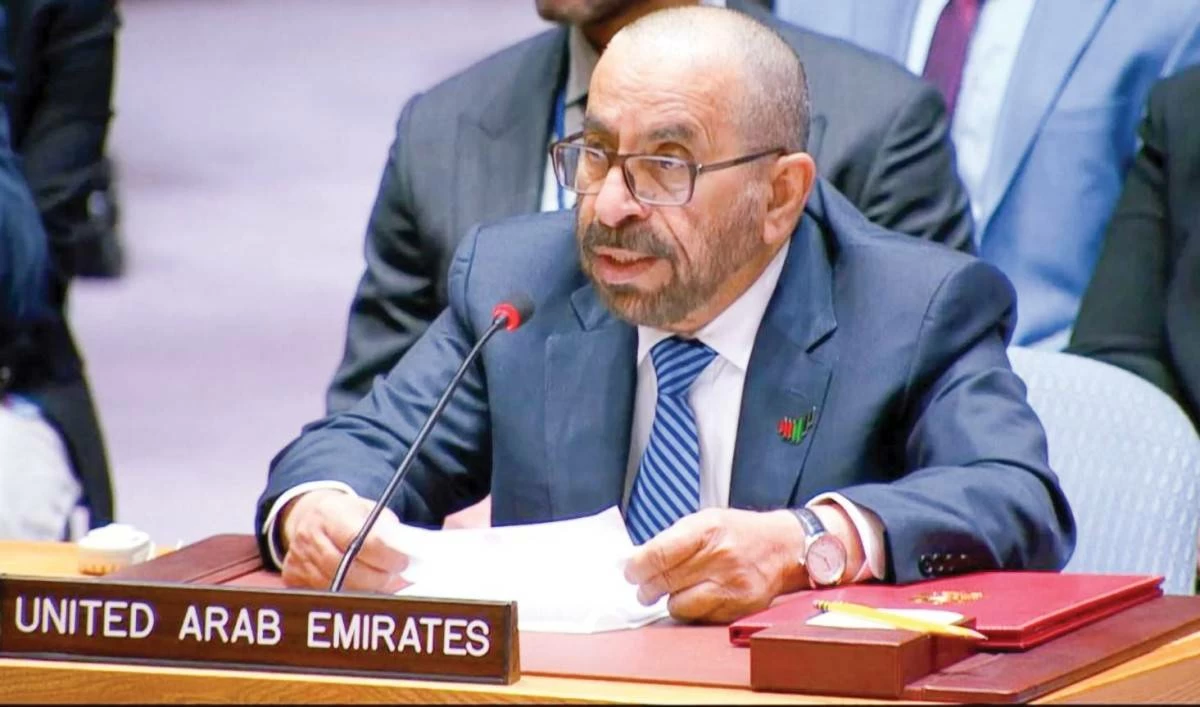
The United Arab Emirates has affirmed the need to secure and protect the flow of supply chains, trade and energy, without any fees, restrictions or obstacles, in accordance with international law, the law of the sea and the sovereignty of states. This came in the statement of the United Arab Emirates delivered by His Excellency Khalifa Shaheen Al Marar, Minister of State, during the open debate of the UN Security Council, on “Safe Seas and Common Security: Protecting Freedom of Navigation in a Changing Security Environment”. The UAE affirmed in a statement published on the website of the UAE Mission to the United Nations that the security of international supply chains, trade, and energy security is an integral part of maintaining international peace and security, noting that recent developments have proven that any threat to their flow affects food security and fertilisers necessary for agriculture, as well as having serious repercussions on the global economy. It pointed out that while everyone has been affected by these disturbances, the countries of the Global South bear the greatest burden of their repercussions. According to the statement, the World Food Programme estimated that continued disruptions could push up to 45 million more people into acute food insecurity, making populations with no connection to the crisis bear its humanitarian consequences. From this standpoint, the UAE stressed the need to secure and protect the flow of supply chains, trade and energy without any fees, restrictions or obstacles, in accordance with international law, the law of the sea and the sovereignty of states, stressing that otherwise would undermine the rules and principles on which international law and established rules between states are based. In closing, the UAE stressed the importance of supporting all efforts aimed at calming tensions, reducing escalation, and promoting stability in the region, in order to achieve security, peace, and prosperity for its people, expressing its appreciation for the efforts of countries in this regard. The UAE also expressed at the beginning of the statement its appreciation to the Kingdom of Bahrain for its efforts and keenness to keep the issue of maritime security and freedom of navigation at the top of the Security Council’s agenda, and thanked the briefers for their interventions.
Altman's UN briefing underscores the urgent need for global AI governance, highlighting geopolitical dynamics and the quest for international consensus.
CryptoBriefing•Editorial Team18 Sept
The meeting comes after the Iran-backed group seized strategic islands on the Bab el-Mandeb strait.

The IAEA's move heightens geopolitical tensions, potentially impacting US-Iran relations and increasing risks in future negotiations.
CryptoBriefing•Estefano Gomez10 Sept
The IAEA's referral of Iran to the UN Security Council could trigger geopolitical tensions, impacting global energy markets and diplomatic relations.
CryptoBriefing•Editorial Team9 Sept
Heightened diplomatic tensions may lead to increased sanctions, impacting global markets and reducing chances of a US-Iran nuclear agreement.
CryptoBriefing•Estefano Gomez7 Sept
The US, UK, France, and Germany push to refer Iran to the UN Security Council over blocked nuclear inspections, the first such referral in two
CryptoBriefing•Editorial Team7 Sept
The push to involve the UN Security Council could heighten geopolitical tensions, impacting global nuclear diplomacy and regional stability.
CryptoBriefing•Editorial Team4 Sept