
US Treasury freezes $130M in cryptocurrency linked to Iran’s central bank
The US Treasury's actions highlight the increasing global emphasis on crypto compliance as a critical national security measure.
 CryptoBriefing•Editorial Team14 Jul
The US Treasury's actions highlight the increasing global emphasis on crypto compliance as a critical national security measure.
CryptoBriefing•Editorial Team14 Jul
Surging foreign demand for US securities may stabilize borrowing costs, influencing Federal Reserve policies and diverting capital from alternatives.
CryptoBriefing•Editorial Team14 Jul
The swift policy shift underscores heightened geopolitical tensions, impacting global trade dynamics and compliance strategies significantly.
CryptoBriefing•Editorial Team14 Jul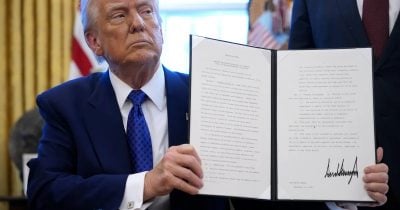
The guidance may tighten lending practices, potentially reducing credit availability and increasing costs, impacting broader financial markets.
CryptoBriefing•Editorial Team14 Jul
The introduction of currency with a living president's signature may spark debates on tradition versus modern commemorative practices.
CryptoBriefing•Editorial Team14 Jul
GPIF's potential bond shift could tighten global liquidity, impacting US Treasury yields and influencing yen carry trades and financial conditions.
CryptoBriefing•Editorial Team14 Jul
Rising yields and oil prices amid geopolitical tensions may prompt tighter Fed policy, impacting inflation control and economic growth.
CryptoBriefing•Estefano Gomez13 Jul
The shift to net short positions by primary dealers may lead to increased Treasury yields or necessitate regulatory and market reforms.
CryptoBriefing•Editorial Team11 Jul
The sanctions highlight the increasing role of crypto exchanges as regulatory chokepoints, impacting global financial compliance and enforcement.
CryptoBriefing•Editorial Team10 Jul
The sanctions highlight the vulnerabilities of financial systems linked to sanctioned regimes, potentially impacting global real estate markets.
CryptoBriefing•Editorial Team10 Jul
The US Treasury's stance may hinder global financial transparency efforts, potentially complicating risk assessment and regulatory alignment.
CryptoBriefing•Editorial Team10 Jul
Treasury LINK could revolutionize global finance by streamlining US Treasury trading, enhancing risk management, and broadening market access.
CryptoBriefing•Editorial Team9 Jul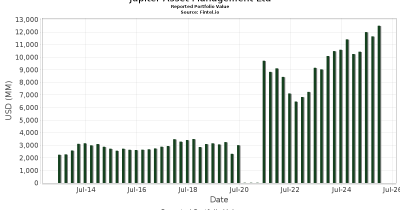
Jupiter's shift to European bonds highlights changing economic forecasts, influencing global investment strategies and market dynamics.
CryptoBriefing•Editorial Team9 Jul
The waiver revocation may heighten U.S.-Iran tensions, complicating diplomatic efforts and reducing market confidence in a nuclear deal.
CryptoBriefing•Estefano Gomez7 Jul
This move may ease Middle East tensions and influence nuclear talks, but broader sanctions relief depends on further diplomatic progress.
CryptoBriefing•Estefano Gomez7 Jul
The high demand for US Treasury bills at nearly 4% signals a shift in investment strategies, impacting crypto's appeal amid rising opportunity costs.
CryptoBriefing•Editorial Team7 Jul
Sanctions highlight the persistent threat of organized crime in energy sectors, urging heightened vigilance and compliance for global investors.
CryptoBriefing•Editorial Team30 Jun
A strong jobs report may stabilize interest rates, impacting risk assets like Bitcoin, while reinforcing current economic policies.
CryptoBriefing•Editorial Team30 Jun
The US's intensified sanctions on Iran may shift global oil dynamics, increasing China's leverage and impacting crypto market stability.
CryptoBriefing•Editorial Team30 Jun
The digital shift in sanctions relief processes could streamline compliance, potentially impacting sectors like crypto if expanded to include them.
CryptoBriefing•Editorial Team29 Jun