iPhone 18 Pro vs. iPhone 18 Pro Max Buyer's Guide
Cobertura cronológica
 Primera noticia14 sept, 11:26
iPhone 18 Pro vs. iPhone 18 Pro Max Buyer's Guide
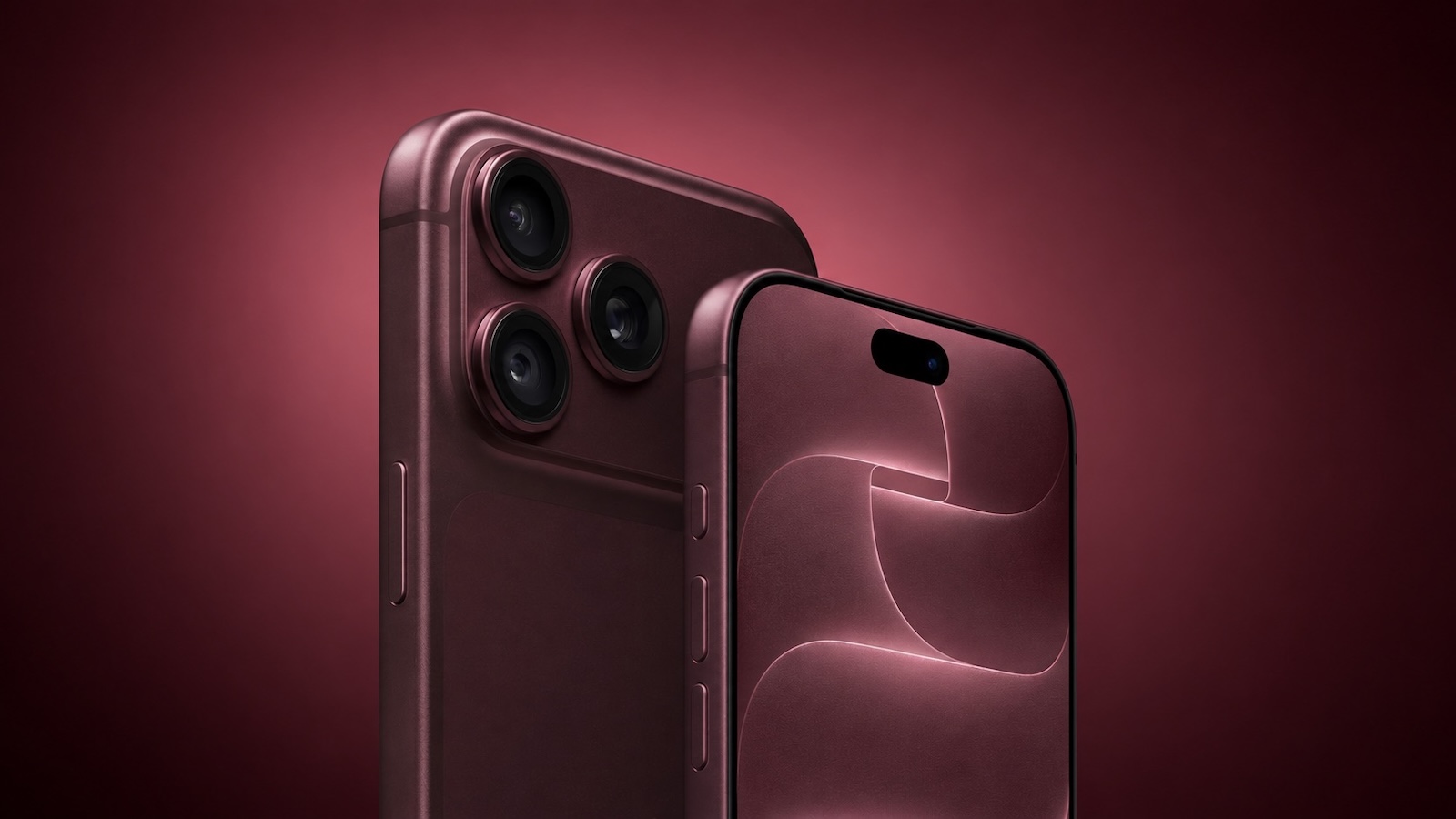
Apple recently unveiled the iPhone 18 Pro and iPhone 18 Pro Max, featuring a new Main camera with a variable aperture, new Pro camera controls, the A20 Pro chip, and more. With the foldable iPhone Duo now sitting above them in the lineup, the two Pro models are no longer the most expensive iPhones Apple sells, but they remain the most fully-featured traditional iPhones available. The iPhone 18 Pro starts at $1,199 and the iPhone 18 Pro Max starts at $1,299. Both see a $100 increase over the equivalent iPhone 17 Pro models, and the increases grow steeper further up the storage ladder , with a 1TB iPhone 18 Pro now costing $300 more than a 1TB iPhone 17 Pro did last year. Both phones have the same OLED Super Retina XDR always-on display with ProMotion and the Dynamic Island , the A20 Pro chip, 5G connectivity, a 48 megapixel Pro Fusion camera system, and the same four color options . Both are also offered in the same four storage tiers, including a 2TB option that is available on the smaller Pro model for the first time. Although the two phones share the vast majority of features, there are eight differences between the devices. Our guide highlights the crucial differences between the iPhone 18 Pro and iPhone 18 Pro Max, and helps to answer the question of how to decide which of these two iPhone models is best for you. Both models share the same thickness of 0.34 inches (8.75 mm), but otherwise have very different sizes and weights. iPhone 18 Pro iPhone 18 Pro Max Height 5.91 inches (150.0 mm) 6.43 inches (163.4 mm) Width 2.83 inches (71.9 mm) 3.07 inches (78.0 mm) Weight 7.44 ounces (211 grams) 8.78 ounces (249 grams) Other differences essentially come down to display size and battery life. As was the case last year, there are no camera differences between the two devices at all for this generation, with the variable aperture Fusion Main camera and the new manual Pro controls appearing on both models. iPhone 18 Pro iPhone 18 Pro Max 6.3-inch display 6.9-inch display 2622-by-1206-pixel resolution 2868-by-1320-pixel resolution 4,056 mAh battery 5,391 mAh battery Up to 36-hour video playback Up to 45-hour video playback Up to 33-hour streamed video playback Up to 40-hour streamed video playback Apple C2 modem in all countries Apple C2 modem outside the U.S., Qualcomm modem in the U.S. Apple does not advertise battery capacities on its product pages, but energy labels published in Europe confirm the exact figures for models that retain a SIM card tray. The capacities above apply to those models. eSIM-only versions, including all iPhones sold in the United States, have slightly larger cells because there is no tray taking up internal space, and Apple has not yet disclosed those figures. Apple lists its own C2 modem in the iPhone 18 Pro in every country, but the iPhone 18 Pro Max only uses the C2 outside the United States. U.S. units of the larger model instead contain a Qualcomm modem, and iOS code seen points to the same radio used in last year's iPhone 17 Pro models, which would make it the Snapdragon X80. The C2 supports both sub-6GHz and mmWave 5G, as the Qualcomm part does, and Apple says it is faster and more energy efficient than the C1X while adding AI-driven improvements to cellular quality and reliability. Real-world comparisons will not be possible until reviewers test both radios on the same networks. The clearest hint that the hardware genuinely differs is in the band listings, where the U.S. iPhone 18 Pro supports LTE Band 106 and the U.S. iPhone 18 Pro Max does not. Pricing is also a key area of difference, with the iPhone 18 Pro Max reaching $2,499 when configured with 2TB of storage. 256GB 512GB 1TB 2TB iPhone 18 Pro $1,199 $1,399 $1,799 $2,399 iPhone 18 Pro Max $1,299 $1,499 $1,899 $2,499 The iPhone 18 Pro Max represents the most you can get out of a traditional iPhone with the best possible battery life, but that does not necessarily translate into a worthwhile purchase for all users. At 8.78 ounces (249 grams), it is heavier than any iPhone Pro Max that came before it, and with a 6.9-inch display it is a large and hefty device. Some may find the iPhone 18 Pro Max's size excessive or uncomfortably large to hold, while others will love the larger display for consuming media. Screen size is ultimately a matter of personal preference, and since the iPhone 18 Pro and iPhone 18 Pro Max share all of their other features, it comes down to individual taste. Battery life is the one area where the gap between the two models has widened meaningfully this year. The iPhone 18 Pro Max gained six additional hours of video playback over the iPhone 17 Pro Max, while the iPhone 18 Pro gained three. The result is a nine-hour advantage for the larger model, up from six hours in the previous generation. If getting through a long day without reaching for a charger is your priority, the case for the Pro Max is more persuasive than it has been for some time. The added $100 in price for the iPhone 18 Pro Max seems fair for its additional display area and battery life, but it is important to weigh up these factors in your personal use-case. That $100 premium holds at every storage tier, so the larger model never becomes proportionally more expensive as capacity rises. Both devices become costly quickly with added storage, though, and the 1TB and 2TB tiers now carry surcharges that are considerably steeper than in previous years. U.S. buyers have one extra factor to bear in mind. Choosing the iPhone 18 Pro Max in the United States means giving up Apple's own modem, and while the day-to-day difference is likely to be very small, it is an unusual position for the more expensive device to be in. If you specifically want the C2 and you are buying in the U.S., the smaller model is the only way to get it. The most important decision point when choosing between the iPhone 18 Pro and iPhone 18 Pro Max is undoubtedly screen size, but comfort, pocketability, weight, battery life, and now the modem are also important considerations that will depend based on your preferences. If you are hesitant about the size and weight of the iPhone 18 Pro Max, it may be better to stick with the iPhone 18 Pro, which no longer forces you to give up the largest storage option to get the smaller body. If size is not a concern, the iPhone 18 Pro Max is otherwise unlikely to disappoint, especially if price is not an issue. Related Roundup: iPhone 18 Pro Buyer's Guide: iPhone 18 Pro (Buy Now) Related Forum: iPhone This article, " iPhone 18 Pro vs. iPhone 18 Pro Max Buyer's Guide " first appeared on MacRumors.com Discuss this article in our forums
MacRumors•Hartley Charlton
 Seguimiento15 sept, 19:17
iPhone 16 Pro vs. iPhone 18 Pro Buyer's Guide: Worth Upgrading?
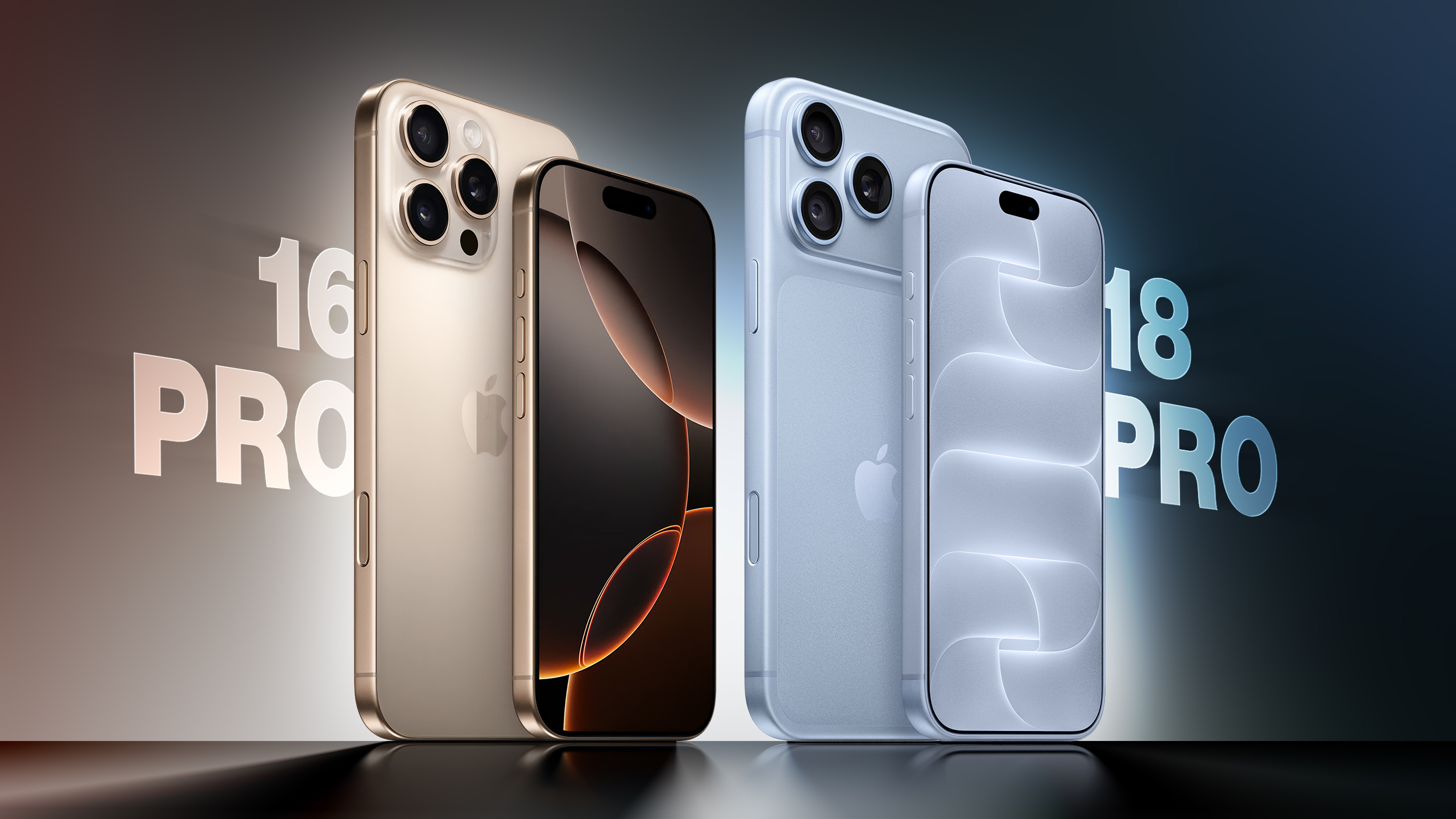
Apple last week announced the iPhone 18 Pro and iPhone 18 Pro Max, arriving two years after the iPhone 16 Pro and iPhone 16 Pro Max. Skipping a generation means makes for a bigger upgrade, with more than 50 differences between the 2024 and 2026 models. Most of the visible change arrived in between, with the iPhone 17 Pro replacing the titanium frame and glass back with an aluminum unibody and Ceramic Shield 2, adding vapor chamber cooling, and upgrading both the telephoto and front cameras. This year's update is largely focused on internal changes, centering on the A20 Pro chip, a variable-aperture Main camera, a smaller Dynamic Island , and a battery capacity increase that delivers the largest jump in battery life in the iPhone's history. For iPhone 16 Pro owners, the two sets of changes stack on top of each other. The iPhone 18 Pro starts at $1,199 for 256GB, $200 more than the iPhone 16 Pro's $999 launch price, although the entry storage tier has doubled from 128GB. Apple no longer sells the iPhone 16 Pro directly, so any comparison now involves either a device you already own or a third-party listing. Here's everything that differs between the iPhone 16 Pro and iPhone 18 Pro: Design and Display iPhone 16 Pro (2024) iPhone 18 Pro (2026) Titanium frame with full glass back Aluminum unibody with partial Ceramic Shield back 8.25mm thickness 8.75mm thickness Glass rounded square camera bump Full-width rounded rectangle aluminum camera plateau Ceramic Shield front Ceramic Shield 2 front with 3x better scratch resistance Fingerprint-resistant oleophobic coating only Apple-designed anti-reflective display coating to reduce glare 2,000 nits peak display brightness (outdoor) 3,000 nits peak display brightness (outdoor) 2x better outdoor contrast Dynamic Island supports up to two simultaneous Live Activities Smaller Dynamic Island, supports up to three simultaneous Live Activities iPhone 16 Pro : Weighs 7.03 ounces (199 grams) iPhone 16 Pro Max : Weighs 7.99 ounces (227 grams) iPhone 18 Pro : Weighs 7.44 ounces (211 grams) iPhone 18 Pro Max : Weighs 8.78 ounces (249 grams) Available in White, Black, Natural, and Desert Available in Silver, Black, Glacier, and Burgundy Chip, Performance, and Connectivity iPhone 16 Pro (2024) iPhone 18 Pro (2026) A18 Pro chip A20 Pro chip Built with TSMC's N3E process ( 3nm ) Built with TSMC's N2 process (2nm), Apple's first 2nm smartphone chip 6-core CPU with 2 performance cores and 4 efficiency cores 6-core CPU with 2 super cores and 4 efficiency cores 60GB/s memory bandwidth ~115GB/s memory bandwidth 8GB RAM 12GB RAM 6-core GPU 7-core GPU with Neural Accelerators 16-core Neural Engine Dual 16-core Neural Engine (32 total cores) Vapor chamber cooling with 3x more surface area than the iPhone 17 Pro New chip packaging that places silicon die beside memory, allowing it to attach directly to the vapor chamber Qualcomm Snapdragon X71 modem iPhone 18 Pro : Apple C2 modem in all countries iPhone 18 Pro Max : Apple C2 modem in all countries except the U.S., where it uses a Qualcomm modem Broadcom Wi-Fi and Bluetooth chip Apple N1 chip for Wi-Fi, Bluetooth, and Thread Bluetooth 5.3 connectivity Bluetooth 6 connectivity Rear Camera iPhone 16 Pro (2024) iPhone 18 Pro (2026) 12-megapixel Telephoto camera 48-megapixel Fusion Telephoto camera 0.5x, 1x, 2x, and 5x optical zoom options 0.5x, 1x, 2x, 4x, and 8x optical zoom options Fixed ƒ/1.78 aperture on the 48-megapixel Fusion Main camera Variable-aperture 48-megapixel Fusion Main camera with four stops: ƒ/1.48, ƒ/1.8, ƒ/2.8, and ƒ/4.0, using six laser-cut blades API available for developers to control the aperture range within their own apps Faster Night mode, tied to the new variable-aperture lens Pro controls in the Camera app: manual lens aperture, shutter speed, white balance, and histogram New sensor and computational imaging pipeline on the Fusion Main camera, delivering around 50% better low-light performance and more detail in the back of group photos Photographic Styles 2, adjusting tone and color Photographic Styles 3, adding texture and grain controls alongside tone and color Smart focus tracking Cinematic mode recording up to 4K Dolby Vision at 30 fps Cinematic mode recording up to 4K Dolby Vision at 60 fps Cinematic mode effects can be applied after capture, on video shot at up to 60 fps Improved low-light video Time-lapse video recording with stabilization, up to 4K Dolby Vision Apple Reference Image (Main camera only) Audio Mix Audio Mix with new algorithms for higher-quality voices, and the ability to isolate music ProRes RAW capture support Genlock support Front Camera iPhone 16 Pro (2024) iPhone 18 Pro (2026) 12-megapixel TrueDepth camera 18-megapixel TrueDepth camera Tap to zoom Tap to zoom and rotate Center Stage Ultra-stabilized video Dual Capture (up to 4K Dolby Vision at 30 fps) Photographic Styles 2, adjusting tone and color Photographic Styles 3, adding texture and grain controls alongside tone and color Smart focus tracking Cinematic mode effects can be applied after capture Improved low-light video Time-lapse video recording with stabilization, up to 4K Dolby Vision Battery and Charging iPhone 16 Pro (2024) iPhone 18 Pro (2026) iPhone 16 Pro : 3,582 mAh battery iPhone 16 Pro Max : 4,685 mAh battery iPhone 18 Pro : 4,056 mAh battery iPhone 18 Pro Max : 5,391 mAh battery iPhone 16 Pro : Up to 27 hours of video playback iPhone 16 Pro Max : Up to 33 hours of video playback iPhone 18 Pro : Up to 36 hours of video playback iPhone 18 Pro Max : Up to 45 hours of video playback iPhone 16 Pro : Up to 50% charge in 30 minutes with a 20W adapter or higher iPhone 16 Pro Max : Up to 50% charge in 35 minutes with a 20W adapter or higher Up to 50% charge in around 15 minutes with a 60W-capable adapter iPhone 16 Pro : MagSafe wireless charging up to 22W with a 30W adapter or higher iPhone 16 Pro Max : MagSafe wireless charging up to 25W with a 30W adapter or higher MagSafe wireless charging up to 25W, reaching 50% charge in 30 minutes with a 35W adapter or higher Storage and Pricing iPhone 16 Pro (2024) iPhone 18 Pro (2026) iPhone 16 Pro : Available with 128GB, 256GB, 512GB, or 1TB storage iPhone 16 Pro Max : Available with 256GB, 512GB, or 1TB storage Available with 256GB, 512GB, 1TB, or 2TB storage iPhone 16 Pro : Launched at $999 (128GB), $1,099 (256GB), $1,299 (512GB), $1,499 (1TB) iPhone 16 Pro Max : Launched at $1,199 (256GB), $1,399 (512GB), $1,599 (1TB) iPhone 18 Pro : $1,199 (256GB), $1,399 (512GB), $1,799 (1TB), $2,399 (2TB) iPhone 18 Pro Max : $1,299 (256GB), $1,499 (512GB), $1,899 (1TB), $2,499 (2TB) Now discontinued, only available via third-parties iPhone 18 Pro : Sold directly by Apple, from $49.95 a month for 24 months via Apple Upgrade iPhone 18 Pro Max : Sold directly by Apple, from $54.12 a month for 24 months via Apple Upgrade Which to Choose? For iPhone 16 Pro and iPhone 16 Pro Max owners, the iPhone 18 Pro is a worthwhile upgrade, and a far easier recommendation than it is for anyone coming from last year's model . Two generations of changes accumulate, touching almost every part of the device: an all-new aluminum unibody with Ceramic Shield 2 and three times better scratch resistance, a display that is 50% brighter outdoors at 3,000 nits and features an anti-reflective coating the iPhone 16 Pro lacks entirely, and a battery that runs for 36 hours rather than 27, rising from 33 hours to 45 hours on the Pro Max. Charging has changed most dramatically of all, dropping from 50% in 30 minutes to 50% in around 15 minutes. The camera differences are also major. The telephoto camera moves from 12 megapixels at 5x to 48 megapixels with 4x and 8x optical options, the front camera jumps from 12 megapixels to 18 megapixels and gains Center Stage and ultra-stabilized video, and the Main camera trades its fixed ƒ/1.78 aperture for a four-stop variable aperture ranging from ƒ/1.48 to ƒ/4.0. Add ProRes RAW, Genlock, Dual Capture, Cinematic mode at 60 fps, and manual Pro controls, and the iPhone 18 Pro is a substantially different camera system. Performance is the other argument for upgrading, particularly if you have noticed your iPhone 16 Pro throttling. The A20 Pro moves to a 2nm process, gains a seventh GPU core with Neural Accelerators, and doubles the Neural Engine to 32 cores, while the vapor chamber that the iPhone 16 Pro lacks entirely is now in its second generation. If you play demanding games, shoot long video clips, or expect to lean on on-device Apple Intelligence features for several more years, the extra 4GB of RAM and the doubled Neural Engine make the iPhone 18 Pro the more future-proof purchase. That being said, the price has moved against you. The iPhone 18 Pro costs $200 more than the iPhone 16 Pro did at launch, even accounting for the doubled 256GB entry tier, and the iPhone 18 Pro Max is $100 more than its equivalent. The iPhone 18 Pro Max is also 22 grams heavier than the iPhone 16 Pro Max, which is noticeable in the hand, although it buys you the largest battery gain Apple has ever delivered on an iPhone and the option of a 2TB device. A notable exception arises if you are upgrading primarily for the design, the telephoto camera, or the battery. Almost all of those enhancements arrived with the iPhone 17 Pro rather than this year's model, so an iPhone 17 Pro bought from a third-party retailer at a heavy discount will get you most of the way there for meaningfully less money. The iPhone 18 Pro's genuine exclusives over that model are the variable aperture and Pro controls, the C2 modem, the smaller Dynamic Island, and roughly three extra hours of battery life. If none of those matter to you, last year's model is the better value. Pre-orders for the iPhone 18 Pro and iPhone 18 Pro Max opened on Saturday, September 12, with availability beginning Friday, September 18. Related Roundup: iPhone 18 Pro Buyer's Guide: iPhone 18 Pro (Buy Now) Related Forum: iPhone This article, " iPhone 16 Pro vs. iPhone 18 Pro Buyer's Guide: Worth Upgrading? " first appeared on MacRumors.com Discuss this article in our forums
 Seguimiento16 sept, 14:31
iPhone 18 Pro Reviews: Excellent Yet... Meh?
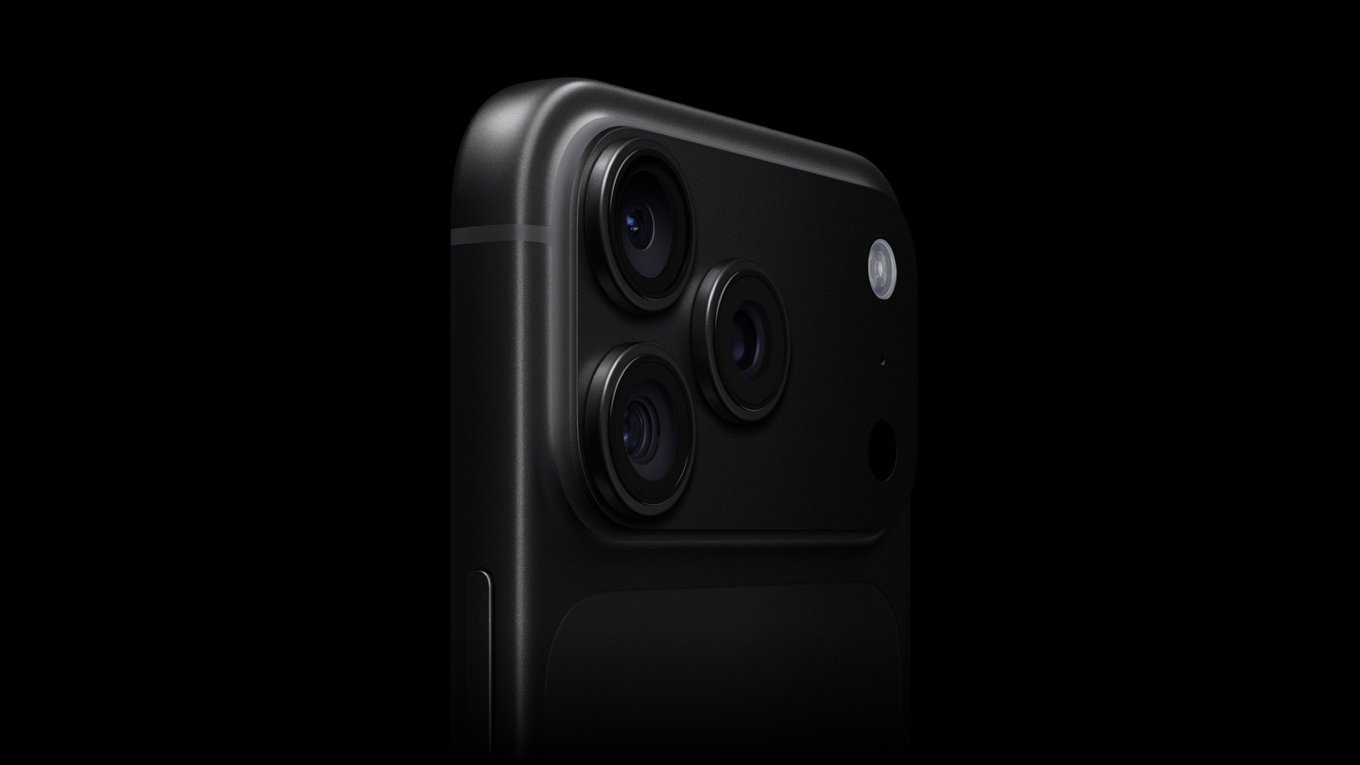
The first iPhone 18 Pro and iPhone 18 Pro Max reviews have been published today by selected tech websites and YouTube channels, ahead of the devices beginning to arrive to customers and launching in stores this Friday, September 18. While the iPhone 17 Pro models featured a major design overhaul last year, the iPhone 18 Pro models look the same overall and have a set of more incremental year-over-year upgrades related to the cameras, battery life, and performance. With the new A20 Pro chip, the first 2nm chip in a smartphone, Apple said the iPhone 18 Pro models deliver up to 20% faster CPU performance and up to 40% faster graphics performance compared to the A19 Pro chip in the iPhone 17 Pro. Gizmodo 's Raymond Wong benchmarked the A20 Pro chip: I ran Geekbench 7's CPU benchmark on the iPhone 18 Pro and compared results with the iPhone 17 Pro. Both phones were running the official iOS 27 release. The iPhone 18 Pro scored 4,027 for single-core and 11,540 for multi-core, and the iPhone 17 Pro mustered 3,258 on single-core and 9,167 on multi-core. That works out to a 24% boost for single-core performance and a 26% boost for multi-core. A revamped vapor chamber cooling system in the iPhone 18 Pro models is three times larger than the one in the iPhone 17 Pro models, for better heat dissipation. This allows the A20 Pro to achieve peak, sustained performance for longer. Wong on the iPhone 18 Pro's thermal management: I don't think the iPhone 18 Pros got hot once doing anything normal that would cause it to heat up. Not even shooting 4K resolution video at 60 fps under the heatwave that baked Cupertino during the Apple launch event could overheat it. Both of the iPhone 18 Pro models have longer battery life compared to the previous generation — especially the iPhone 18 Pro Max. If we go by Apple's offline video playback metric, the iPhone 18 Pro Max has up to 15% longer battery life compared to the iPhone 17 Pro Max. Fast charging to 50% now takes 15 minutes, down from 20 minutes. Tom's Guide published its typical battery life test, in which the iPhone 18 Pro Max achieved around half an hour longer battery life compared to the iPhone 17 Pro Max: OnePlus 15: 25 hours and 13 minutes iPhone 18 Pro Max: 18 hours and 27 minutes iPhone 17 Pro Max: 17 hours and 54 minutes Galaxy S26 Ultra: 16 hours and 40 minutes iPhone 18 Pro: 16 hours and 17 minutes iPhone 17 Pro: 15 hours and 21 minutes iPhone 18 Pro models have a slightly smaller Dynamic Island at the top of the screen that supports up to three Live Activities at once, up from two. 9to5Mac 's Chance Miller on a related Dynamic Island change: In my testing, what I've actually appreciated most is what happens when you have two Live Activities running at the same time. Thanks to the smaller Dynamic Island, the second Live Activity that appears on the right side can now show more information. The popular flight-tracking app Flighty showed this off: Flighty for iOS 27 is here 🏝️ Refined Dynamic Island 💫 New flight progress arc 📱 Support for all new sizes 🎨 New app icons ✨️ "Ask Flighty" with Siri AI Flying's most useful Dynamic Island. Now even better. Get: https://t.co/N1Fh9U3TnU pic.twitter.com/4IJlokeam3 — Flighty (@Flighty) September 14, 2026 The main 48-megapixel Fusion camera on both the iPhone 18 Pro and iPhone 18 Pro Max has variable aperture, allowing you to adjust the amount of light that reaches the image sensor for greater control over depth of field. Apple says this upgrade will allow for improved low-light photography and crisper details in the back of group photos. Variable aperture options include ƒ/1.48, ƒ/1.8, ƒ/2.8, and ƒ/4.0. PetaPixel 's Jaron Schneider on the variable aperture: I think Apple's choice not to lock us to the wider aperture was very smart, because sharpness takes a hit when shooting wide open. We noticed that while the center is about as sharp as last year's iPhone 17 Pro when shooting at night, the edges quickly degraded — this is not unusual for a wide-open lens, even on a full-size camera. When you're that wide open, image quality tends to fall off without a bunch of additional glass elements to counteract it. However, the image cleans up nicely at f/1.8 and sharpness peaks at f/2.8. At f/4, sharpness dips again, this time from diffraction, but not substantially. In order from sharpest to softest, it goes: f/2.8, f/1.8, f/4, and f/1.48. In the Camera app, iPhone 18 Pro users can manually adjust shutter speed, white balance, and aperture, and there is an option to use a histogram. These new "Pro controls" are exclusive to the iPhone 18 Pro and iPhone 18 Pro Max. CNET 's Patrick Holland on the Pro controls: I enjoy these controls, as I have when they've appeared on Android phones. My big criticism is how they're accessed: I use the lens aperture and shutter speed controls quite a bit, but they are located at the bottom of the camera controls drawer. When shooting one-handed, I have to tap, then expand the drawer to get to the bottom. I wish I could customize the position of the icons like I can with settings in the phone's control center. Also, why can't I assign any of these to the Camera Control button on the side of the phone? Imagine focus pulling in a video recording by sliding your finger. For 5G and LTE, the iPhone 18 Pro is equipped with Apple's second-generation C2 cellular modem worldwide, while the iPhone 18 Pro Max has the C2 modem in every country except the U.S., where it is reportedly still equipped with a Qualcomm modem, perhaps for contractual reasons. Apple said the C2 modem delivers "meaningfully faster uploads" compared to its previous C1X modem while consuming 15% less energy. In the U.S., the C2 is Apple's first modem with mmWave 5G support. We have not yet found any reviews that tested the C2 modem in a scientific way, but anecdotally most reviewers found 5G performance to be very adequate. iPhone 18 Pro and iPhone 18 Pro Max color options: a classic Silver, the return of Black, and special new Burgundy and Glacier finishes. In our view, there is no massive reason to upgrade to the iPhone 18 Pro models if you are coming from an iPhone 17 Pro or perhaps even an iPhone 16 Pro. If you have an iPhone 14 Pro or newer, though, upgrading to the iPhone 18 Pro is worth it to catch up on years of enhancements and bump up to a model that supports the new-and-improved Siri , which truly is a lot better and is available on the iPhone 15 Pro and newer. That's the reality with most iPhone launches nowadays: the devices remain excellent, yet the year-over-year upgrades can sort of feel "meh." The Verge 's Allison Johnson described the iPhone 18 Pro as "excellent and utterly iterative." And there is the iPhone Duo to consider this year, too. Engadget 's Cherlynn Low : In the iPhone Duo's shadow, the iPhone 18 Pro certainly feels like an "S" device. But S-year iPhones were never bad iPhones. They were simply unexciting. Similarly, while none of the iPhone 18 Pro's latest features are things you should run out the door to spend money on, it's certainly a meaningful improvement for anyone on an iPhone 16 Pro or older. Of all the iPhones you can buy now, it has the best camera setup, and anyone with the slightest interest in manual photography will appreciate the new variable aperture controls. Videos Related Roundup: iPhone 18 Pro Buyer's Guide: iPhone 18 Pro (Buy Now) Related Forum: iPhone This article, " iPhone 18 Pro Reviews: Excellent Yet... Meh? " first appeared on MacRumors.com Discuss this article in our forums
 Seguimiento16 sept, 19:28
iPhone 18 Pro vs. iPhone Duo Buyer's Guide: Which Should You Choose?
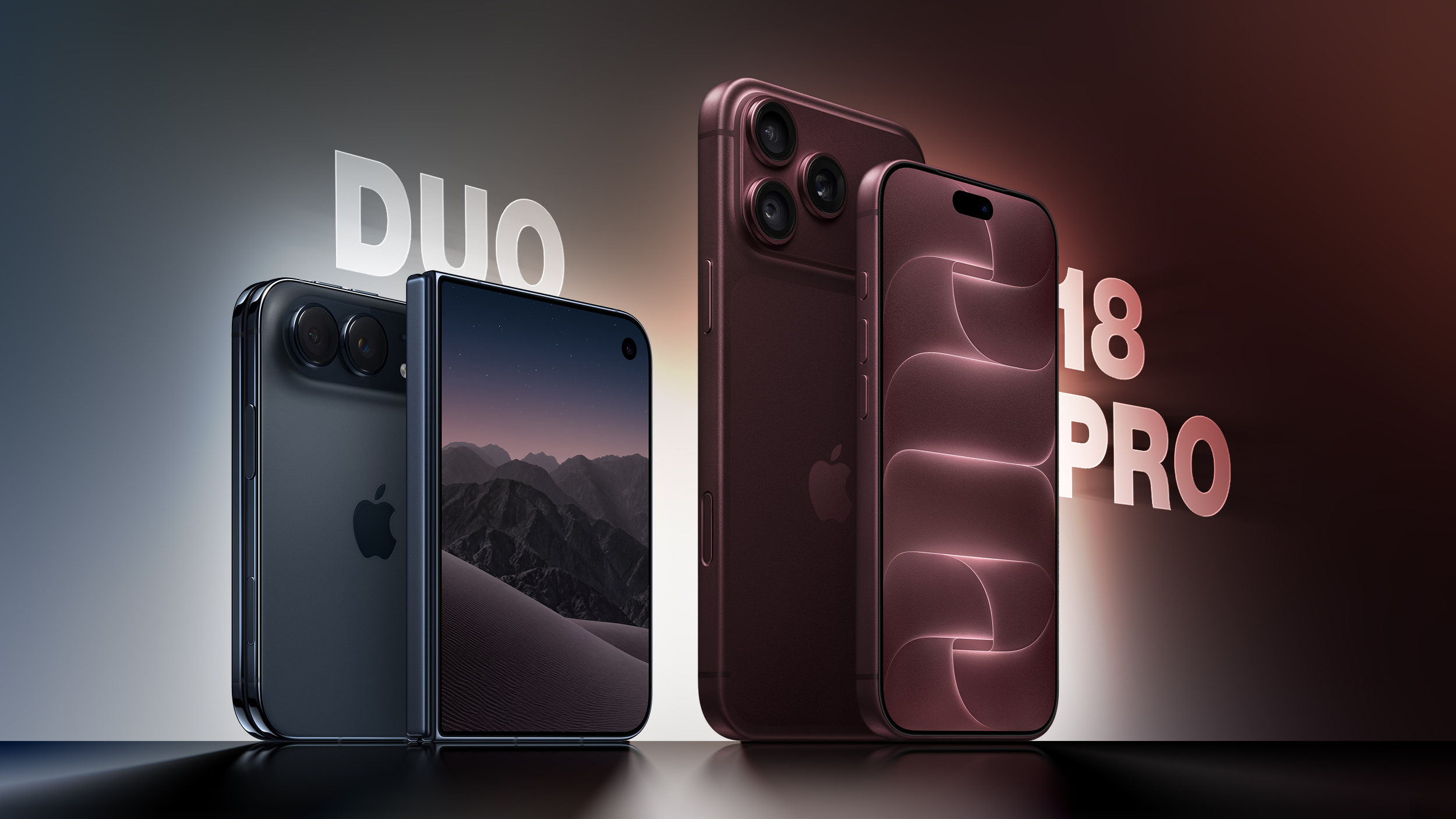
Apple's new iPhone lineup asks buyers a new and challenging question: Is a foldable display worth feature compromises? Alongside the iPhone 18 Pro and iPhone 18 Pro Max, which start at $1,199 and $1,299 respectively, there is now the iPhone Duo , Apple's first foldable iPhone, which starts at $1,999. All three are brand new, all three feature the same A20 Pro chip, and all three sit at the top end of Apple's lineup. The Duo is not a Pro model, though, and Apple's own wording makes that clear. For example, its rear camera array is branded the 48-megapixel Dual Fusion system rather than the Pro Fusion system, and the word Pro appears nowhere in its name. The $700 premium over the iPhone 18 Pro Max buys a folding 7.6-inch display, not a better camera. All three models still share a large amount of hardware. The shared features include: A20 Pro chip with a 6-core CPU, 7-core GPU with Neural Accelerators, dual 16-core Neural Engine, and hardware-accelerated ray tracing Apple C2 modem (except on the Pro Max in the United States), N1 wireless networking chip, Wi-Fi 7, Bluetooth 6, Thread, and the second-generation Ultra Wideband chip Super Retina XDR OLED displays with ProMotion up to 120Hz, Always-On display, Dynamic Island , and 3000 nits of peak outdoor brightness Ceramic Shield 2 front with 3x better scratch resistance, Ceramic Shield back, and IP68 water resistance to a depth of 6 meters Camera Control, a 48MP Fusion Ultra Wide camera at 13mm and f/2.2, Photographic Styles 3, Dual Capture, smart focus tracking, and 48MP macro photography Apple Intelligence and Siri AI in iOS 27 Emergency SOS, Crash Detection, Roadside Assistance, Messages, and Find My via satellite USB-C with USB 3 speeds, MagSafe and Qi2 wireless charging up to 25W, and dual eSIM 256GB, 512GB, 1TB, and 2TB storage options The comparison below outlines every difference between the Pro models and the Duo: Display iPhone 18 Pro and iPhone 18 Pro Max iPhone Duo iPhone 18 Pro : 6.3-inch display iPhone 18 Pro Max : 6.9-inch display 7.6-inch inner folding display and 5.4-inch outer display iPhone 18 Pro : 2622-by-1206 resolution at 460 ppi iPhone 18 Pro Max : 2868-by-1320 resolution at 460 ppi Outer display : 1398-by-2034 at 460 ppi Inner display : 1878-by-2670 at 430 ppi Nano-texture finish and wide-angle OLEDs on the inner display Supports Apple Pencil with USB-C Design and Build iPhone 18 Pro and iPhone 18 Pro Max iPhone Duo Aluminum unibody Polished titanium frame with a 3D-printed hinge cover Action button Face ID enabled by TrueDepth technology Touch ID in the side button Dual ambient light sensors Four ambient light sensors Compatible with MagSafe cases, wallets, and wireless chargers Compatible with MagSafe cases and wireless chargers Black, Silver, Glacier, and Burgundy options Night Sky and Star White options Made with 40% recycled content, including 85% recycled aluminum in the enclosure, 100% recycled rare earth elements in all magnets, 80% recycled steel in the battery enclosure and vapor chamber chassis, and 100% recycled tungsten in the Taptic Engine Made with 35% recycled content, including 100% recycled aluminum in the internal structural frame, 85% recycled titanium in the enclosure, and 100% recycled titanium in the 3D-printed hinge cover 50% of manufacturing electricity sourced from renewable electricity 60% of manufacturing electricity sourced from renewable electricity Dimensions and Weight iPhone 18 Pro iPhone 18 Pro Max iPhone Duo Height 5.91 inches (150.0 mm) 6.43 inches (163.4 mm) 4.64 inches (117.8 mm) closed 4.64 inches (117.8 mm) open Width 2.83 inches (71.9 mm) 3.07 inches (78.0 mm) 3.31 inches (84.1 mm) closed 6.48 inches (164.6 mm) open Depth 0.34 inch (8.75 mm) 0.34 inch (8.75 mm) 0.44 inch (11.3 mm) closed 0.21 inch (5.2 mm) open Weight 7.44 ounces (211 grams) 8.78 ounces (249 grams) 8.96 ounces (254 grams) Rear Cameras iPhone 18 Pro and iPhone 18 Pro Max iPhone Duo 48MP Pro Fusion camera system 48MP Dual Fusion camera system 48MP Fusion Main camera: 24mm, second-generation sensor-shift OIS, 100% Focus Pixels 48MP Fusion Main camera: 26mm, sensor-shift OIS, Hybrid Focus Pixels Variable aperture on Main camera: f/1.48, f/1.8, f/2.8, and f/4.0 Fixed f/1.6 aperture on Main camera 12MP optical-quality 2x "telephoto" sensor crop at 48mm from the Main camera 12MP optical-quality 2x "telephoto" sensor crop at 52mm from the Main camera 48MP Fusion Telephoto camera: 100mm (4x), f/2.8, tetraprism, 3D sensor-shift OIS and autofocus 12MP optical-quality 8x Telephoto sensor crop at 200mm, f/2.8, from the Fusion Telephoto camera LiDAR scanner 0.5x, 1x, 2x, 4x, and 8x optical zoom options 0.5x, 1x, and 2x optical zoom options 8x optical-quality zoom in, 2x optical zoom out, for a 16x optical-quality zoom range 2x optical-quality zoom in, 2x optical zoom out, for a 4x optical-quality zoom range Digital zoom up to 40x for photos and up to 24x for video Digital zoom up to 10x for photos and up to 6x for video Adaptive True Tone flash True Tone flash Four studio-quality mics Smart Take and Duo Preview Pro Capture Features and Formats iPhone 18 Pro and iPhone 18 Pro Max iPhone Duo Pro controls for lens aperture, shutter speed, white balance, and viewing histogram ProRAW Apple Reference Image (Fusion Main camera only) Spatial photos Spatial video recording at 1080p at 30 fps ProRes video recording up to 4K at 120 fps with external recording ProRes RAW video recording Apple Log 2 Academy Color Encoding System (ACES) Genlock Image formats captured: HEIF, JPEG, and DNG Image formats captured: HEIF and JPEG Video formats recorded: HEVC, H.264, ProRes, and ProRes RAW Video formats recorded: HEVC and H.264 Video playback formats include HEVC, H.264, AV1, and ProRes Video playback formats include HEVC, H.264, and AV1 Front Cameras iPhone 18 Pro and iPhone 18 Pro Max iPhone Duo 18MP Center Stage front camera, f/1.9 12MP Center Stage outer camera, f/2.2 Autofocus with Focus Pixels on the front camera Front camera Pro controls, ProRAW, ProRes, ProRes RAW, Apple Log 2, and Academy Color Encoding System Kid Cue on the front camera Under-display FaceTime camera on the inner display, f/1.8, limited to 1080p video at 30 or 60 fps with no Night mode, portraits, or Photographic Styles Duo FaceTime Optical zoom with the rear camera in FaceTime Zoom with the rear camera in FaceTime Battery and Charging iPhone 18 Pro and iPhone 18 Pro Max iPhone Duo Built-in rechargeable battery Dual built-in rechargeable batteries iPhone 18 Pro : Up to 24 hours typical use iPhone 18 Pro Max : Up to 30 hours typical use Up to 24 hours typical use iPhone 18 Pro : Up to 36 hours video playback iPhone 18 Pro Max : Up to 45 hours video playback Up to 44 hours using the outer display, up to 31 hours using the inner display iPhone 18 Pro : Up to 33 hours streamed video playback iPhone 18 Pro Max : Up to 40 hours streamed video playback Up to 37 hours streamed using the outer display, up to 26 hours using the inner display 50% charge in around 15 minutes 50% charge in around 20 minutes Price iPhone 18 Pro iPhone 18 Pro Max iPhone Duo 256GB $1,199 $1,299 $1,999 512GB $1,399 $1,499 $2,199 1TB $1,799 $1,899 $2,599 2TB $2,399 $2,499 $3,199 For most buyers, the iPhone 18 Pro or iPhone 18 Pro Max is the better choice. They offer the same A20 Pro chip as the Duo, a more versatile camera system, and a lower price. Choose the Pro if you prefer a smaller, lighter phone, or pay $100 more for the Pro Max if you want a larger screen and longer battery life. The camera system is the clearest reason to choose an iPhone 18 Pro over the iPhone Duo. Alongside a more advanced Main camera, the Pro models offer a variable aperture for greater control over depth of field and a dedicated Telephoto camera for subjects you cannot get close to. These advantages matter even if you never use professional capture formats: The Pro gives you more flexibility both when framing a shot and when controlling how it looks. If photography or videography is a priority, choose the iPhone 18 Pro. Buyers who also use ProRAW, ProRes, or manual controls have even more reason to do so. The iPhone Duo is worth considering if you frequently wish your phone had a larger screen for reading, documents, taking notes, or watching video. Its 7.6-inch folding display and Apple Pencil support are unique in the iPhone lineup and could reduce the need to carry a separate tablet. If you would unfold it several times a day for those sorts of tasks, the benefit may outweigh the camera compromises and higher price. If most of your use involves messaging, social media, and taking photos, there is less reason to pay extra for the iPhone Duo. The compromises also extend beyond the rear cameras. Both of its front-facing cameras are also inferior. The iPhone Duo also replaces Face ID with Touch ID and drops the Action button, so buyers will need to adjust. It also lacks the Pro models' LiDAR Scanner, adaptive True Tone flash, four studio-quality microphones, and spatial photo and video recording. You also need to be comfortable with the Duo when it is closed. Despite its smaller outer screen, it is wider and thicker than either Pro model and slightly heavier than the Pro Max. Battery life is another reason to favor the Pro Max: The Duo matches the smaller Pro's rated typical-use battery life, and using its inner display reduces its video playback time substantially. The price gap remains significant at every storage tier. A 1TB iPhone 18 Pro Max is only $100 cheaper than the entry-level iPhone Duo, but that Duo has just 256GB of storage. At the same capacity, you pay $700 more than the Pro Max or $800 more than the Pro. That premium needs to be justified by how much you would use the folding screen and how much you care about some of the device's compromises. Buy the Duo if you have a clear idea of the things you would regularly unfold it to do, or if experiencing Apple's first foldable and a radically new kind of iPhone is itself worth the premium to you. If you are unsure how the larger screen would fit into your routine, the Pro models remain the stronger purchase with their traditional "slab" form factor and host of superior specifications. The iPhone 18 Pro and iPhone 18 Pro Max are available to pre-order now. iPhone Duo pre-orders open on October 16 ahead of an October 23 release. Related Roundups: iPhone 18 Pro , iPhone Duo Buyer's Guide: iPhone 18 Pro (Buy Now) , iPhone Duo (Coming Soon) Related Forum: iPhone This article, " iPhone 18 Pro vs. iPhone Duo Buyer's Guide: Which Should You Choose? " first appeared on MacRumors.com Discuss this article in our forums
 Seguimientohace 8 h
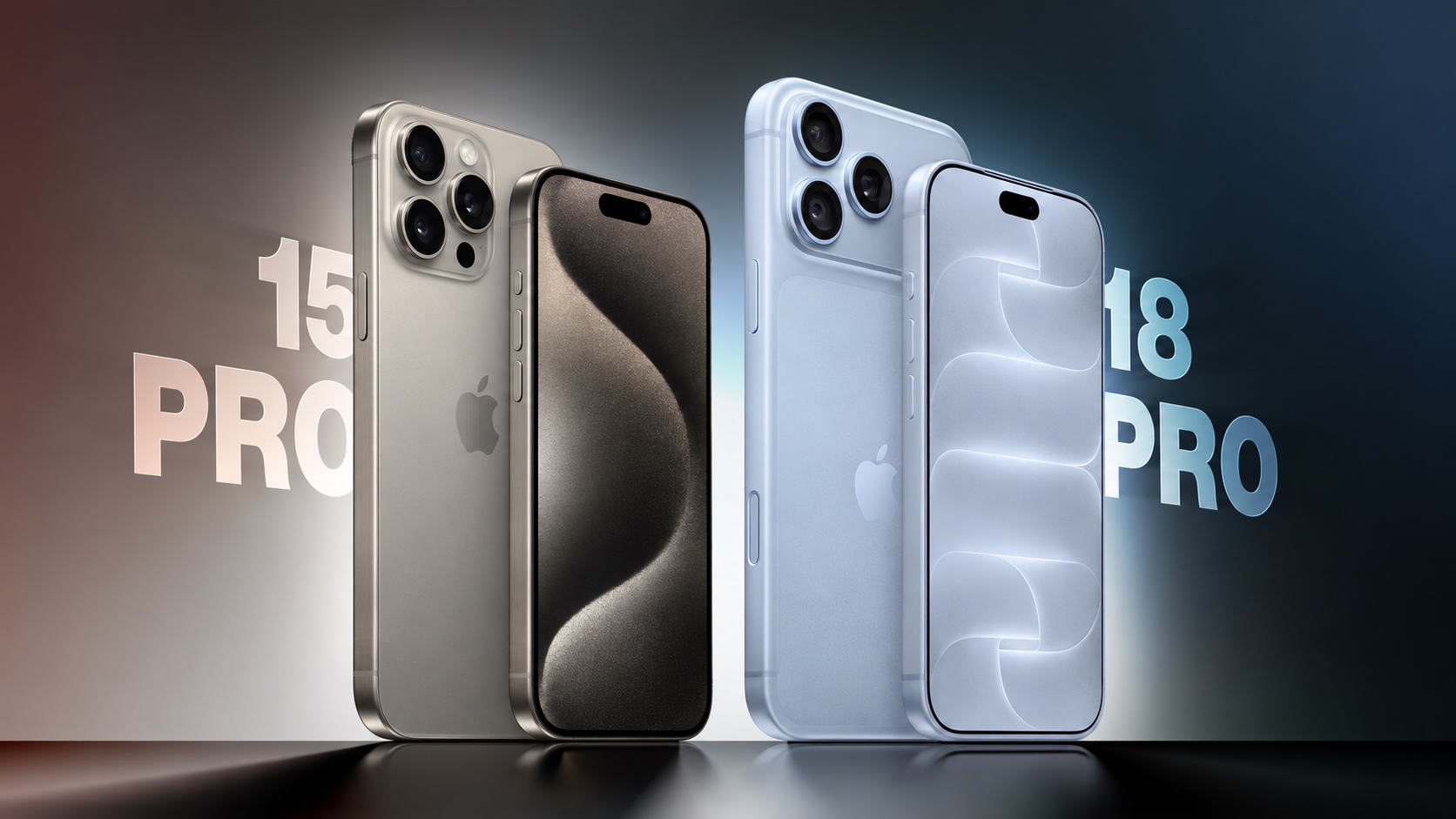
iPhone 15 Pro vs. iPhone 18 Pro Buyer's Guide: Should You Upgrade?
Apple announced the iPhone 18 Pro and iPhone 18 Pro Max earlier this month, arriving three years after the iPhone 15 Pro and iPhone 15 Pro Max. Three generations of changes make for a substantial upgrade, bringing larger displays, an all-new design, improvements to every camera, significantly longer battery life, and faster charging. The iPhone 16 Pro introduced larger displays with thinner borders, the Camera Control, a 48-megapixel Ultra Wide camera, and improved video and audio recording. The iPhone 17 Pro replaced the titanium frame and glass back with an aluminum unibody, added vapor chamber cooling and Ceramic Shield 2, and upgraded both the telephoto and front-facing cameras. This year's refresh centers on the A20 Pro chip, a variable-aperture Main camera, a smaller Dynamic Island , and a further increase in battery capacity . For iPhone 15 Pro owners, all three sets of changes accumulate. The iPhone 18 Pro starts at $1,199 for 256GB, $200 more than the iPhone 15 Pro's $999 launch price, although the entry storage tier has doubled from 128GB. The iPhone 18 Pro Max starts at $1,299, $100 more than the iPhone 15 Pro Max's equivalent starting configuration. Here are the key differences between the iPhone 15 Pro and iPhone 18 Pro: Design and Display iPhone 15 Pro (2023) iPhone 18 Pro (2026) Brushed titanium frame with full glass back Aluminum unibody with partial Ceramic Shield back, improving heat dissipation Glass rounded square camera bump Full-width rounded rectangle aluminum camera plateau iPhone 15 Pro : 6.1-inch display iPhone 15 Pro Max : 6.7-inch display iPhone 18 Pro : 6.3-inch display iPhone 18 Pro Max : 6.9-inch display iPhone 15 Pro : 2,556-by-1,179-pixel resolution iPhone 15 Pro Max : 2,796-by-1,290-pixel resolution iPhone 18 Pro : 2,622-by-1,206-pixel resolution iPhone 18 Pro Max : 2,868-by-1,320-pixel resolution Wider borders around the display Thinner borders, with the initial reduction of 30% introduced on the iPhone 16 Pro Approximately 2-4 nits minimum display brightness 1 nit minimum display brightness More power-efficient display Ceramic Shield front Ceramic Shield 2 front, with Apple claiming 3x better scratch resistance than the iPhone 16 Pro Fingerprint-resistant oleophobic coating only Fingerprint-resistant oleophobic coating and Apple-designed anti-reflective coating to reduce glare 2,000 nits peak display brightness (outdoor) 3,000 nits peak display brightness (outdoor), a 50% increase 2x better outdoor contrast, as stated in the iPhone 16 Pro comparison Dynamic Island supports up to two simultaneous Live Activities Smaller Dynamic Island, supports up to three simultaneous Live Activities Camera Control capacitive button with sapphire crystal cover Available in Black Titanium, White Titanium, Natural Titanium, and Blue Titanium Available in Silver, Black, Glacier, and Burgundy 99% or more fiber-based packaging 100% fiber-based packaging, suitable for recycling Dimensions and Weight iPhone 15 Pro (2023) iPhone 18 Pro (2026) Height iPhone 15 Pro : 146.6mm (5.77 inches) iPhone 15 Pro Max : 159.9mm (6.29 inches) iPhone 18 Pro : 150.0mm (5.91 inches) iPhone 18 Pro Max : 163.4mm (6.43 inches) Width iPhone 15 Pro : 70.6mm (2.78 inches) iPhone 15 Pro Max : 76.7mm (3.02 inches) iPhone 18 Pro : 71.9mm (2.83 inches) iPhone 18 Pro Max : 78.0mm (3.07 inches) Thickness 8.25mm (0.32 inches) 8.75mm (0.34 inches) Weight iPhone 15 Pro : 187 grams (6.60 ounces) iPhone 15 Pro Max : 221 grams (7.81 ounces) iPhone 18 Pro : 211 grams (7.44 ounces), an increase of 24 grams iPhone 18 Pro Max : 249 grams (8.78 ounces), an increase of 28 grams Chip, Performance, and Connectivity iPhone 15 Pro (2023) iPhone 18 Pro (2026) A17 Pro chip A20 Pro chip Built with TSMC's N3B process (first-generation 3nm ) Built with TSMC's N2 process (2nm), Apple's first 2nm smartphone chip 6-core CPU with 2 performance cores and 4 efficiency cores 6-core CPU with 2 super cores and 4 efficiency cores 8GB LPDDR5 RAM 12GB LPDDR5X RAM 51.2Gb/s memory bandwidth< 115GB/s memory bandwidth 6-core GPU 7-core GPU with Neural Accelerators First-generation hardware-accelerated ray tracing Faster hardware-accelerated ray tracing 16-core Neural Engine Dual 16-core Neural Engine (32 total cores) Vapor chamber cooling with 3x more surface area than the iPhone 17 Pro New chip packaging that places silicon die beside memory, allowing it to attach directly to the vapor chamber Earlier video encoding hardware Enhanced video encoding hardware supporting higher-frame-rate recording and additional professional formats Qualcomm Snapdragon X70 modem iPhone 18 Pro : Apple C2 modem in all countries iPhone 18 Pro Max : Apple C2 modem in all countries except the U.S., where it uses a Qualcomm modem Broadcom Wi-Fi and Bluetooth chip Apple N1 chip for Wi-Fi, Bluetooth, and Thread Wi-Fi 6E (802.11ax) Wi-Fi 7 (802.11be) Bluetooth 5.3 connectivity Bluetooth 6 connectivity Rear Camera iPhone 15 Pro (2023) iPhone 18 Pro (2026) First-generation quad-pixel sensor Newer sensor and computational imaging pipeline, building on the faster readout speeds and zero shutter lag introduced with the iPhone 16 Pro Fixed ƒ/1.78 aperture on the Main camera Variable aperture with four stops: ƒ/1.48, ƒ/1.8, ƒ/2.8, and ƒ/4.0, using six laser-cut blades API available for developers to control the aperture range within their own apps Night mode Faster Night mode, tied to the new variable-aperture lens Around 50% better Main camera low-light performance than the iPhone 16 Pro, with more detail in the back of group photos Pro controls in the Camera app: manual lens aperture, shutter speed, white balance, and histogram 12-megapixel Ultra Wide camera 48-megapixel Fusion Ultra Wide camera 12-megapixel Telephoto camera 48-megapixel Fusion Telephoto camera iPhone 15 Pro : 3x Telephoto camera, with 77mm focal length iPhone 15 Pro Max : 5x Telephoto camera, with 120mm focal length 4x Telephoto camera, with 100mm focal length, also enabling 12-megapixel optical-quality 8x shots at 200mm iPhone 15 Pro : 0.5x, 1x, 2x, and 3x zoom options, with optical-quality 2x derived from the Main camera iPhone 15 Pro Max : 0.5x, 1x, 2x, and 5x zoom options, with optical-quality 2x derived from the Main camera 0.5x, 1x, 2x, 4x, and 8x zoom options, with optical-quality 2x and 8x derived from the Main and Telephoto cameras Macro photography 48-megapixel macro photography Support for JPEG-XL format First-generation Photographic Styles Photographic Styles 3, with tone, color, texture, and grain controls Depth mapping for AR and portrait photography Enhanced depth mapping for AR and portrait photography, with more accurate background and subject separation and more realistic bokeh Smart focus tracking Apple Reference Image (Main camera only) Camera Control The iPhone 15 Pro already has an Action button that can launch the camera or Visual Intelligence , but it lacks the dedicated Camera Control introduced with the iPhone 16 lineup. The iPhone 18 Pro's Camera Control provides the following additional functions: Press Camera Control to launch the Camera app Press to capture a photo or press and hold to record video Light press to lock focus and exposure before reframing Slide across the capacitive surface to adjust settings such as zoom, exposure, styles, and tone Light-press controls overlay for quick access to camera settings Integration with supported third-party camera apps Press and hold to activate Visual Intelligence Video Recording iPhone 15 Pro (2023) iPhone 18 Pro (2026) 4K video recording at 24 fps, 25 fps, 30 fps, or 60 fps, with Dolby Vision HDR up to 60 fps 4K Dolby Vision video recording at 24 fps, 25 fps, 30 fps, 60 fps, 100 fps (Fusion Main), or 120 fps (Fusion Main) 1080p HD video recording at 25 fps, 30 fps, or 60 fps 1080p Dolby Vision video recording at 25 fps, 30 fps, 60 fps, or 120 fps (Fusion Main) ProRes video recording up to 4K at 60 fps with external recording ProRes video recording up to 4K at 120 fps with external recording Slo-mo video support for 1080p at 120 fps or 240 fps Slo-mo video support for 1080p up to 240 fps and 4K Dolby Vision up to 120 fps (Fusion Main) Cinematic mode recording up to 4K HDR at 30 fps Cinematic mode recording up to 4K Dolby Vision at 60 fps Cinematic mode effects can be applied after capture to Fusion Main video shot at up to 60 fps Pro controls for lens aperture, shutter speed, white balance, and histogram Smart focus tracking Improved low-light video at 1080p Time-lapse video recording with stabilization Time-lapse video recording with stabilization, up to 4K Dolby Vision QuickTake video QuickTake video up to 4K Dolby Vision at 60 fps Apple Log Apple Log 2 ProRes RAW capture support Genlock support Dual Capture up to 4K Dolby Vision at 30 fps Front Camera iPhone 15 Pro (2023) iPhone 18 Pro (2026) 12-megapixel TrueDepth camera with conventional rectangular sensor 18-megapixel Center Stage camera with square sensor and TrueDepth technology Tap to zoom Tap to zoom and rotate, allowing portrait and landscape framing without rotating the iPhone Center Stage for photos and video calls Ultra-stabilized video Dual Capture, recording the front and rear cameras simultaneously at up to 4K Dolby Vision at 30 fps First-generation Photographic Styles Photographic Styles 3, with tone, color, texture, and grain controls Smart focus tracking, as described in the supplied comparison Pro controls for shutter speed, white balance, and histogram 4K video recording at 24 fps, 25 fps, 30 fps, or 60 fps, with Dolby Vision HDR up to 60 fps 4K Dolby Vision video recording at 24 fps, 25 fps, 30 fps, or 60 fps 1080p HD video recording at 25 fps, 30 fps, or 60 fps 1080p Dolby Vision video recording at 25 fps, 30 fps, or 60 fps Cinematic mode up to 4K HDR at 30 fps Cinematic mode up to 4K Dolby Vision at 30 fps Cinematic mode effects can be applied after capture Improved low-light video at 1080p Time-lapse video recording with stabilization Time-lapse video recording with stabilization, up to 4K Dolby Vision QuickTake video QuickTake video up to 4K at 60 fps in Dolby Vision Apple Log Apple Log 2 ProRes RAW capture support Audio Recording iPhone 15 Pro (2023) iPhone 18 Pro (2026) Stereo recording Spatial Audio and stereo recording Studio-quality four-mic array Wind noise reduction Audio Mix with algorithms for higher-quality voices and the ability to isolate music Battery and Charging iPhone 15 Pro (2023) iPhone 18 Pro (2026) iPhone 15 Pro : 3,274 mAh battery iPhone 15 Pro Max : 4,422 mAh battery iPhone 18 Pro : 4,056 mAh battery (SIM-tray models); 4,288 mAh battery (eSIM-only models) iPhone 18 Pro Max : 5,391 mAh battery (SIM-tray models); 5,567 mAh battery (eSIM-only models) iPhone 15 Pro : Up to 23 hours of video playback iPhone 15 Pro Max : Up to 29 hours of video playback iPhone 18 Pro : Up to 36 hours of video playback iPhone 18 Pro Max : Up to 45 hours of video playback iPhone 15 Pro : Up to 20 hours of streamed video playback iPhone 15 Pro Max : Up to 25 hours of streamed video playback iPhone 18 Pro : Up to 33 hours of streamed video playback iPhone 18 Pro Max : Up to 40 hours of streamed video playback Up to 50% charge in around 30 minutes with a 20W adapter or higher Up to 50% charge in around 15 minutes with a 60W-capable adapter or higher supporting Adjustable Voltage Supply MagSafe wireless charging up to 15W with a 20W adapter or higher MagSafe wireless charging up to 25W, reaching 50% charge in 30 minutes with a 35W adapter or higher Qi2 wireless charging up to 15W Qi2 wireless charging up to 25W Storage and Pricing iPhone 15 Pro (2023) iPhone 18 Pro (2026) iPhone 15 Pro : Available with 128GB, 256GB, 512GB, or 1TB storage iPhone 15 Pro Max : Available with 256GB, 512GB, or 1TB storage Available with 256GB, 512GB, 1TB, or 2TB storage iPhone 15 Pro : Launched at $999 (128GB), $1,099 (256GB), $1,299 (512GB), $1,499 (1TB) iPhone 15 Pro Max : Launched at $1,199 (256GB), $1,399 (512GB), $1,599 (1TB) iPhone 18 Pro : $1,199 (256GB), $1,399 (512GB), $1,799 (1TB), $2,399 (2TB) iPhone 18 Pro Max : $1,299 (256GB), $1,499 (512GB), $1,899 (1TB), $2,499 (2TB) Now discontinued Sold directly by Apple Current purchase prices depend on third-party stock, condition, and warranty iPhone 18 Pro : From $49.95 a month for 24 months via Apple Upgrade iPhone 18 Pro Max : From $54.12 a month for 24 months via Apple Upgrade Which to Choose? For iPhone 15 Pro and iPhone 15 Pro Max owners considering a replacement, the iPhone 18 Pro is a worthwhile upgrade. Three generations of changes bring improvements to the display, each camera on the device, battery life, charging, and sustained performance. Battery life is likely to be the strongest argument for most users, particularly if their current device no longer comfortably lasts through the day, while faster wired charging makes brief charging stops more useful. The camera upgrade is especially compelling for anyone who regularly takes photos or records video. Higher-resolution Ultra Wide and Telephoto cameras expand the options beyond the Main camera, while the variable aperture and Pro controls provide additional creative flexibility. The Camera Control also offers a dedicated way to launch the camera and adjust settings, although its value will depend on whether you prefer physical controls to the touchscreen. Owners of the smaller iPhone 15 Pro gain more native telephoto reach, moving from 3x to 4x, as well as the optical-quality 8x option. For iPhone 15 Pro Max owners, the camera moves from 5x to 4x, with the higher-resolution sensor enabling the additional 8x crop. For video creators, the accumulated changes are more consequential still. Higher-frame-rate 4K recording, ProRes RAW, Genlock, Apple Log 2, Dual Capture, and improved audio tools expand the range of work that can be completed on the device. The square front-camera sensor also makes landscape framing easier without rotating the phone, while Center Stage improves flexibility for group photos and video calls. The A20 Pro and vapor chamber cooling make the strongest performance case for users who play demanding games, record long video clips, or regularly push their device through sustained workloads. More RAM and additional AI processing hardware provide greater headroom for supported on-device tasks. For messaging, browsing, and other everyday activities, the A17 Pro remains capable, and access to iOS 27 , Apple Intelligence , or Visual Intelligence alone does not require replacing it. There are physical trade-offs to consider. Both newer models are larger and thicker, with weight increasing by 24 grams on the Pro and 28 grams on the Pro Max. The aluminum enclosure improves heat flow, but it may show dents and scratches more readily than the titanium frame. Users who chose the iPhone 15 Pro for its relatively compact size and light weight may find those changes less appealing, even with the improvements in screen size and battery life. If your iPhone 15 Pro still meets your needs and comfortably lasts through the day, there is not am urgent reason to replace it. It is still a capable device with support for iOS 27, Apple Intelligence, and Siri AI. A battery replacement may be worth considering if reduced health is your main complaint and you would otherwise be happy to keep the device. The upgrade becomes much easier to recommend when battery limitations coincide with a desire for the newer cameras, larger display, or improved performance. A discounted iPhone 17 Pro is another option if your priorities are the aluminum design, higher-resolution telephoto camera, square front-camera sensor, and vapor chamber cooling. Those upgrades arrived before this year's model. Paying more for the iPhone 18 Pro makes the clearest sense when you also want the variable aperture, Pro controls, A20 Pro, smaller Dynamic Island, and further improvements to battery life and charging. Pre-orders for the iPhone 18 Pro and iPhone 18 Pro Max opened on Saturday, September 12, with availability beginning Friday, September 18. Related Roundup: iPhone 18 Pro Buyer's Guide: iPhone 18 Pro (Buy Now) Related Forum: iPhone This article, " iPhone 15 Pro vs. iPhone 18 Pro Buyer's Guide: Should You Upgrade? " first appeared on MacRumors.com Discuss this article in our forums
 Seguimientohace 6 h
iPhone 18 Pro Unboxing: New Colors, Better Photos, and Smaller Dynamic Island
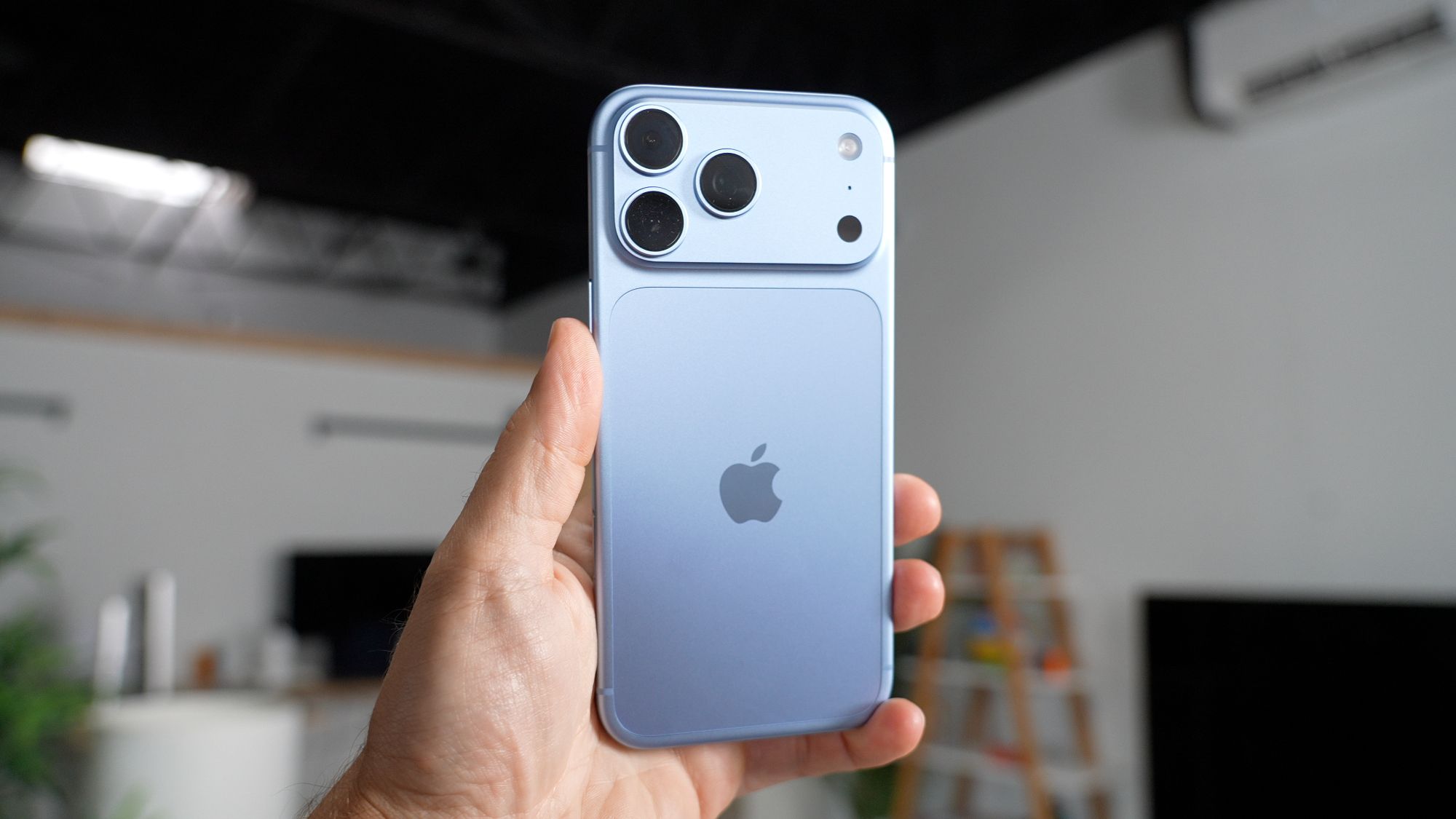
The iPhone 18 Pro and iPhone 18 Pro Max are launching tomorrow, but we were able to get one early to share some initial impressions. Subscribe to the MacRumors YouTube channel for more videos. Both the 18 Pro and Pro Max are heavier than the iPhone 17 Pro and Pro Max models they replace, and it's most noticeable when you pick up the Pro Max. It was a heavy phone to begin with, and now there's more weight (249 grams vs. 233 grams). If you hated last year's two-tone design with the contrast between the aluminum frame and the glass back, there's good news. Apple is now matching the glass to the frame for a more uniform look. Our review unit is Apple's new glacier color, which is a light blue that's slightly different from the other light blue shades Apple has used in the past. Unlike some of those blues, the glacier color actually looks blue and not silver. Apple is also offering the iPhone 18 Pro models in burgundy, silver, and black. We have a burgundy model on the way and will share that in the future. There's a fancy new 2nm A20 Pro chip inside the iPhone 18 Pro and Pro Max, but depending on what you're upgrading from, you might not notice much in the way of performance. iPhones have used wildly fast chips for the last several years, and you're not stressing the processor when browsing the web and scrolling social media sites. What you might notice is the new vapor chamber cooling system. It takes up three times more surface area, so the iPhone stays cooler when you are doing something that takes a little more processing power like playing a game. Battery life has improved, but that's not something we've had time to test yet. Apple says you'll get up to 36 hours of video playback with the 18 Pro and 45 hours with the 18 Pro Max. If you're in the U.S. and buying an iPhone 18 Pro, it will have Apple's new C2 modem, but if you get the 18 Pro Max, it's going to have a Qualcomm modem. Both models use the C2 outside of the U.S. The C2 modem has mmWave 5G for the first time, plus it's more efficient than Qualcomm modems, so it will be interesting to see some speed tests comparing the two. Apple slimmed down the Dynamic Island by putting the infrared camera under the display, and that's the most noticeable change on the front of the device. It takes up less space, and Apple also updated it so it can show three Live Activities at once or two in more detail. There's a new variable aperture Main camera that also has a new sensor, plus Apple tweaked its computational imaging pipeline. With a variable aperture lens, there's more control over lighting and depth of field. If it's super bright outside, the iPhone can automatically adjust the aperture to let in less light. If it's dark, a wider aperture will let in more light. There are four aperture settings in total, and it works behind the scenes so you can just snap photos as usual. You'll probably notice it most in low lighting. If you want to control the aperture yourself, you can do so with new Pro Controls that also give you the option to adjust shutter speed and white balance. There's a histogram too so you can check exposure levels. We'll have a full video on the iPhone 18 Pro camera system coming next week. Pricing on the iPhone 18 Pro starts at $1,199, while the iPhone 18 Pro Max is priced starting at $1,299. Both new iPhones launch on September 18. Related Roundup: iPhone 18 Pro Tags: Dynamic Island , Photos Buyer's Guide: iPhone 18 Pro (Buy Now) Related Forum: iPhone This article, " iPhone 18 Pro Unboxing: New Colors, Better Photos, and Smaller Dynamic Island " first appeared on MacRumors.com Discuss this article in our forums
 Más recientehace 4 h
iPhone 18 Pro Launching Tomorrow With These 10 New Features
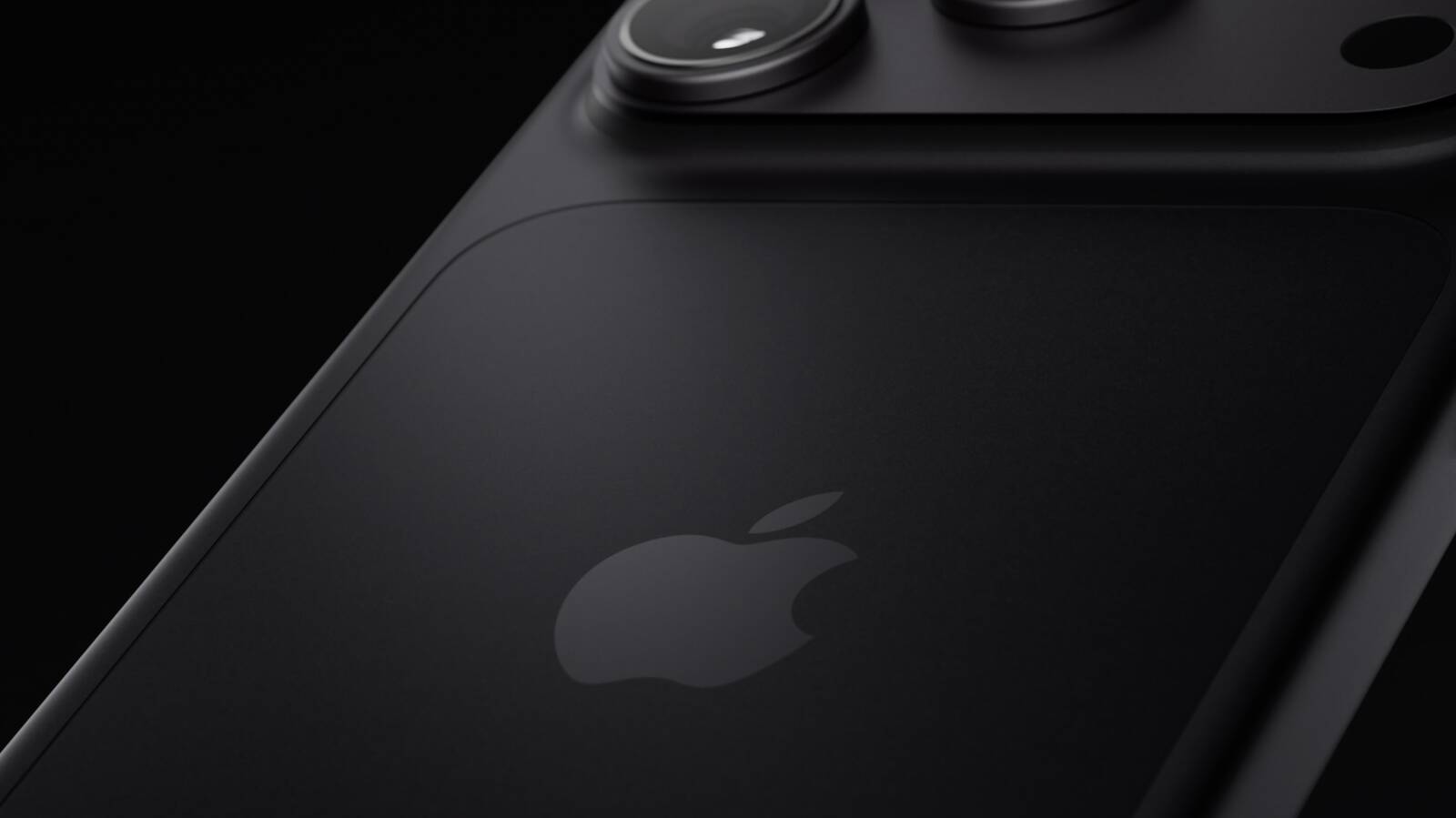
Apple last week unveiled the iPhone 18 Pro and iPhone 18 Pro Max . While the devices look very similar to the iPhone 17 Pro models, there are still quite a few new features and incremental changes compared to the previous generation. Below, we have recapped 10 new features coming with the iPhone 18 Pro models, which have been available to pre-order since Saturday, September 12 and will begin arriving to customers and launch in stores this Friday, September 18. A20 Pro chip , the first 2nm chip in an iPhone. It has a 6-core CPU, a 7-core GPU, and a 32-core Neural Engine. Apple says the chip delivers up to 20% faster CPU performance and up to 40% faster graphics performance compared to the A19 Pro chip in the iPhone 17 Pro. Apple also says sustained performance is up to 40% faster. Three new color options : Burgundy, Black, and Glacier . Orange is no longer an option. The rear aluminum and Ceramic Shield glass area are now more color matched. A smaller Dynamic Island with support for up to three Live Activities at once . The main 48-megapixel Fusion camera on both the iPhone 18 Pro and iPhone 18 Pro Max has variable aperture , allowing you to adjust the amount of light that reaches the image sensor for greater control over depth of field. Apple says this upgrade will allow for improved low-light photography and crisper details in the back of group photos. Aperture options include ƒ/1.48, ƒ/1.8, ƒ/2.8, and ƒ/4.0. In the Camera app on iPhone 18 Pro models, new Pro controls allow you to manually control or adjust shutter speed, white balance, and aperture, and there is an option to use a histogram. iPhone 18 Pro models can record time-lapse videos in 4K and Dolby Vision HDR . Both of the iPhone 18 Pro models have longer battery life compared to the previous generation — especially the iPhone 18 Pro Max. If we go by Apple's offline video playback metric, the iPhone 18 Pro Max has up to 15% longer battery life compared to the iPhone 17 Pro Max. Fast charging to 50% now takes 15 minutes, down from 20 minutes. The revamped vapor chamber cooling system in the iPhone 18 Pro models has three times more surface area than the one in the iPhone 17 Pro models, for even better heat dissipation. iPhone 18 Pro models worldwide are equipped with Apple's second-generation C2 cellular modem for 5G and LTE, while the iPhone 18 Pro Max has it in every country except for the U.S., where it has a Qualcomm modem. Apple says the C2 chip has "AI-powered improvements" to cellular quality and reliability, delivering "meaningfully faster uploads when compared to its previous C1X modem while consuming 15% less energy. In the U.S., the chip supports mmWave 5G. There is now a 2TB storage capacity for both the Pro and Pro Max models — it was previously exclusive to the iPhone 17 Pro Max. Related Roundup: iPhone 18 Pro Buyer's Guide: iPhone 18 Pro (Buy Now) Related Forum: iPhone This article, " iPhone 18 Pro Launching Tomorrow With These 10 New Features " first appeared on MacRumors.com Discuss this article in our forums