AC
Piasecki cited in Eurasia Review on the diminishing international order
Read the full article
 Atlantic Council•dghadiali3 Sept
Read the full article
Atlantic Council•dghadiali3 SeptRead the full article
Atlantic Council•dghadiali3 SeptRead the full article
Atlantic Council•dghadiali3 SeptRead the full article
Atlantic Council•dghadiali3 Sept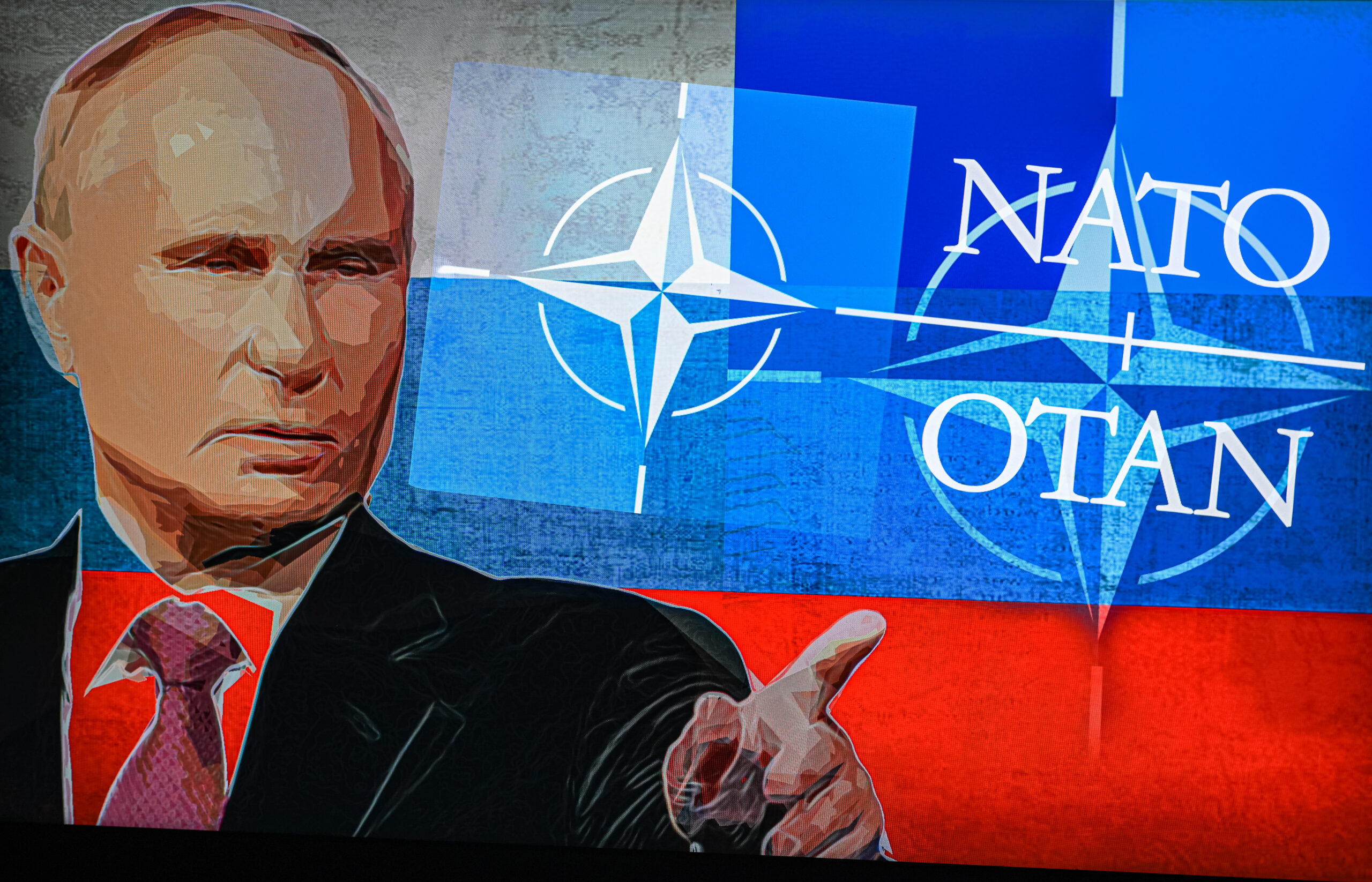
If Russian President Vladimir Putin decides to attack NATO, his goal will be to divide and discredit the alliance rather than actually defeating it, writes Peter Dickinson.
Atlantic Council•Peter Dickinson3 Sept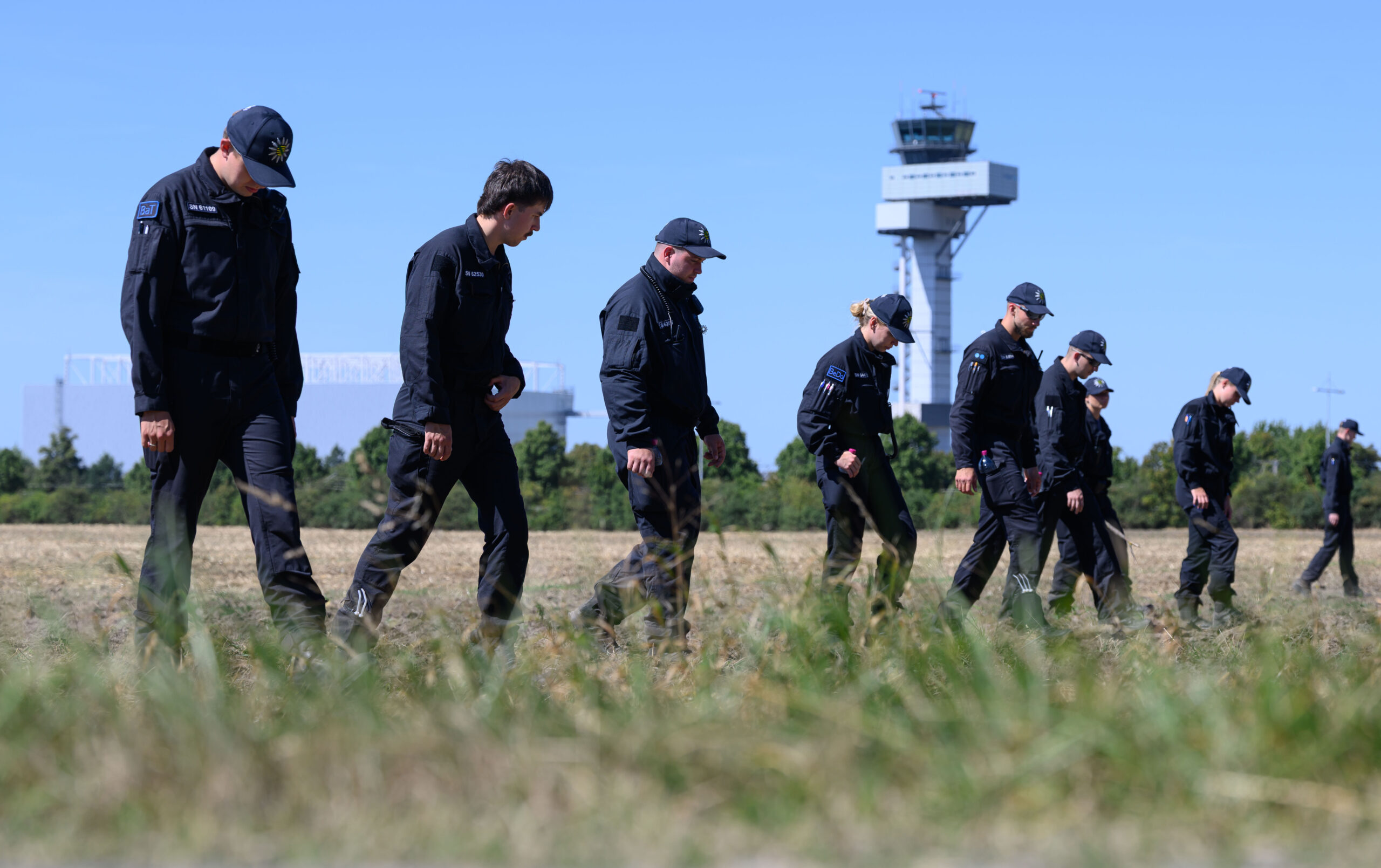
Russia is escalating its campaign of so-called “grey zone” aggression against Europe as Putin attempts to intimidate EU leaders and deter further support for Ukraine, write Maksym Beznosiuk and Will Dixon.
Atlantic Council•Maksym Beznosiuk, Will Dixon3 Sept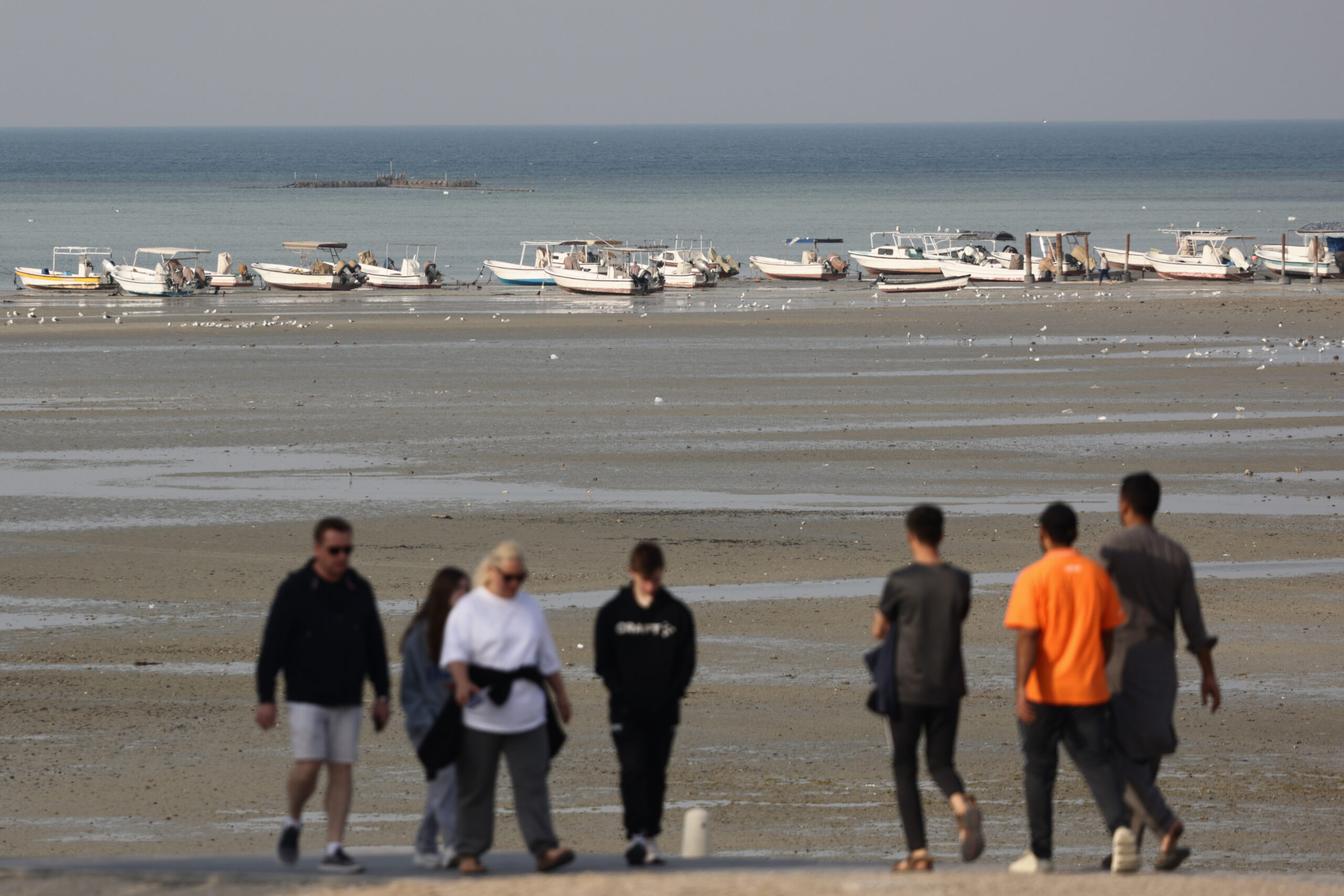
Bahrain could test the possibility of placing AI infrastructure, specifically data centers, under water.
Atlantic Council•Minwa Alkhalifa3 SeptAtlantic Council•Atlantic Council3 SeptAtlantic Council•ierbengi3 Sept
Learn how the Strait of Hormuz closure is affecting states' supply and price of distillate fuel oil.
Atlantic Council•Joseph Webster and Theo Aldrighi2 Sept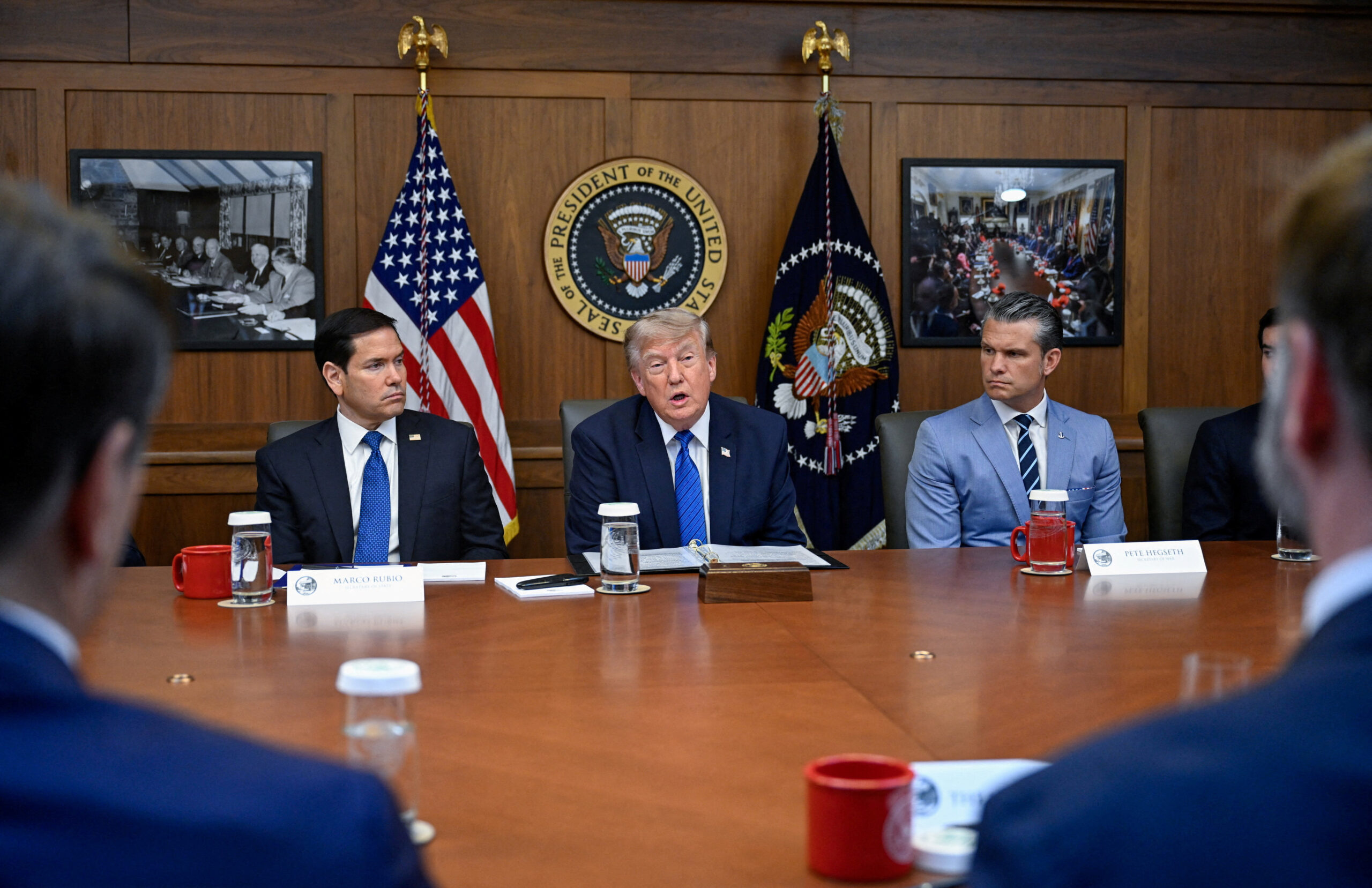
Trump can strengthen US biodefense by restoring White House capacity and updating national strategies before the next biological crisis.
Atlantic Council•Asha M. George2 Sept
Amid the race for more direct-to-device connectivity, a major obstacle has emerged: getting satellites into orbit.
Atlantic Council•Olivia Torres2 SeptOn September 2, Elisabeth Braw was quoted in ZDFheute discussing the recent drone attack on Leipzig airport.
Atlantic Council•Elisabeth Braw2 SeptOn September 2, Elisabeth Braw was interviewed by DW News to discuss possible European responses to Russia’s recent hybrid attacks against Europe.
Atlantic Council•Elisabeth Braw2 Sept
Colombia's new president has made restoring state authority in the country's conflict-affected territories a central priority as armed groups compete to control communities and economies. In the wake of the August 10 earthquake, the US-Colombia Strategic Alignment Coalition outlines how Colombia, with US support, can build lasting state presence.
Atlantic Council•the US–Colombia Strategic Alignment Coalition2 Sept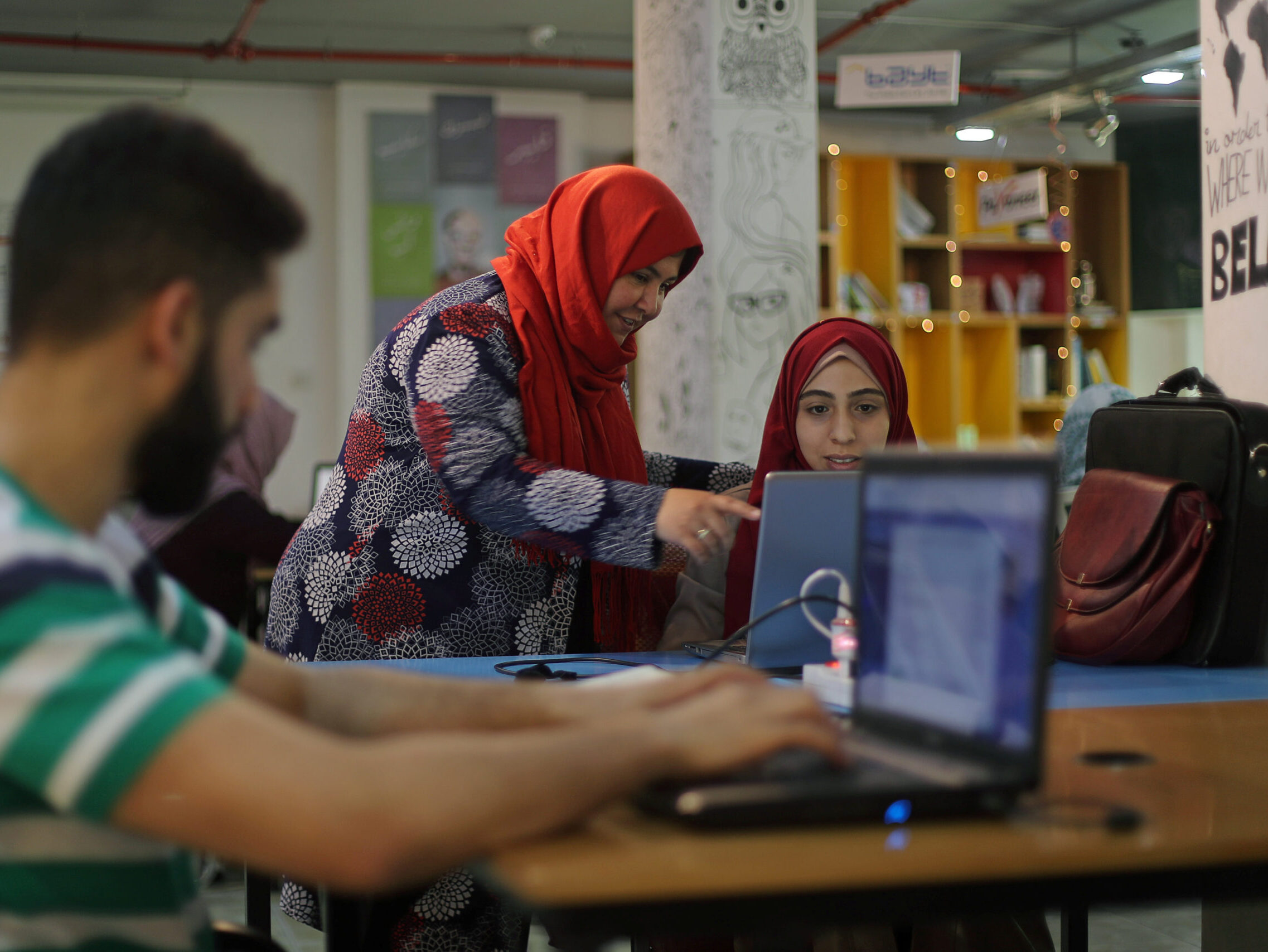
Remote work could offer Gazans a path to income and economic recovery—but only if access to electricity, connectivity, and equipment improves.
Atlantic Council•Avia Liberman, Melanie Robbins1 Sept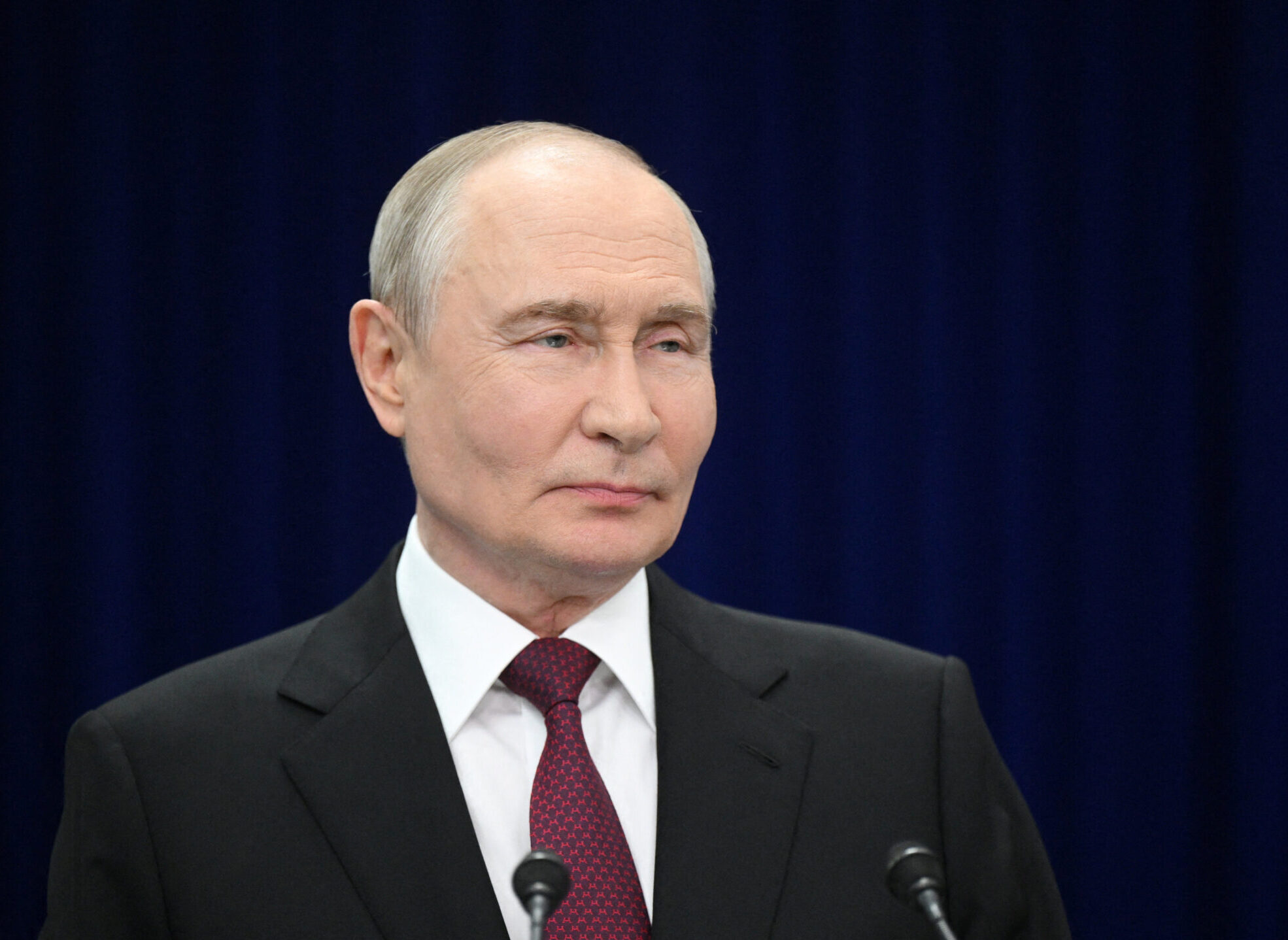
Moscow claims to be ready for peace once the "root causes" of the Russia-Ukraine War are addressed, but Putin's demands confirm that he believes the "root cause" of the war is the existence of an independent Ukraine, writes Kateryna Odarchenko.
Atlantic Council•Kateryna Odarchenko1 Sept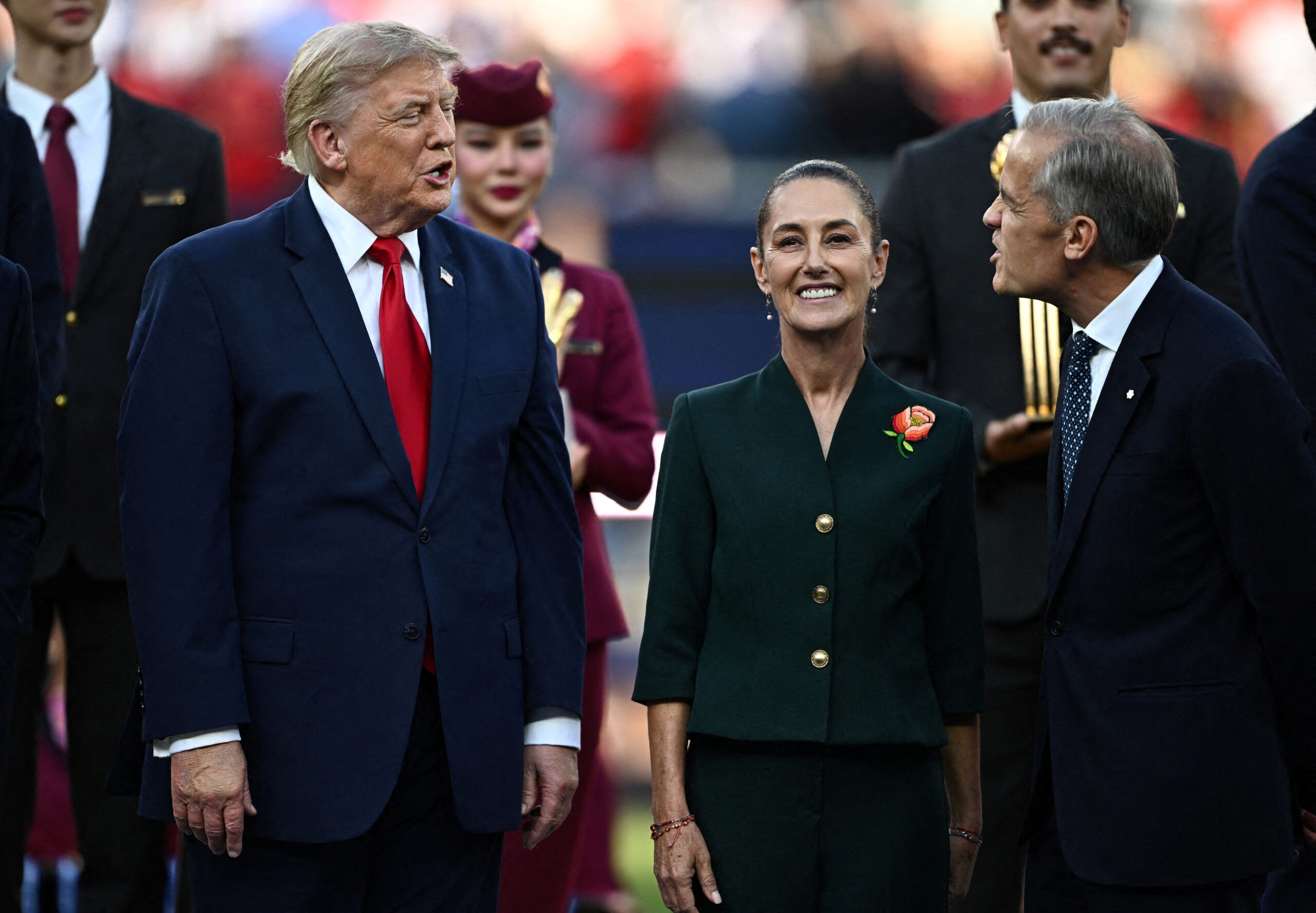
For Mexico, the US–Canada trade rupture is neither a model to emulate nor a warning against confronting Trump. It is a window into the USMCA negotiations ahead.
Atlantic Council•Brenda Estefan1 Sept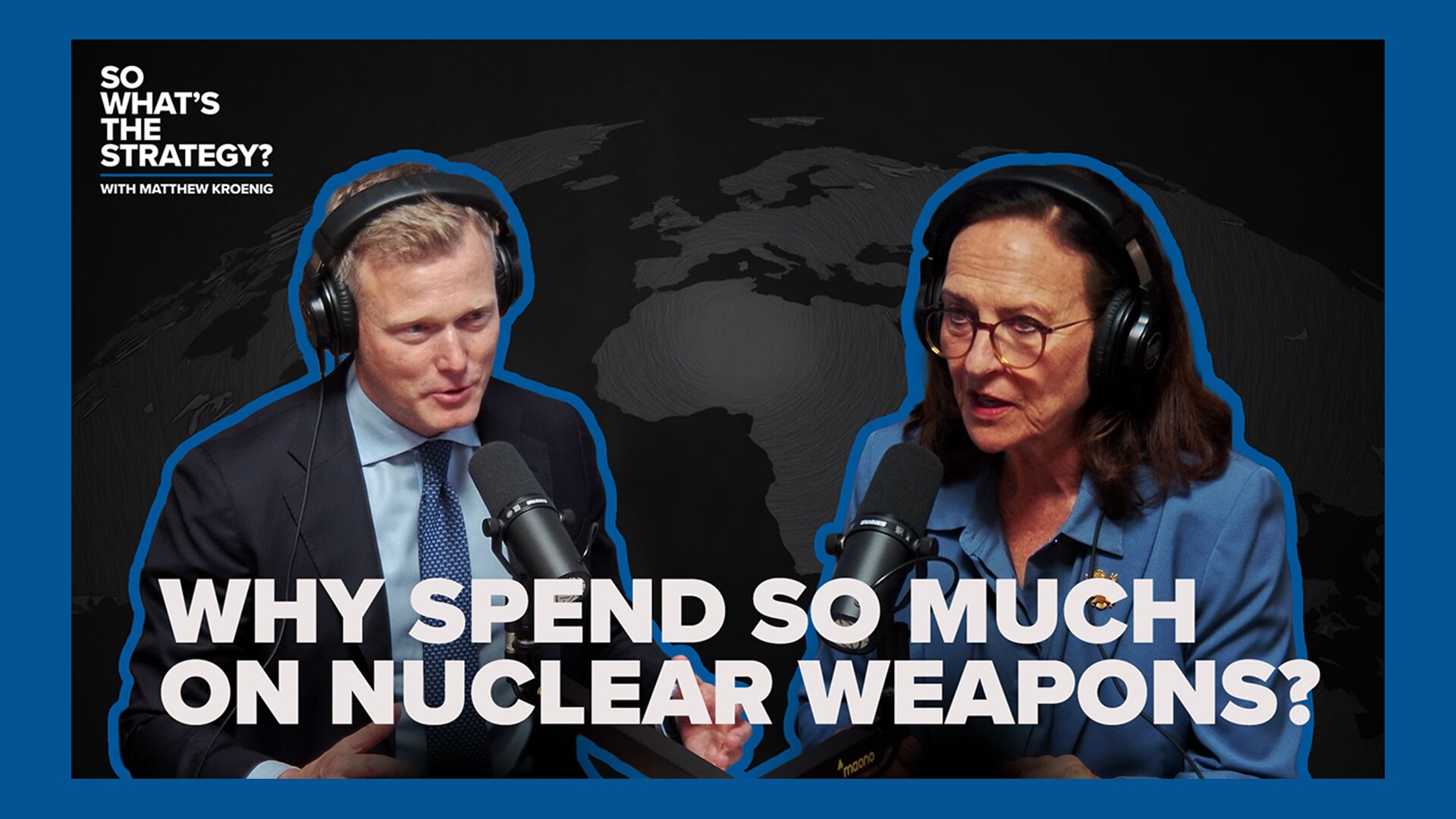
In the season finale of So What’s the Strategy, host Matthew Kroenig is joined by Senator Deb Fischer (R-NE), chair of the Senate Armed Services Committee's Subcommittee on Strategic Forces, to discuss what the US strategy should be for ensuring nuclear preeminence.
Atlantic Council•the Scowcroft Center for Strategy and Security1 Sept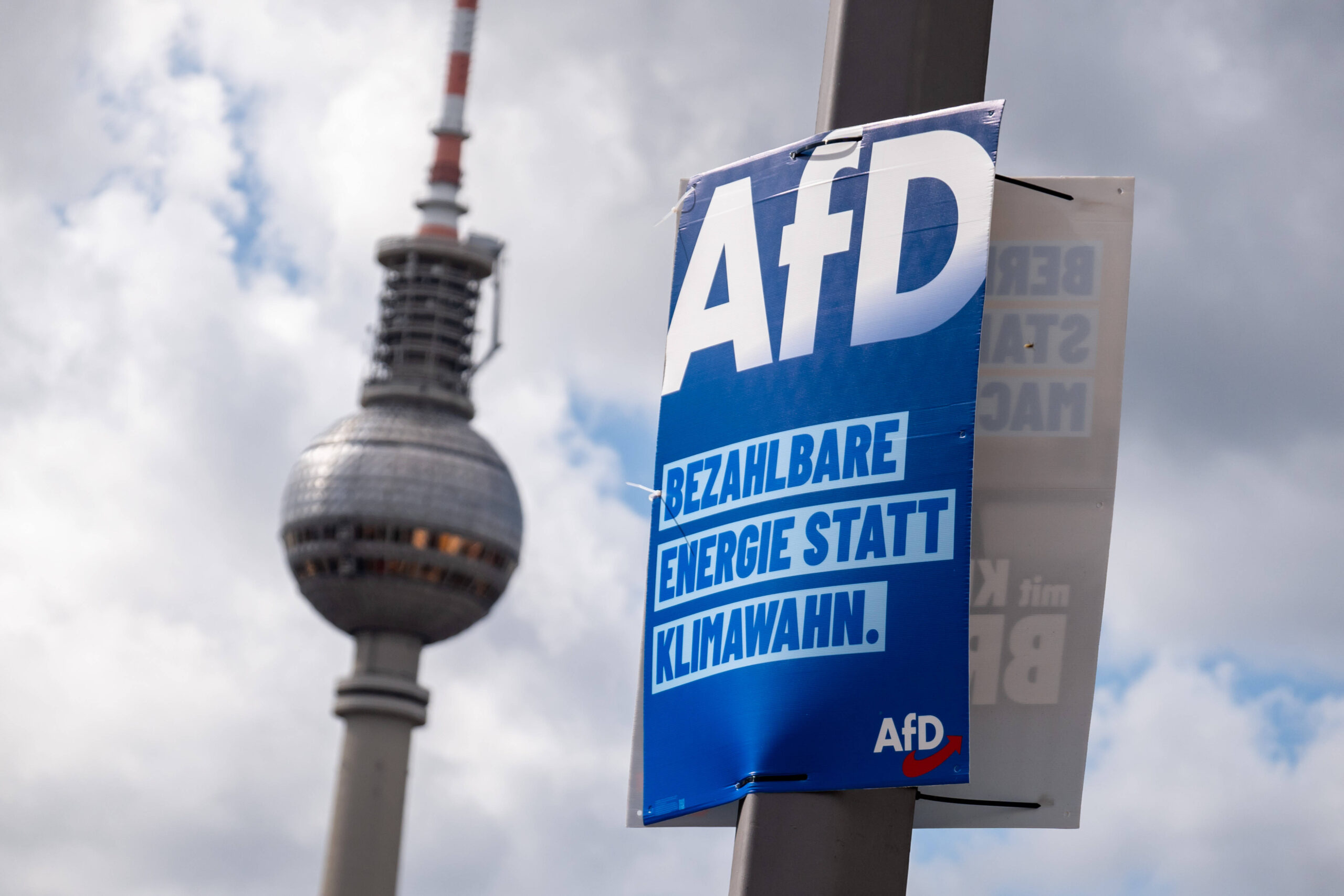
The far-right Alternative for Germany is poised to make gains in three upcoming state-level votes in the eastern part of the country.
Atlantic Council•Phyllis Berry1 Sept