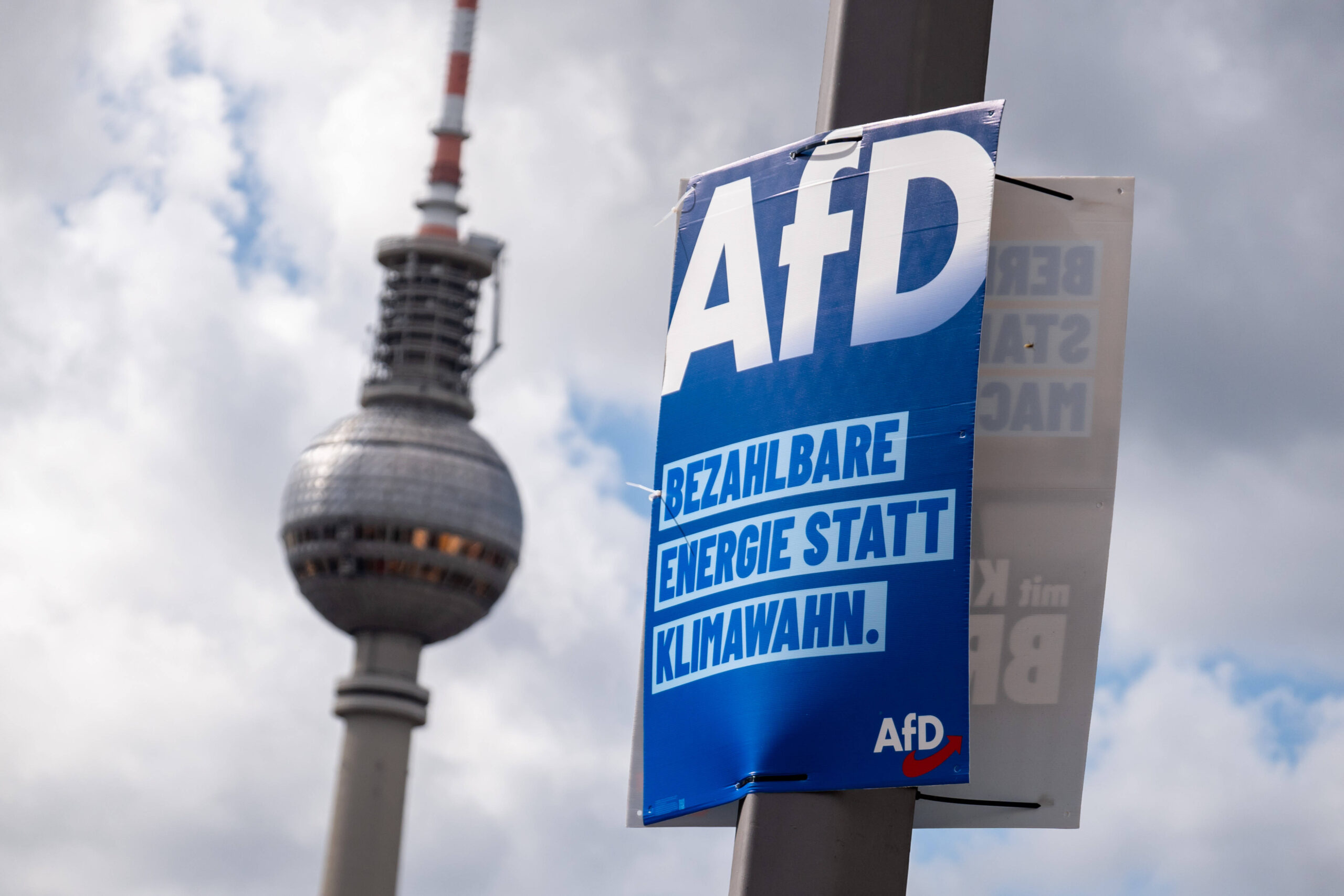
What’s at stake for the AfD and Merz in Germany’s three September elections
The far-right Alternative for Germany is poised to make gains in three upcoming state-level votes in the eastern part of the country.
 Atlantic Council•Phyllis Berry1 Sept
The far-right Alternative for Germany is poised to make gains in three upcoming state-level votes in the eastern part of the country.
Atlantic Council•Phyllis Berry1 Sept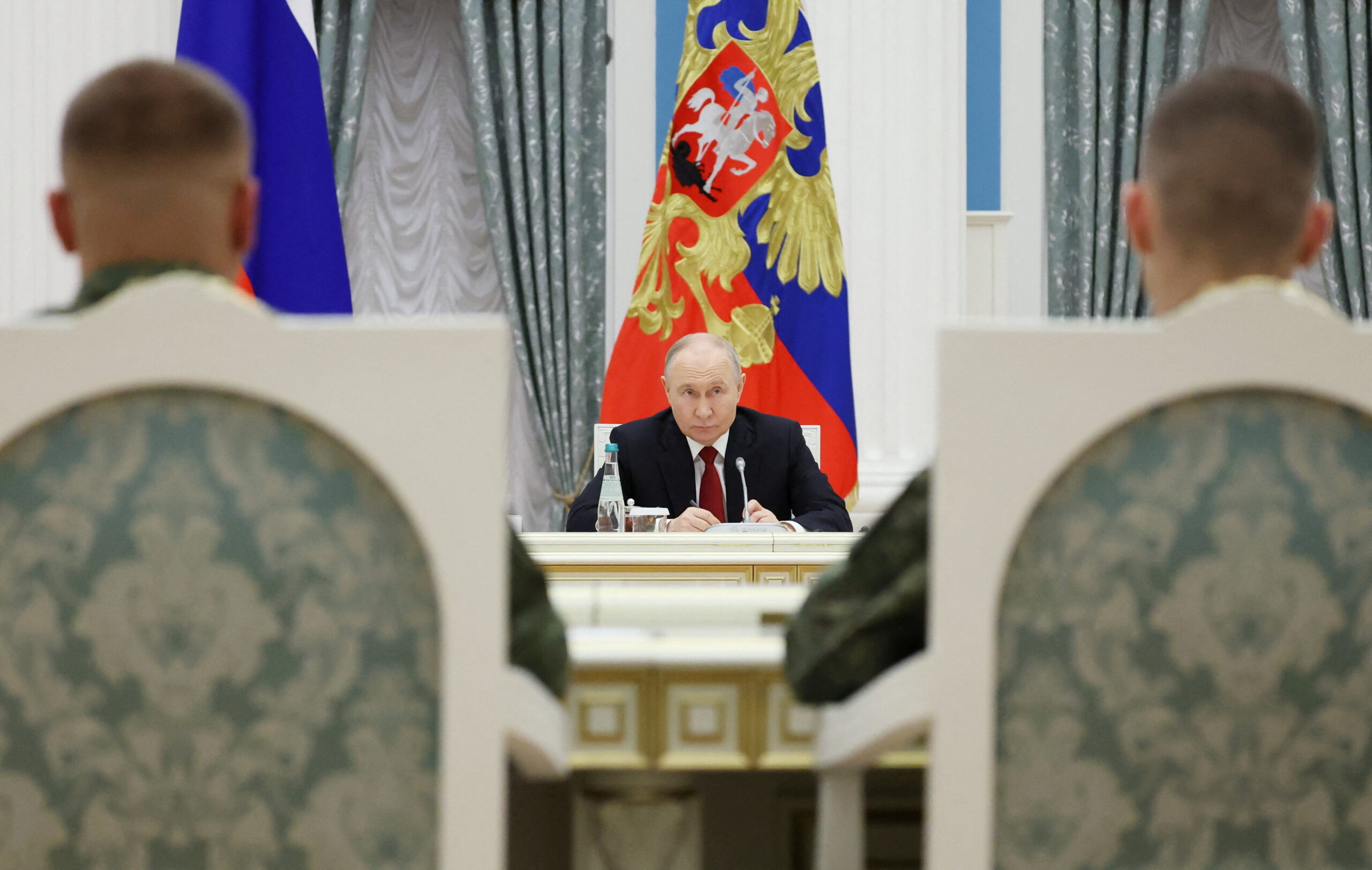
The CIA director’s recent unannounced visit to Moscow has raised speculation about Russian plans to escalate attacks.
Atlantic Council•Atlantic Council experts1 Sept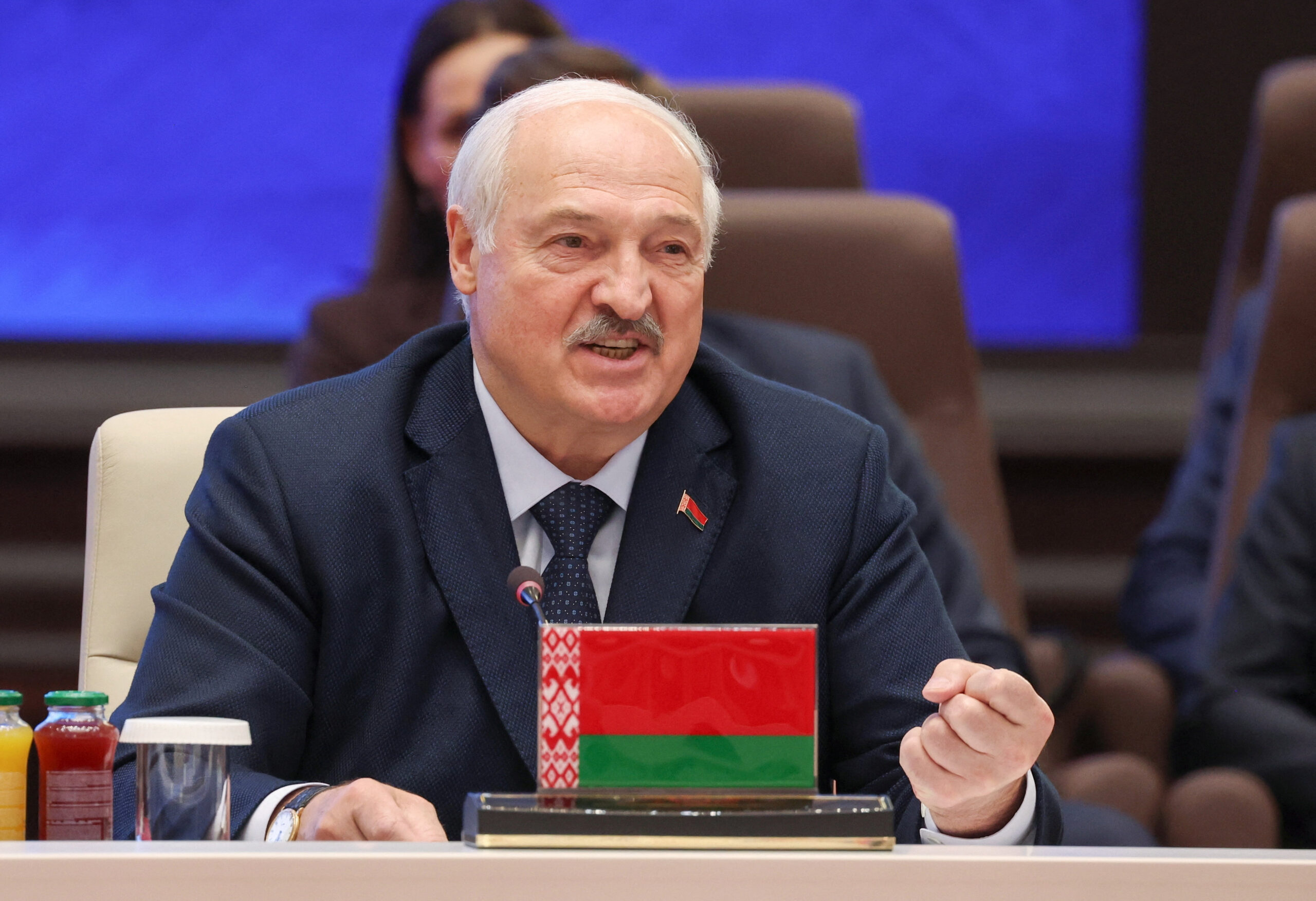
There is nothing about today’s Belarus that suggests a country on the verge of change. Nevertheless, European policymakers would be well-advised to begin preparing for a post-Lukashenka Belarus now, in order to have a plan in place when the moment of transition arrives, writes Viktar Baranau.
Atlantic Council•Viktar Baranau1 Sept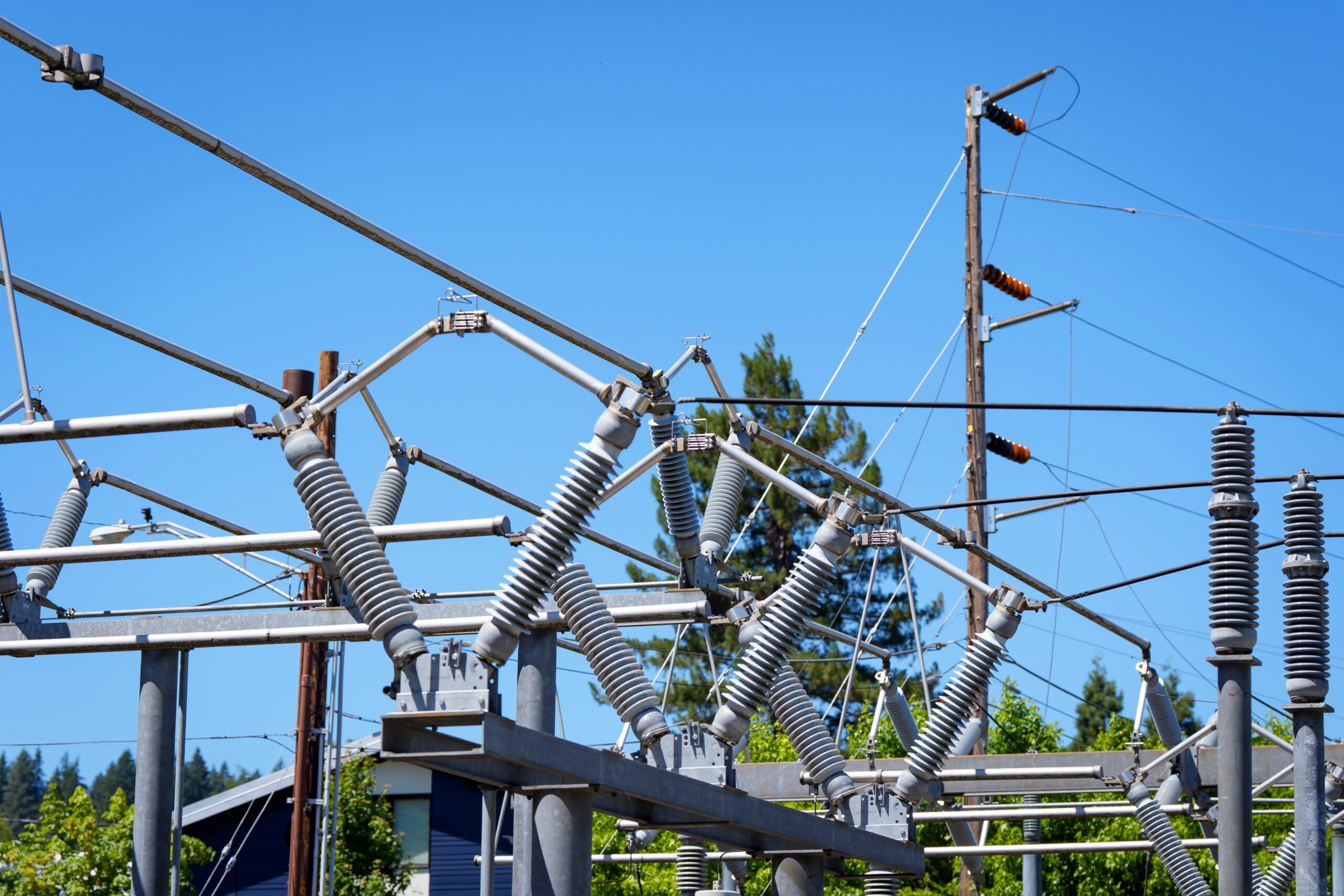
The recently announced executive order on the US bulk-power system orders a sweeping review of security vulnerabilities. Experts assess the key opportunities and challenges.
Atlantic Council•Landon Derentz, Frank Willey, Morgan D. Bazilian1 Sept
Russia’s new AI law puts domestic models under state control. Moscow now wants to sell the same model abroad.
Atlantic Council•Eto Buziashvili1 Sept
The impact of the "historic" oil deal between the US and Venezuela will remain uncertain until several unresolved issues are addressed.
Atlantic Council•David L. Goldwyn, Andrea Clabough1 SeptOn September 1, Elisabeth Braw was published in Foreign Policy on the difference between reality on the ground and the Trump administration’s messaging.
Atlantic Council•Elisabeth Braw1 Sept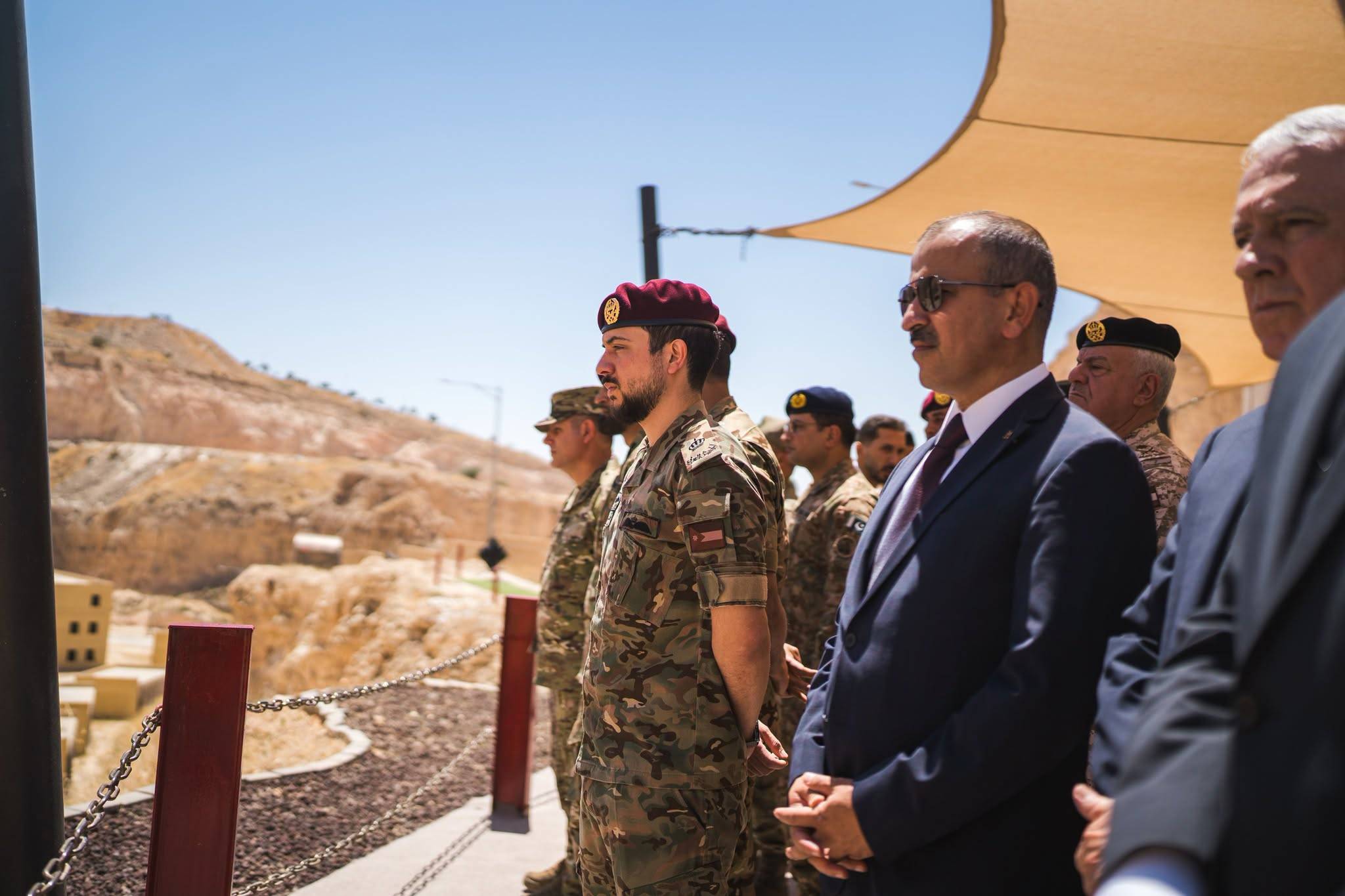
Jordan continues to absorb attacks from Iran without firing back.
Atlantic Council•Aaron Magid31 Aug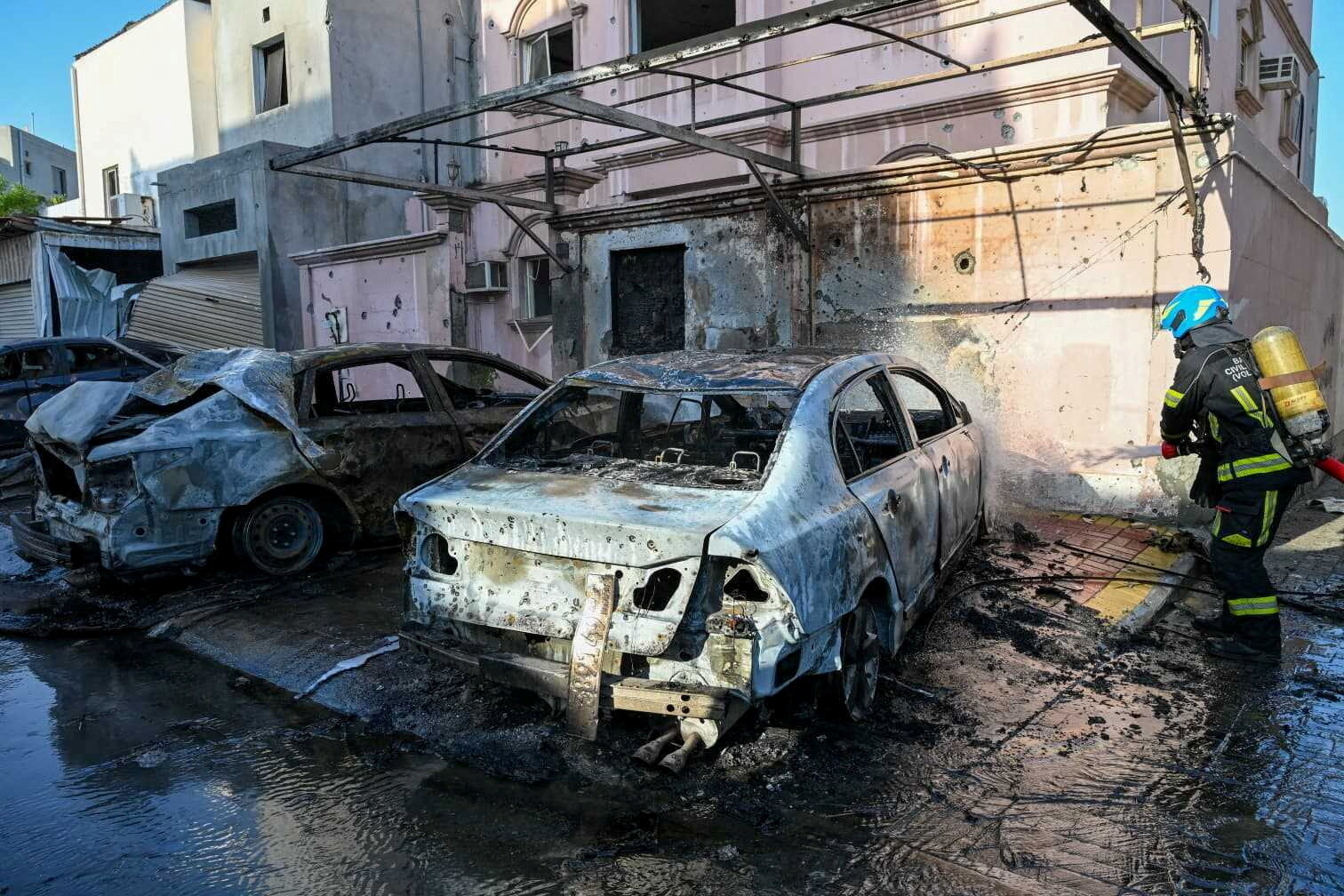
Five costs related to the Iran war are compounding across the Gulf and its trading partners, and none will be eliminated soon.
Atlantic Council•Kurt Davis Jr.31 Aug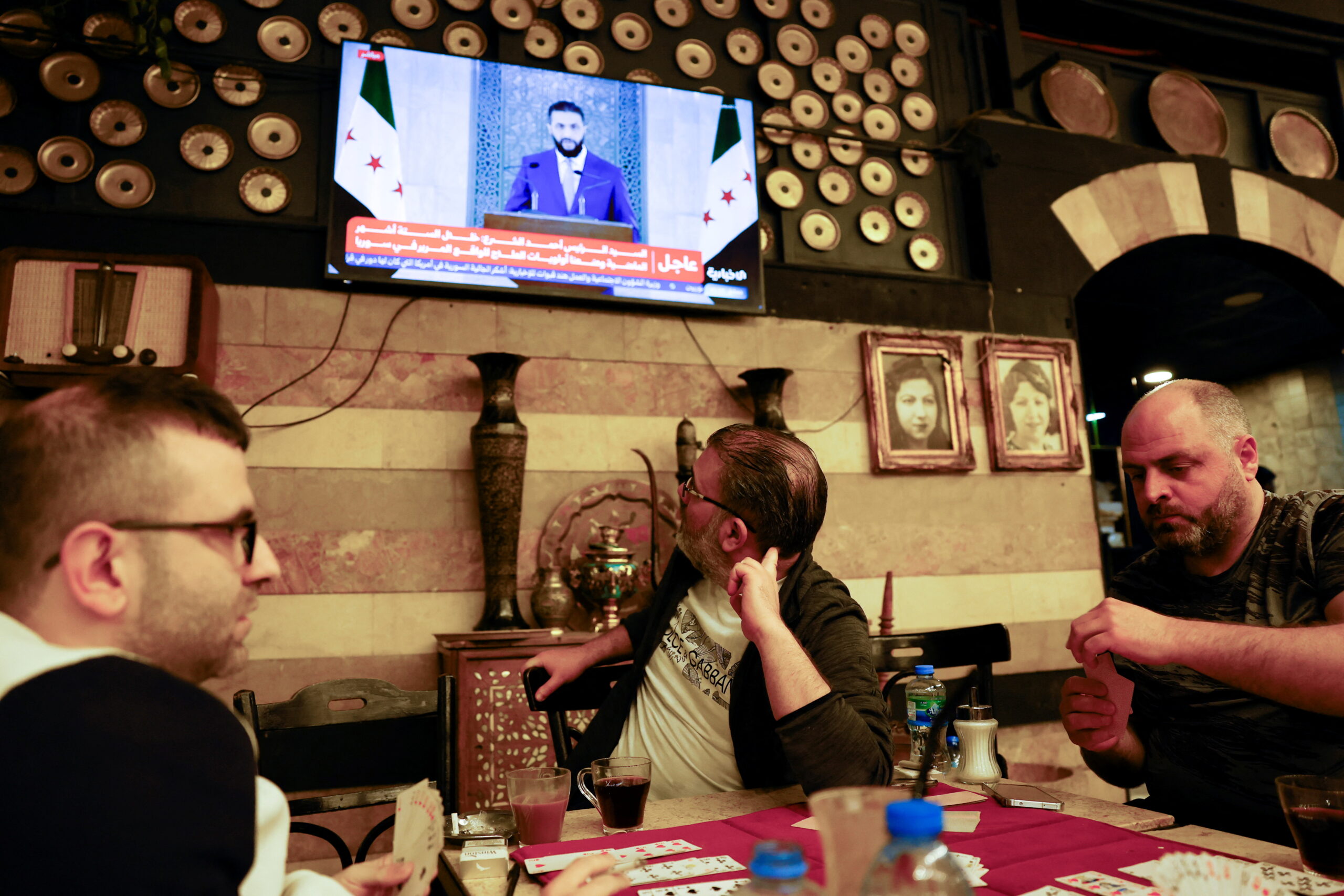
The US removal of the country from its list of state sponsors of terrorism is big step for Syria toward its post-Assad future.
Atlantic Council•jcookson29 AugOn August 29, Elisabeth Braw was mentioned in Daily Mail discussing potential hybrid attacks against the UK by Russia.
Atlantic Council•Elisabeth Braw29 AugOn August 29, Elisabeth Braw was interviewed by The Sun to discuss Putin’s plots to ramp up hybrid attacks against NATO.
Atlantic Council•Elisabeth Braw29 Aug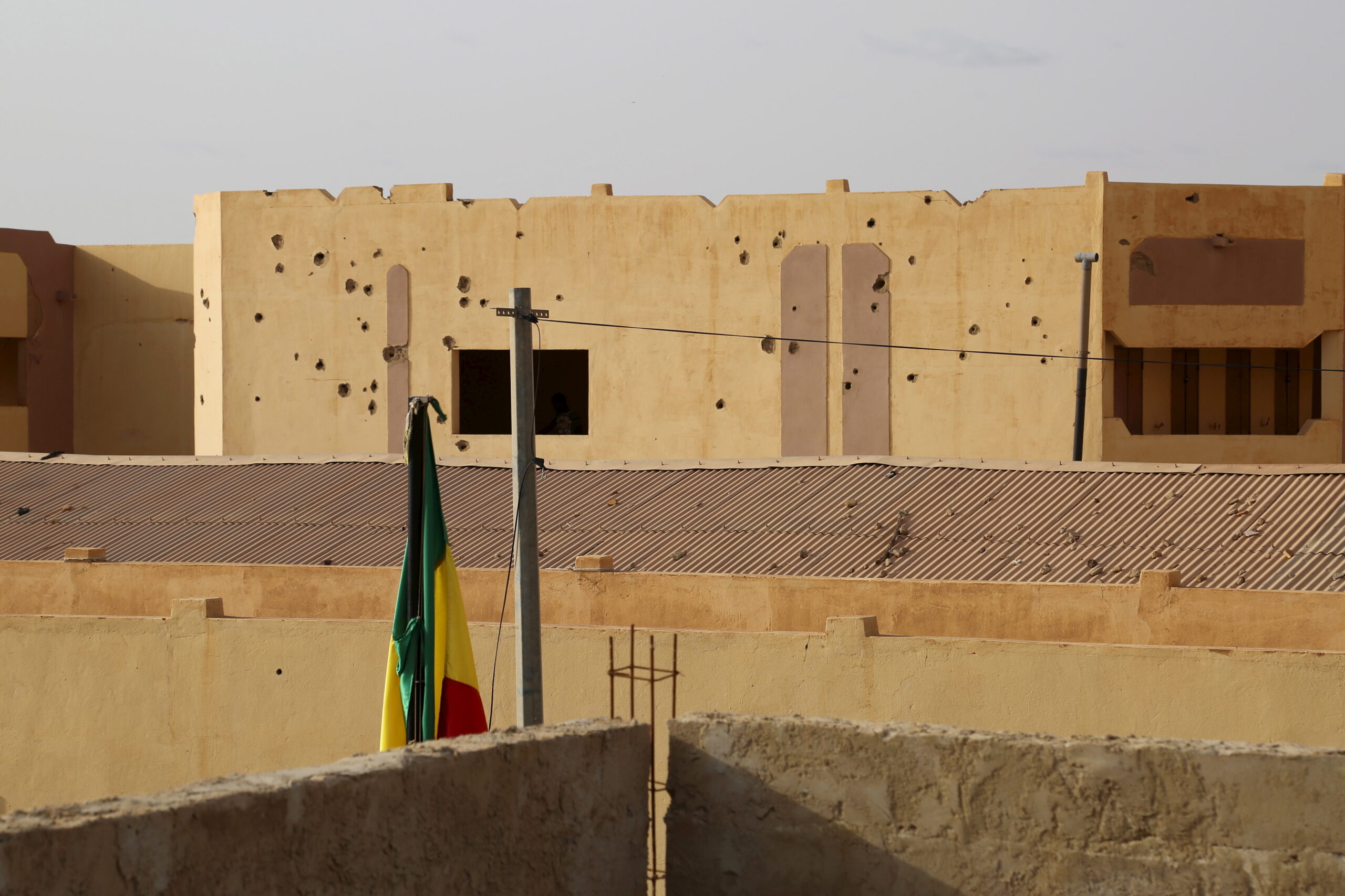
In Season 2, Episode 17 of the Guns for Hire podcast, host Alia Brahimi chats to Wassim Nasr, the veteran French journalist for France24 and Senior Fellow at the Soufan Center. Wassim talks us through the spectacular April 25th offensive across Mali by JNIM, an al-Qaeda affiliate that looks set to soon make a play to take over the whole country.
Atlantic Council•Alia Brahimi28 AugOn August 28, Elisabeth Braw was interviewed in BBC about the geopolitical risks to companies of hybrid threats.
Atlantic Council•Elisabeth Braw28 Aug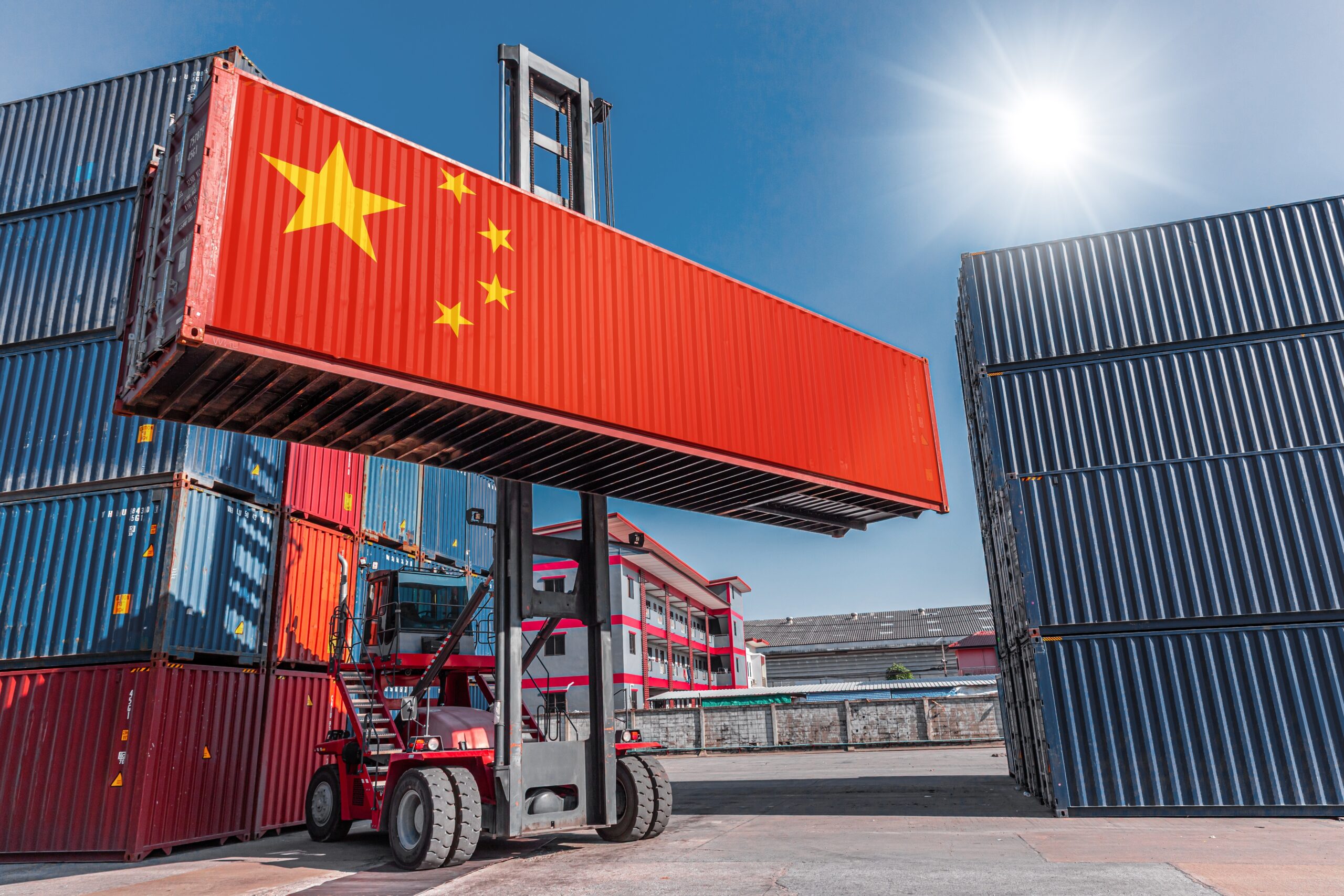
Tariffs alone won’t fix global imbalances. The G20 should use economic “carrots” to de-risk from China without destabilizing it.
Atlantic Council•Barbara C. Matthews28 Aug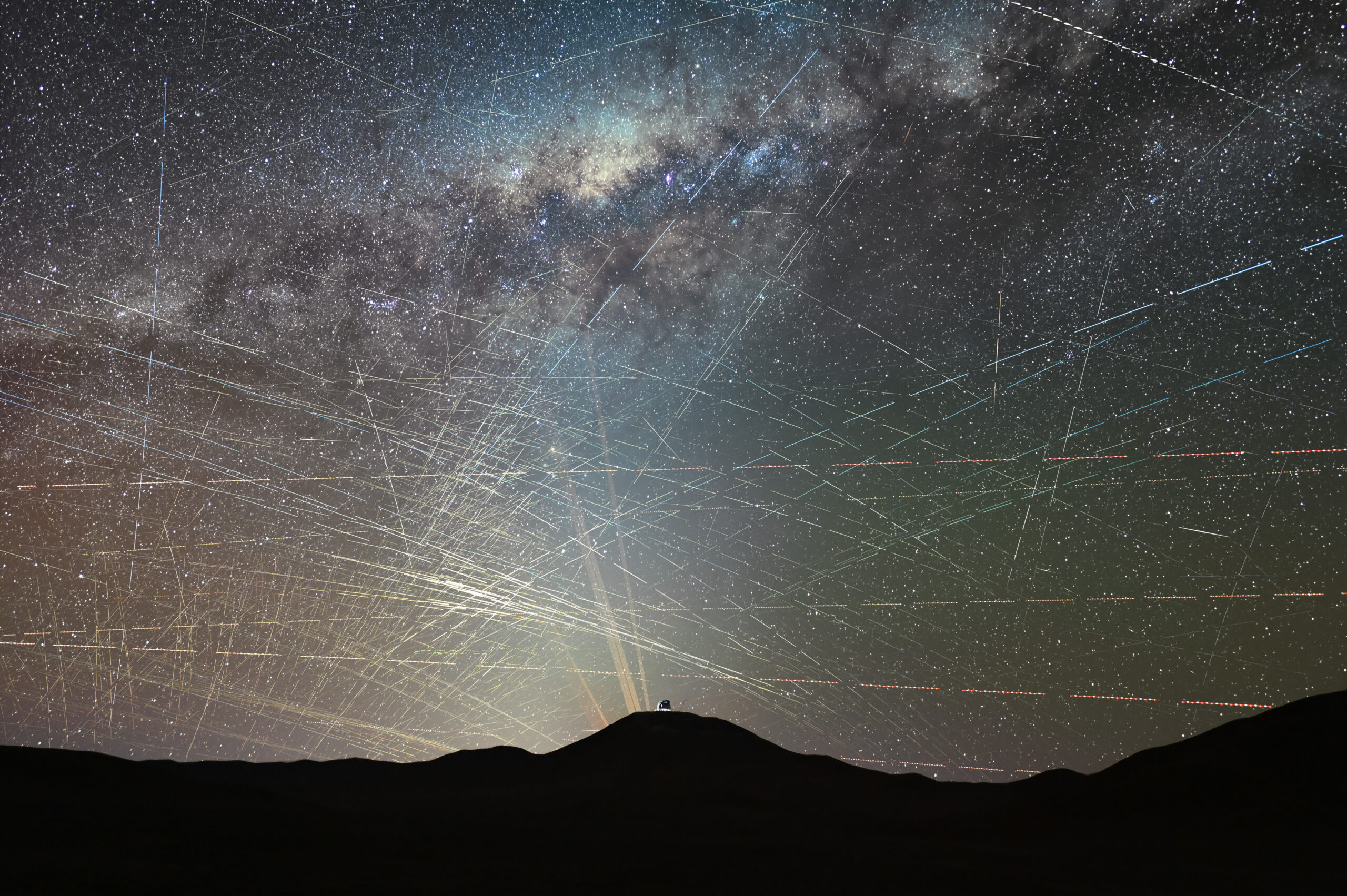
Private companies are driving the rise of space-based data centers, but it is not yet clear who will own, govern, and access data processed in orbit.
Atlantic Council•Will LaRivee, Matt Petit28 Aug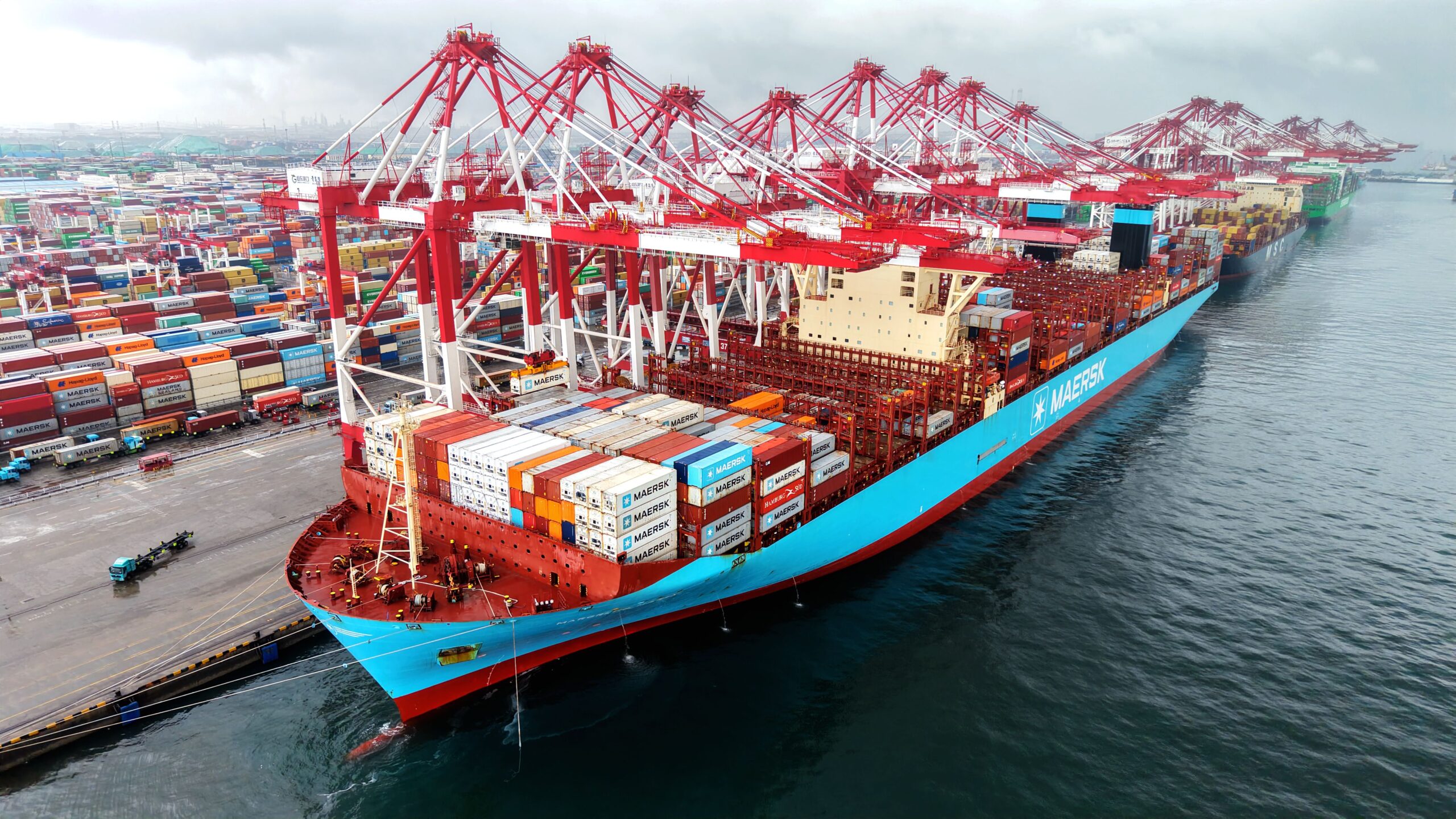
China’s economy faces real constraints, but Beijing’s repressive political system might manage them for far longer than expected.
Atlantic Council•Martin Mühleisen28 Aug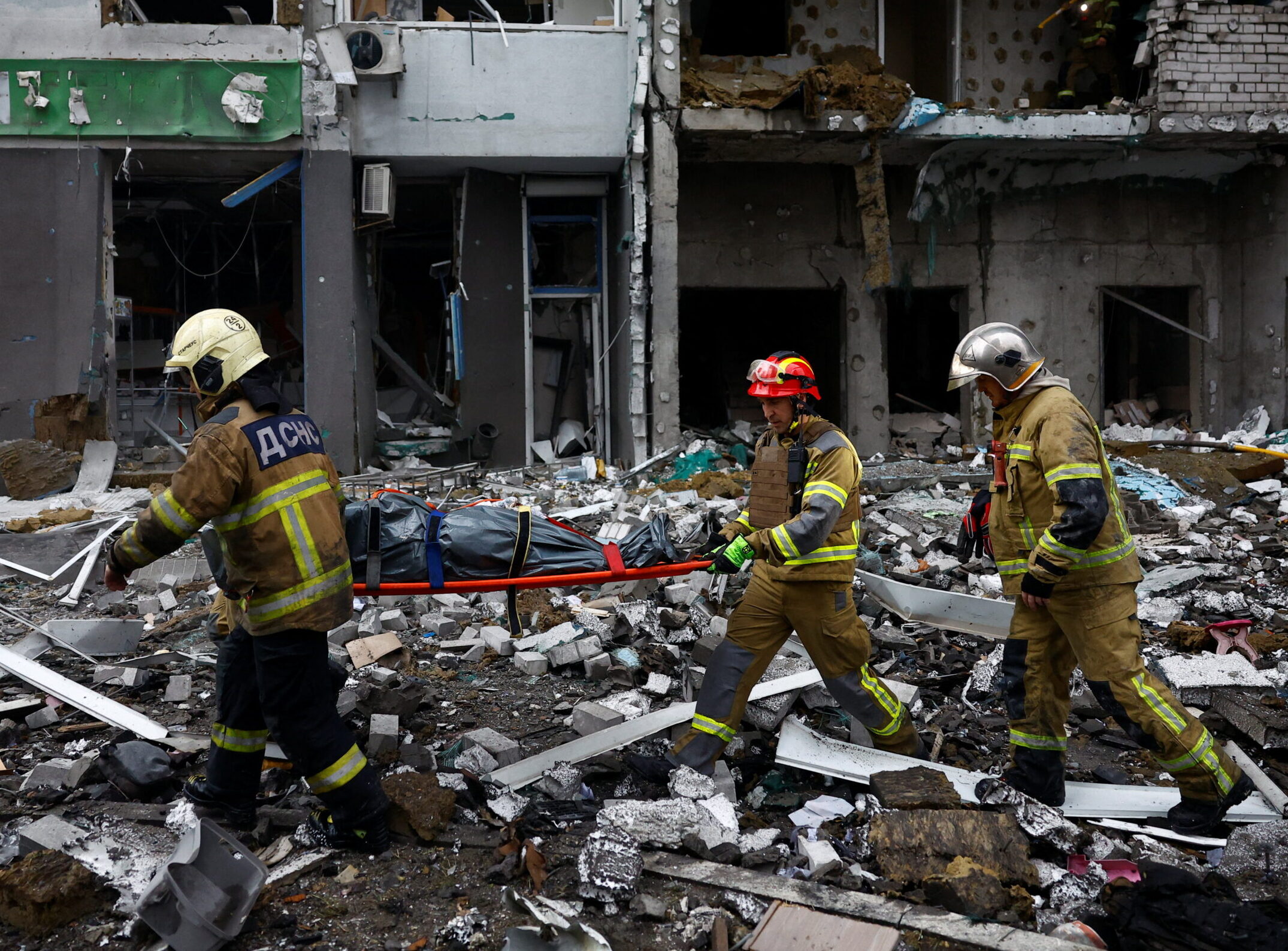
By celebrating Ukrainian resilience as an almost superhuman quality, the international community risks obscuring the much less glamorous reality that Ukrainians are actually ordinary people who have endured extraordinary violence for far too long, write Lauren Van Metre and Elena Davlikanova.
Atlantic Council•Lauren Van Metre, Elena Davlikanova27 Aug
In this episode of The Biollywood Podcast, the Director of the Bipartisan Commission on Biodefense at the Atlantic Council, Asha M. George, Associate Director for Research, J.T. O'Brien, and Associate Director for Government Relations and Policy, Robert Bradley, discuss the 2005 film "Doom" - starring Dwayne "The Rock" Johnson and Karl Urban - and its implications for astrobiodefense, biosafety and biosecurity, and genetic modification.
Atlantic Council•the Bipartisan Commission on Biodefense27 Aug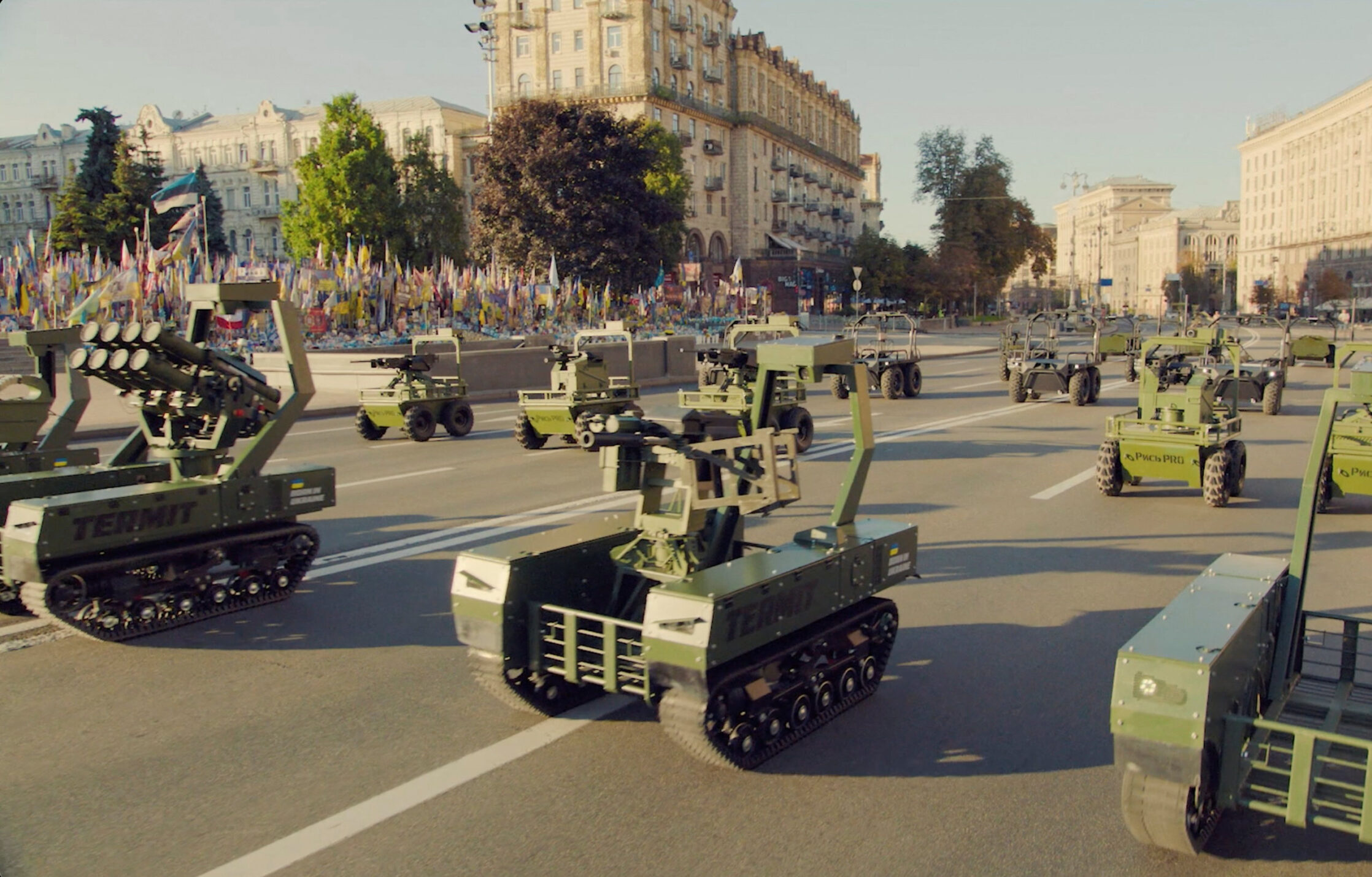
Ukraine celebrated Independence Day this week with a novel military parade made up exclusively of unmanned systems, underlining the country’s emergence as a global leader in the field of drone warfare, writes Mykola Bielieskov.
Atlantic Council•Mykola Bielieskov27 Aug