American Airlines Faces Fuel-Cost Pressure as Oil Tops $100!
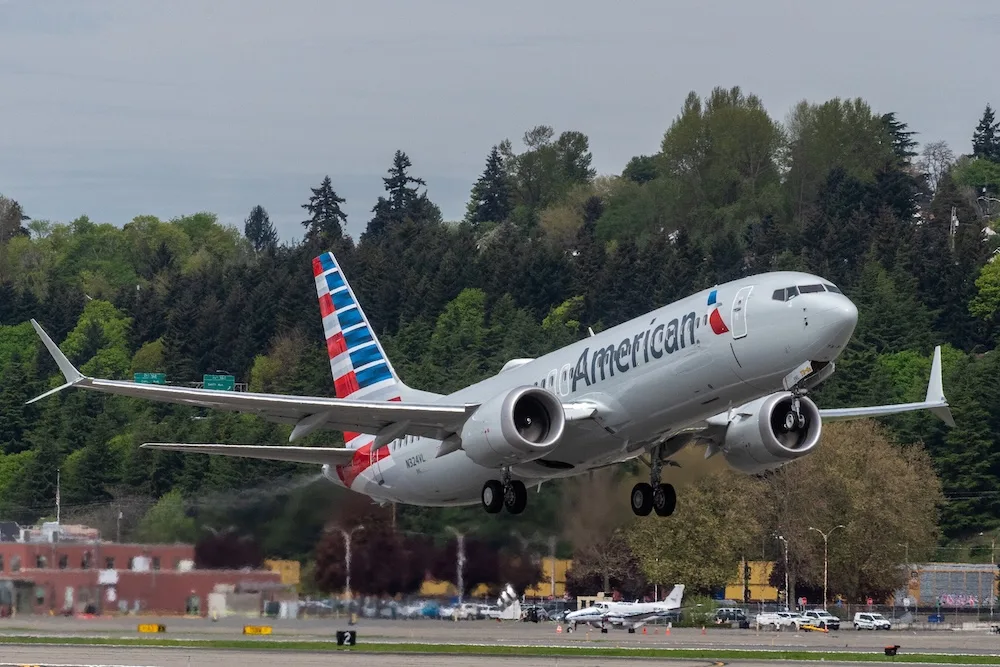
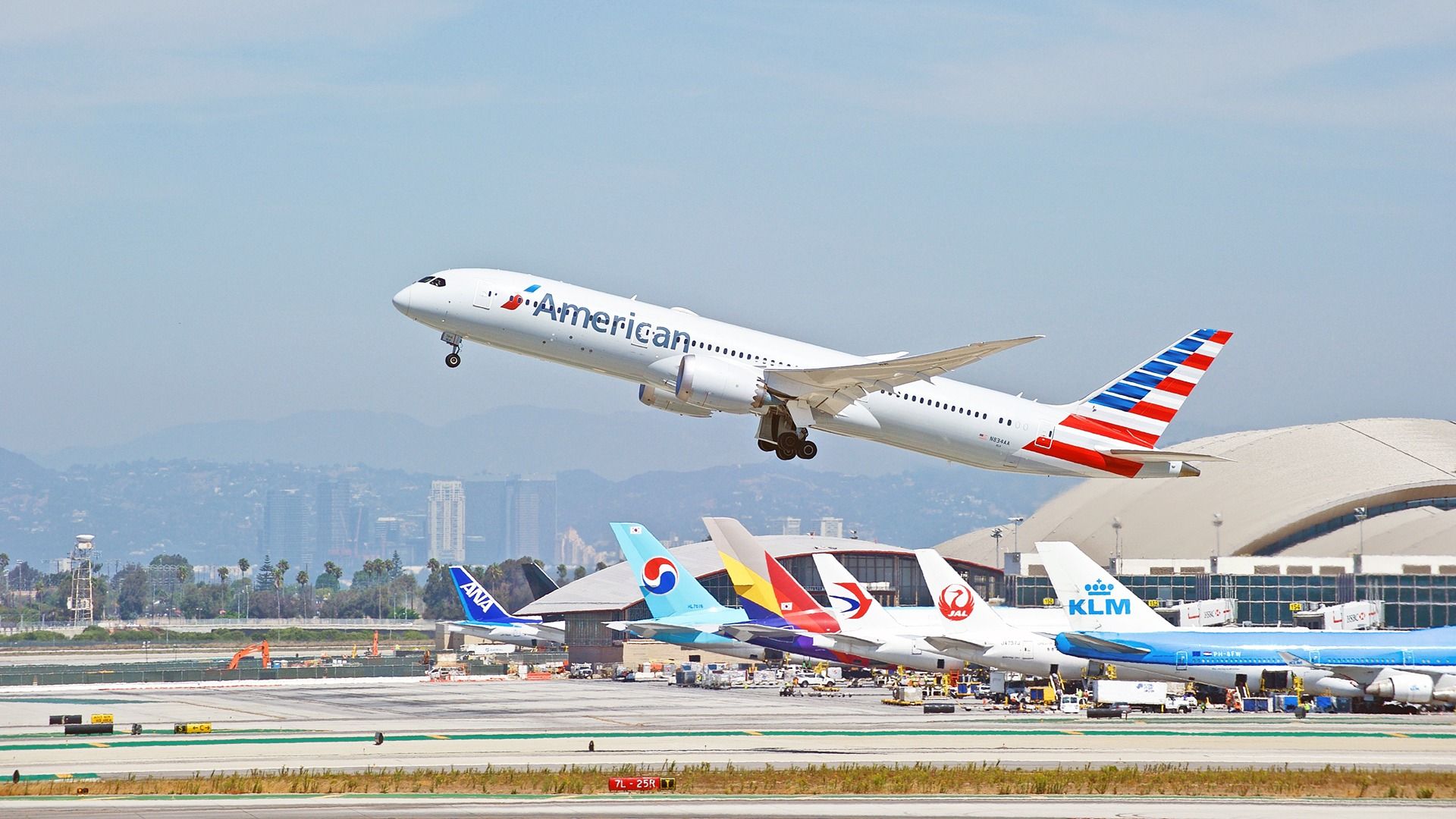
American Airlines (AAL) is confronting a fresh fuel-cost headwind as crude oil prices surge back above $100 a barrel, a development that has prompted Barclays to lower its price target on the carrier. The move reflects growing concern that higher energy costs could continue to weigh on airline profitability in the near term, even as the industry tries to maintain momentum on the revenue side.
Despite the reduction in price targets, Barclays analyst Oglenski is urging long-term investors to look beyond short-term swings in fuel prices. In his view, the more important consideration is the strength of revenue growth across the airline group. He argued that the current setup points toward “structurally higher margin potential if energy markets return to prewar levels.” That framing suggests the present pressure should be treated as a temporary drag rather than a permanent problem for the group’s earnings power. In other words, if oil markets eventually normalize, the underlying business could emerge with better margins than the market currently assumes.
For now, however, fuel costs remain significantly higher than they were a year ago. Jet fuel is up 45.4% from $2.34 per gallon in July 2025, and that elevated level continues to squeeze airline profits. There has been some recent monthly improvement, but it has not been enough to erase the broader cost pressure. Fuel remains one of the largest variable expenses for airlines, so even a modest increase in oil prices can have an outsized effect on earnings, cash flow, and margin expectations.
The surge in oil prices is tied in part to the broader geopolitical backdrop. The U.S.-Iran conflict, which erupted after U.S. and Israeli strikes on Iran in February, has settled into a grinding, protracted confrontation with no ceasefire in sight. That ongoing instability has kept markets on edge, particularly because of the risks surrounding the Strait of Hormuz. A large share of the world’s seaborne oil passes through the Strait, so any disruption there can quickly tighten global energy supplies and drive prices higher. Those disruptions remain a persistent risk factor and a key driver behind the elevated jet fuel prices that are currently squeezing airline margins.
Even with those roadblocks, the carriers have shown some resilience on the top line. All three carriers posted revenue growth in fiscal second-quarter 2026, suggesting that demand for air travel remains healthy enough to support higher sales despite the cost pressures. That revenue growth is central to the bullish longer-term argument: if airlines can keep growing revenue while eventually benefiting from lower fuel costs, their earnings power could improve meaningfully.
Oil prices have now topped $100 a barrel for the first time since May. At the time of writing, Brent crude futures were up about 2.5% at $107.20 a barrel, while WTI crude rose 2.44% to $102.49. Those levels underscore how quickly energy markets have repriced geopolitical risk and how difficult it may be for airlines to avoid further cost pressure if the conflict persists.
The bottom line is that American Airlines and its peers are caught between two forces. In the near term, elevated oil and jet fuel prices are pressuring margins and prompting analysts to adjust their targets. Over the longer term, however, Barclays sees a path to structurally stronger margins if energy markets eventually return to prewar conditions. The key question is whether revenue growth can remain strong enough to carry the carriers through the current period of elevated fuel costs.
TITradingView Ideas15 Sept
- neutral toward American Airlines · 92%

 World Airline News•Bruce Drum18 Sept





-copy.jpeg?width=1200&auto=webp&trim=17%2C192%2C547%2C1)